Why Avila’s Most Prestigious Homes Depend on Professional Pressure Washing
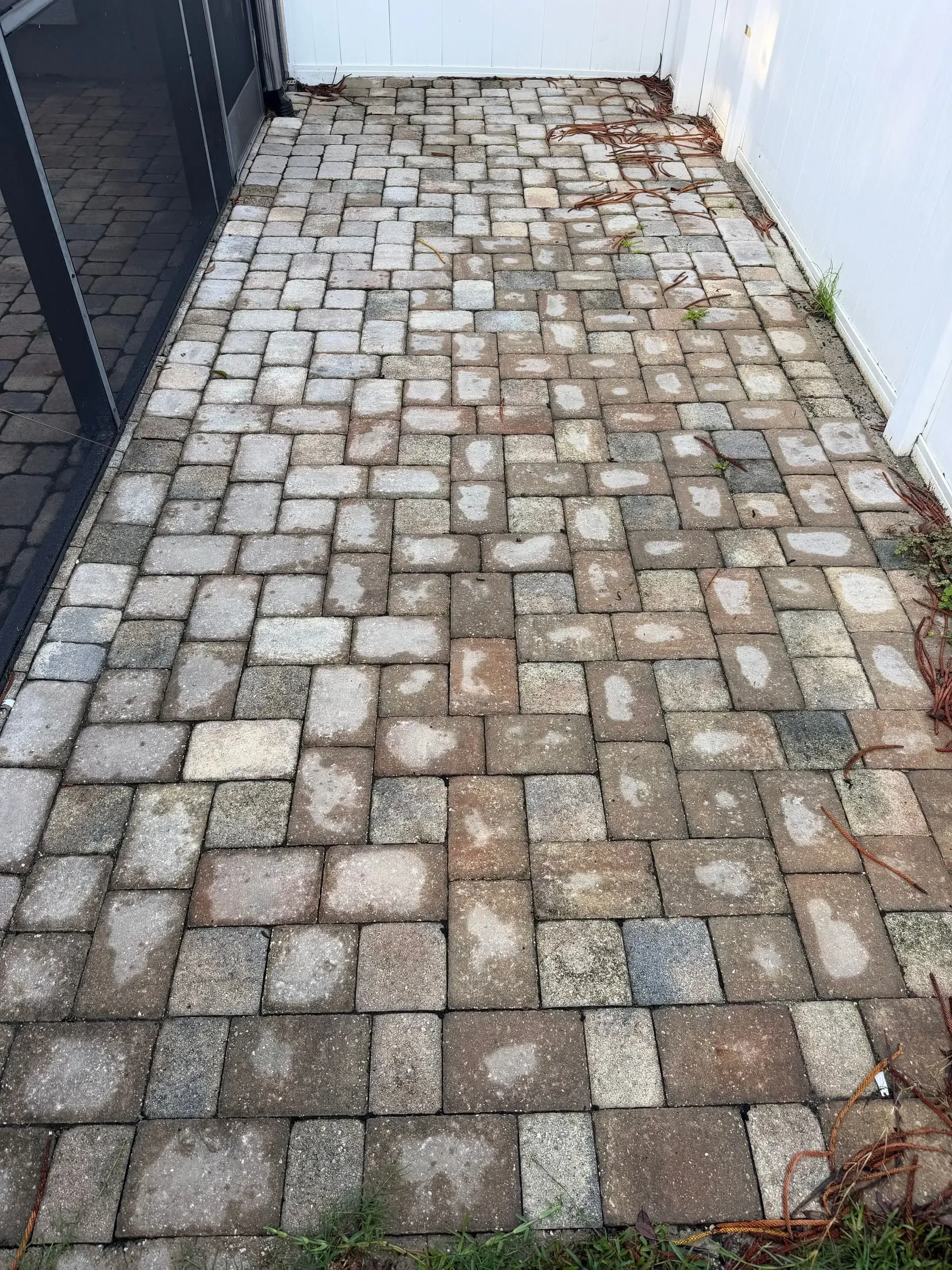
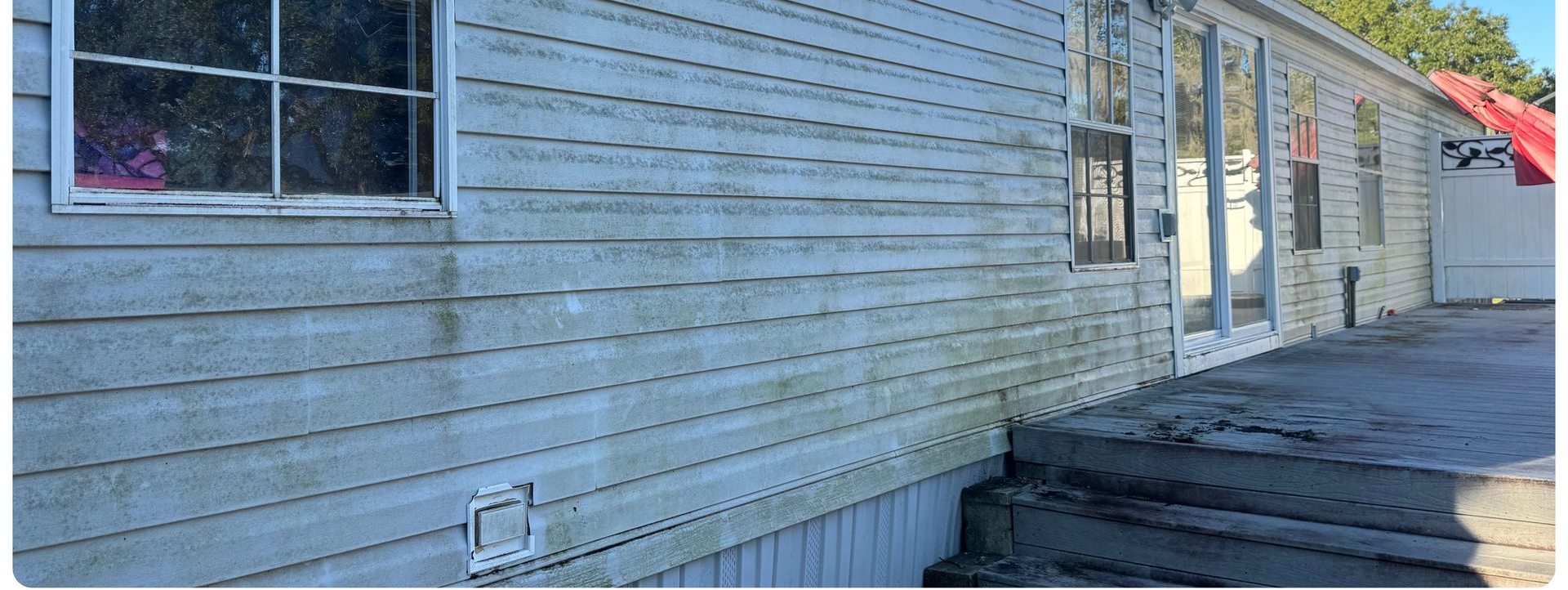
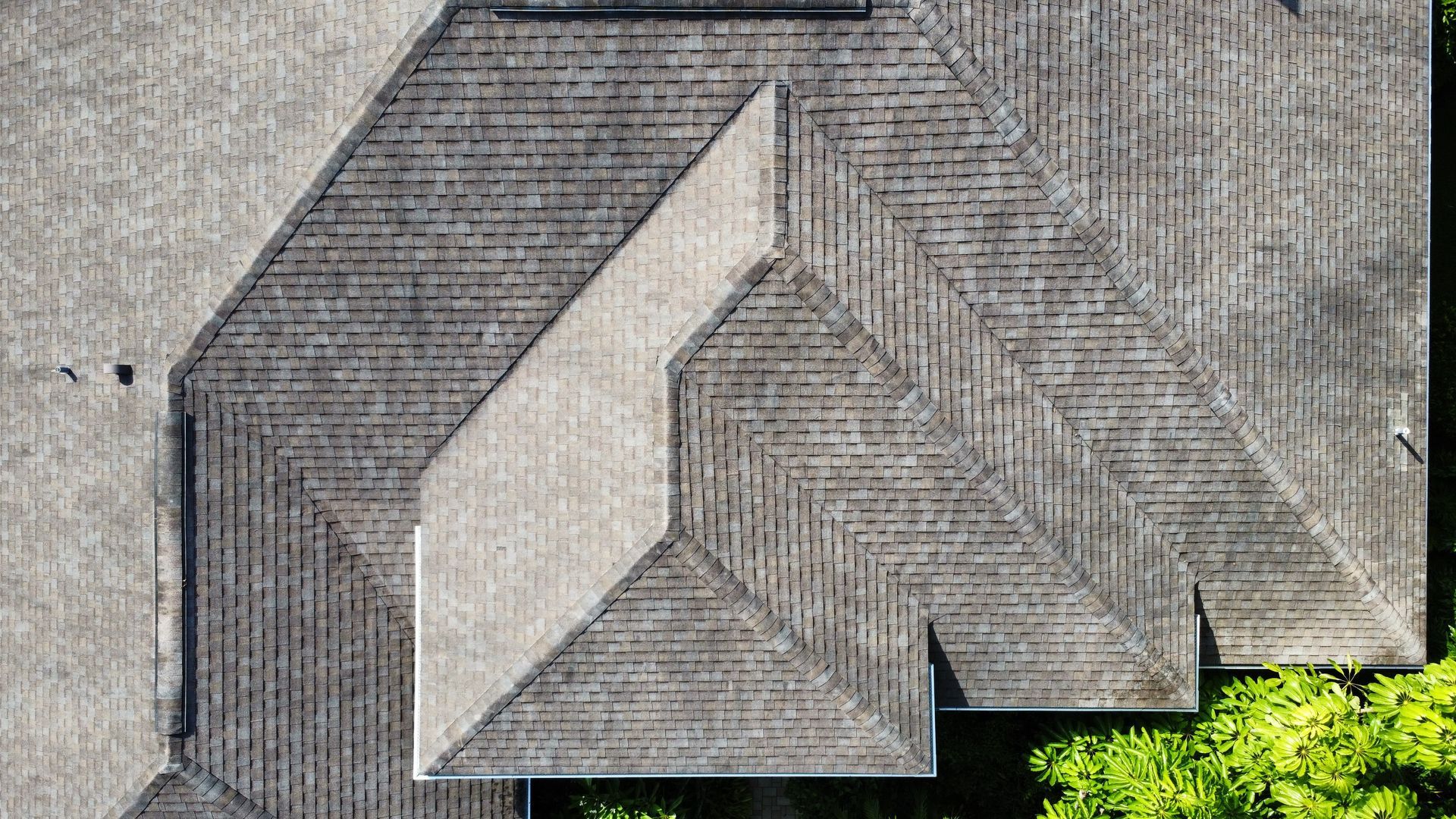
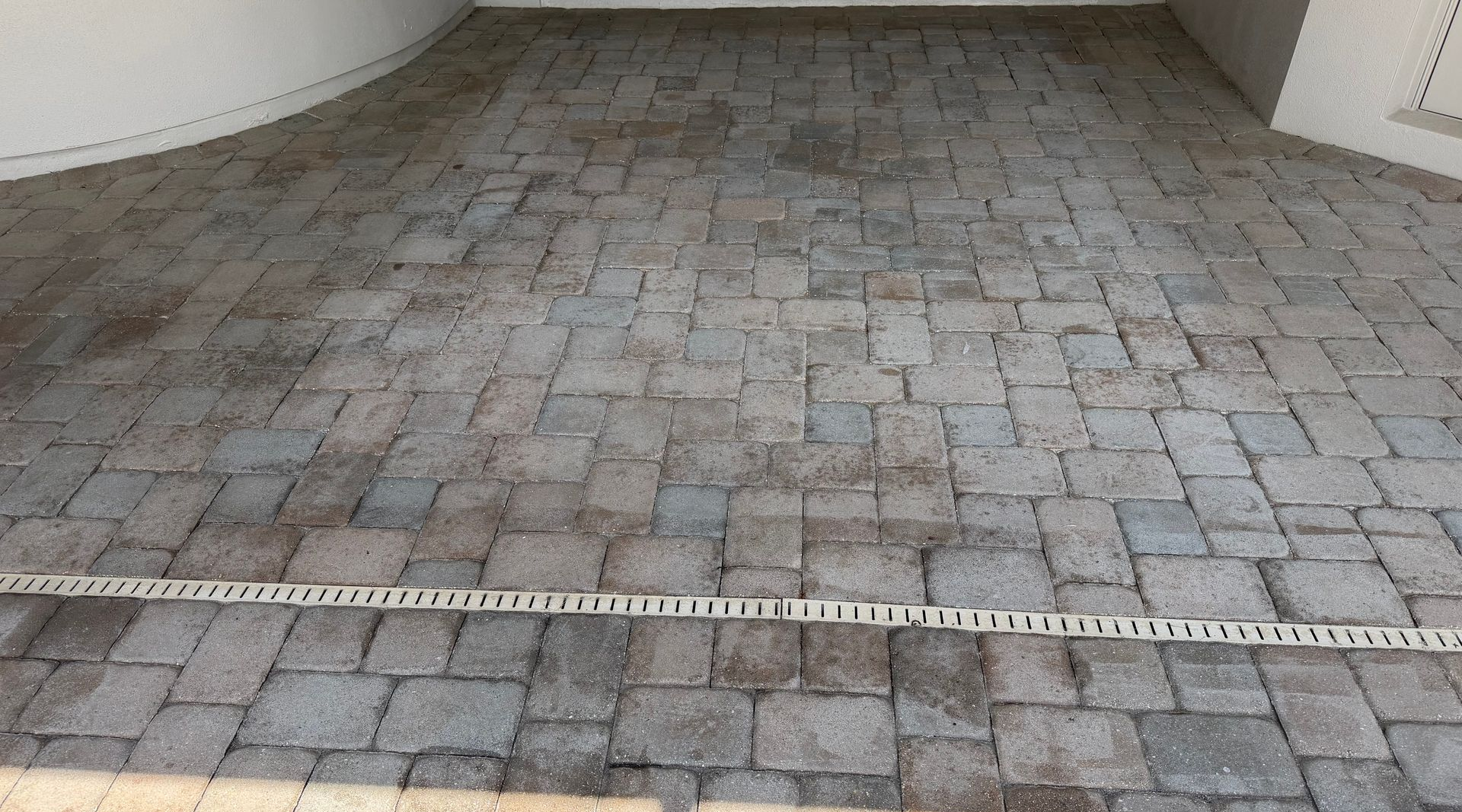
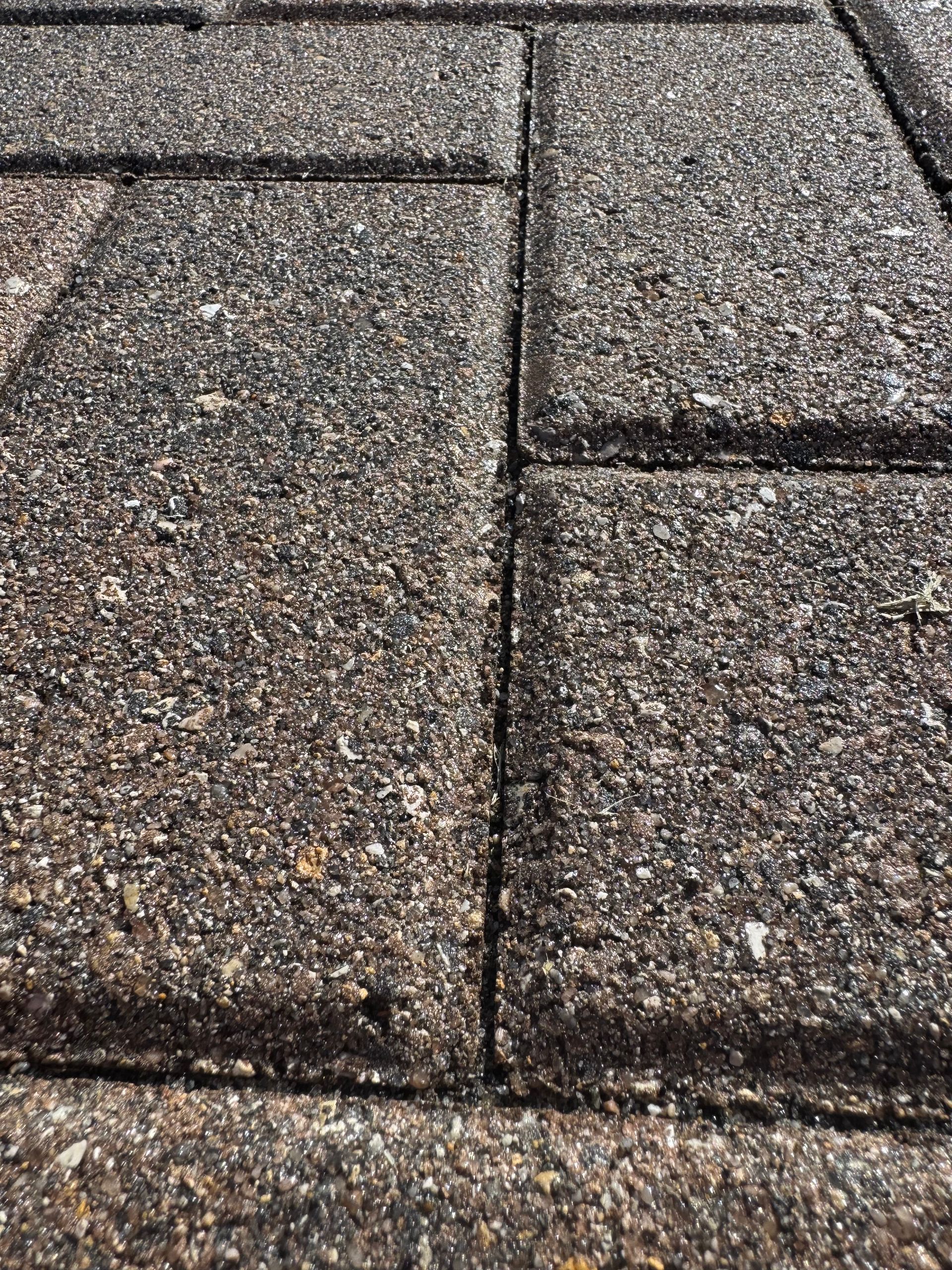
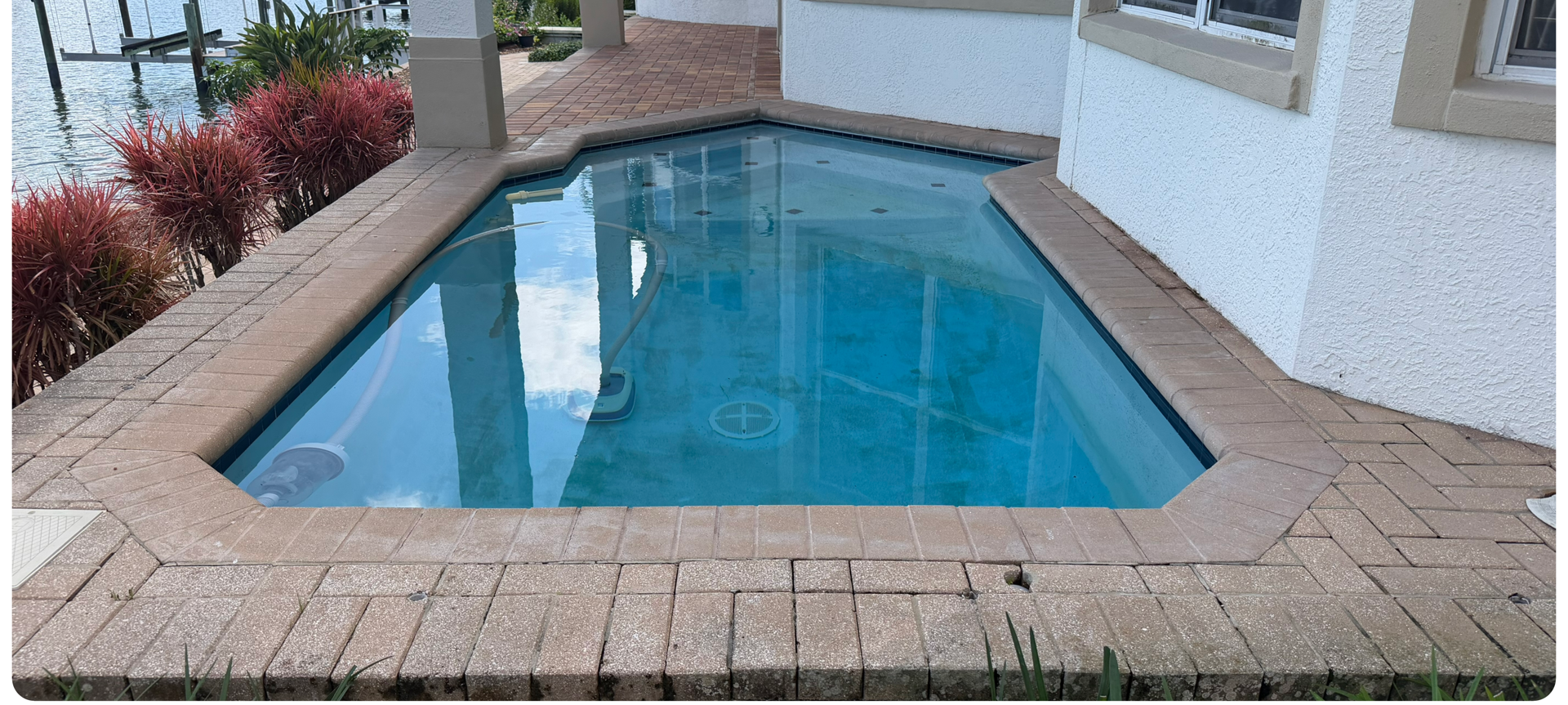
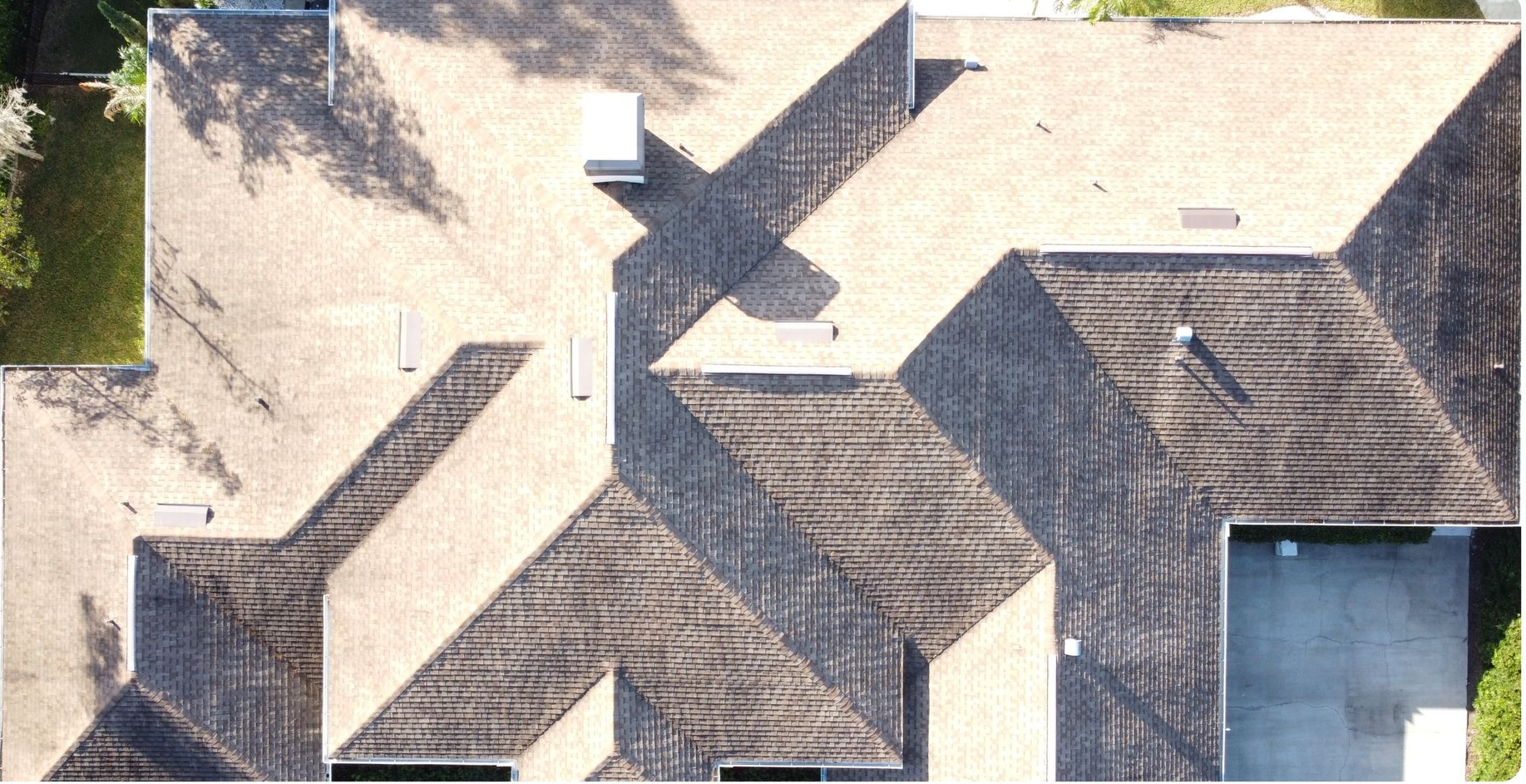
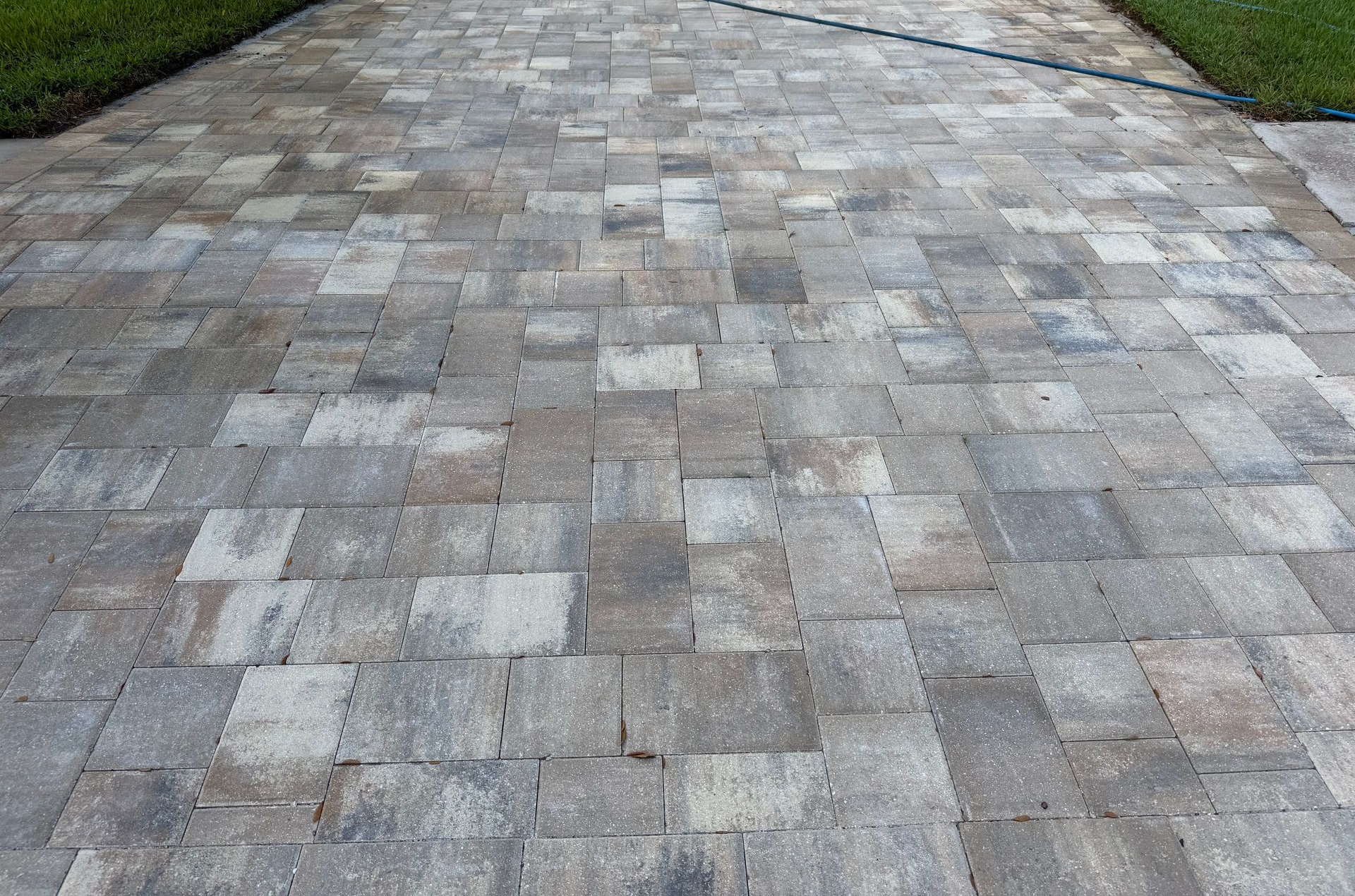
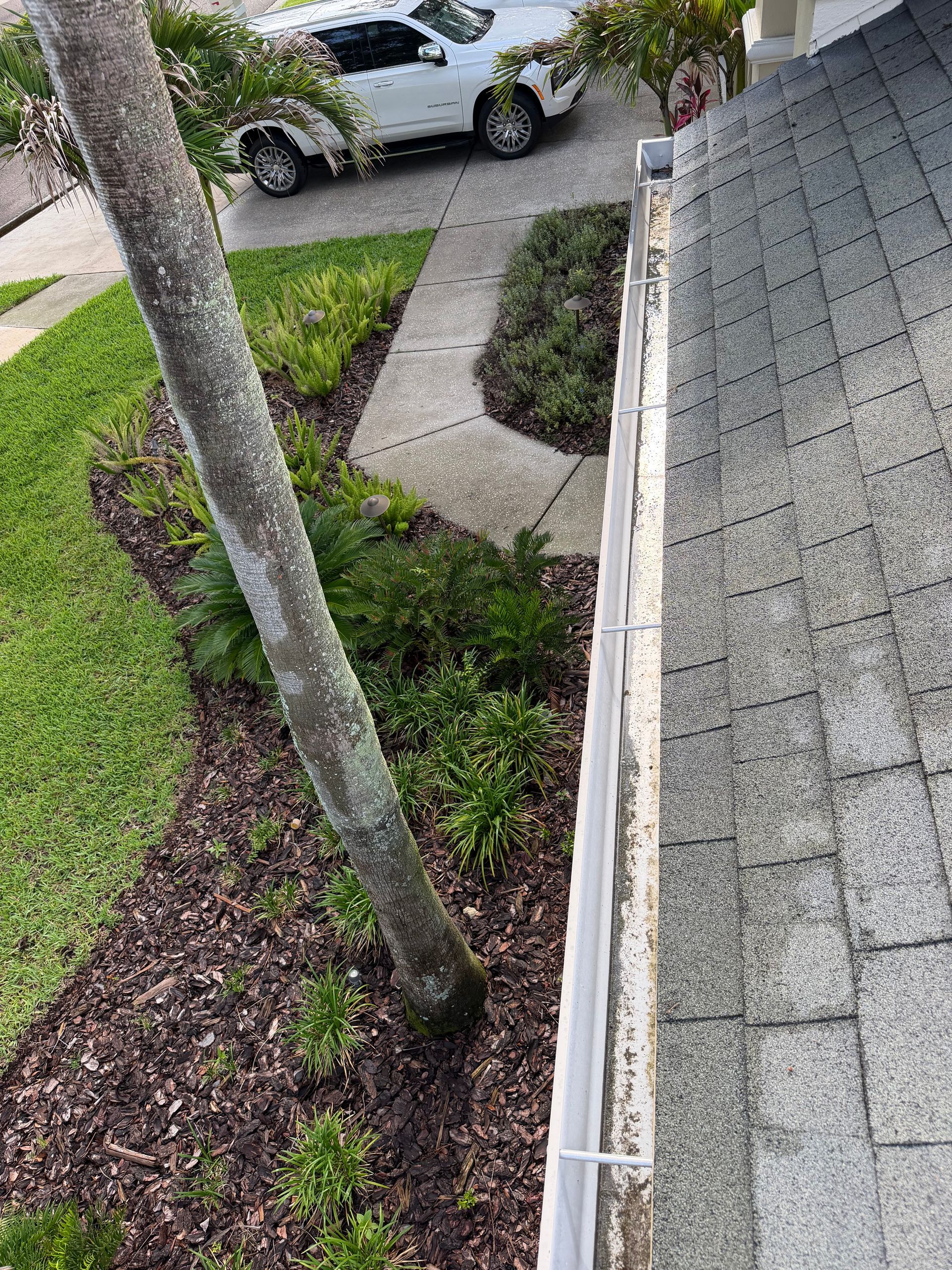
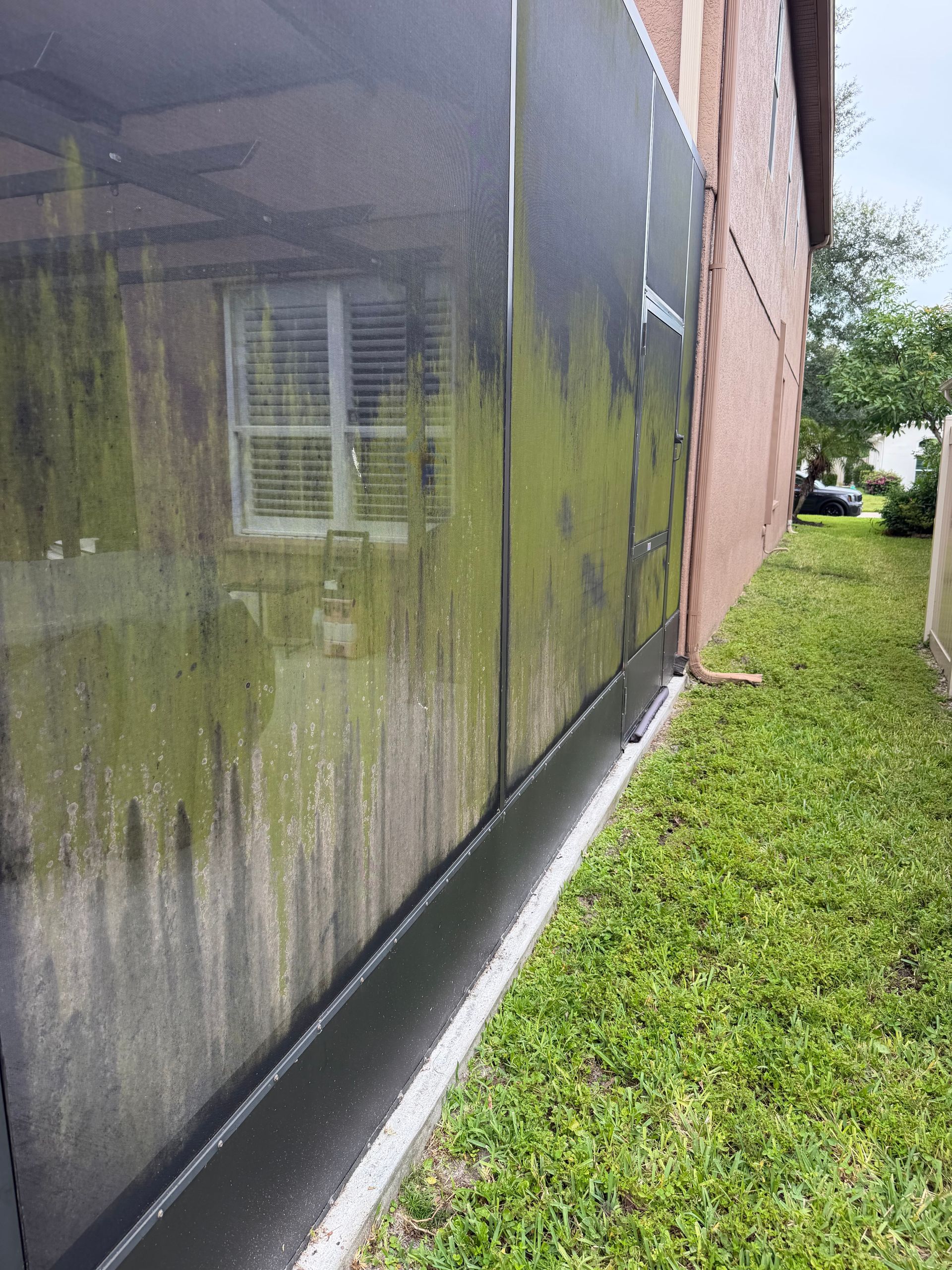
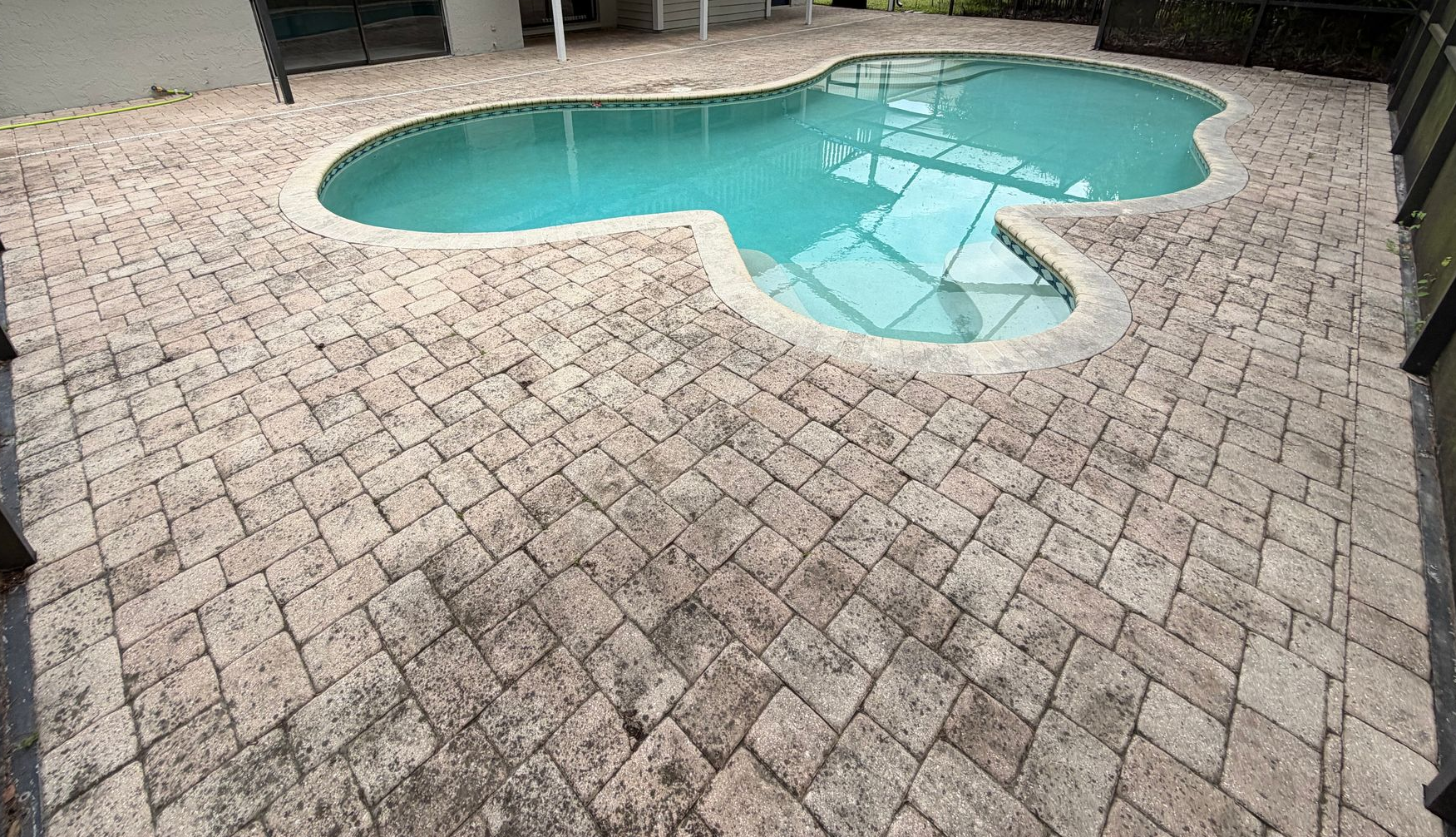
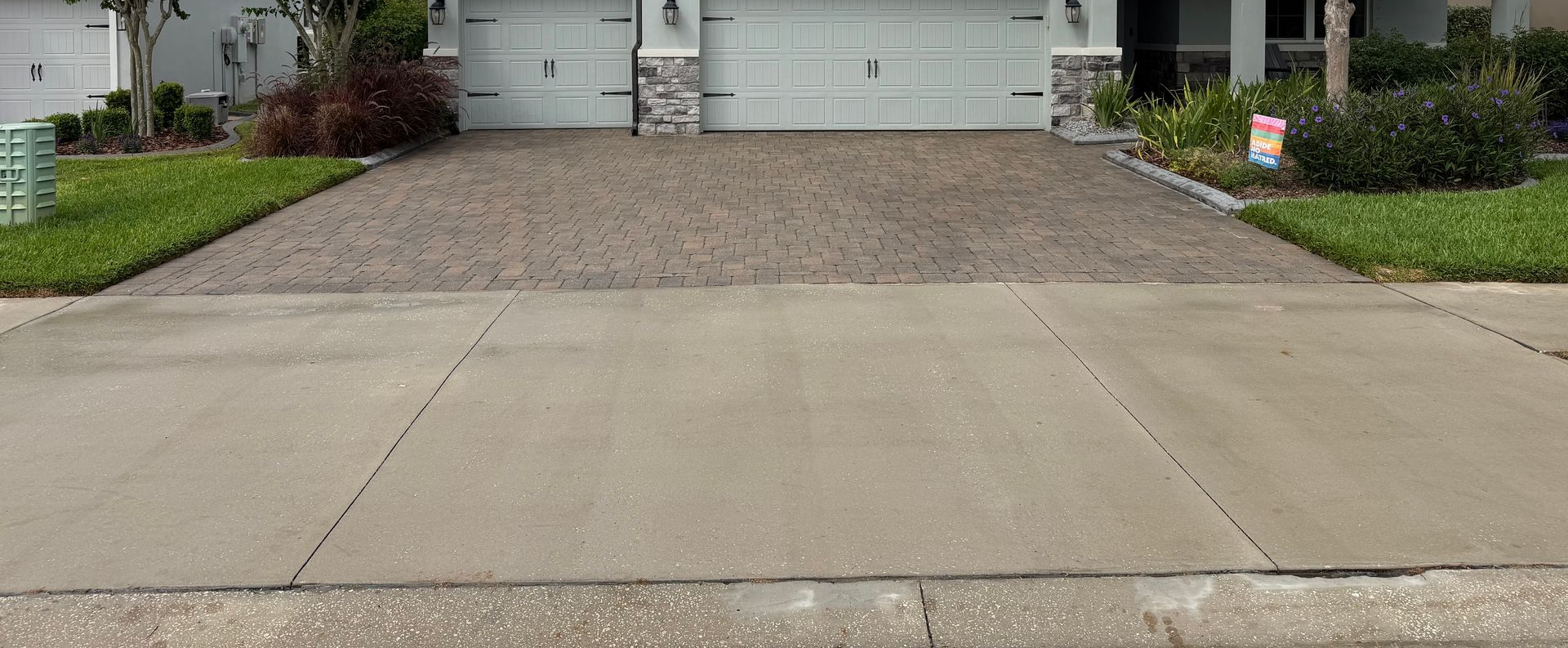
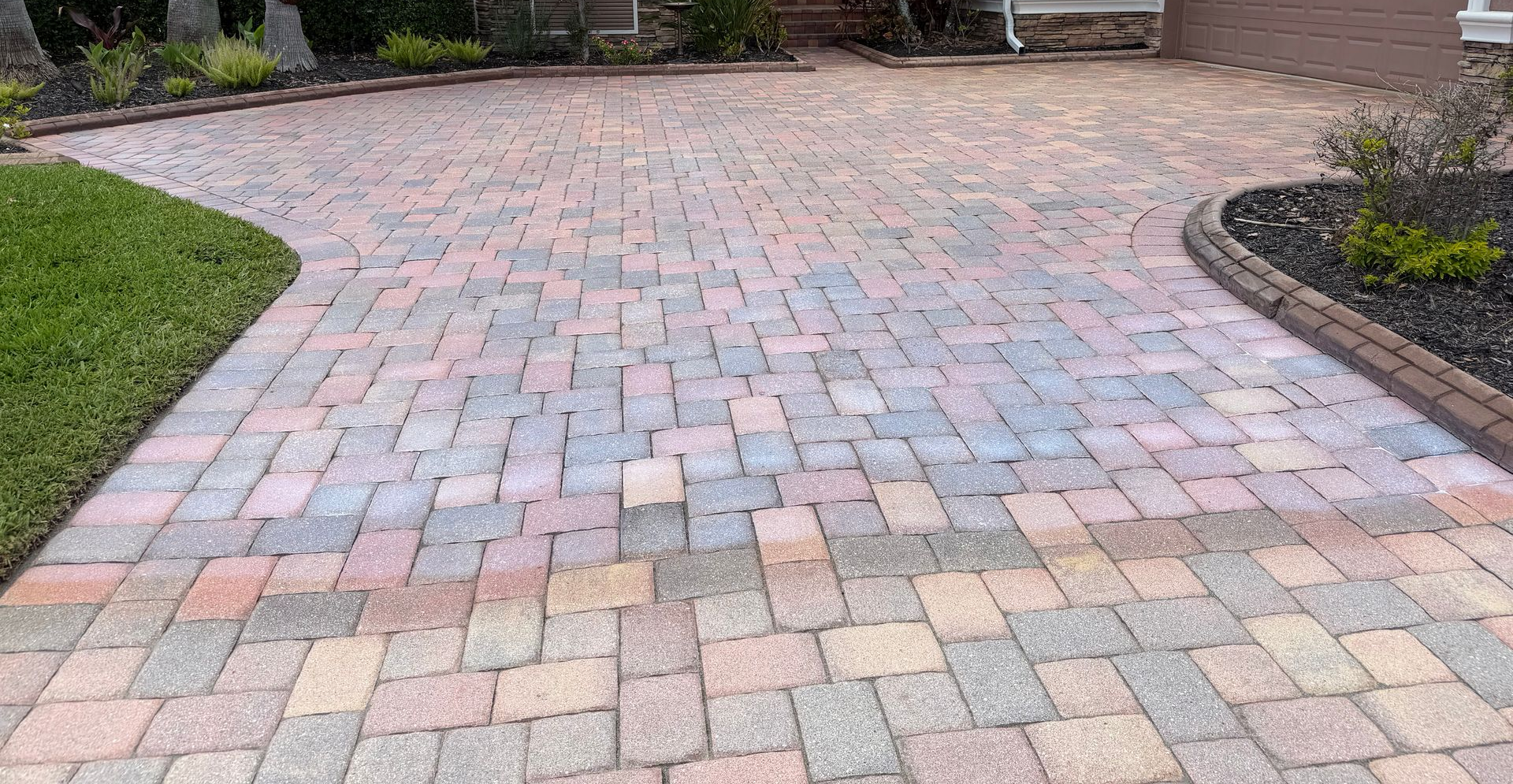
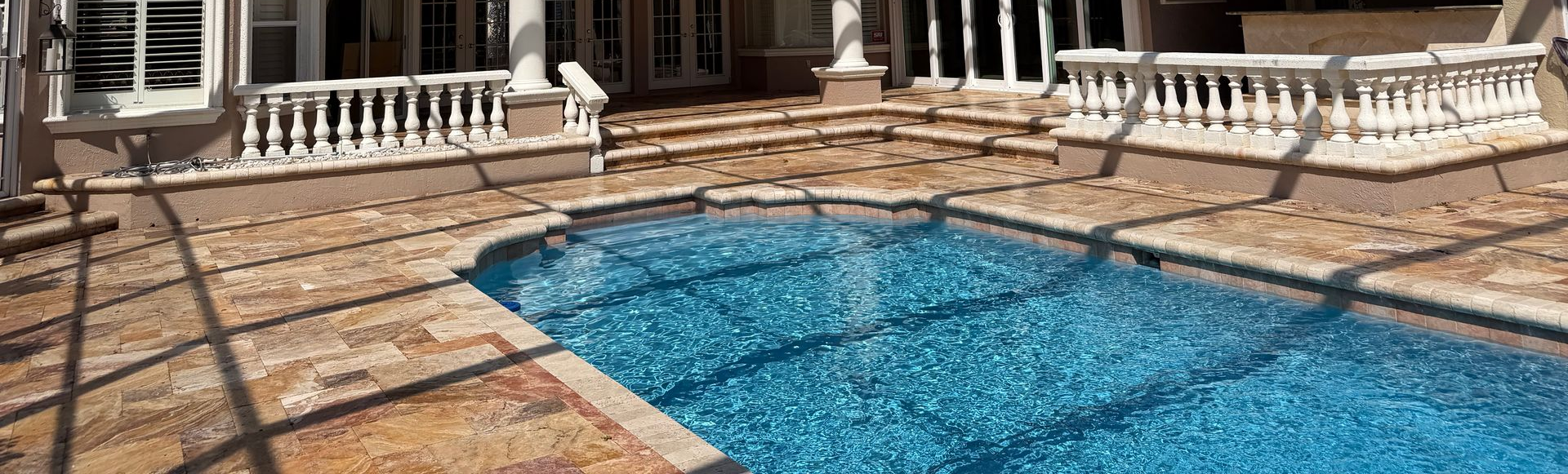
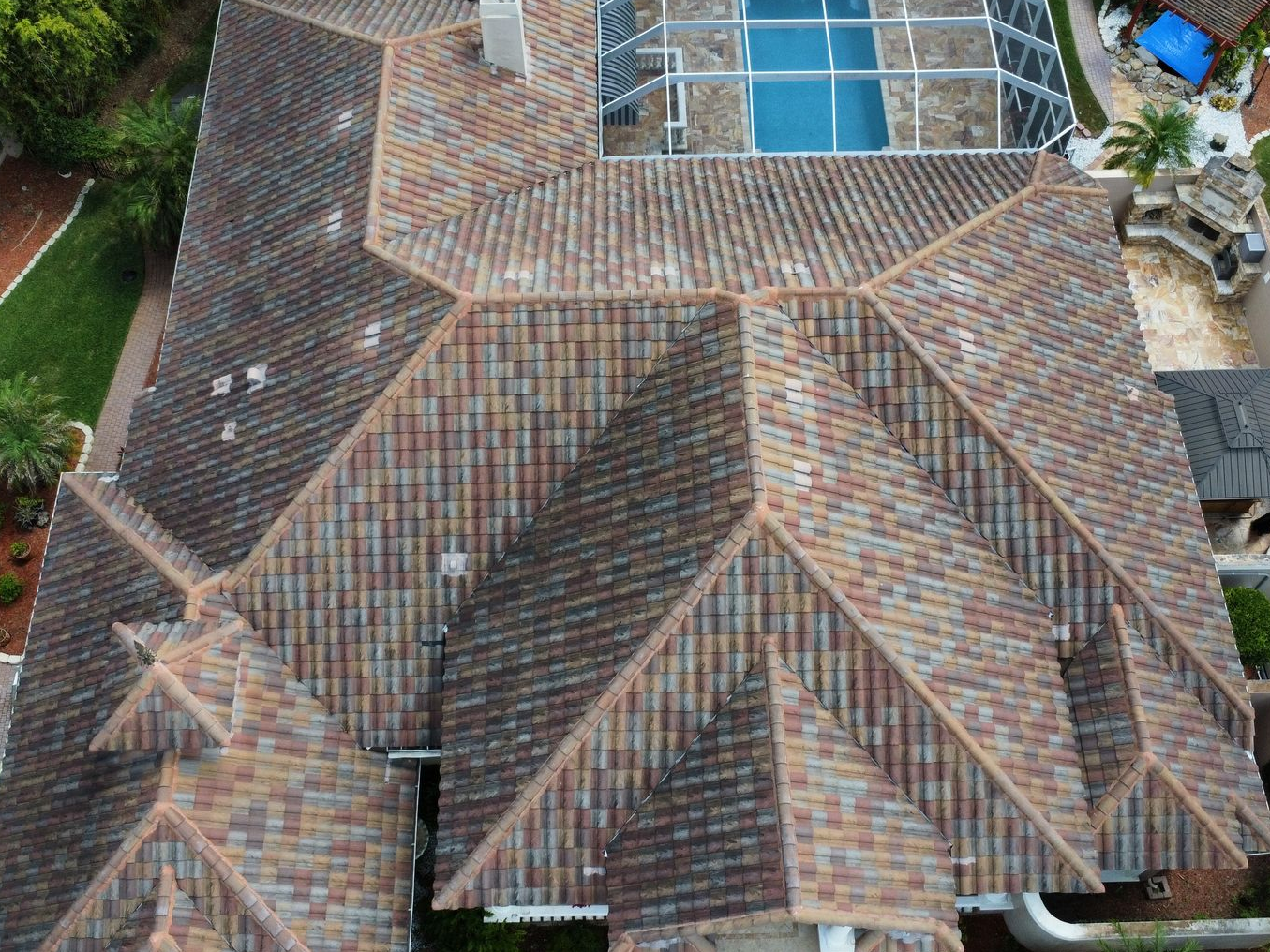
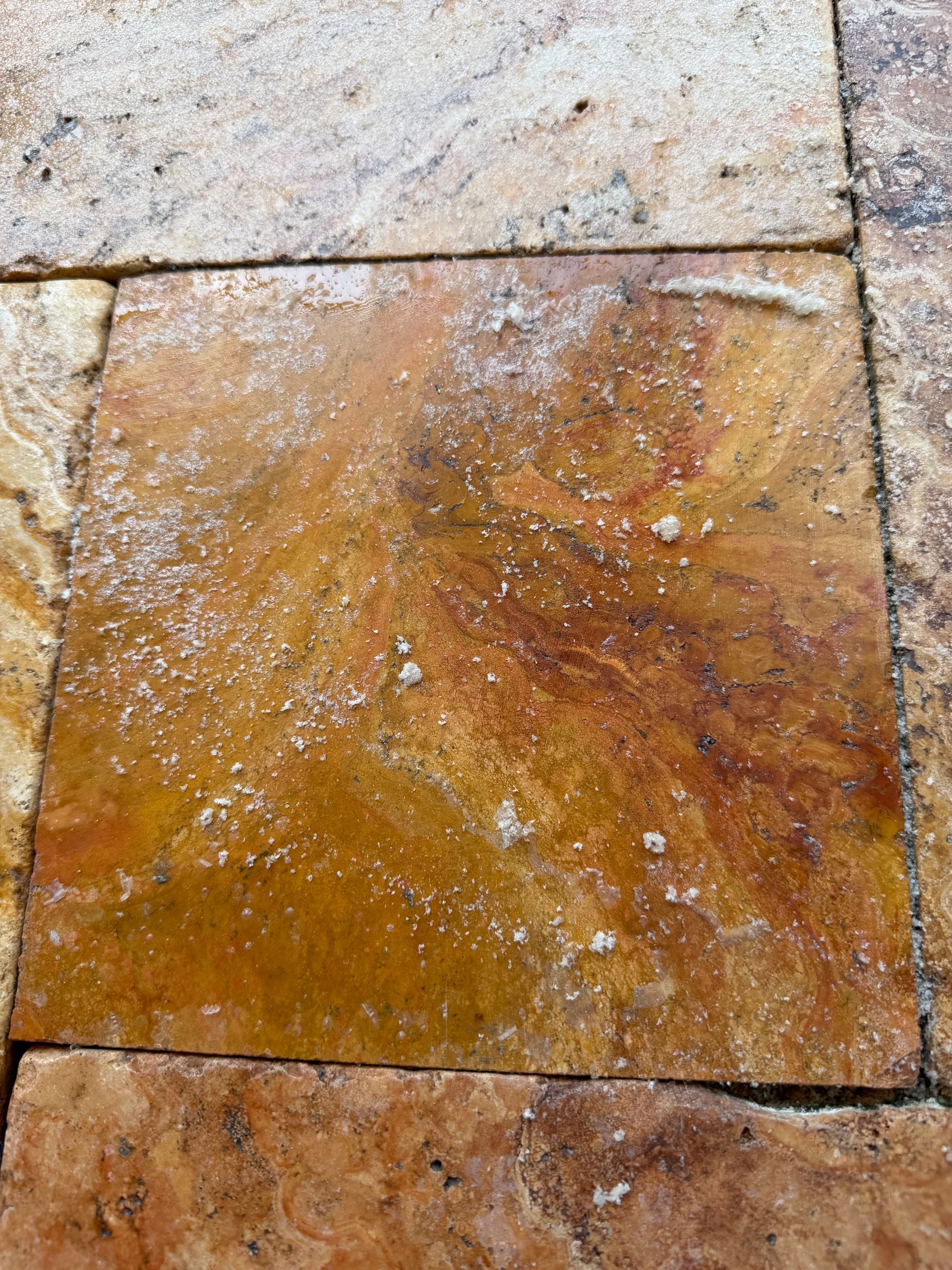
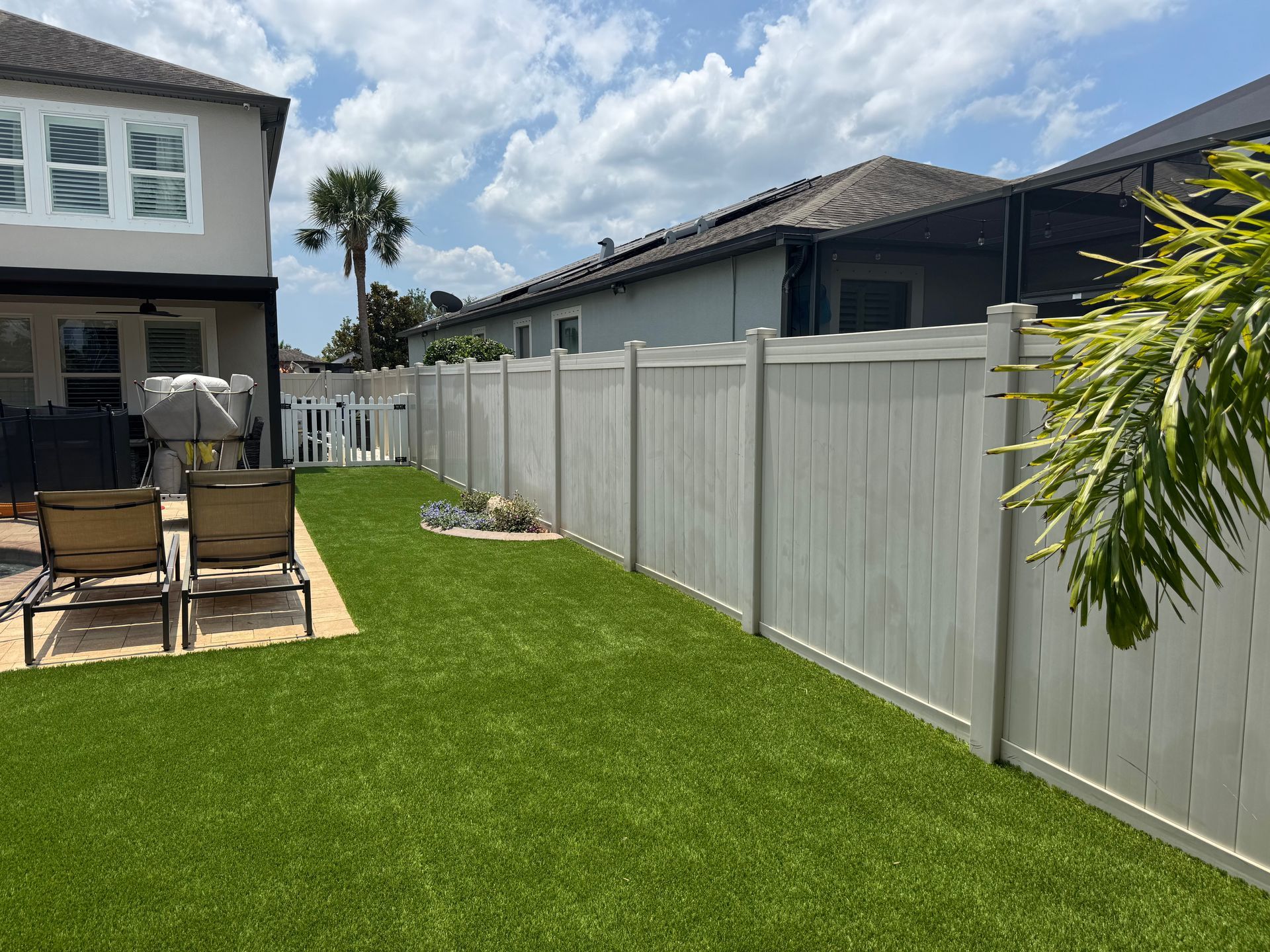
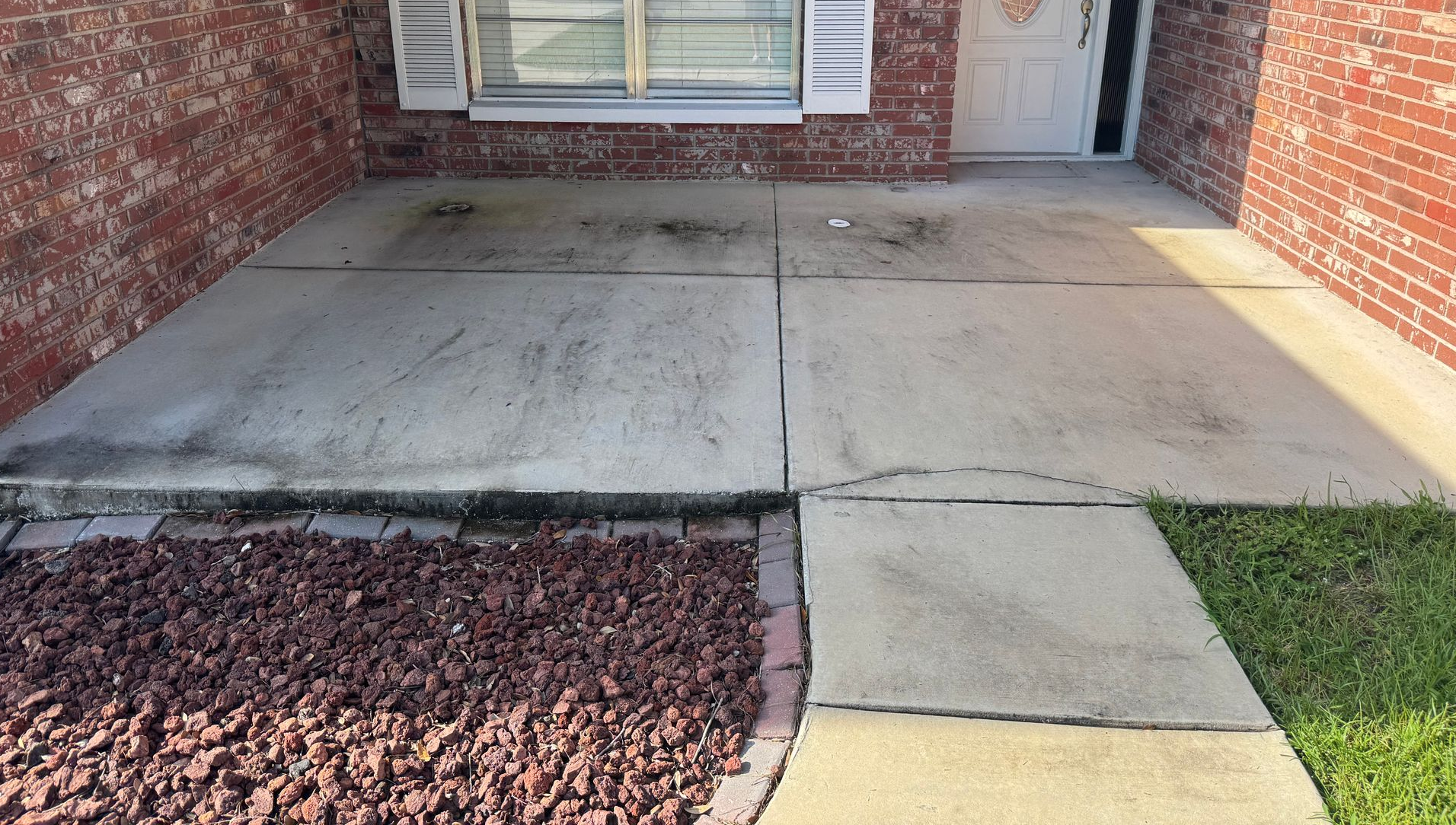
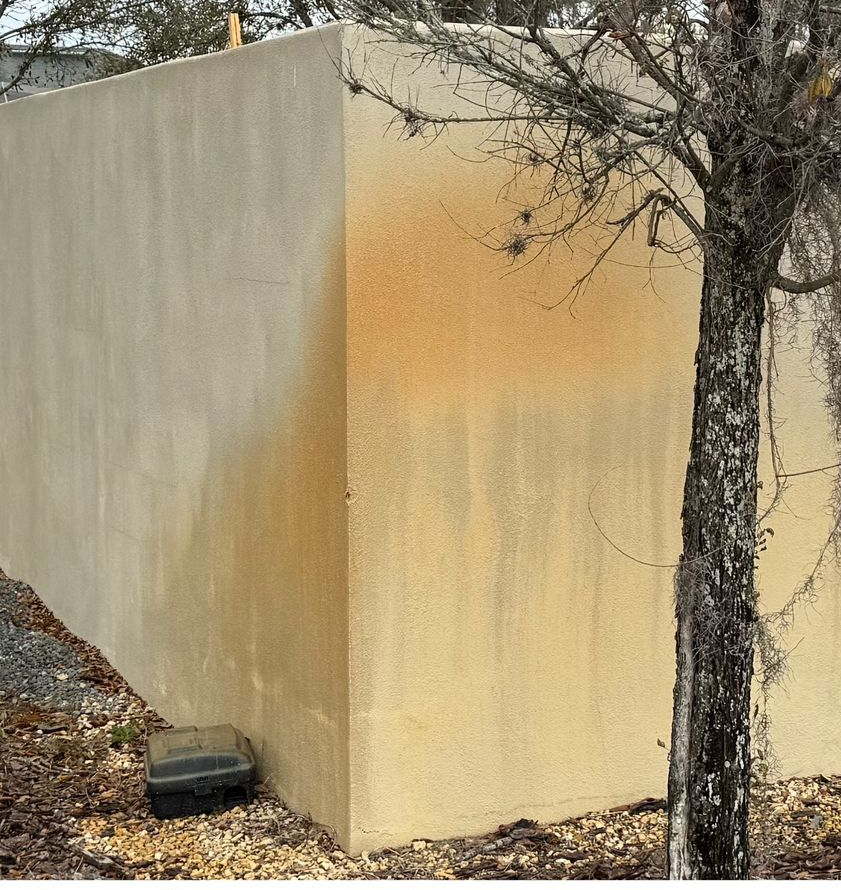
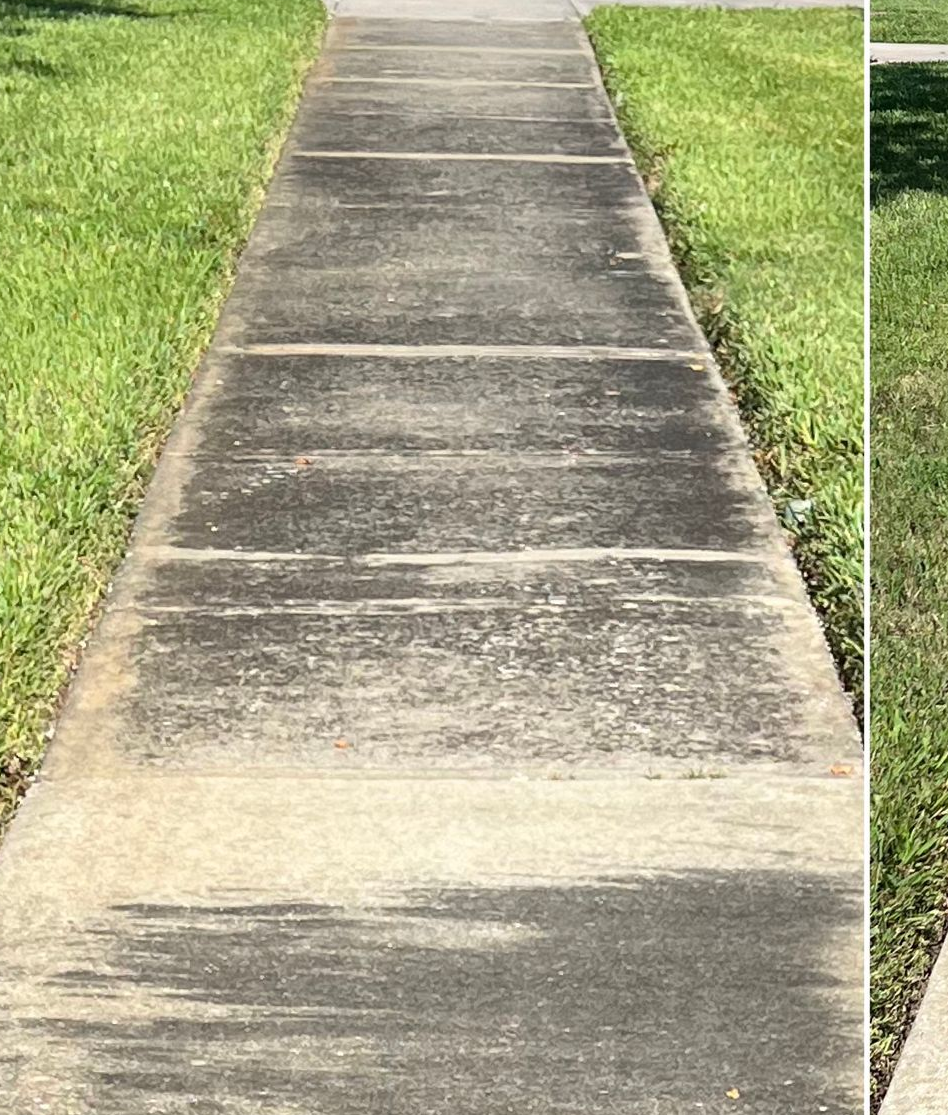
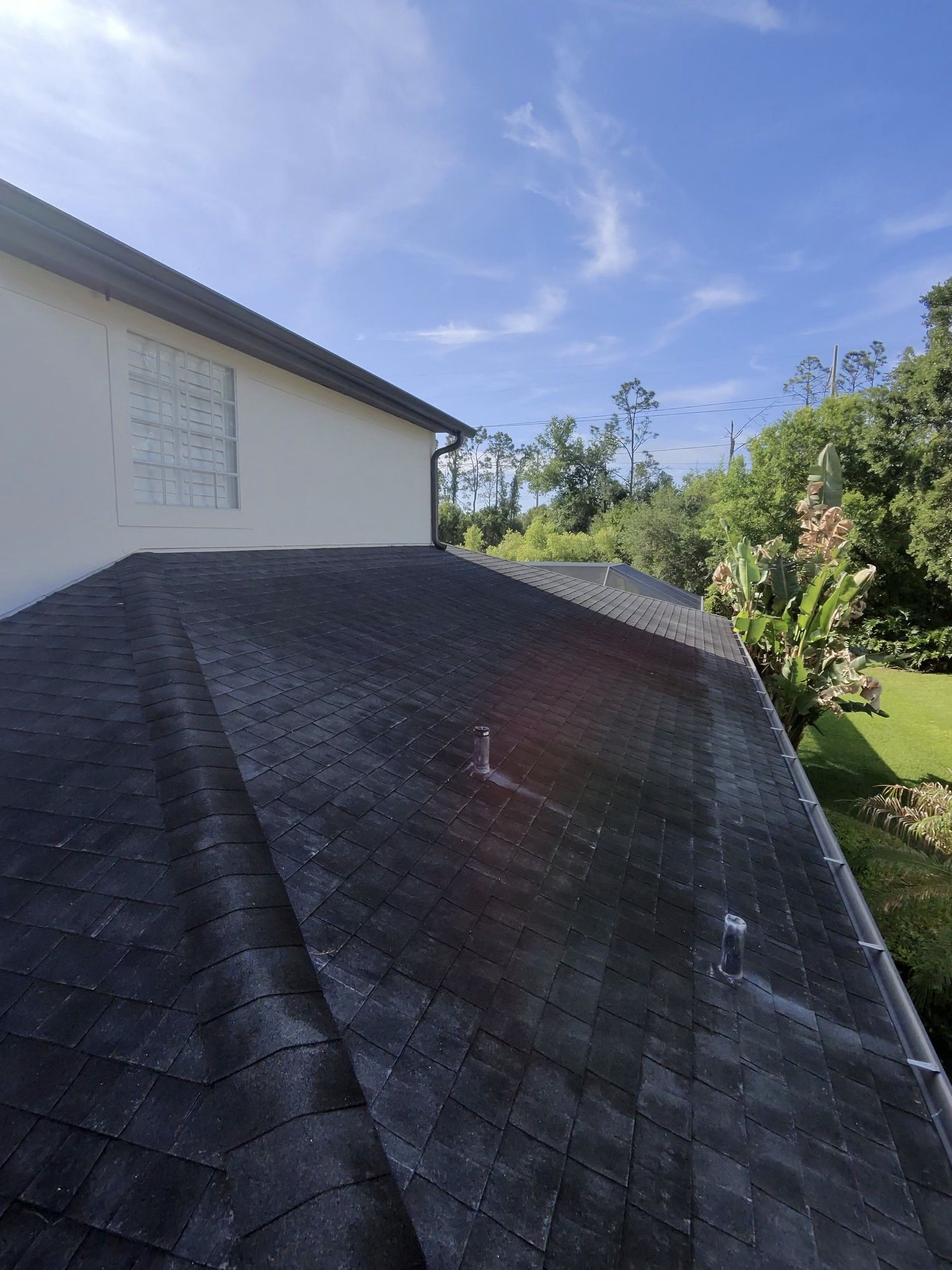
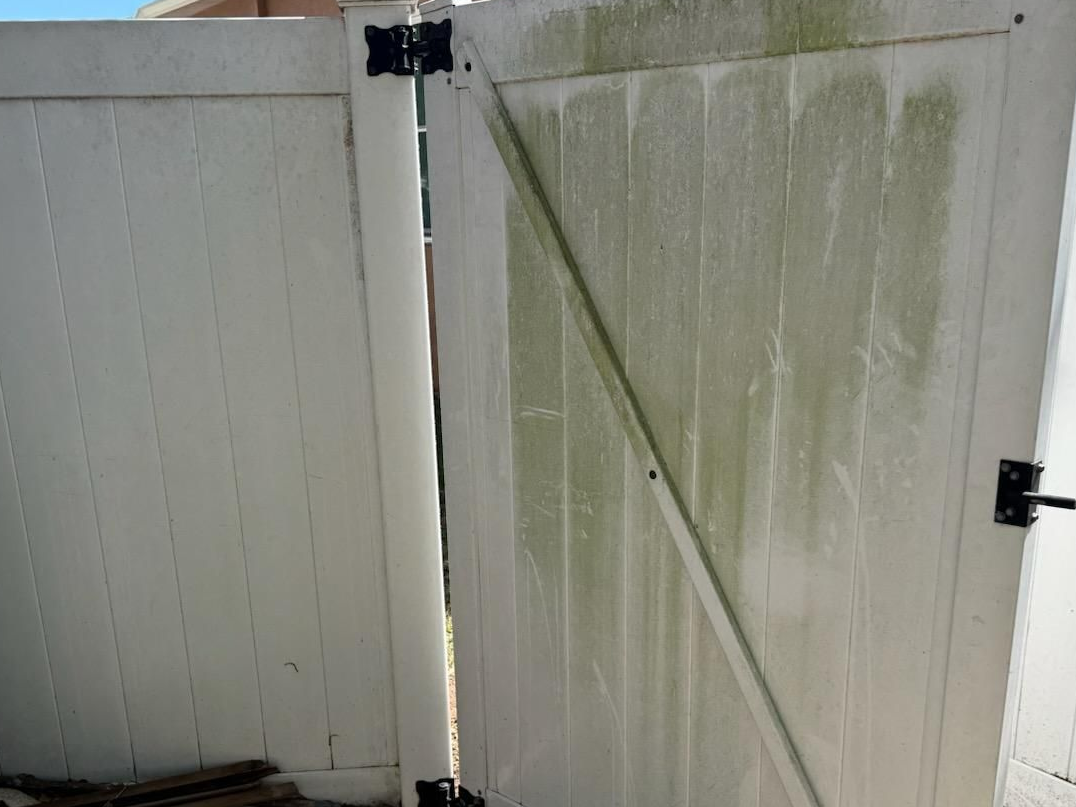
Why Avila’s Most Prestigious Homes Depend on Professional Pressure Washing Nestled behind guard gates and lined with oak canopies, Avila stands as one of Tampa Bay’s most exclusive addresses. It’s a community defined by architectural distinction, manicured grounds, and property values that reflect decades of pride in ownership. But there’s a maintenance truth that even the most attentive Avila homeowner can overlook: the exterior of a luxury home is under constant assault from Florida’s climate, and without a proactive cleaning strategy, even the finest estate will show it. This isn’t about curb appeal in a superficial sense. For homes in Avila and across Tampa Bay’s high-end neighborhoods, regular exterior cleaning is a matter of asset protection, property value preservation, and long-term structural integrity. Let’s break down why professional pressure washing and soft washing have become a non-negotiable part of luxury home ownership. Florida’s Climate Is Uniquely Hard on Exteriors Tampa Bay homeowners live with a combination of environmental stressors that few other regions face simultaneously: intense UV exposure, near-constant humidity, seasonal torrential rain, and a subtropical climate that’s practically an incubator for organic growth. Algae, mold, mildew, and lichen don’t just appear on neglected properties — they appear on every property, luxury or otherwise, because the climate simply demands it. Avila’s tree-lined streets and abundant landscaping, while part of what makes the community so desirable, also create shaded, moisture-retaining microclimates around rooflines, driveways, and hardscapes. Shade plus humidity is the exact recipe organic growth needs to thrive. That black streaking you see on tile roofs throughout Tampa Bay isn’t dirt — it’s a living, spreading bacteria colony called Gloeocapsa magma, and it doesn’t stop growing on its own. It spreads, deepens, and eventually begins to affect the surface it’s living on. The Hidden Cost of “It’s Just Cosmetic” Many homeowners assume that algae staining, paver discoloration, or a dingy driveway is purely an aesthetic issue — something to address “eventually.” In reality, deferred exterior maintenance compounds into real financial consequences: Roof degradation. Algae and lichen don’t just sit on top of roofing tiles or shingles — they root into the granules and grout lines, retaining moisture against the roofing material. Over time, this accelerates the breakdown of roofing materials, shortens the lifespan of the roof, and can even affect a home’s ability to pass insurance inspections. Many Florida insurers now require 4-point inspections before renewal, and a roof coated in biological growth can flag as a liability, even if the underlying structure is sound. Paver and hardscape breakdown. Tampa Bay’s luxury homes are known for their elaborate paver driveways, pool decks, and walkways. Without regular cleaning and resealing, pavers become porous to organic growth, which works its way into joints and can cause shifting, cracking, and sand erosion over time. What starts as a cosmetic stain becomes a structural repair. Stucco and siding erosion. Mildew and algae growth on stucco exteriors trap moisture against the substrate, which can lead to cracking, staining that becomes permanent, and in severe cases, wood rot behind the surface. On a luxury home, exterior refinishing isn’t a small expense — it’s tens of thousands of dollars that could have been avoided with routine soft washing. Reduced resale value. Buyers touring luxury homes make snap judgments within the first ten seconds of arrival. A streaked roof, a grimy driveway, or algae-covered pool cage doesn’t just look unkempt — it signals to a buyer’s agent that other maintenance may have been neglected too. In a market where luxury homes are compared square foot for square foot, exterior condition can directly move the needle on appraised value. Why HOA Communities Like Avila Have Even Higher Stakes Avila is one of many Tampa Bay HOA-governed communities where architectural review boards and community standards documents explicitly address exterior cleanliness. Roof staining, driveway discoloration, and visible mildew on fencing or exterior walls are common violation triggers. For homeowners, that means: Formal violation notices that create friction with HOA boards Compliance deadlines that force reactive, rushed cleaning decisions Community-wide property value implications, since one neglected home can affect buyer perception of an entire street Proactive, scheduled cleaning avoids all of this. Instead of waiting for a violation letter, homeowners who set up seasonal or bi-annual service maintain compliance automatically and never have to think about it. Soft Washing vs. Pressure Washing: Why the Method Matters on High-End Materials One of the biggest mistakes in the exterior cleaning industry — and a major differentiator for a homeowner choosing a provider — is treating every surface the same way. High pressure is appropriate for concrete driveways and certain hardscapes. It is absolutely not appropriate for: Tile and shingle roofs, where high PSI can crack tiles, strip protective granules, or force water beneath flashing Stucco exteriors, where aggressive pressure can etch or gouge the finish Painted surfaces and softwood trim, where pressure washing can blast away paint and even splinter wood Screen enclosures and pool cages, where high pressure can tear mesh Soft washing uses a lower-pressure application combined with specialized cleaning solutions to kill algae, mold, and mildew at the root — not just blast it off the surface. This is the method that protects the long-term integrity of high-end materials while still delivering a dramatic, lasting clean. For a luxury home with tile roofing, natural stone, or custom stucco finishes, choosing a provider that understands the difference between pressure washing and soft washing isn’t a preference — it’s a requirement. What “Done Correctly” Actually Looks Like For homeowners evaluating exterior cleaning providers, a few markers separate professional-grade work from a quick weekend hustle: 1. Surface-specific technique. A qualified provider assesses roofing material, paver type, stucco condition, and landscaping proximity before selecting pressure levels and cleaning solutions. 2. Proper chemical treatment, not just water. Water alone temporarily removes surface growth but leaves the root structure intact, meaning algae returns within months. A biocide treatment kills the organism, extending the clean significantly longer. 3. Protection of landscaping and hardscaping. Professional operators pre-treat and rinse surrounding plants, turf, and pool areas to prevent chemical damage — something an inexperienced crew can easily overlook. 4. Sealing after cleaning, when appropriate. For paver driveways and pool decks, cleaning is only half the equation. A quality sealant application after cleaning locks out future staining, blocks weed growth between joints, and enhances the color and finish of the pavers. 5. Commercial-grade equipment and insured crews. Luxury properties carry real liability exposure. Homeowners should always confirm a provider carries general liability insurance before any equipment touches a roof, gutter, or second-story window. Building a Maintenance Calendar, Not a One-Time Fix The homeowners who protect their investment most effectively are the ones who treat exterior cleaning as a recurring maintenance item, not a one-off event triggered by embarrassment before a party or an HOA notice. A reasonable cadence for Tampa Bay’s climate looks like: Roof soft washing: every 12–24 months, depending on tree coverage and shade exposure Driveway and paver cleaning: every 6–12 months, with resealing every 2–3 years House washing (stucco/siding): every 12 months Pool cage and screen enclosure cleaning: every 6–12 months Gutter cleaning: at minimum twice yearly, more often with heavy oak or pine coverage Homes in Avila, with their dense tree canopy, often benefit from slightly more frequent service than open, sun-exposed neighborhoods, since organic growth accelerates faster in shaded, humid conditions. Protecting an Investment, Not Just a House At the end of the day, a luxury home in Avila or anywhere across Tampa Bay represents one of the largest financial investments a family will make. The landscaping, the architecture, the pool, the outdoor living spaces — all of it is designed to be enjoyed and to hold its value over time. Letting exterior grime, algae, and organic growth accumulate doesn’t just diminish the way a home looks; it actively works against the value that’s been built into the property. Regular, professionally executed pressure washing and soft washing isn’t an indulgence reserved for homes preparing to sell. It’s a maintenance standard that the most well kept luxury properties in Tampa Bay have already adopted, and it’s one of the simplest, highest-return investments a homeowner can make in protecting their property. For homeowners in Avila and throughout Hillsborough, Pinellas, and Pasco counties, the choice isn’t whether exterior cleaning matters — it’s choosing a provider who treats every surface with the technical care a high-end property deserves. A home built to this standard deserves to be maintained to the same standard, inside and out. Serving Avila and the greater Tampa Bay area with premium exterior cleaning for luxury homes, HOA communities, and commercial properties — because a home this well-built deserves to be maintained the right way.