Why the Right Amount of Sand on Your Pavers Makes All the Difference

Casey West • July 20, 2025

Sand?

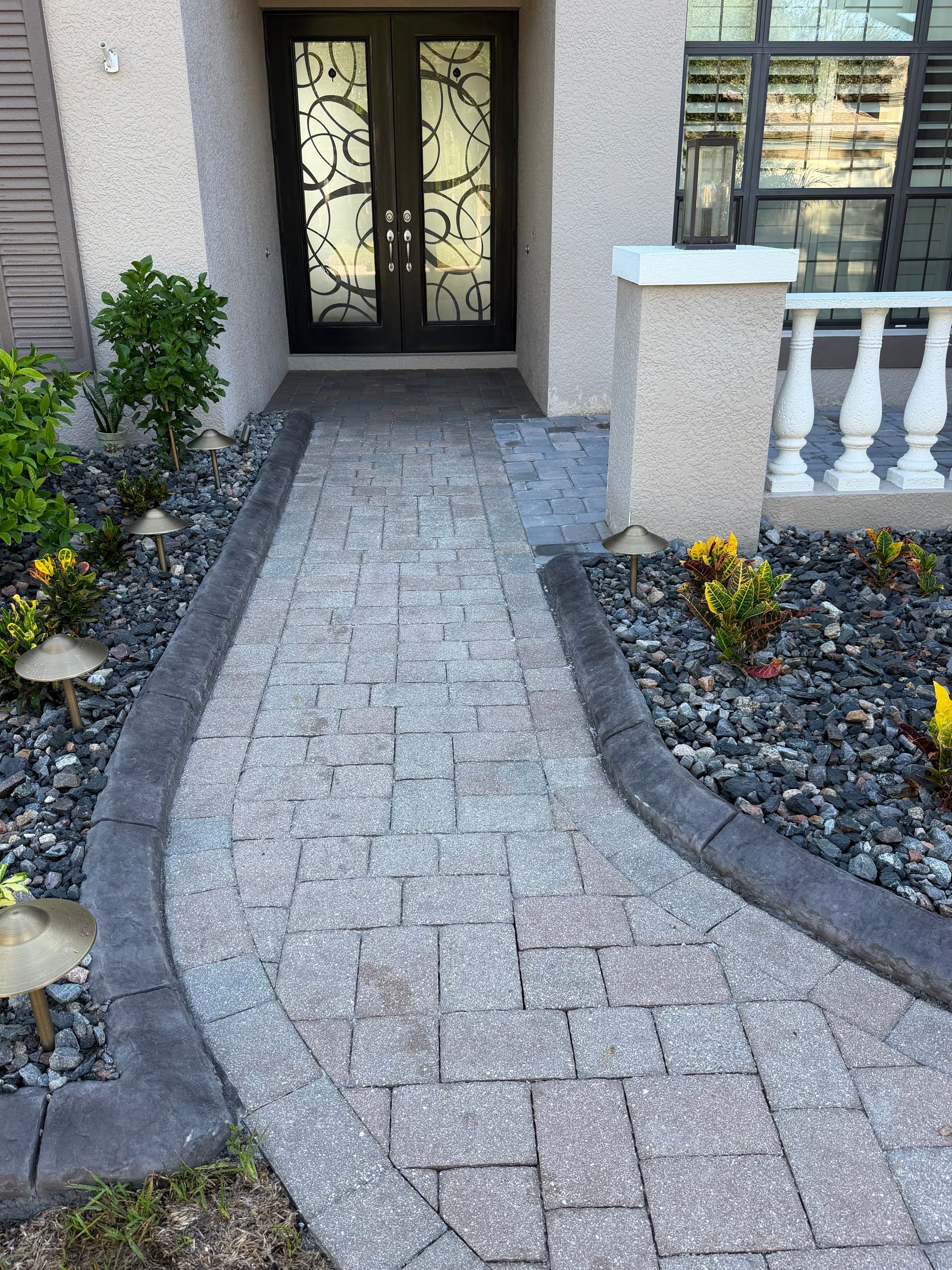
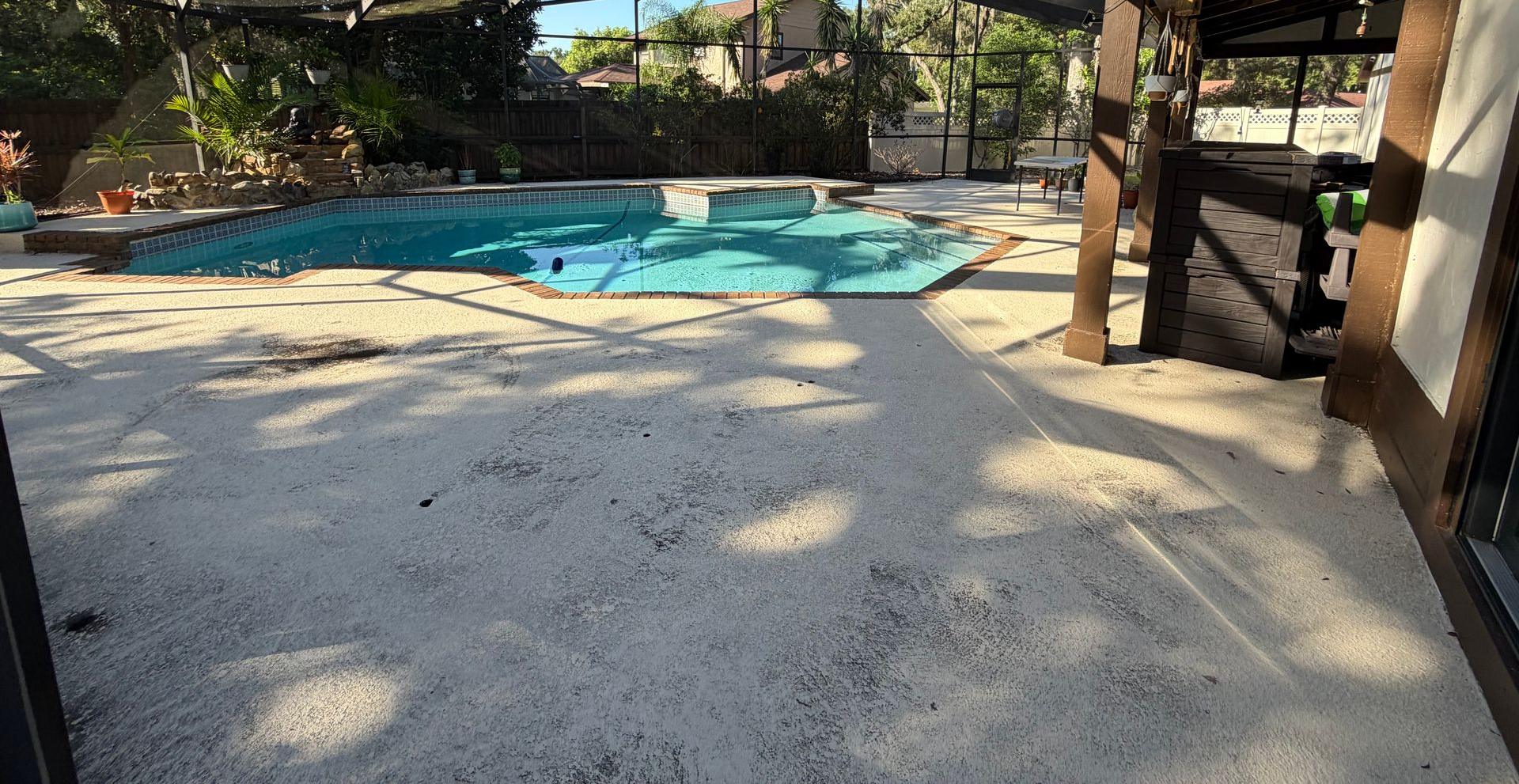
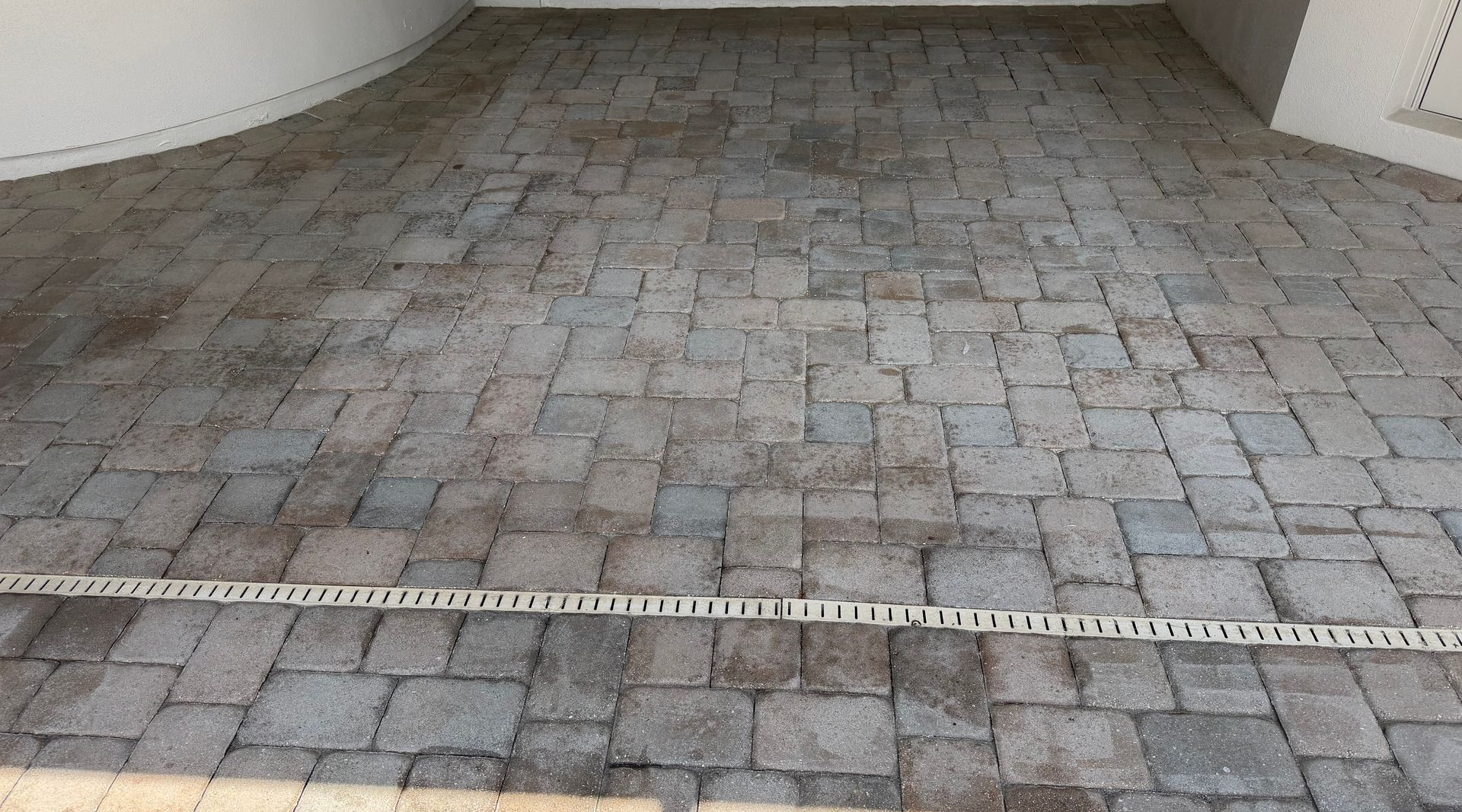
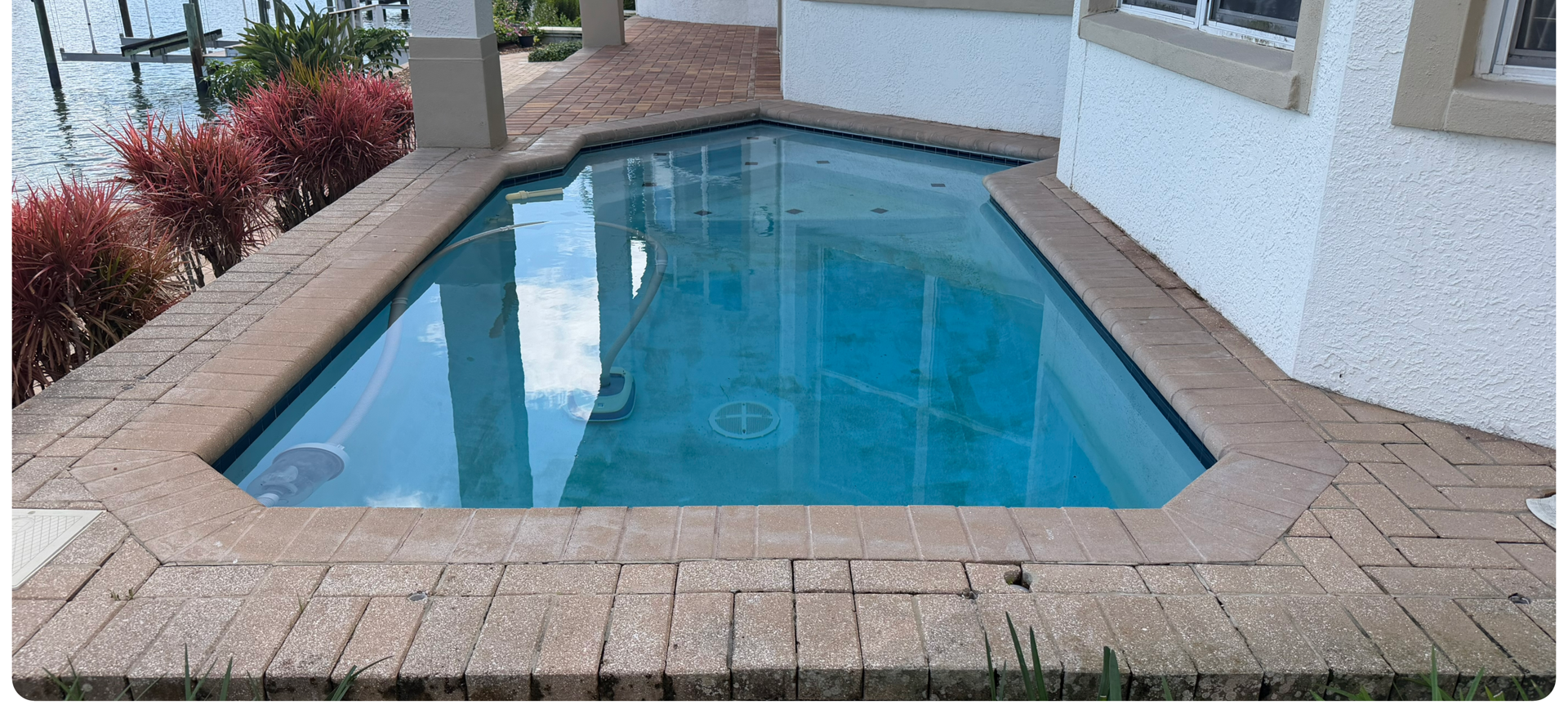
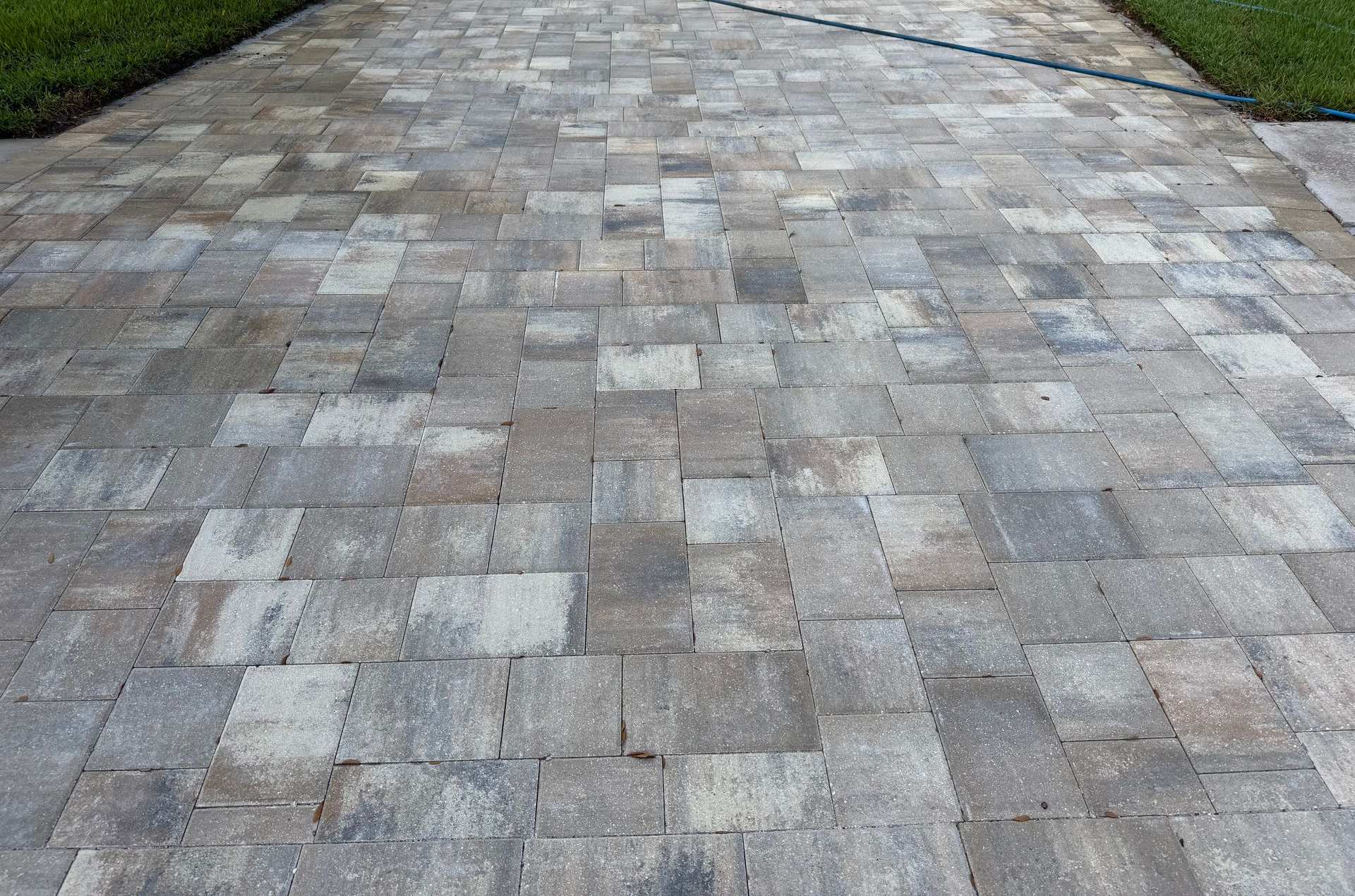
When it comes to hardscape projects like patios, walkways, or driveways, few materials are as versatile and attractive as pavers. They offer a clean, polished look and can transform any outdoor space into a more functional and inviting area. But beneath their beauty lies an often overlooked detail that makes all the difference, the sand between the joints.

Many homeowners and even some DIYers underestimate how critical the proper amount of joint sand is to both the look and longevity of a paver installation. Here's why getting this detail right is essential for a beautiful, long-lasting surface.

1. Structural Stability Starts with Sand

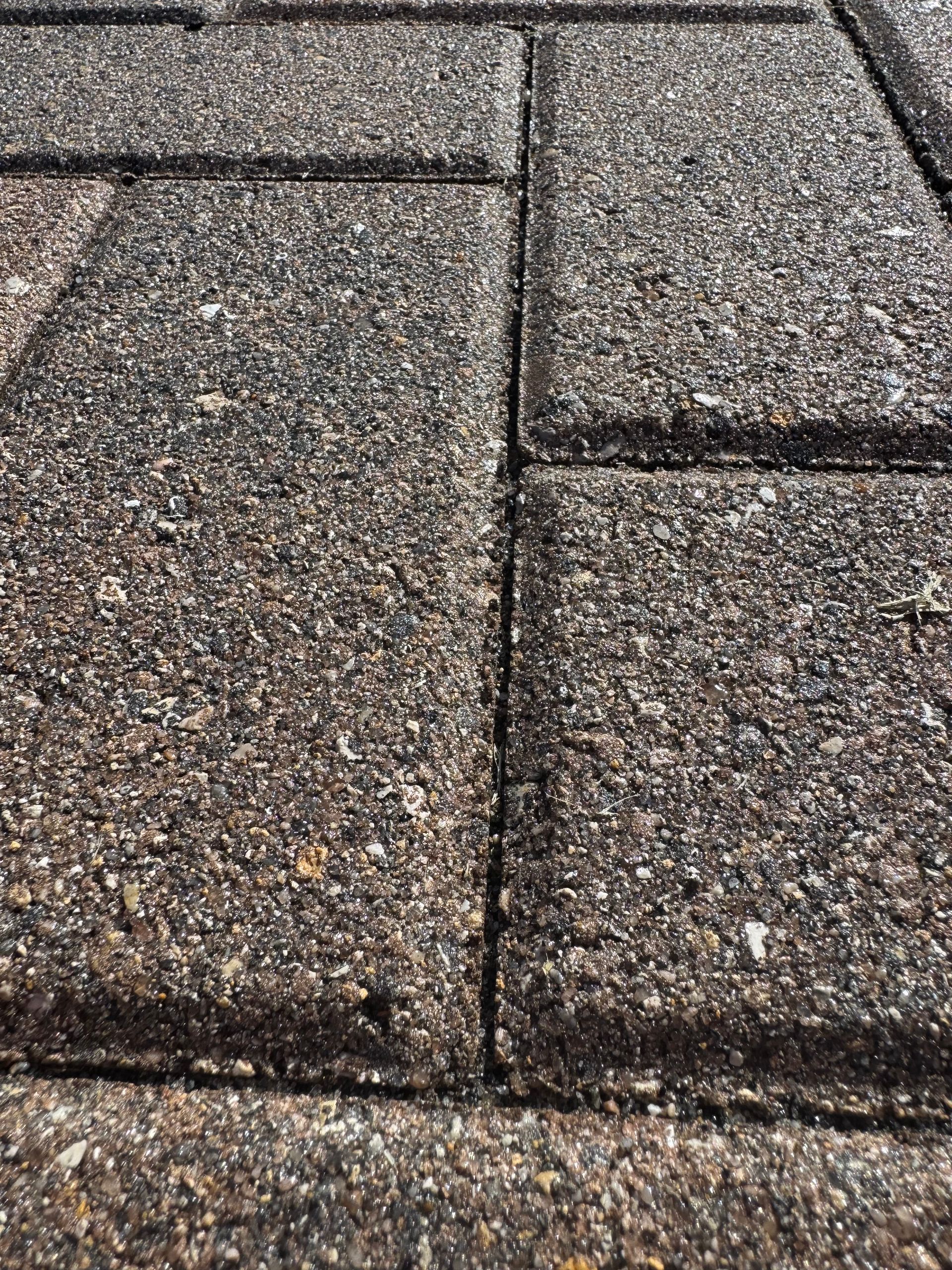
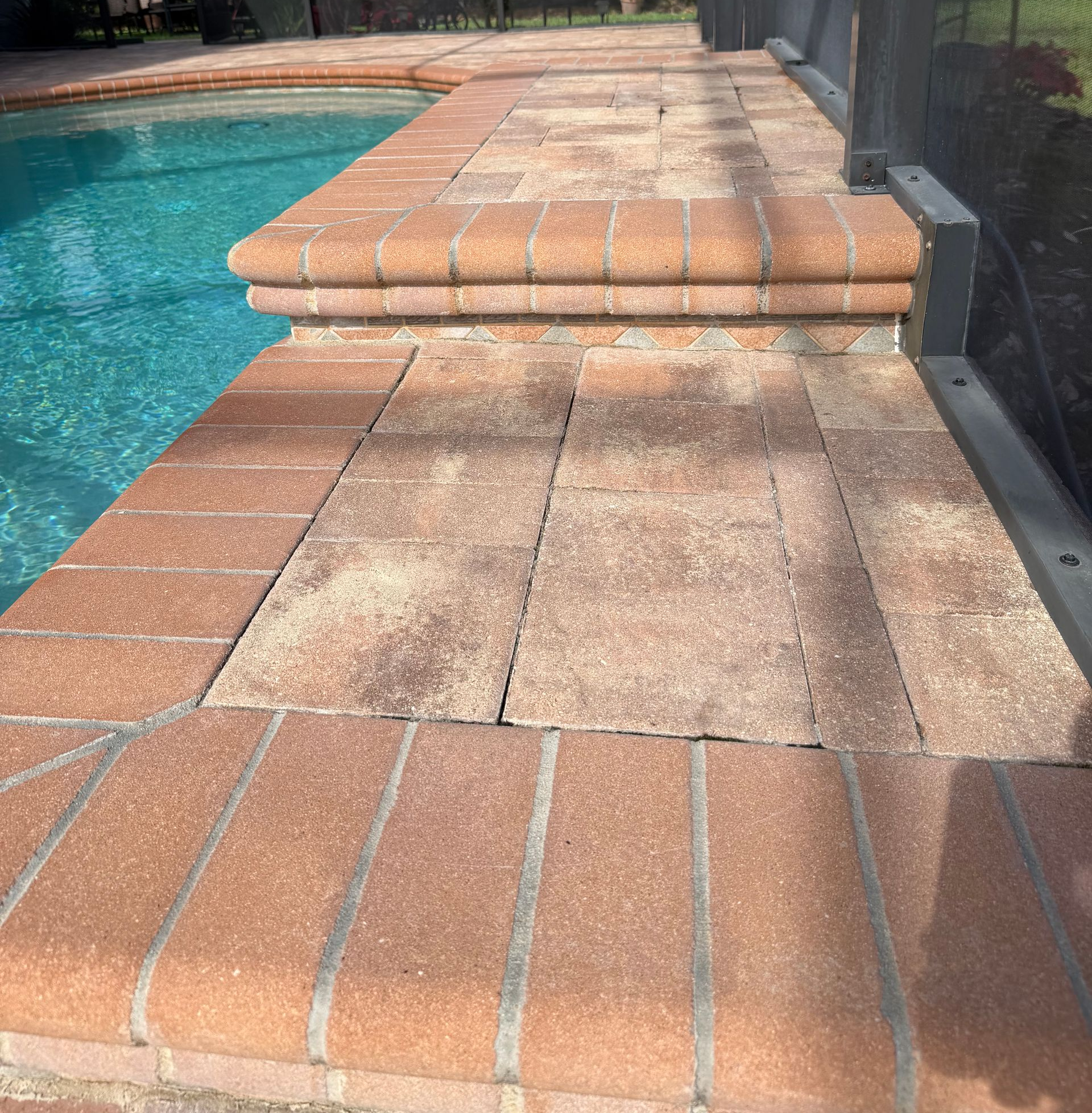
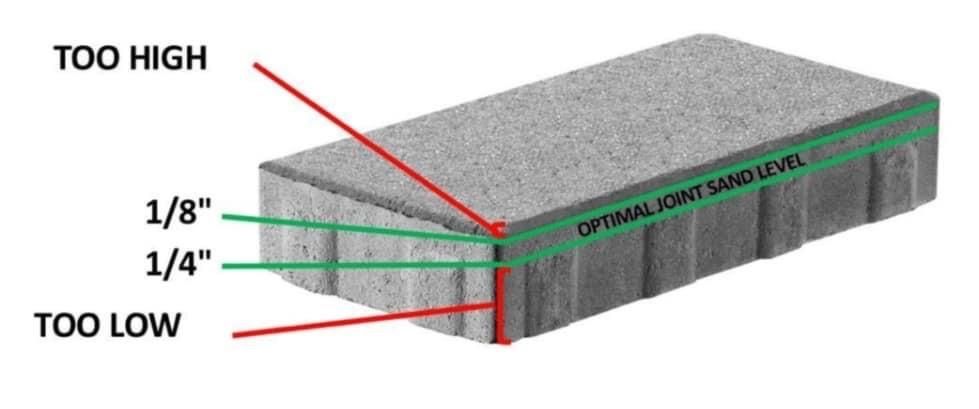
Joint sand is more than just a filler. It plays a key role in locking the pavers in place and evenly distributing weight. Without enough sand, pavers can shift, settle, or wobble underfoot especially in high traffic areas. Too much sand, on the other hand, can lead to a messy surface and erosion issues.

2. Weed and Insect Prevention

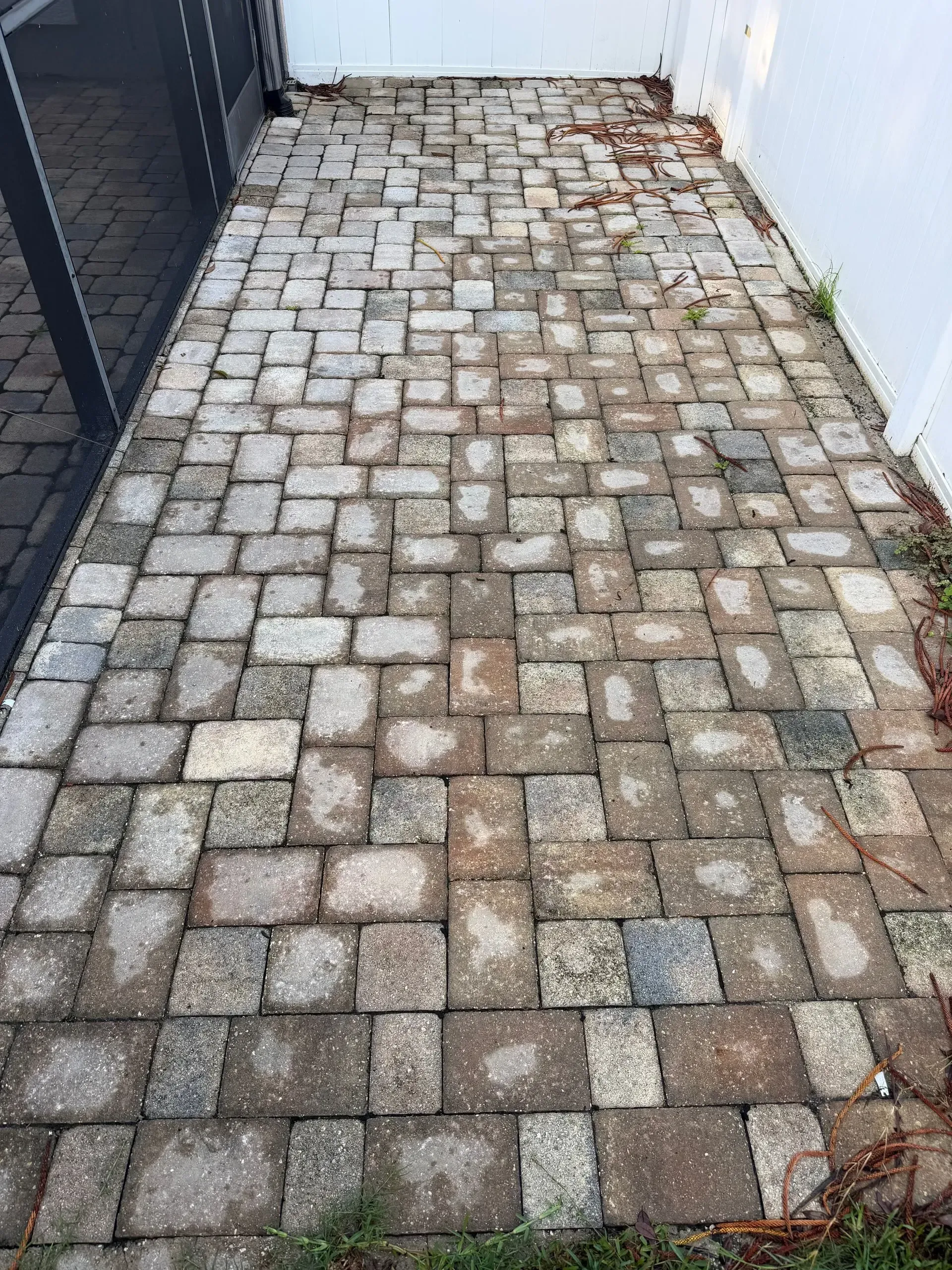
Properly filled joints leave little room for weeds to take root or for ants to build their homes. If there’s not enough sand between your pavers, you're creating tiny gaps that are perfect for nature to creep in. Using the right amount of polymeric sand (a type of sand that hardens when moistened) can dramatically reduce weed growth and pest problems.

3. Improved Drainage and Reduced Erosion

The right amount of sand helps with water drainage between the pavers. It allows water to seep through rather than pooling on the surface. But when joints are underfilled, water can wash away the sand, leading to erosion, sinking, and uneven surfaces. Proper sanding acts like a drainage buffer, protecting both the pavers and the base below.

4. Enhanced Aesthetics

Let’s face it, gaps between your pavers just don’t look good. They disrupt the clean, seamless appearance that makes paver surfaces so appealing. The right amount of sand ensures that joints are tight and uniform, giving the entire surface a well-maintained and professionally finished look.

5. Long-Term Durability

Ultimately, properly filled joints help your pavers last longer. By minimizing movement, preventing weed growth, and promoting proper drainage, the right joint sand preserves the structural integrity of your paver surface. That means fewer repairs and a longer-lasting investment.

Tips for Getting It Right

  • Use the right type of sand: Polymeric sand is ideal for most paver projects as it binds and hardens after water activation, reducing washout.
  • Sweep thoroughly: Make sure the sand settles fully into the joints. A compactor can help vibrate the sand deeper between pavers.
  • Don't overdo it: Excess sand on the surface can create haze and stains. Always sweep off the surface thoroughly before misting with water.

Final Thoughts

If you’ve invested time and money into a beautiful paver patio or walkway, don’t let improper sanding ruin the result. That fine layer of sand may seem insignificant, but it’s one of the most important elements in ensuring your pavers remain beautiful, stable, and low maintenance for years to come.

Looking for help with your paver project? Reach out to a hardscape professional to ensure your base, sand, and sealing are done right the first time.
By Casey West February 10, 2026
Why Cleaning Them Makes a Bigger Difference Than You Think
By Casey West February 7, 2026
Why You Should Have Your Wood Deck or Patio Restored by a Professional Pressure Washing Company
By Casey West February 6, 2026
How Your Local Pressure Washing Company Serves Commercial & Farm Properties Too
By Casey West February 5, 2026
Why Professional Driveway Cleaning Is Essential for Your Home
By Casey West February 4, 2026
Why Sealing Your Pool Deck Is One of the Best Investments for Your Home
By Casey West February 3, 2026
Paver Sealing Tips (and Why Hiring a Pro Beats DIY)
By Casey West January 30, 2026
Why You Should Have Your Pool Deck and Screened Patio Professionally Cleaned
By Casey West January 27, 2026
Why You Should Have Your Roof Professionally Washed
By Casey West January 20, 2026
Send your HOA a letter to get it cleaned!
By Casey West January 15, 2026
Why You Should Have Your Pool Deck and Screen Cage Professionally Cleaned
By Casey West January 3, 2026
Why Cleaning Your Driveway Boosts Curb Appeal and Helps You Avoid HOA Letters and Fines
By Casey West December 28, 2025
How Routine Gutter Maintenance Protects Your Home From Costly Damage
By Casey West December 22, 2025
Pressure washing your home before painting
By Casey West December 4, 2025
Why Now Is the Perfect Time to Clean Your Pavers and Remove Weeds
By Casey West November 26, 2025
Why You Can Still Get Professionally Installed Christmas Lights This Season
By Casey West November 22, 2025
The Benefits of Professionally Installed Permanent Lighting
By Casey West November 2, 2025
Deck the Halls Without the Hassle: The Benefits of Hiring a Holiday Decorating Pro
By Casey West October 10, 2025
Bright Ideas: How Patio Lighting Enhances Your Home’s Beauty and Safety
By Casey West October 8, 2025
Protect Your Home from the Top Down
By Casey West September 30, 2025
Bring Holiday Magic to Your Home Without the Stress
By Casey West September 24, 2025
Here’s Why You Need to Clean Mold Off
By Casey West August 14, 2025
Why Annual Professional Gutter Cleaning is Essential for Your Home’s Health
By Casey West August 7, 2025
Why You Should Soft Wash Your Newly Sealed Pavers 6 Months After Sealing
By Casey West July 26, 2025
Why You Should Keep Your Fire-Breathing Dragon Squeaky Clean
By Casey West July 25, 2025
Why Cleaning Your Pool Cage is Essential for Longevity and Appearance!
By Casey West July 16, 2025
Why You Shouldn’t Wait Until the Holidays (When Your Decorations Are Up) to Get Your House Pressure Washed.
By Casey West July 10, 2025
Why Letting Mildew Build Up on Your Pool Can Be Dangerous
By Casey West July 8, 2025
Why You Should Clean Your Vinyl Fence
By Casey West July 3, 2025
Why Removing Rust Stains from Your Home Exterior & Driveway Is a Smart Move, and Why You Should Leave It to the Pros!
By Casey West July 1, 2025
Why You Should Soft Wash Your Roof Every Year: 6 Key Benefits
By Casey West June 25, 2025
Tips for Pressure Washing Your Pool Cage Safely and Effectively!
By Casey West June 2, 2025
What does Paver Sealing do? And why should you do it?
By Casey West May 24, 2024
Drive way and Sidewalk Cleaning!
By Casey West April 28, 2024
The importance of Window Cleaning
A before and after photo of a sidewalk in front of a building
By Casey West January 9, 2024
The Ultimate Solution for Commercial Property Cleaning!
A before and after picture of a house that has been cleaned.
By Casey West December 27, 2023
The Power Of Wild West Washing Before Selling Your Home
Two pictures of a plant with pink flowers and green leaves.
By Casey West November 26, 2023
Our Plant Protection Sets Us Apart!
A before and after picture of a white house with black gutters.
By Casey West July 29, 2023
Wash the bugs away!
A large house with a lush green lawn and a blue sky in the background.
By Casey West June 14, 2023
Yes, pressure washing your home before painting is generally recommended and considered good practice. Here are a few reasons why pressure washing is beneficial before painting: Surface Preparation: Pressure washing effectively removes dirt, dust, grime, mold, mildew, and other contaminants that may have accumulated on the exterior surfaces of your home. By thoroughly cleaning the surfaces, you create a clean and smooth foundation for paint application. Enhanced Adhesion: A clean surface allows the paint to adhere better to the exterior walls. Removing dirt, debris, and loose paint through pressure washing helps the new paint bond more securely to the surface, reducing the risk of peeling, cracking, or flaking in the future. Longevity of the Paint Job: Pressure washing helps to ensure that the paint applied to your home lasts longer. By removing contaminants that can degrade the paint over time, such as mold or mildew, you can help preserve the integrity and appearance of the painted surfaces for an extended period. Time and Cost Efficiency: Pressure washing can save time and effort during the painting process. It eliminates the need for manual scraping or cleaning, which can be time-consuming. Additionally, starting with a clean surface can result in more even paint application, potentially reducing the number of coats required. However, it's important to exercise caution when pressure washing your home: Water Pressure and Technique: Adjust the pressure washer's settings to an appropriate level for the surface you're cleaning. High-pressure settings or incorrect technique can damage certain types of siding, wood, or delicate surfaces. It's best to follow manufacturer guidelines and consider hiring a professional if you're unsure about using a pressure washer. Drying Time: Allow sufficient drying time after pressure washing before applying paint. Moisture trapped beneath the surface can cause issues with paint adhesion and result in a subpar paint job. Follow recommended drying times based on the specific conditions and materials involved. Remember, if you're not comfortable or experienced with pressure washing, it's advisable to hire a professional who can safely and effectively prepare your home's exterior for painting.

A before and after photo of a driveway leading to a house.
By Casey West May 29, 2023
After a heavy rain shower, you may be wondering if it's necessary to pressure wash your house to maintain its cleanliness and appearance. While rain can contribute to the accumulation of dirt and other particles on the exterior surfaces of your home, pressure washing isn't always immediately required. In this blog post, we'll discuss whether pressure washing after rain is necessary and provide some considerations to help you make an informed decision. Assess the Condition of Exterior Surfaces: Start by evaluating the condition of your house's exterior surfaces. If you notice significant dirt, mud splatters, staining, or the growth of algae or mildew, pressure washing may be beneficial. However, if your house appears relatively clean and undamaged after the rain, pressure washing might not be immediately necessary. Material Compatibility: Consider the materials used on your house's exterior. Some delicate or older materials, such as certain types of siding or historic brickwork, may be vulnerable to damage from high-pressure water. It's important to check manufacturer recommendations or consult a professional to ensure the pressure washing won't cause harm. Proper Technique: If you decide to pressure wash, make sure to follow the proper techniques and use suitable equipment. Adjust the pressure setting to a level that effectively cleans the surface without causing damage. Use the appropriate cleaning solutions and take care to avoid forcing water into gaps, which could lead to leaks or other issues. Frequency of Pressure Washing: Instead of pressure washing after every rain shower, consider a regular maintenance schedule. Depending on your location and the surrounding environment, you may need to pressure wash your house a few times a year or as needed. This approach can help keep your home looking clean without excessive and unnecessary pressure washing. Alternatives to Pressure Washing: In some cases, alternative methods of cleaning may be more appropriate than pressure washing. For example, gentle hand washing with a soft brush and mild detergent can effectively remove dirt and grime from certain surfaces. Additionally, using a garden hose with a spray attachment might suffice for light cleaning tasks. While rain can contribute to the accumulation of dirt and other debris on your house's exterior, pressure washing after every rain shower is not necessary in most cases. Assess the condition of your house's surfaces, consider material compatibility, and follow proper techniques if you decide to pressure wash. Remember to establish a regular maintenance schedule rather than relying solely on post-rain pressure washing. By taking these factors into account, you can maintain the cleanliness and appearance of your home without unnecessary effort or potential damage.
A logo for wild west washing with a cowboy on a horse
By Casey West May 14, 2023
Pressure washing, also known as power washing, is a cleaning method that uses high-pressure water spray to remove dirt, grime, mold, mildew, and other unwanted substances from various surfaces. It is commonly used to clean outdoor areas such as sidewalks, driveways, decks, patios, fences, and buildings. The process involves using a specialized machine that pumps water at a high pressure through a nozzle, creating a powerful jet of water. The force of the water, combined with sometimes added cleaning solutions, helps to dislodge and wash away accumulated dirt and contaminants. Pressure washing can be a highly effective and efficient cleaning method, as it can quickly remove stubborn stains and buildup that may be difficult to clean with traditional methods. It can revitalize the appearance of surfaces and improve their overall condition. As for how you can help with pressure washing, here are a few ways: DIY Pressure Washing: If you have a pressure washer or can borrow one, you can clean surfaces around your home or property yourself. However, it's important to learn how to operate the machine safely and use the appropriate pressure settings and cleaning solutions for each surface to avoid causing damage. Hiring Professionals: If you don't have the equipment, time, or expertise to perform pressure washing yourself, you can hire professional pressure washing services. They have the necessary equipment, experience, and knowledge to clean a variety of surfaces effectively and safely while doing so efficiently. Maintenance and Regular Cleaning: Regular pressure washing can help prevent the buildup of dirt, grime, and contaminants, extending the lifespan and maintaining the appearance of various surfaces. By incorporating pressure washing into your maintenance routine, you can contribute to the cleanliness and preservation of your property. Environmentally Friendly Practices: When using pressure washing, it's essential to consider environmental impact. Ensure that any cleaning solutions used are eco-friendly and safe for plants and animals. Additionally, avoid excessive water usage by using appropriate pressure settings and targeting specific areas that require cleaning rather than wastefully spraying water everywhere. Remember, if you're performing pressure washing yourself, always follow safety guidelines and take necessary precautions to protect yourself and others around you.
A before and after photo of a patio with a grill and trash cans
By Casey West May 2, 2023
Transforming Your Space!