Why Only the Shady Side Turns Green
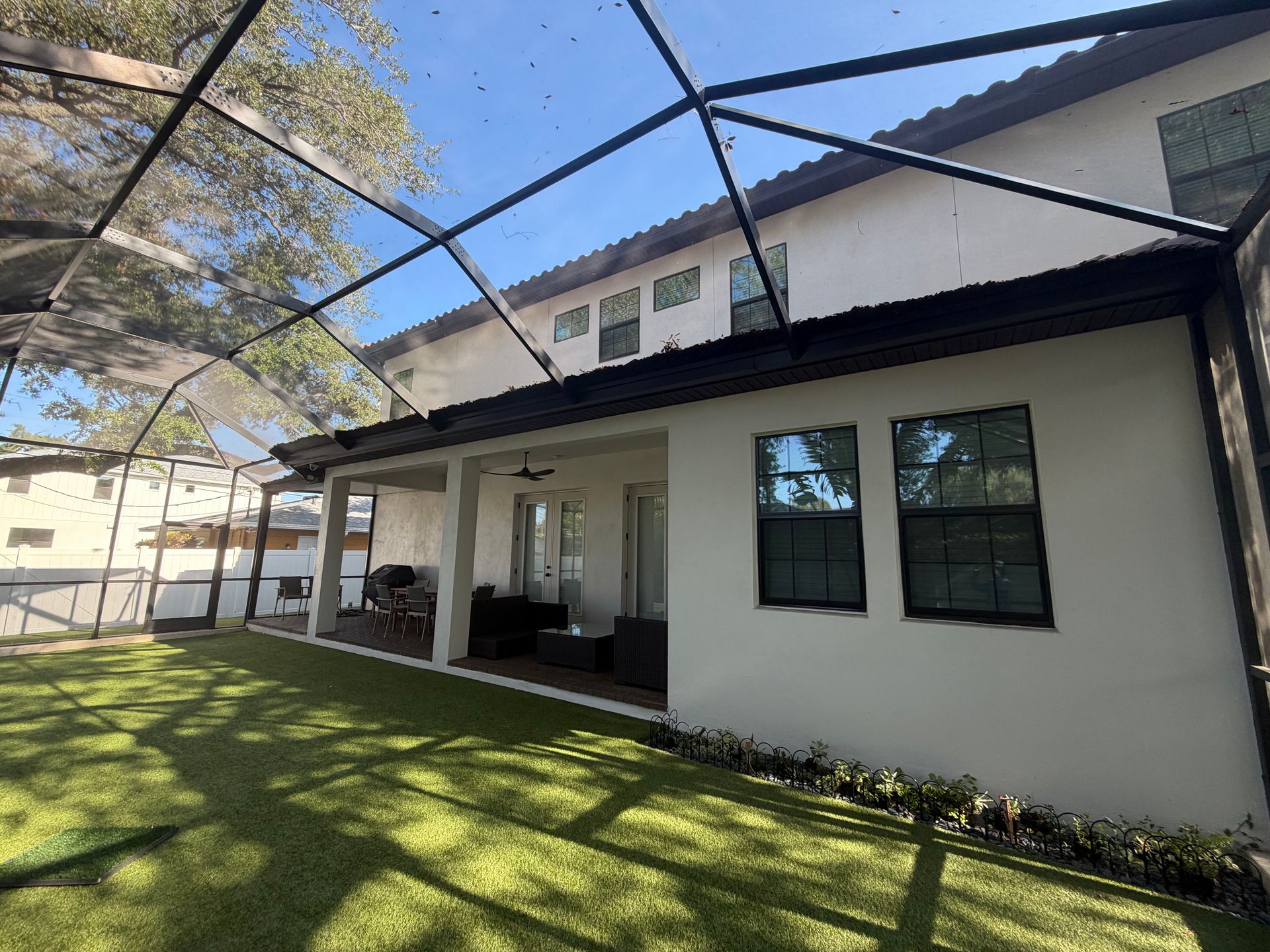
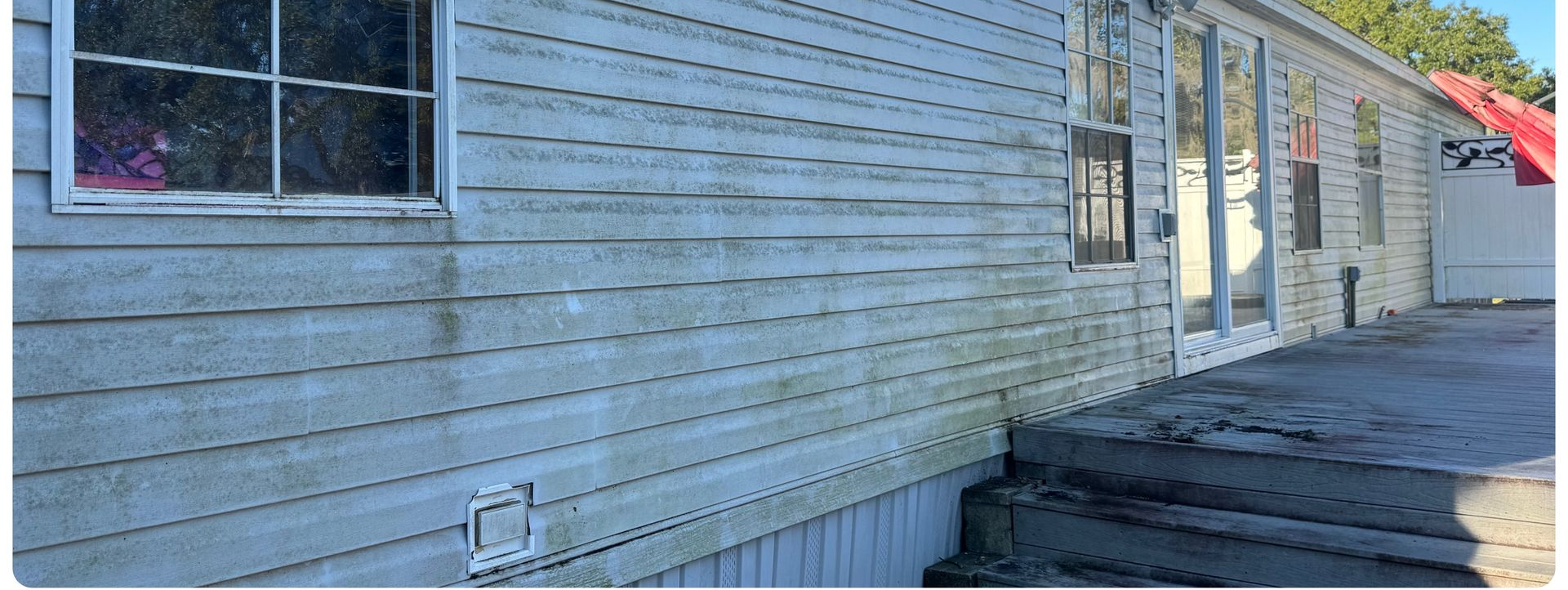
Walk around the back of almost any home in Westchase and you'll find it: three walls that look fine and one wall that looks like it belongs to a different house. That's not neglect, and it's not bad stucco. Exterior house washing in Westchase almost always comes down to one shaded elevation, because algae needs moisture that lingers — and the north and east sides of a Florida home never fully dry out.
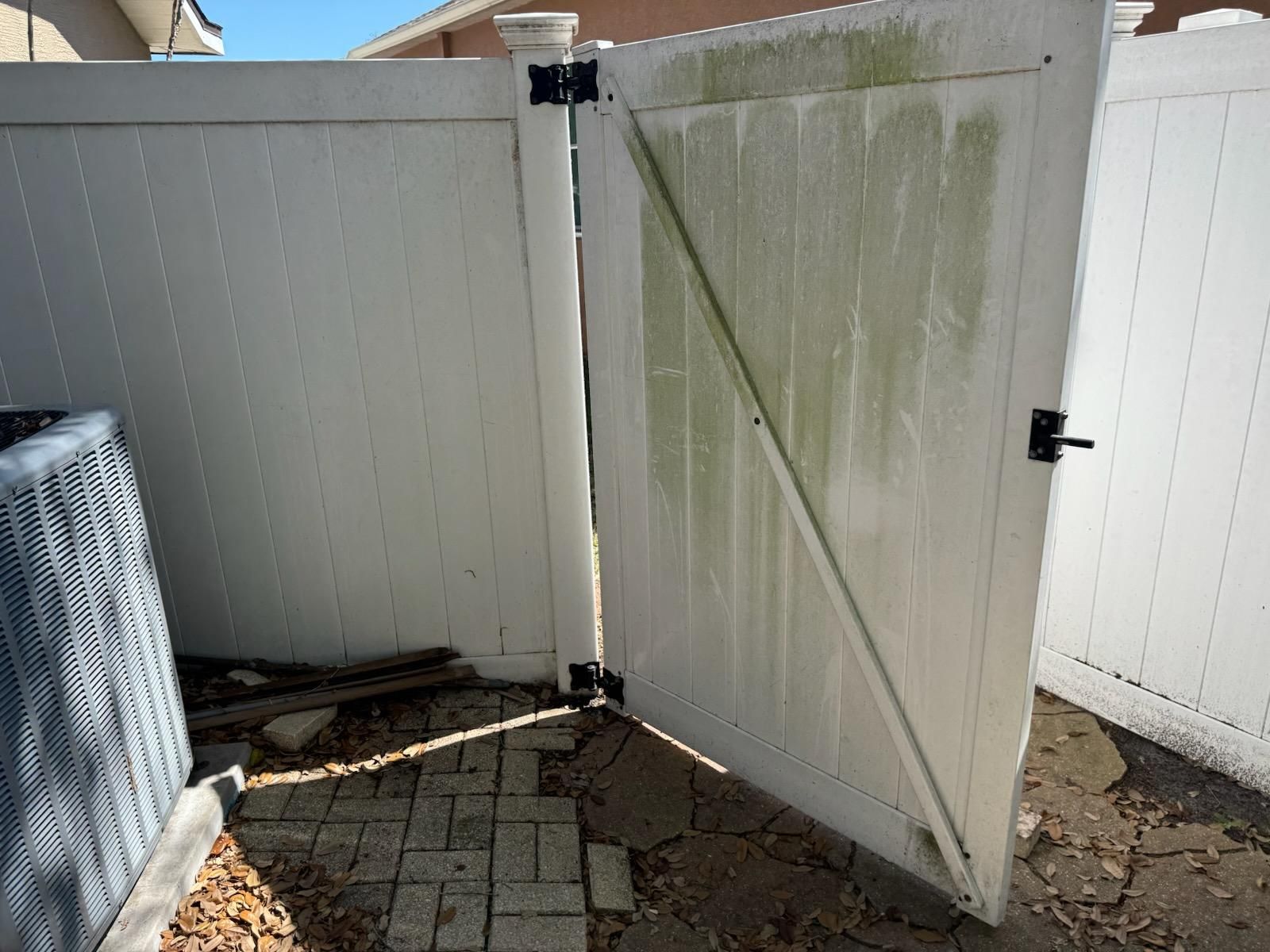
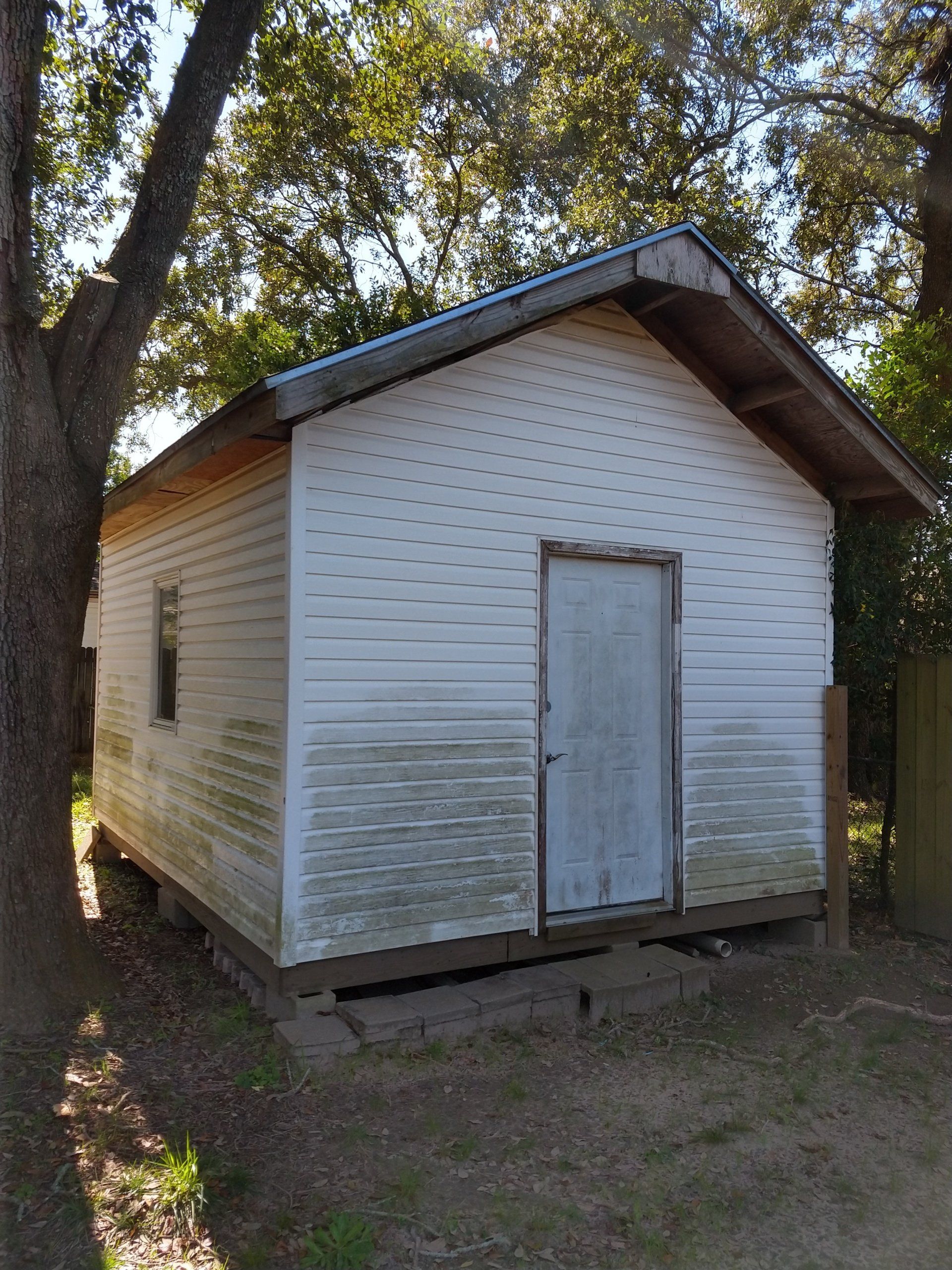
Here's the short version: the sun is your free cleaning crew. Walls that get four or more hours of direct afternoon sun bake dry every day and stay relatively clean for years. Walls shaded by oaks, a neighbor's two-story, or your own roof overhang hold overnight humidity until mid-morning. That's enough standing moisture for Gloeocapsa magma and common green algae to colonize, and once they do, they spread along the grain of the stucco.
Why does one wall get green and the others don't?
Three things stack up on that elevation, and they all point the same direction:
- Shade. Less UV exposure means less natural kill-off and slower drying.
- Dew retention. Tampa Bay runs 70–90% relative humidity most mornings. A shaded wall can stay damp until 10 or 11 a.m.
- Irrigation overspray. Landscape beds on the shaded side are usually the fullest, which means the most heads, the most overspray, and water hitting the wall several times a week.
Add Westchase's mature tree canopy — one of the best things about the neighborhood and the worst thing about your north wall — and you get a surface that is wet far more hours per week than the sunny side.
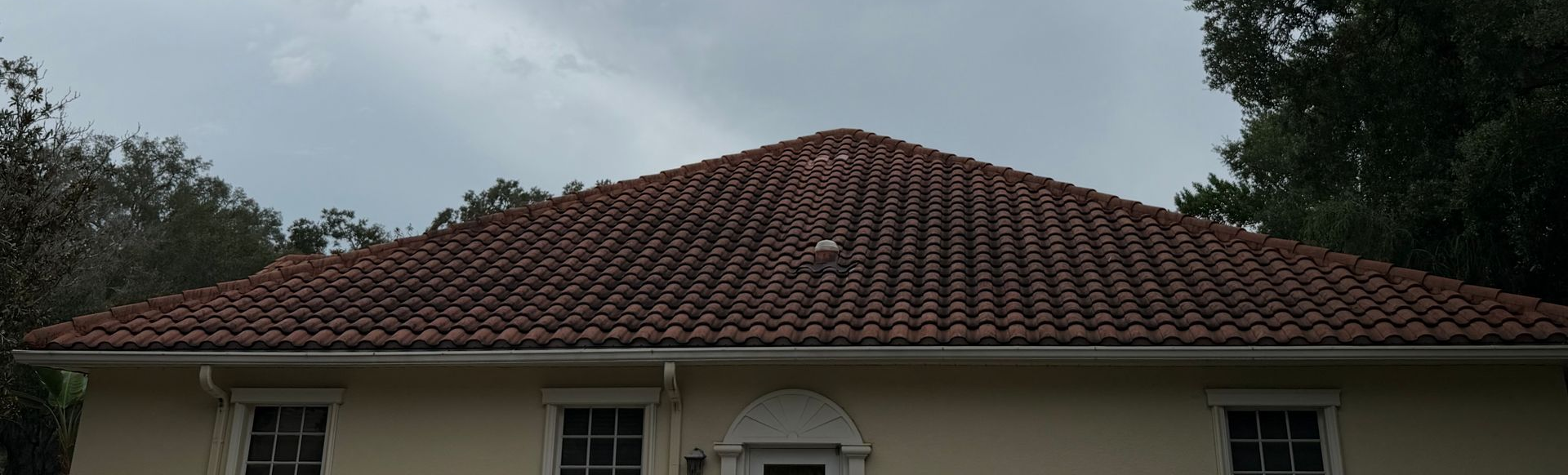
[PHOTO: side-by-side of a sunny south wall and a green-streaked north wall on the same house — Westchase]
Is green algae actually damaging the stucco?
It isn't structural, but it isn't harmless either. Algae and the lichen that follows it hold moisture against the finish coat. On painted stucco that means premature chalking and a paint film that releases early, usually at the base of the wall where splash-back is worst. On unpainted or integral-color stucco you get staining that soaks in deeper the longer it sits. We've pulled eight-year-old growth off walls and found the paint underneath failing in exactly the footprint of the stain.
The practical point: a wall you wash on a sensible cycle stays a wall you wash. A wall you ignore for a decade becomes a paint job.
Pressure washing or soft washing for stucco and Hardie board?
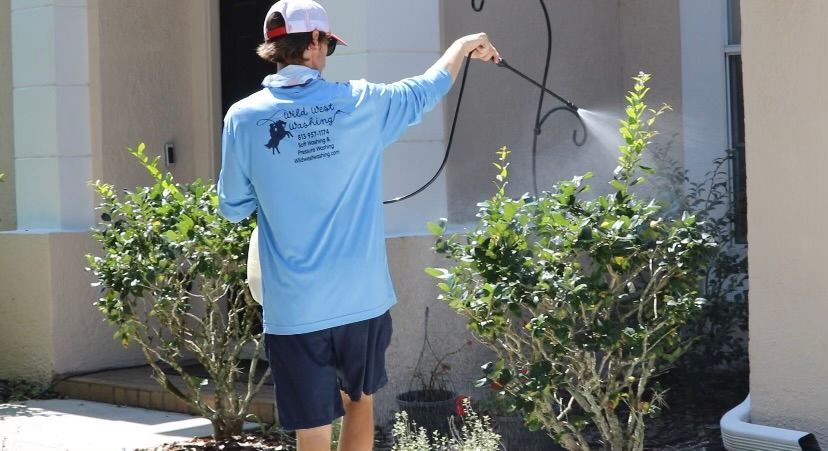
Soft washing — every time, on vertical surfaces. High pressure on stucco drives water behind the finish coat, etches the texture unevenly, and leaves wand marks that show up worse once the surface is clean. On fiber cement siding it can force water past the lap joints.
What actually works is chemistry and dwell time: a controlled sodium hypochlorite blend with surfactants, applied at low pressure, left to work, then rinsed. The algae dies at the root rather than getting knocked off the top layer, which is why a proper soft wash lasts two to three times longer than a blast-and-go. This is genuinely harder than it looks from the driveway — the mix has to be strong enough to kill biological growth and gentle enough to leave your paint, your window screens, and the $14,000 of landscaping underneath it completely alone. That balance is the whole job.
How often should a shaded wall be washed in Tampa Bay?
Treat your house as two different maintenance zones instead of one:
- Sunny elevations (south and west): every 18–24 months.
- Shaded elevations (north and east): every 12 months.
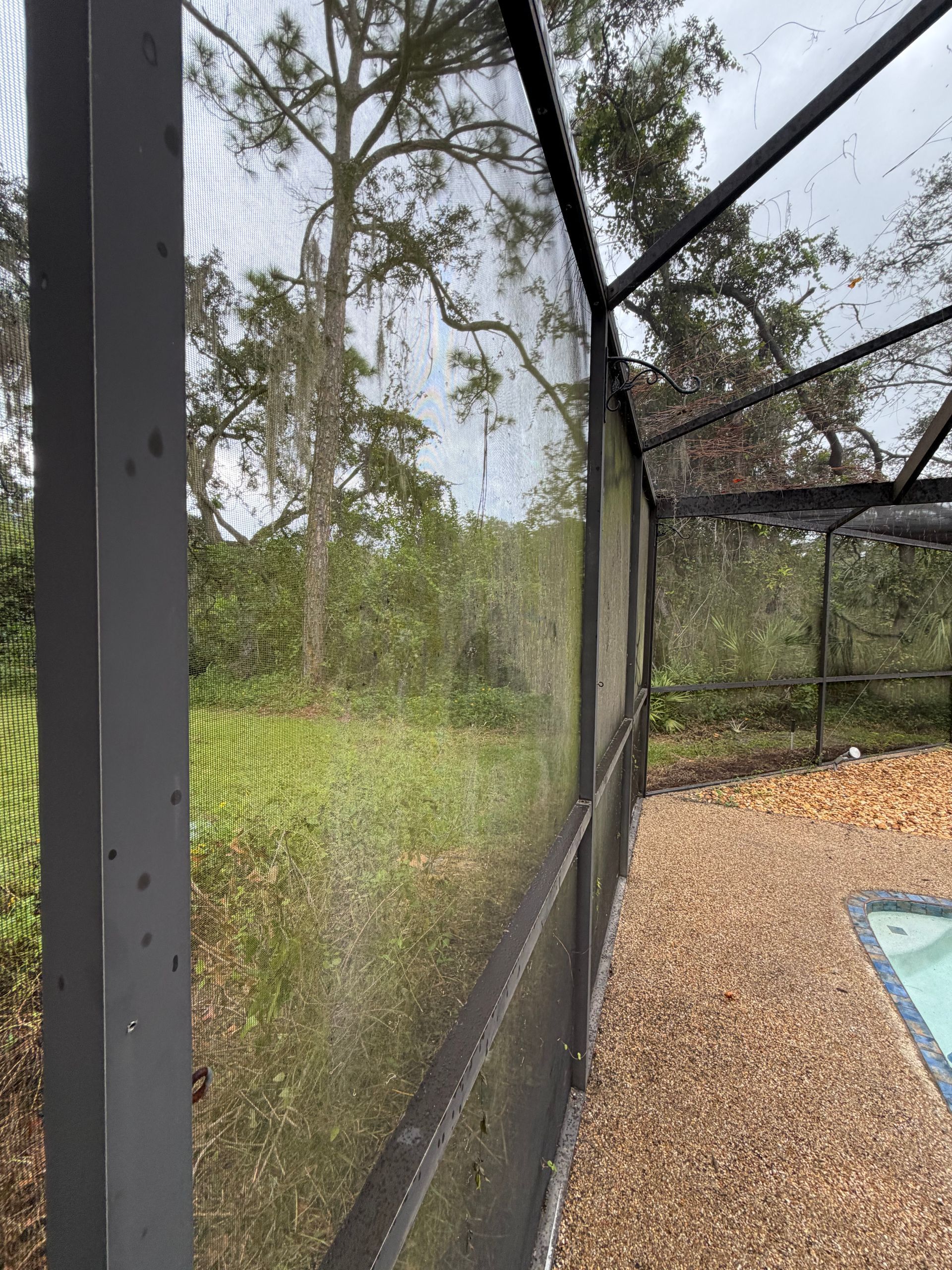
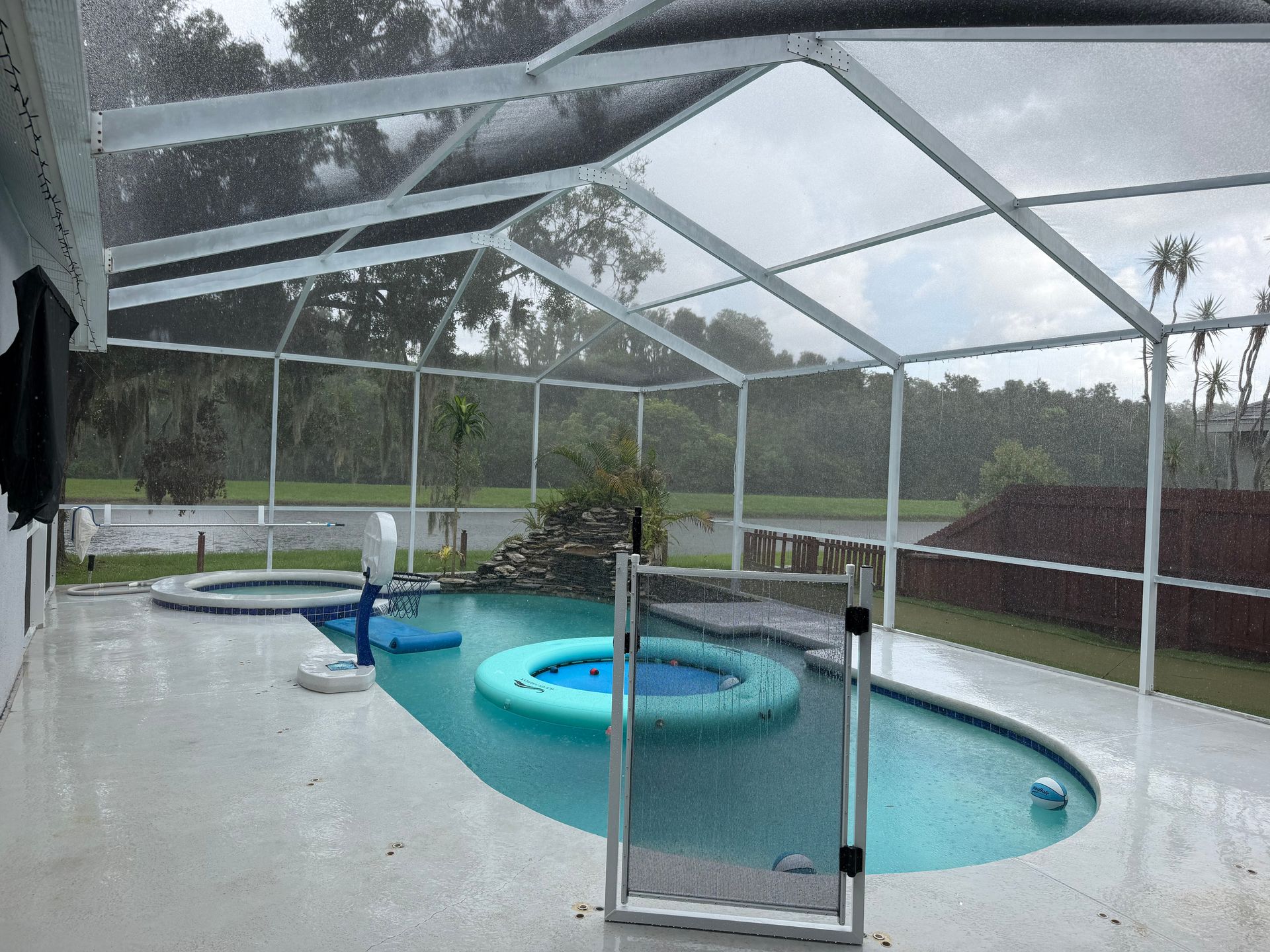
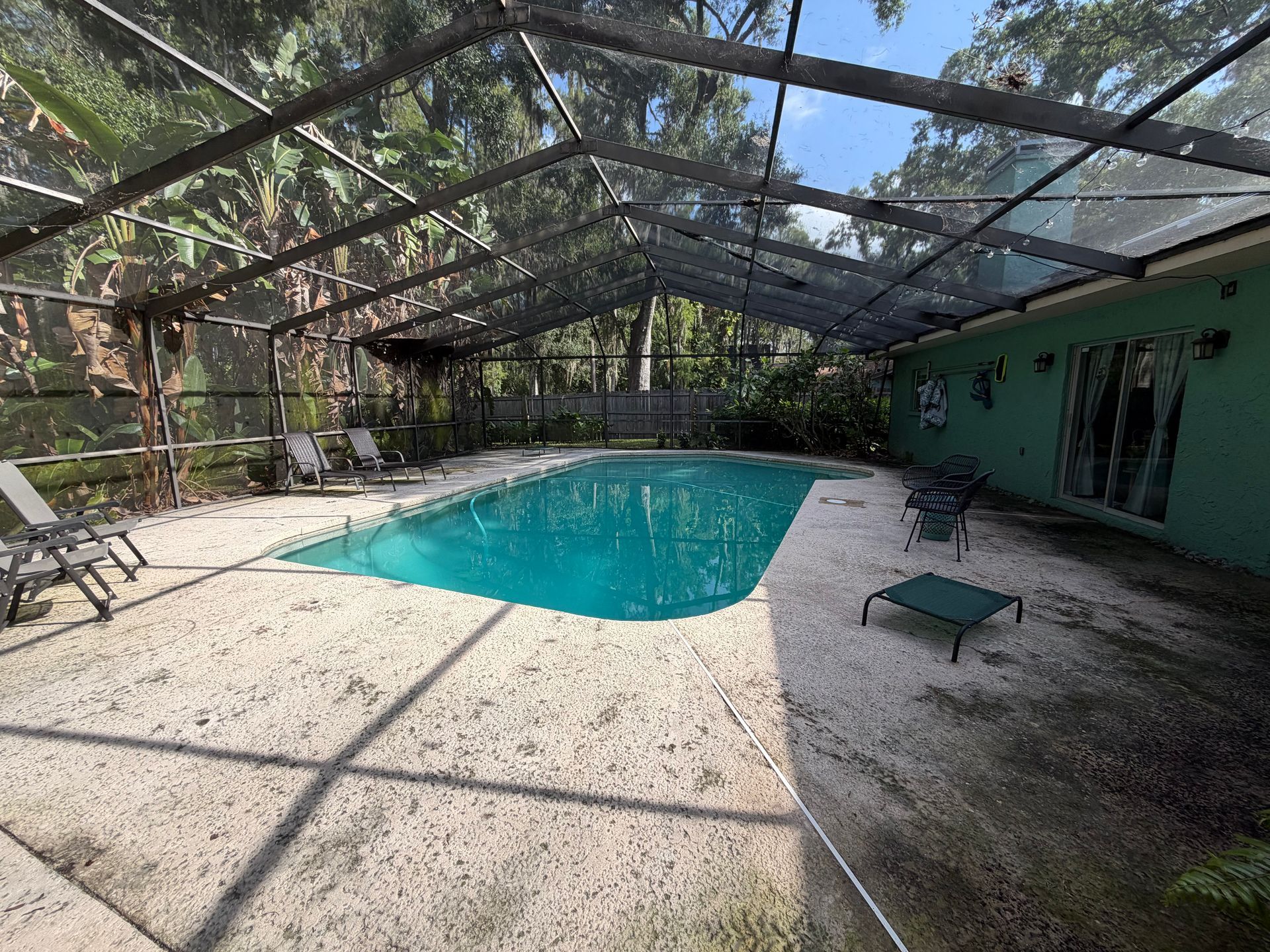
- Anything inside a tree canopy or behind a pool cage: every 9–12 months.
- Within a year of exterior paint: wash before, not after, and give the new paint 30 days to cure before anything touches it.
Plenty of our Westchase clients have us do the full exterior annually and spot the shaded side at the six-month mark. It's less work per visit and the house never has a "bad side."
[PHOTO: close-up of soft wash rinse running clean off a north-facing stucco wall]
What a proper house wash day looks like
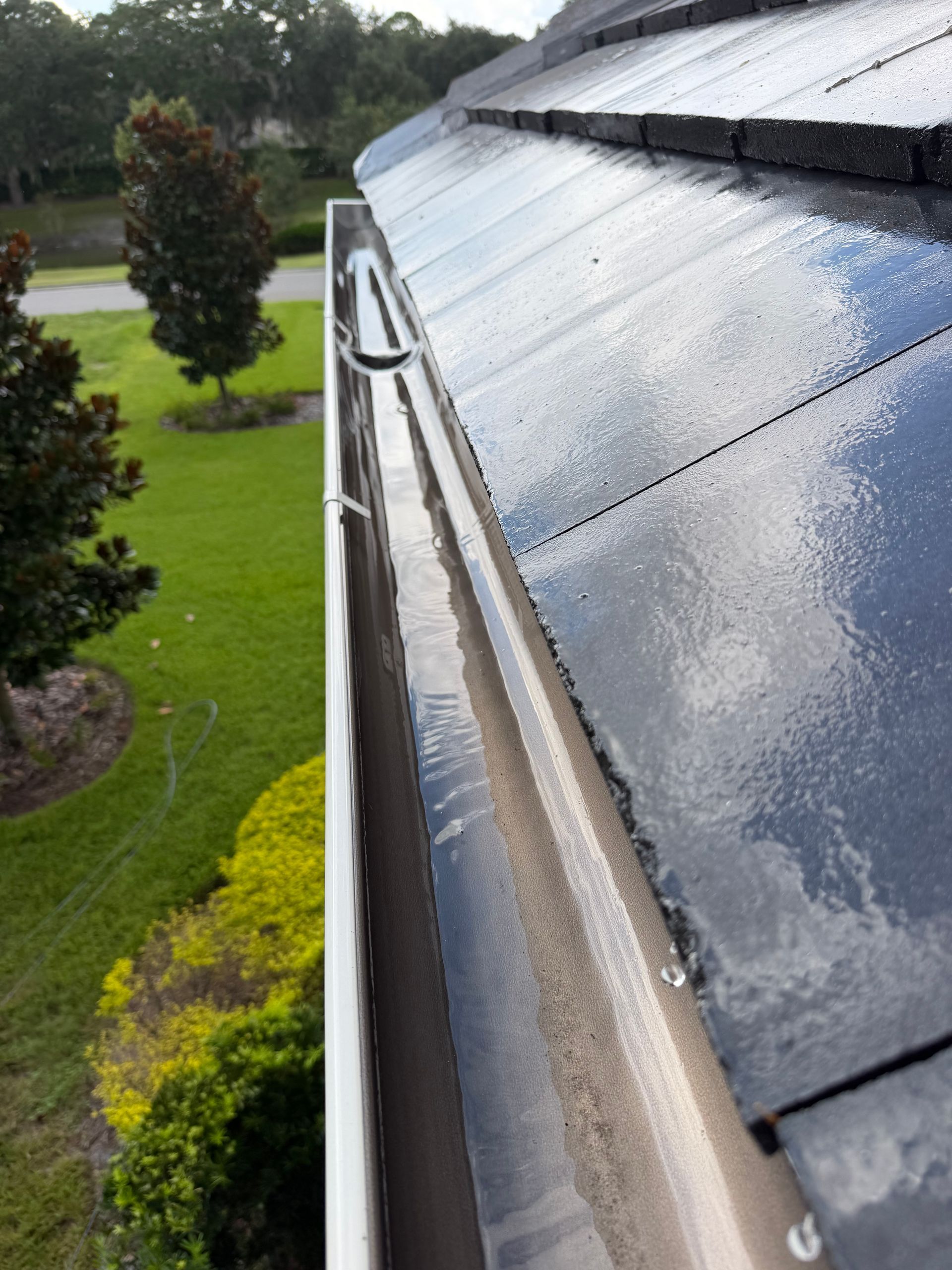
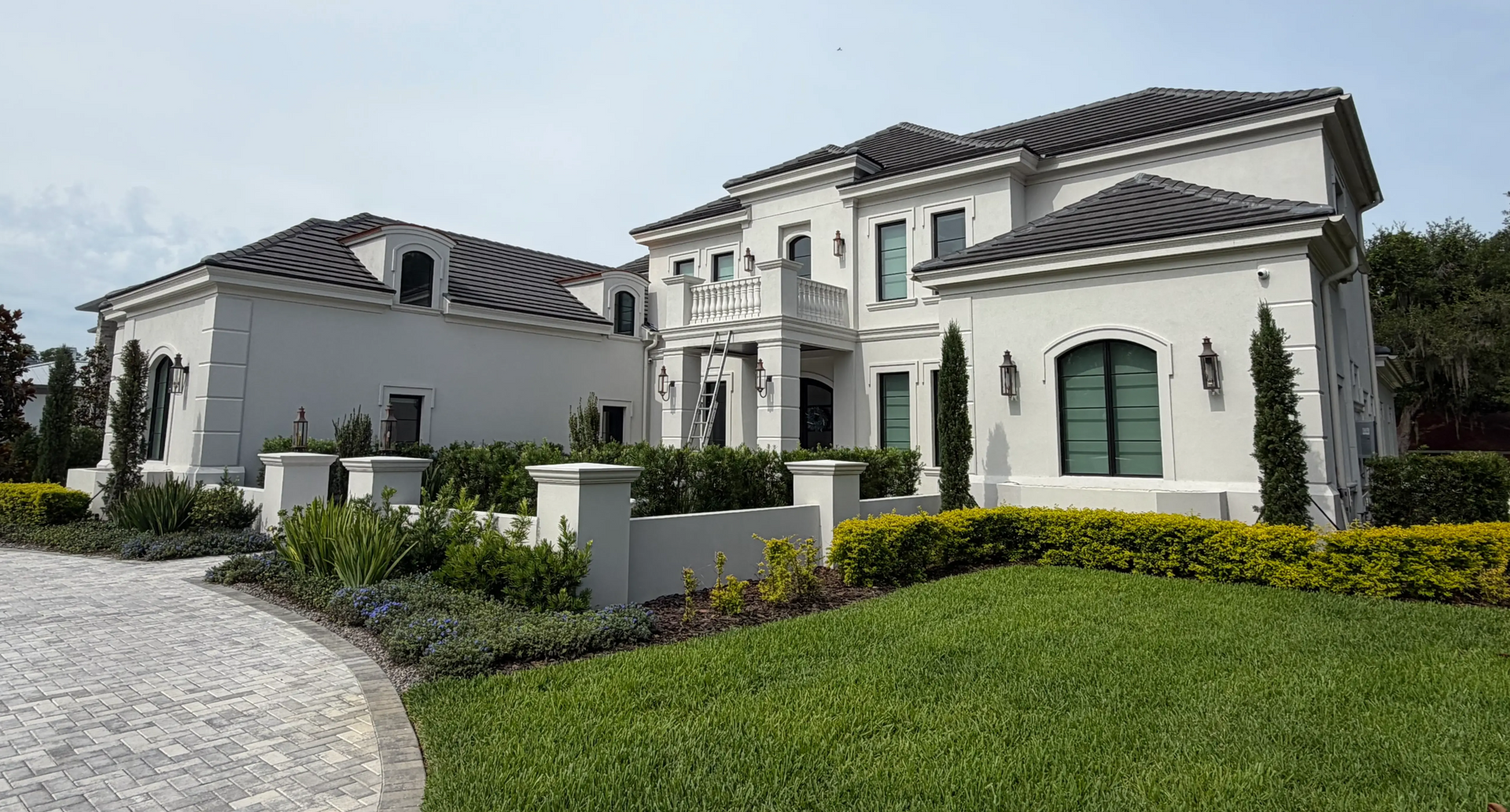
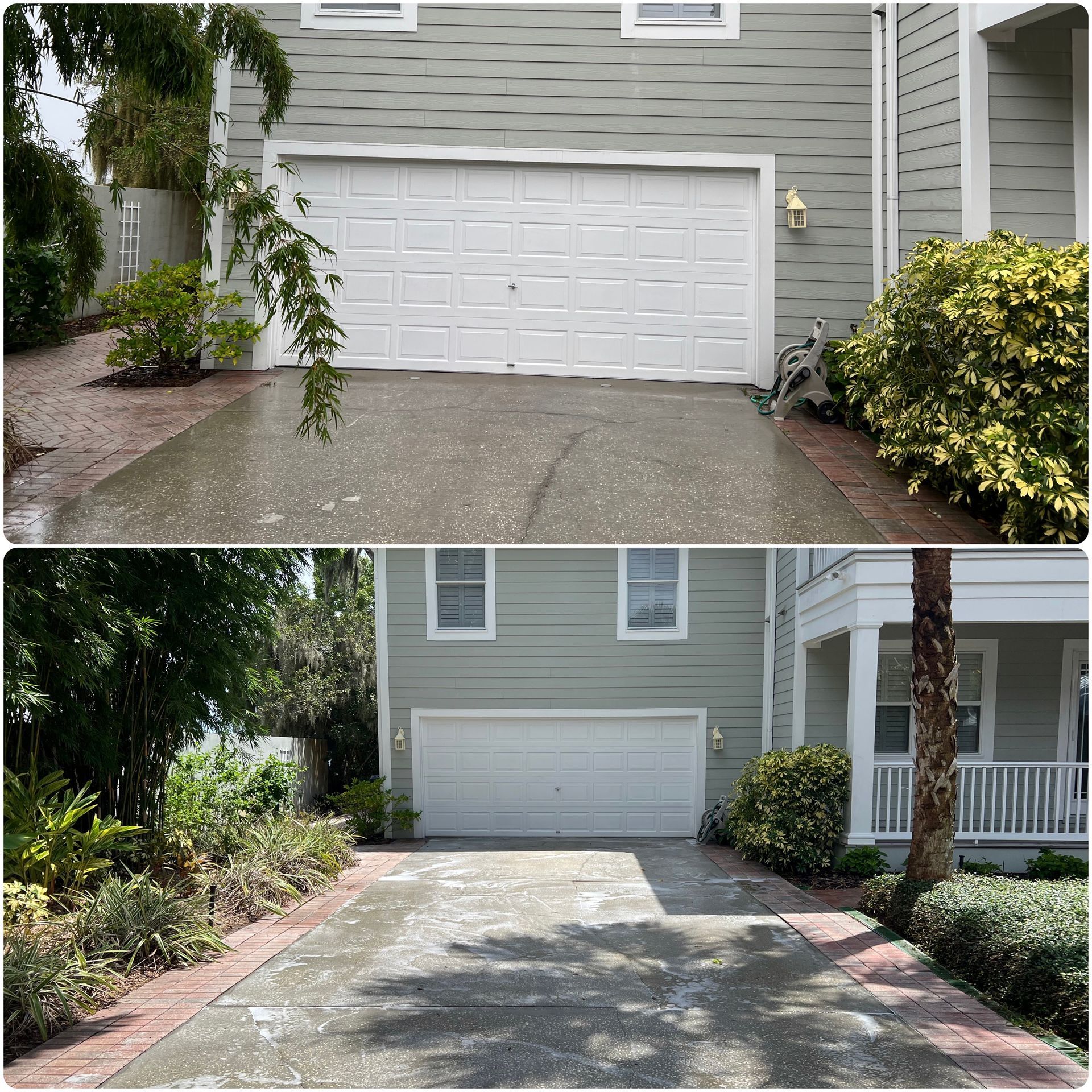
A full exterior on a typical Westchase two-story runs two to four hours. We pre-wet and protect plant beds, bag or cover light fixtures and low-voltage transformers, work top-down so nothing re-soils, hand-detail the areas chemistry can't reach on its own — soffit corners, around the gutter line, behind downspouts — and do a final rinse that includes the windows and the driveway apron so there's no tide line where we stopped.
If the shaded side has gone past algae into lichen, that elevation gets a longer dwell and a second pass. Lichen roots into the texture and does not come off on the first application, no matter who tells you otherwise.
Get a quote on your house
We're a veteran-owned Tampa company, and after enough years in Westchase, Citrus Park, and Keystone we can usually tell you what your north wall needs before we pull in the driveway. If one side of your home is embarrassing you, call 813-957-1174 for a free, no-pressure quote on exterior house washing — or read more about how our soft washing process works and what luxury pressure washing in Westchase covers.