What Hurricane Season Actually Leaves on Your Tampa Home
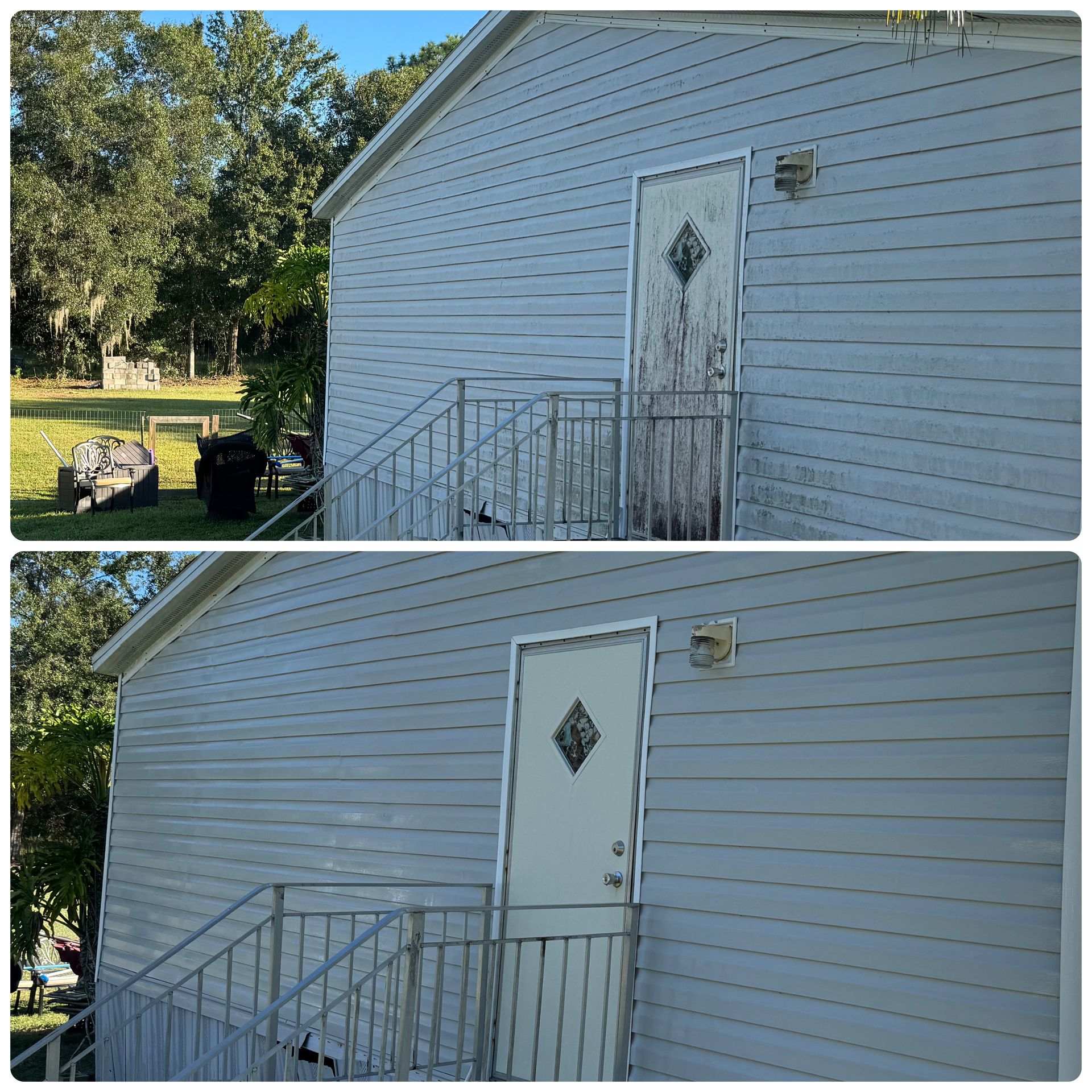
The tree limbs get hauled off in a week. The damage a storm actually does to your home's exterior takes about four months to show up, and by then nobody connects it to the storm.
Post-hurricane exterior cleaning in Tampa is not debris removal. It's dealing with what the storm pressed into your surfaces: salt aerosol driven sideways into stucco and screen frames, a thick organic slurry of leaf tannin and pollen washed across pavers and left to sit, and roof valleys packed with wet vegetation that will not dry out on its own. Those three things are what turn a clean March exterior into a streaked, spotted January one.
What a storm actually deposits on a Tampa Bay home
Wind-driven rain during a tropical system carries salt inland much further than people expect. Homes on Davis Island, Bayshore and Culbreath Isles take the brunt of it, but we routinely find salt film on screen enclosures in Carrollwood and Lutz after a major system tracks up the peninsula. Salt is hygroscopic — it pulls moisture out of the air and holds it against the surface. On anodized aluminum pool cage frames, that's the start of pitting. On painted stucco, it's a slow chalking of the finish.
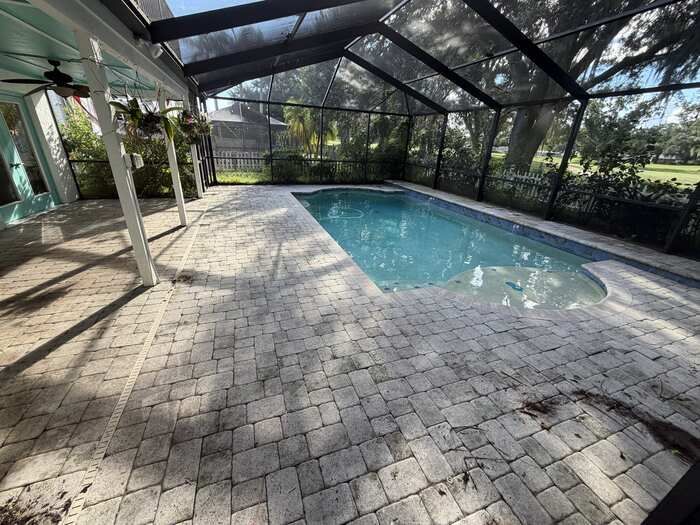
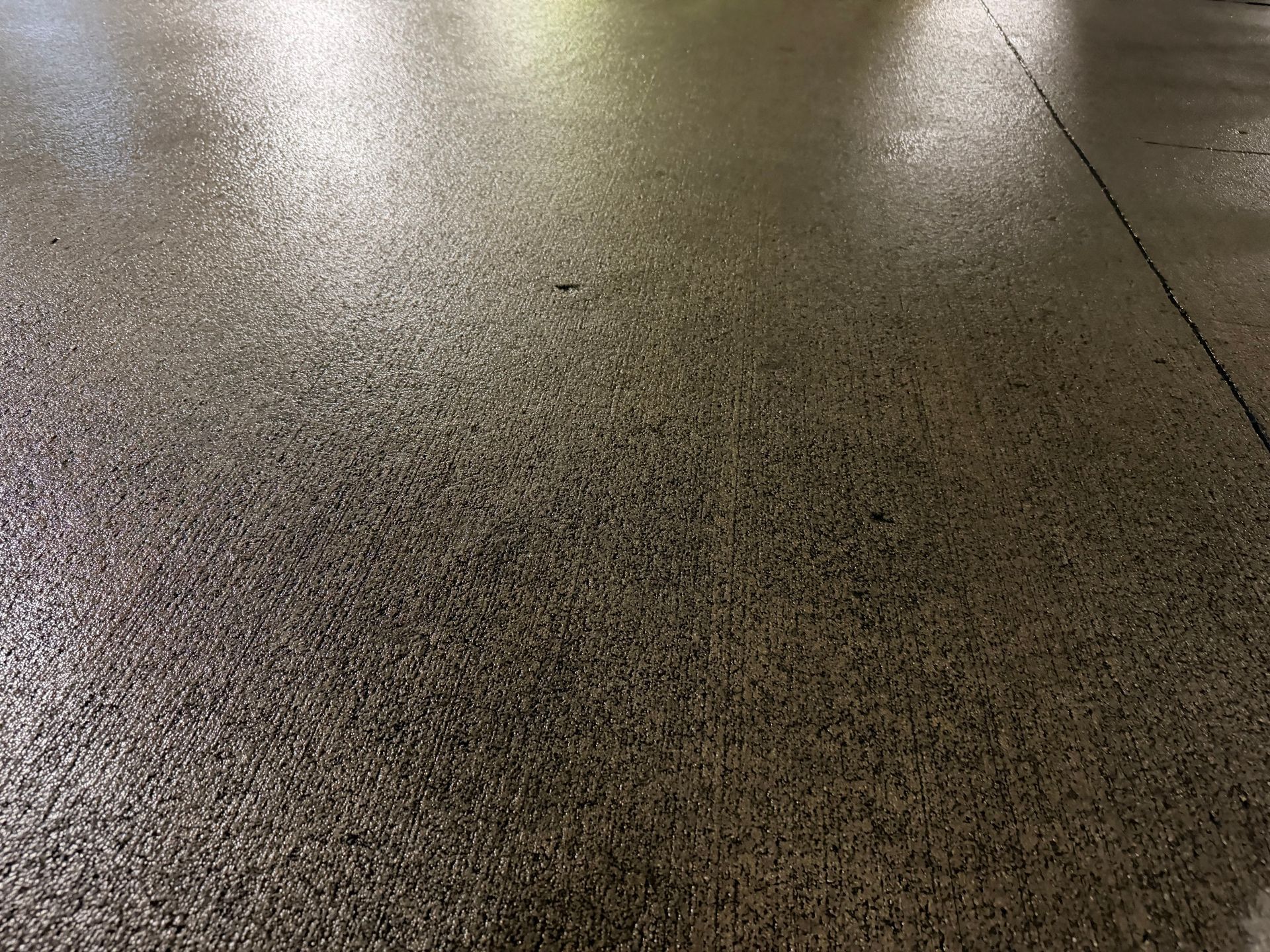
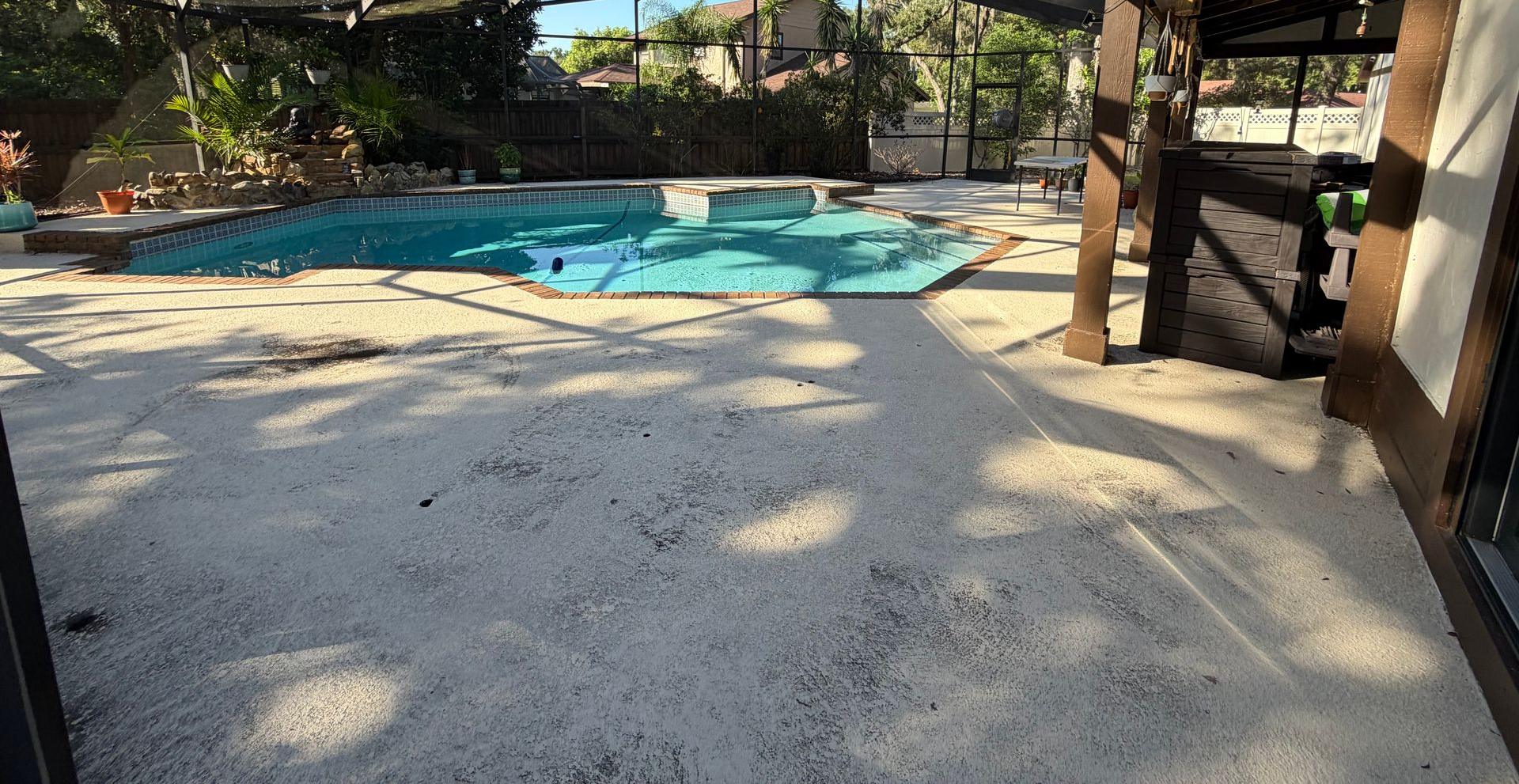
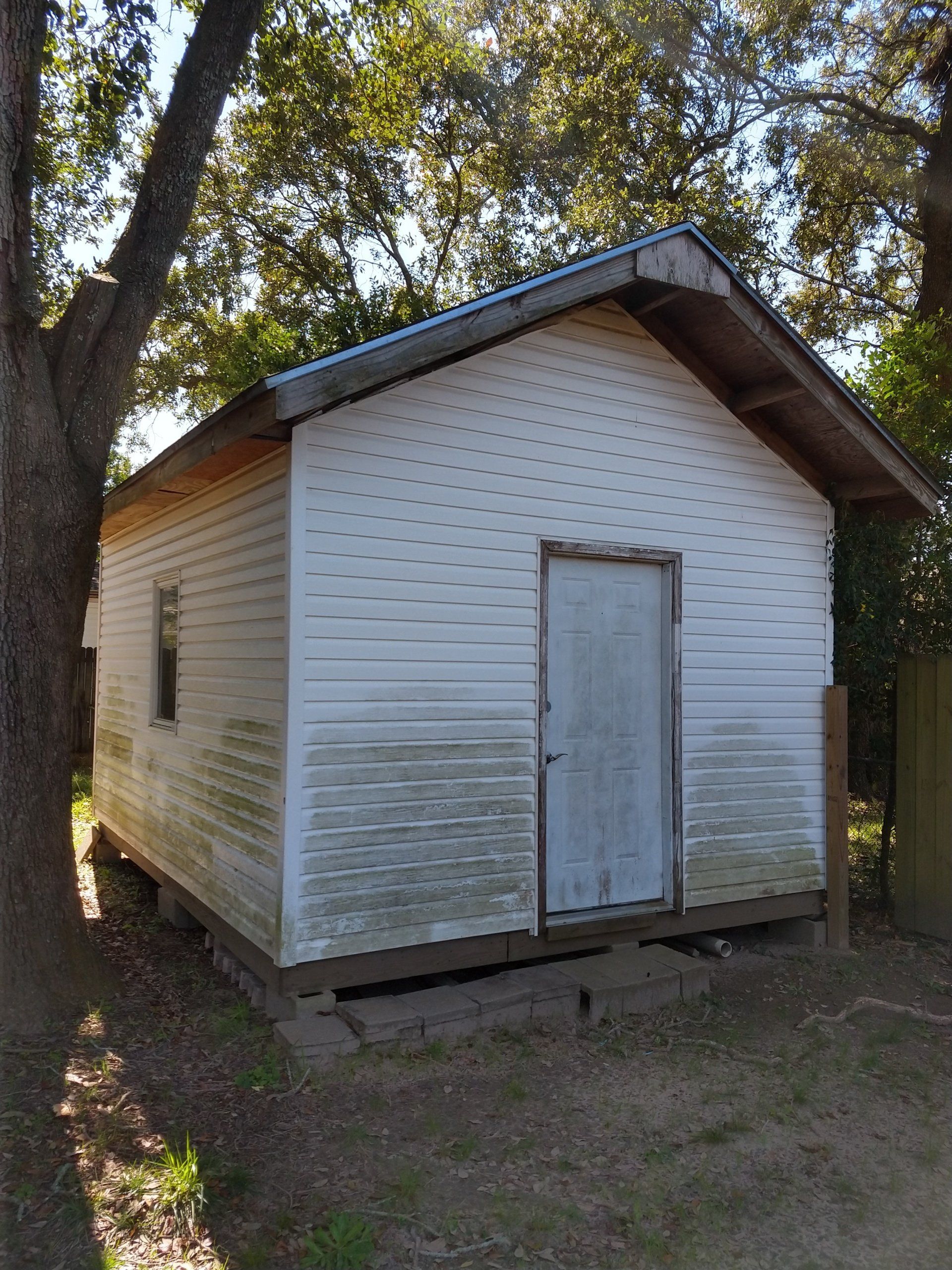
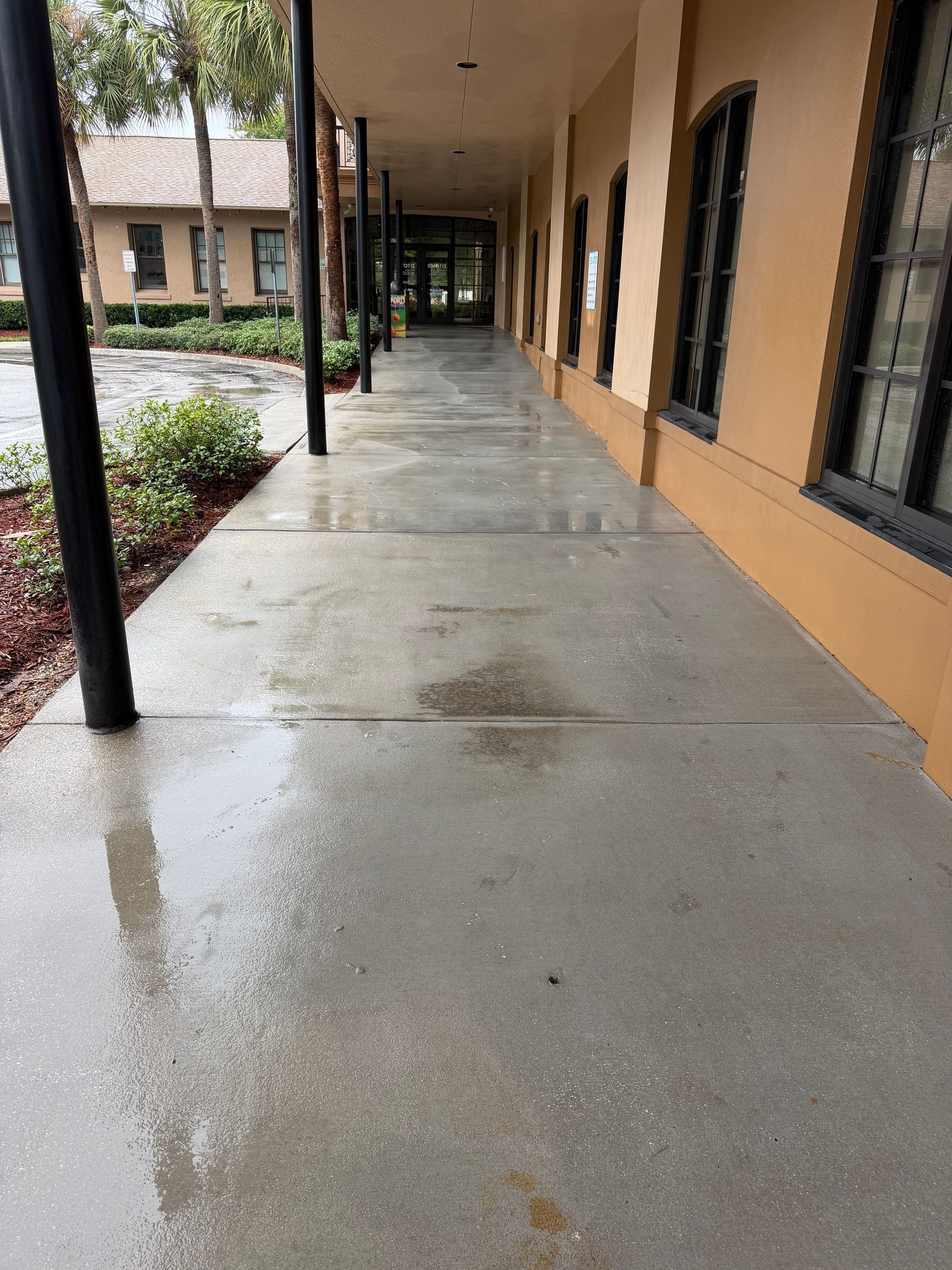
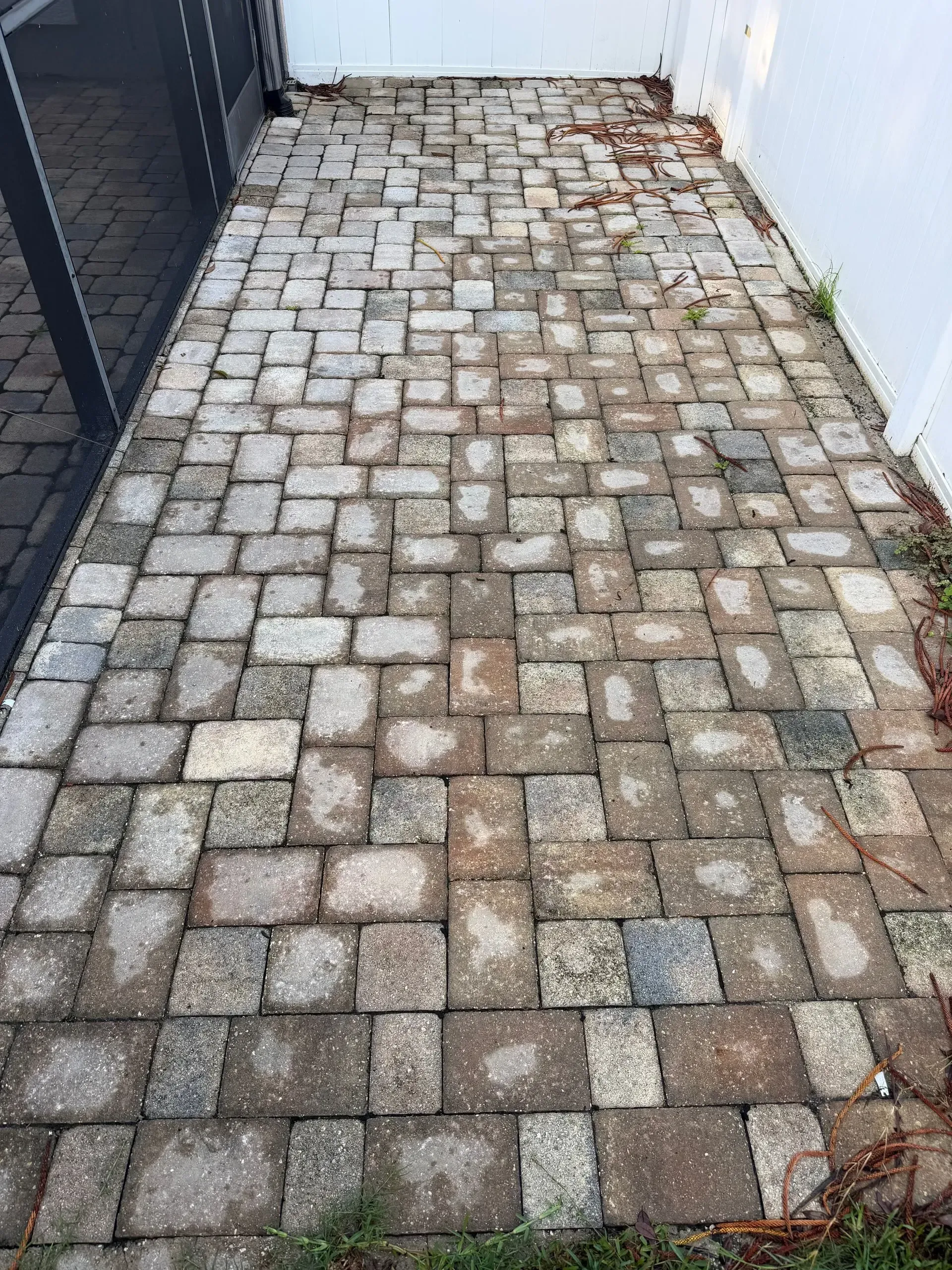
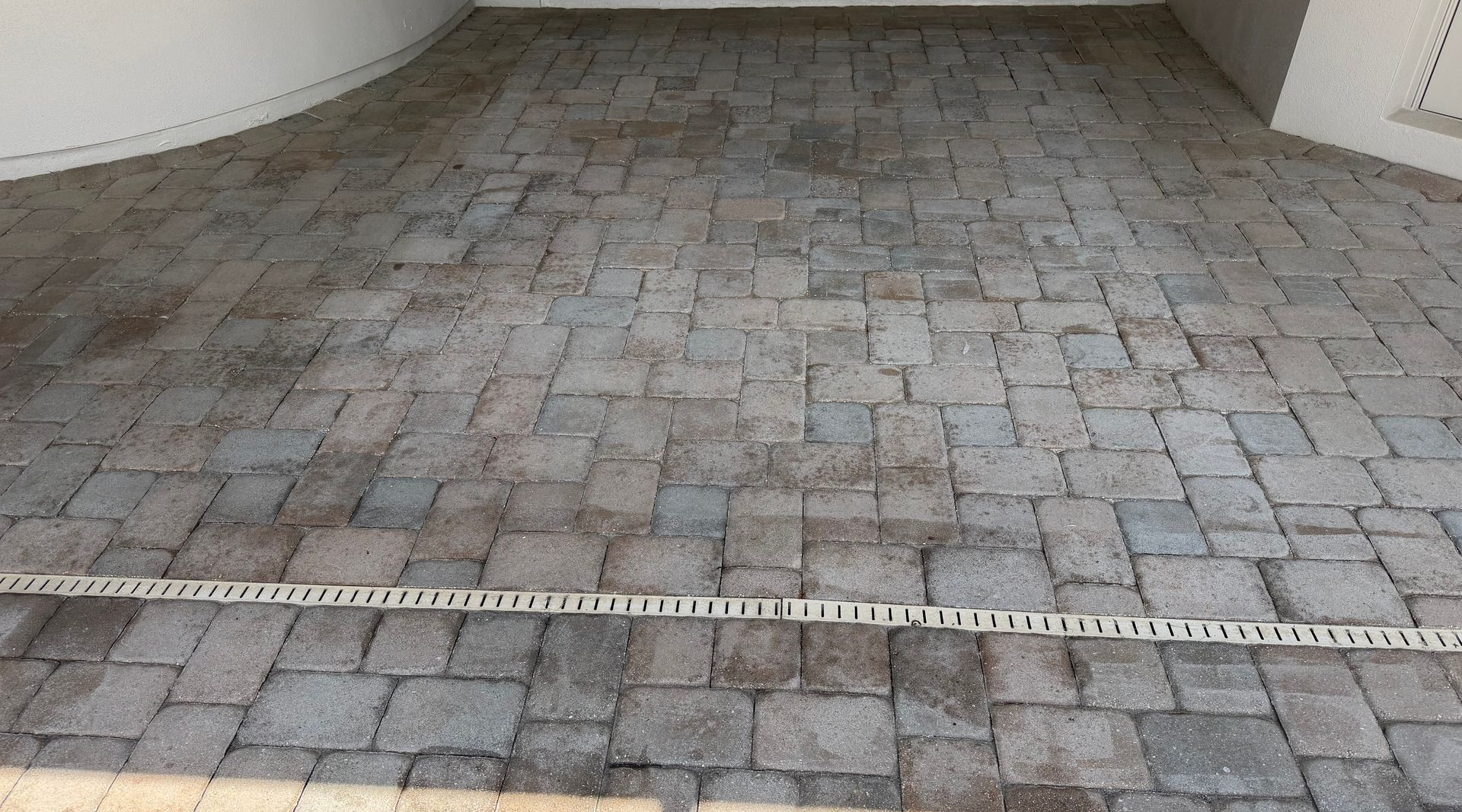
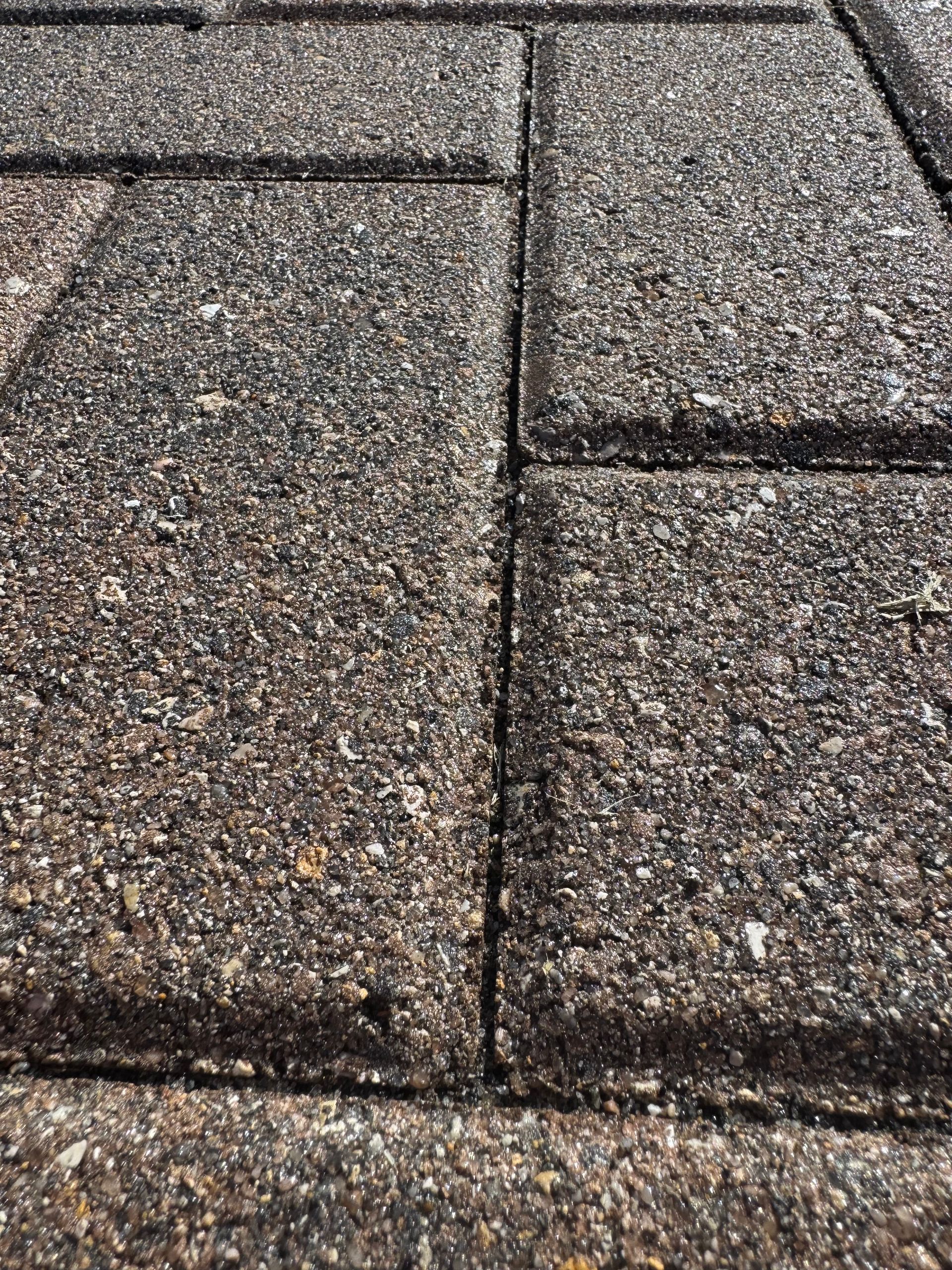
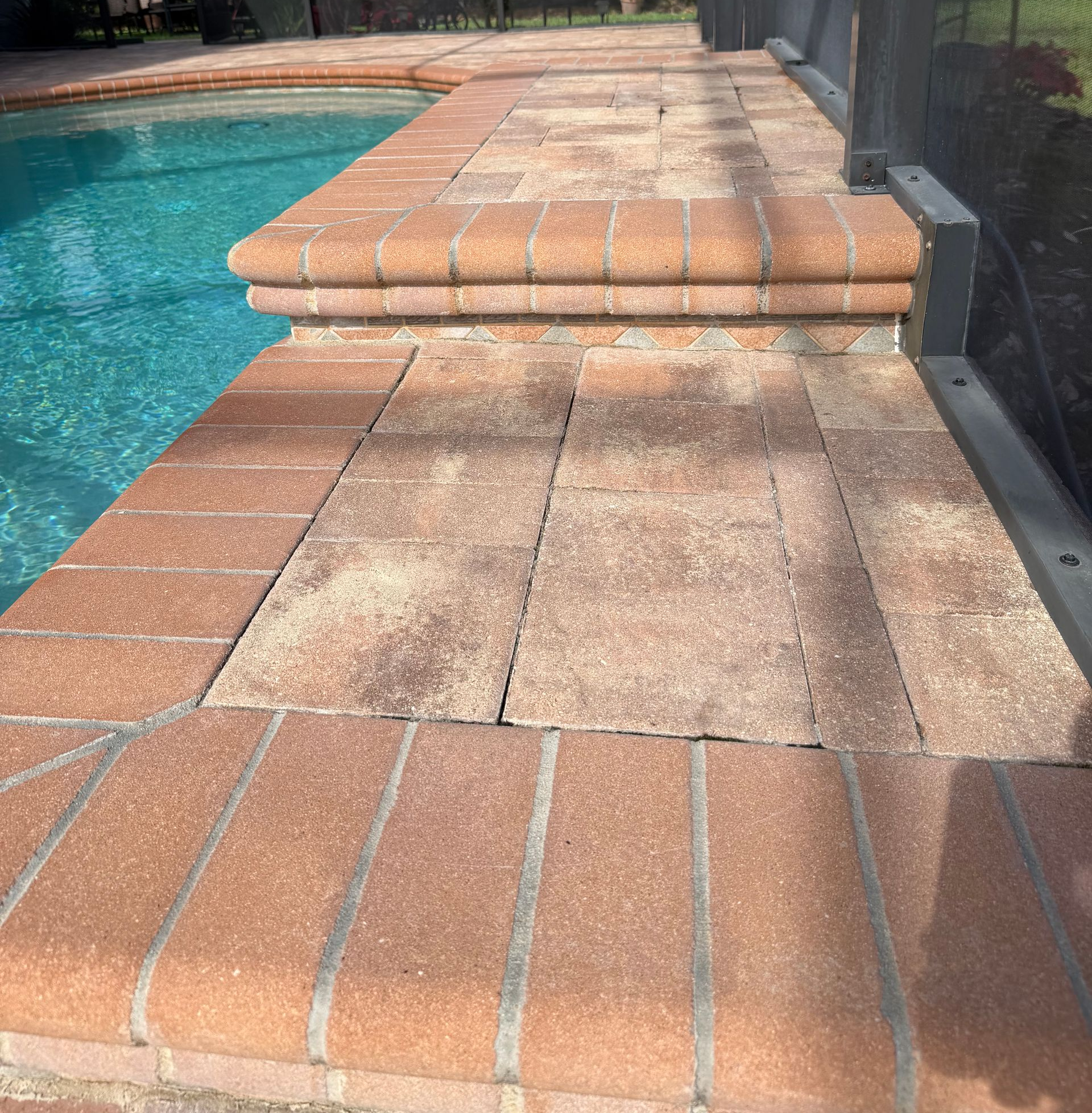
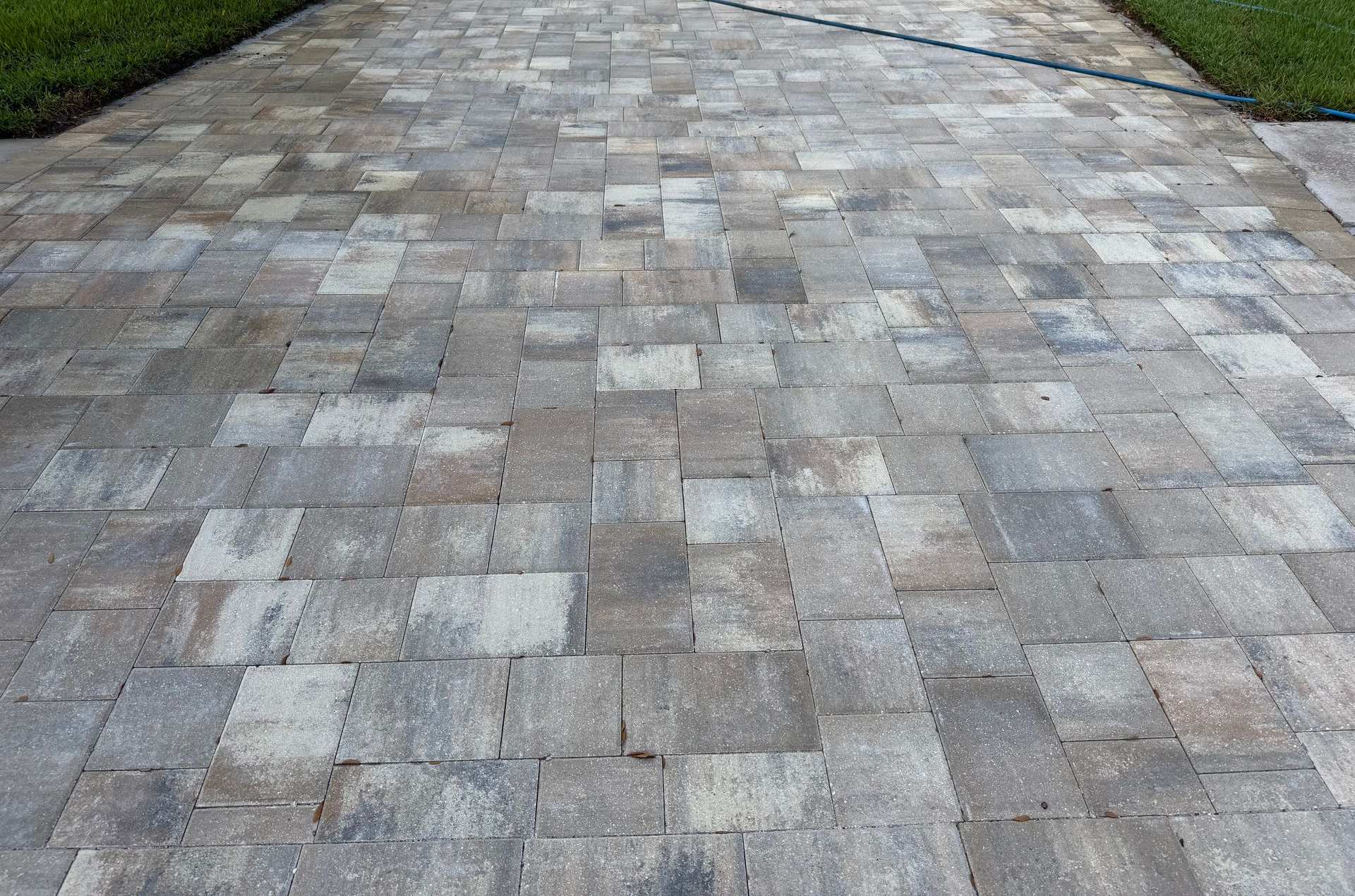
Then there's the organic load. A storm strips leaves, seed pods, Spanish moss and bark and plasters them flat onto horizontal surfaces. Left there for even a week in September heat, leaf tannin leaches into porous pavers and travertine and stains brown. That stain is not dirt sitting on top — it has wicked into the stone, and by the time it dries in it takes a dedicated treatment rather than a rinse.
[PHOTO: wet leaf debris matted onto a paver pool deck after a storm, tannin staining visible where leaves have been removed]
How soon after a hurricane should you clean your exterior?
Once the property is safe and any structural repairs are scheduled, the useful window for cleaning is the first two to four weeks. That's long enough for things to dry out and for roofers or tree crews to finish making a mess, and short enough that organic staining hasn't fully set.
Waiting until spring is the common mistake. Tannin stains that would have lifted easily in October are a genuinely harder job in March, and the algae that took hold in the standing moisture has had six months of Florida humidity to colonize.
The four things worth checking first
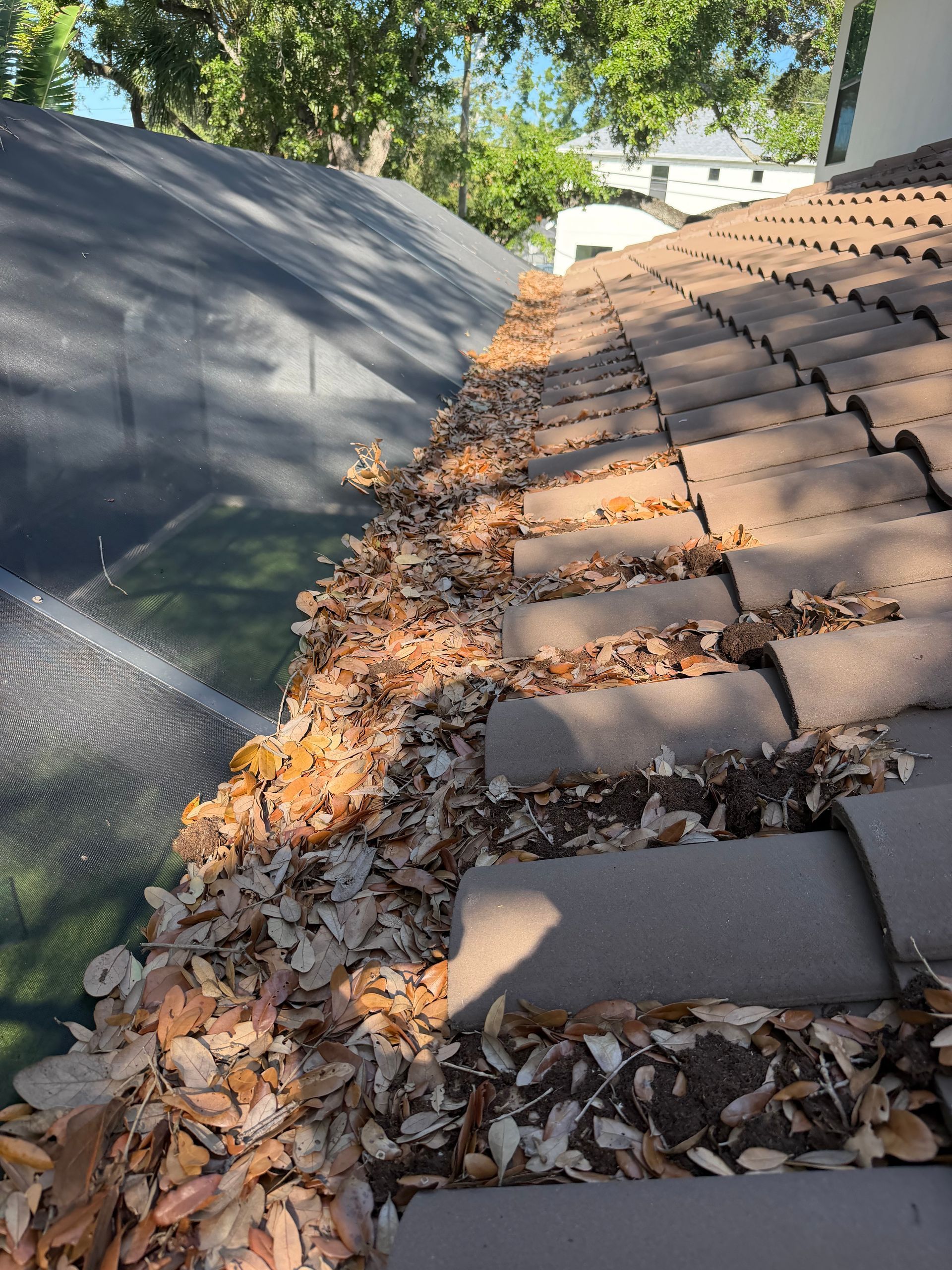
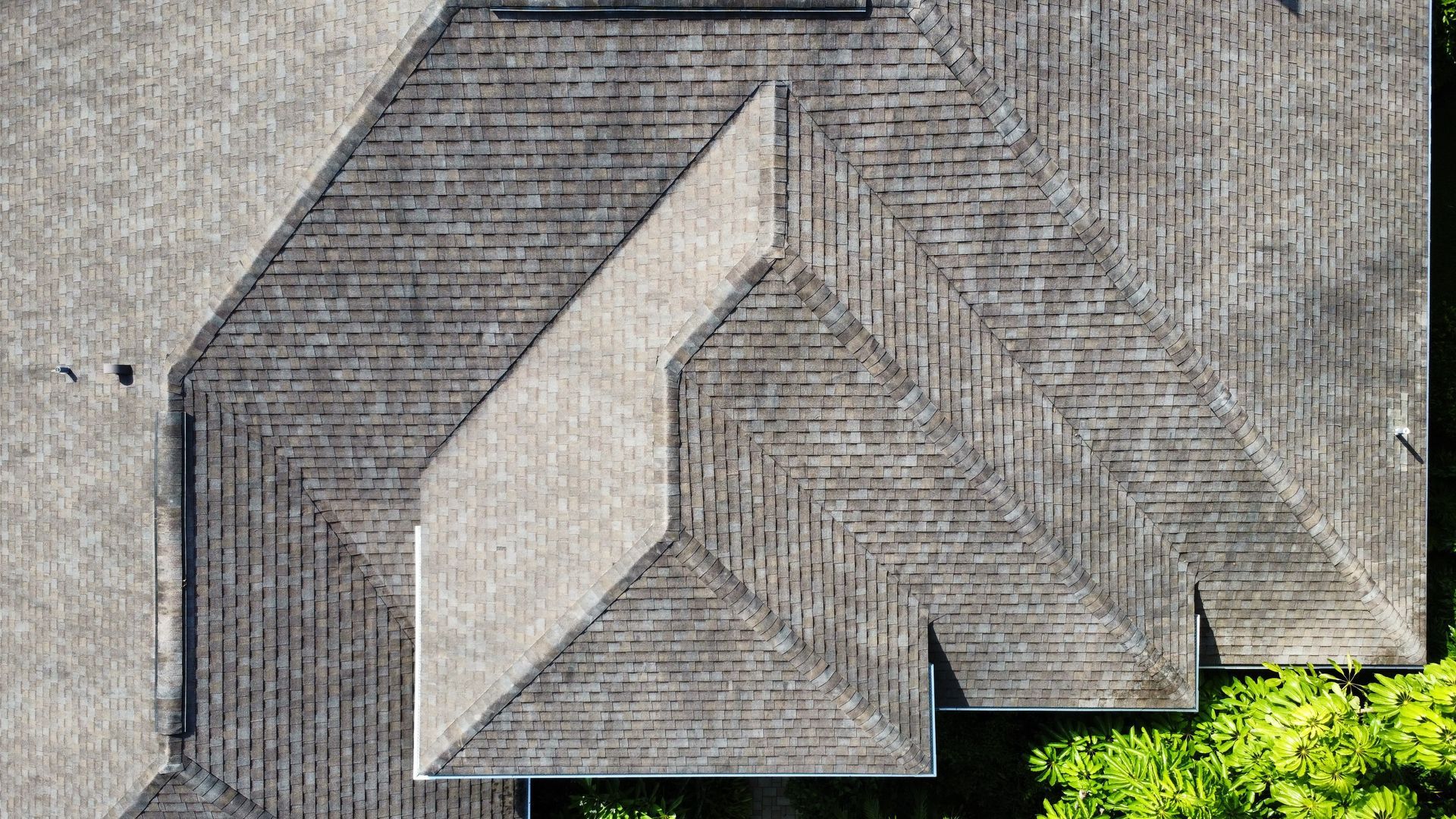
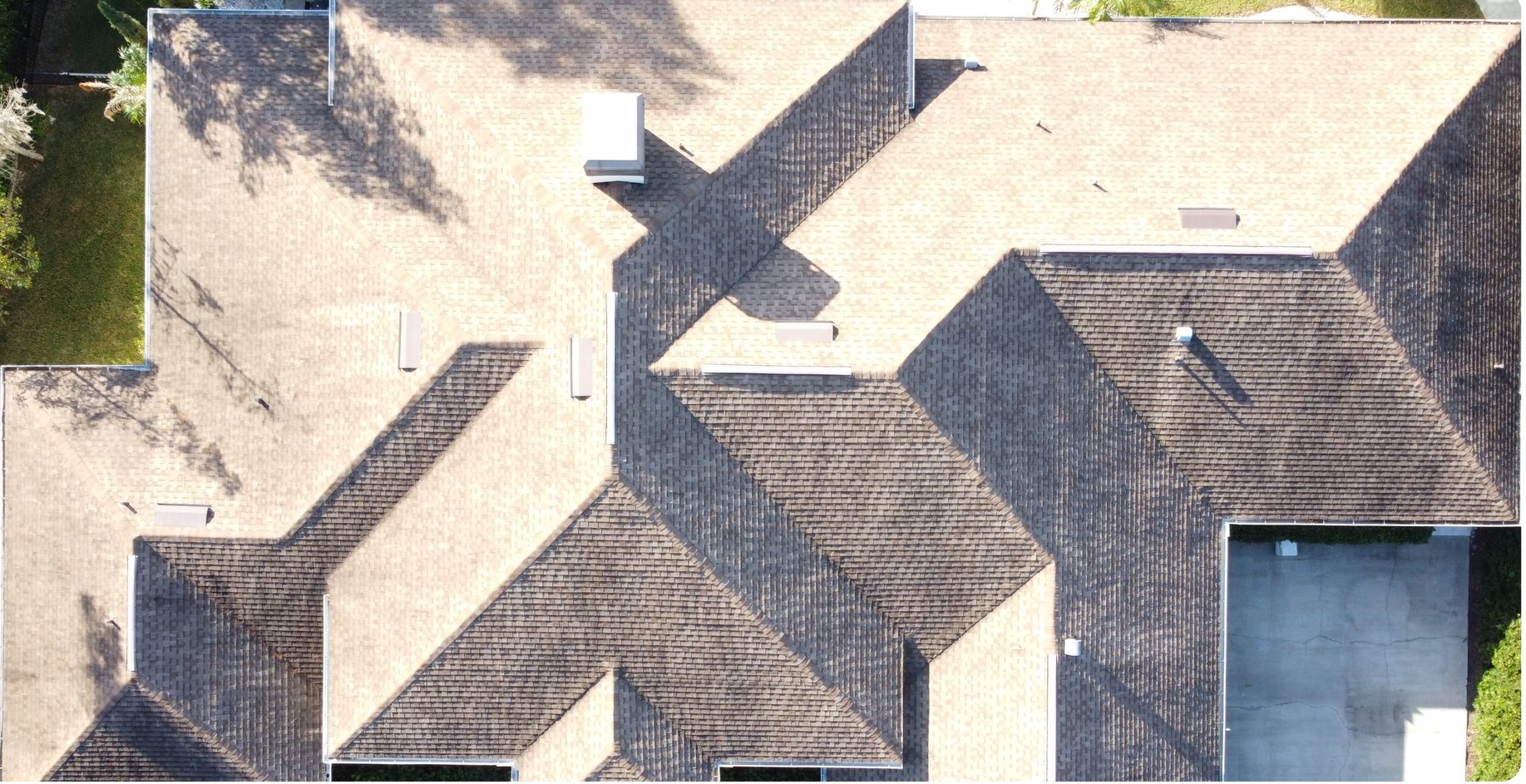
- Roof valleys and the north-facing slope. Wet vegetation trapped in a valley holds moisture against the tile or shingle indefinitely and becomes the seed bed for the black streaking you'll see next year. This is the single highest-value item on the list.
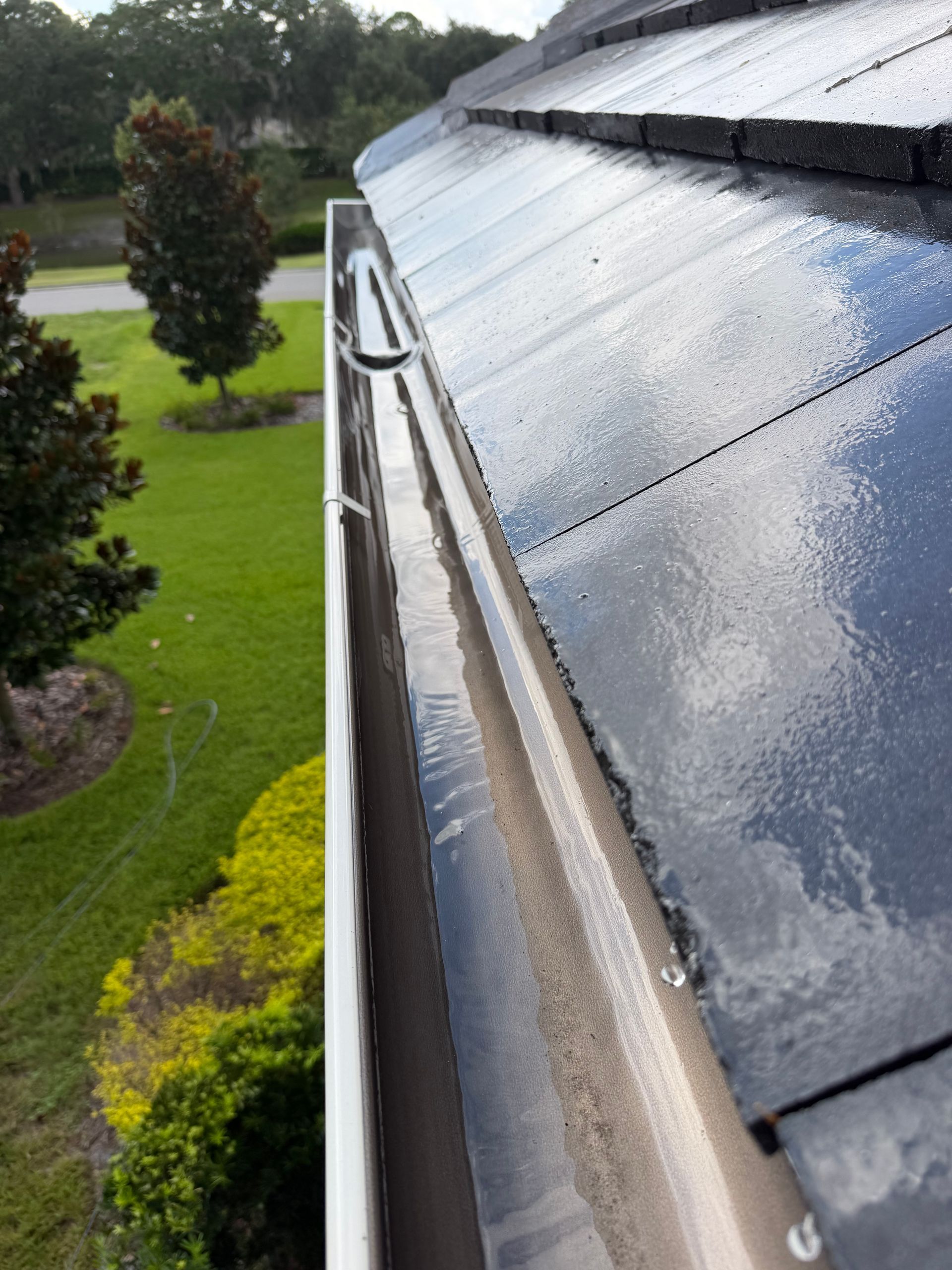
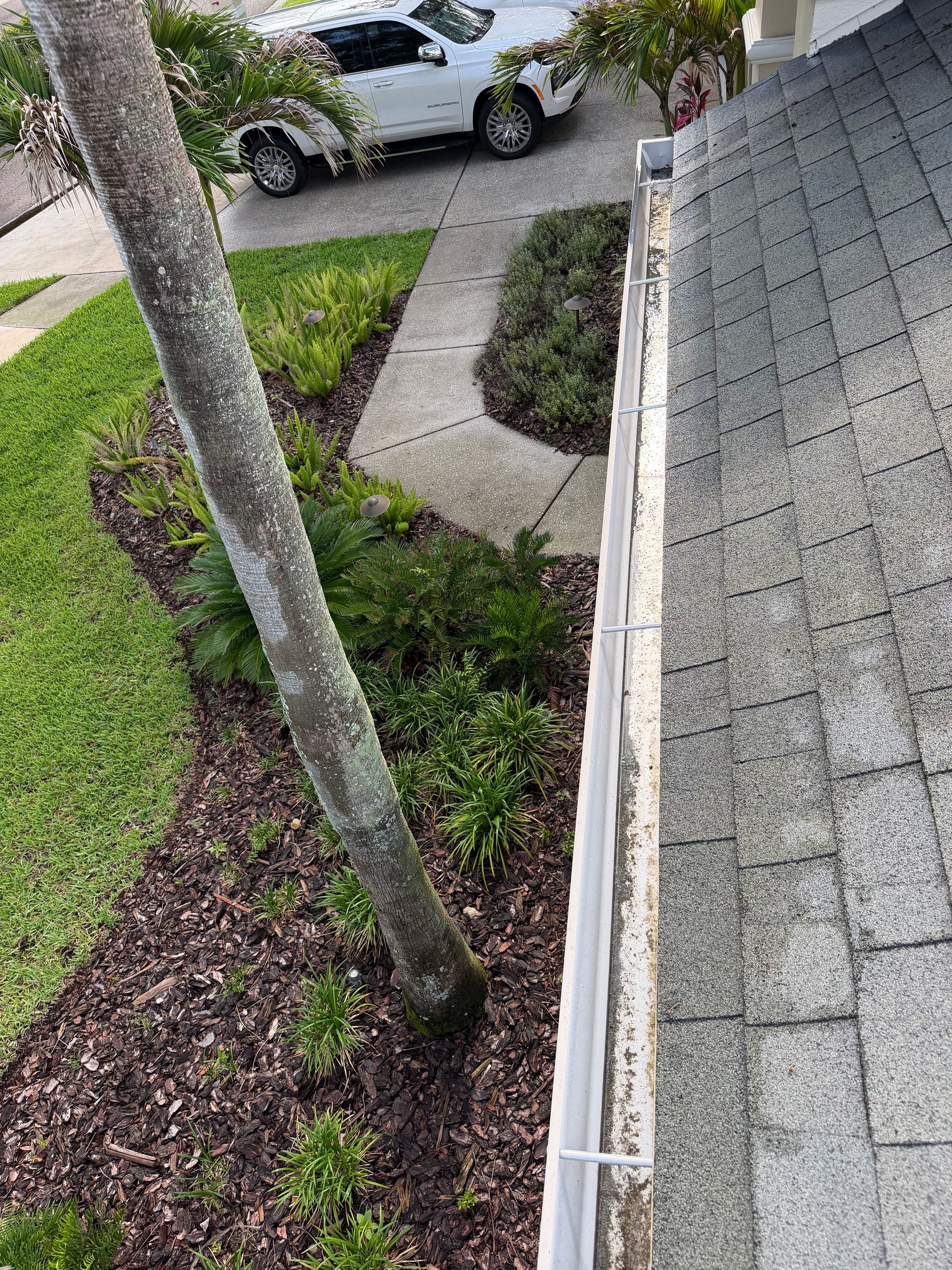
- Gutters and downspouts. Storm debris is heavier and wetter than normal fall debris, and it compacts. A gutter that drained fine in August can be fully blocked after one system — and Tampa's rainy season isn't over in September.
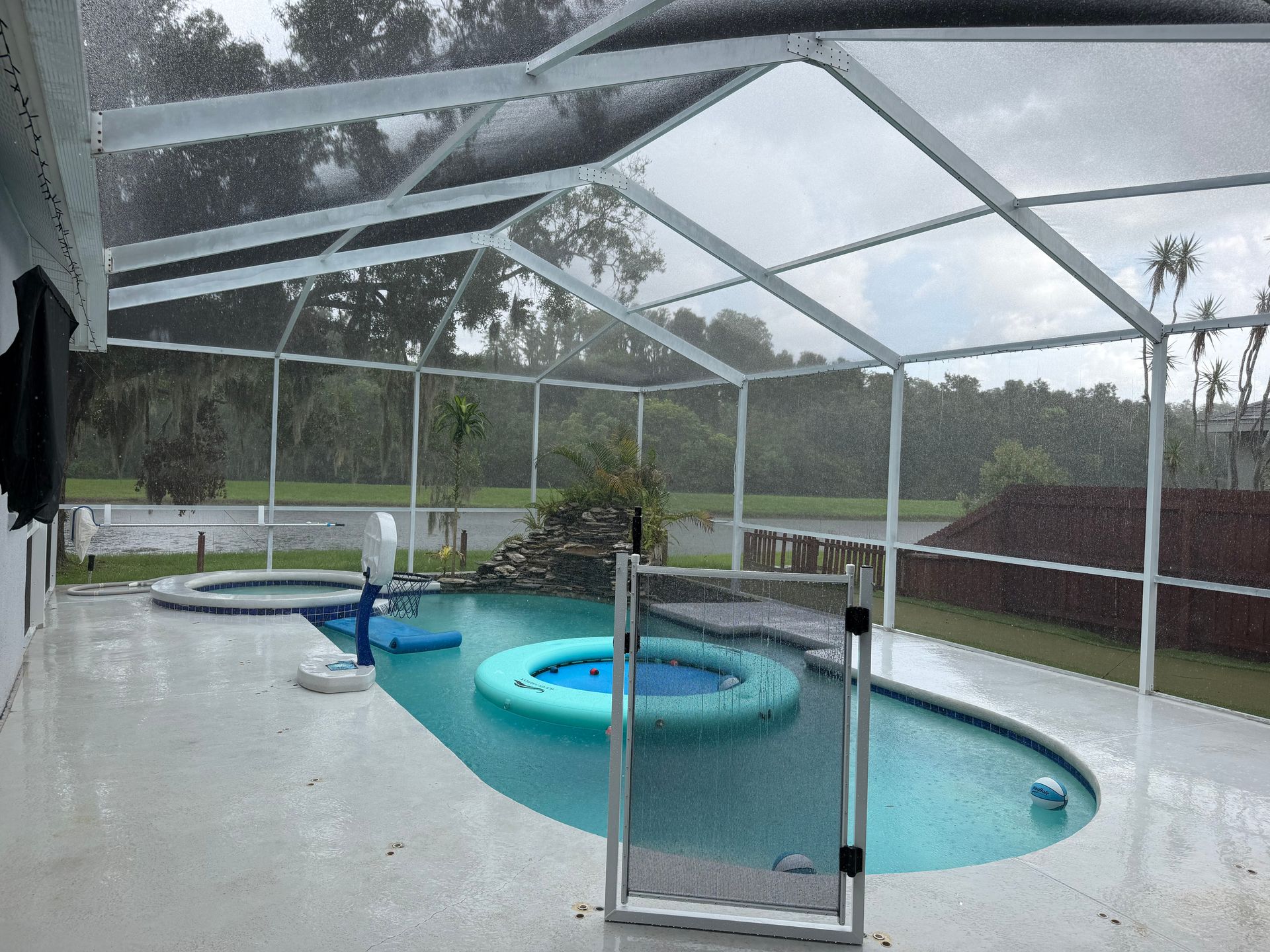
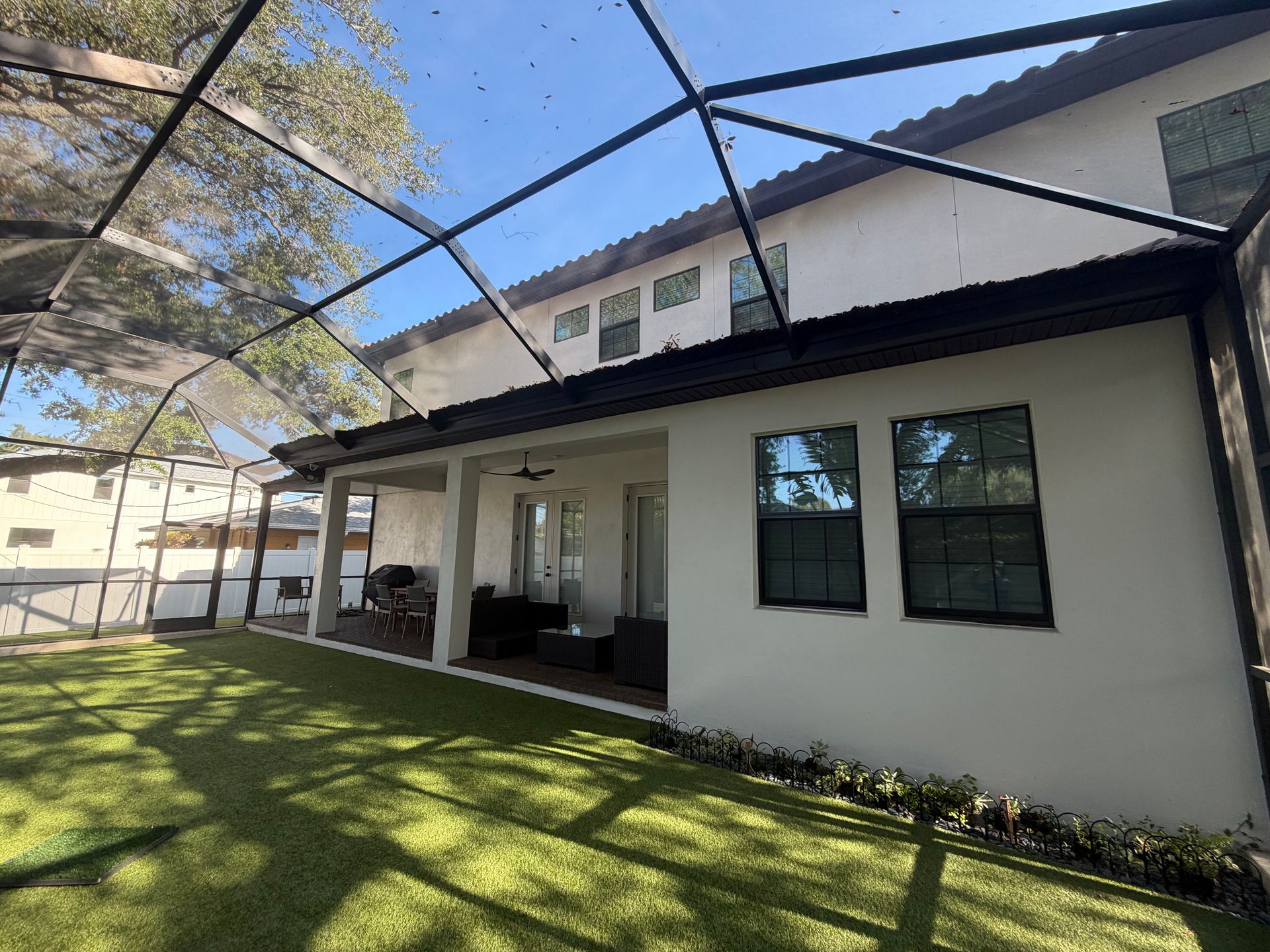
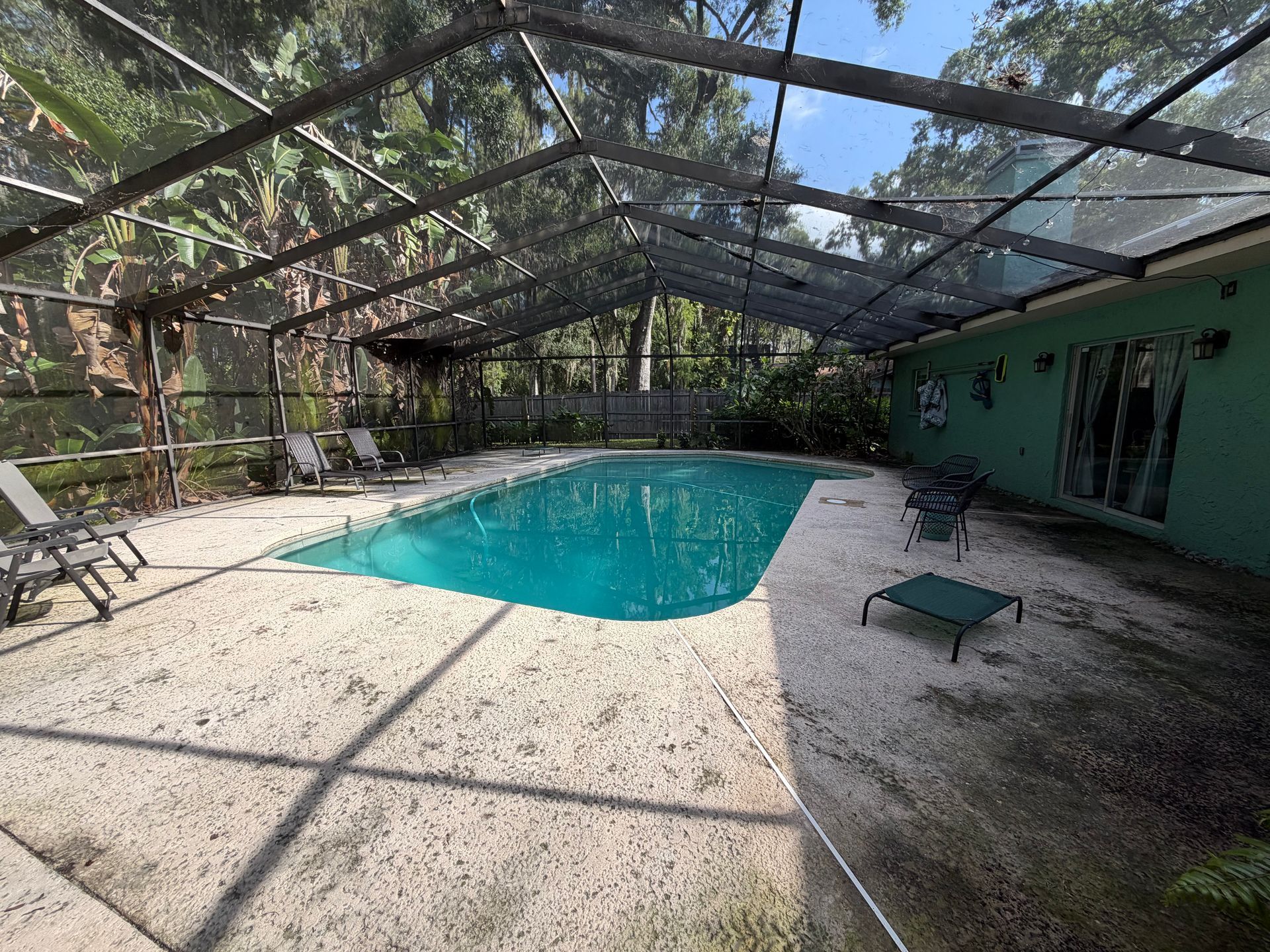
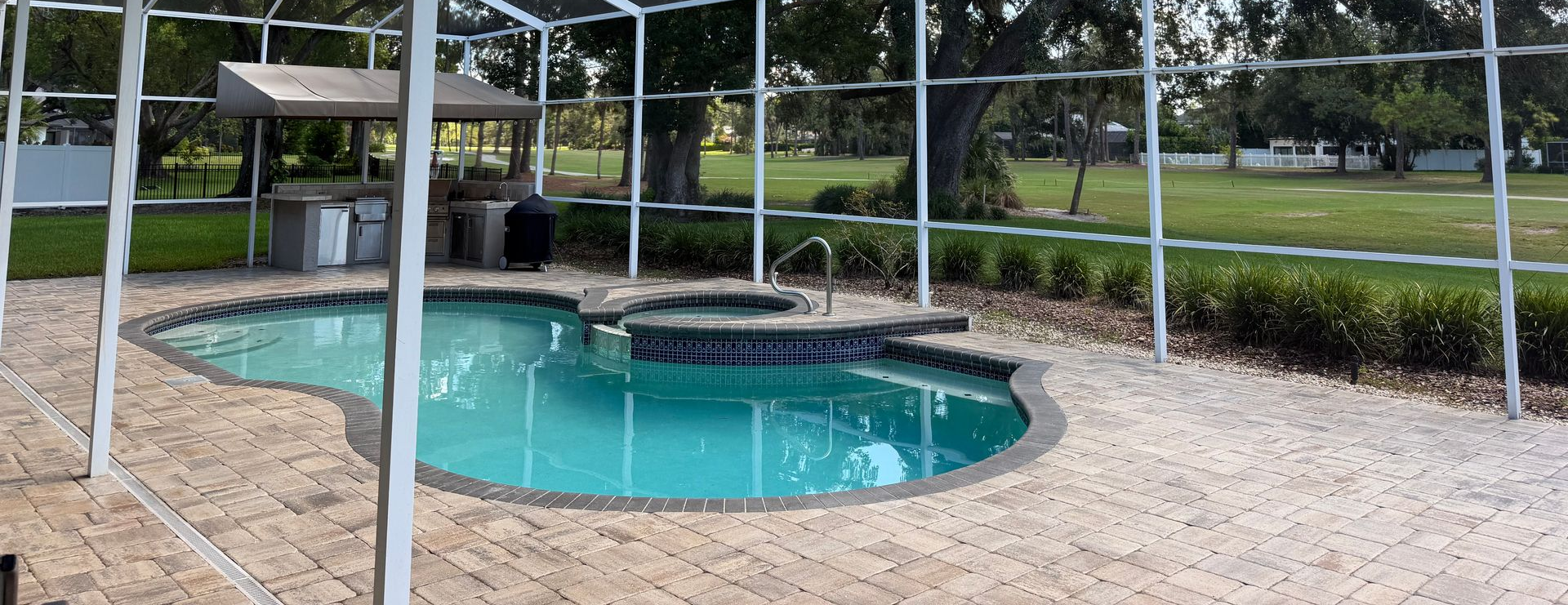
- Screen enclosures and cage frames. Check for salt film and for the mildew bloom that follows standing water in the channels.
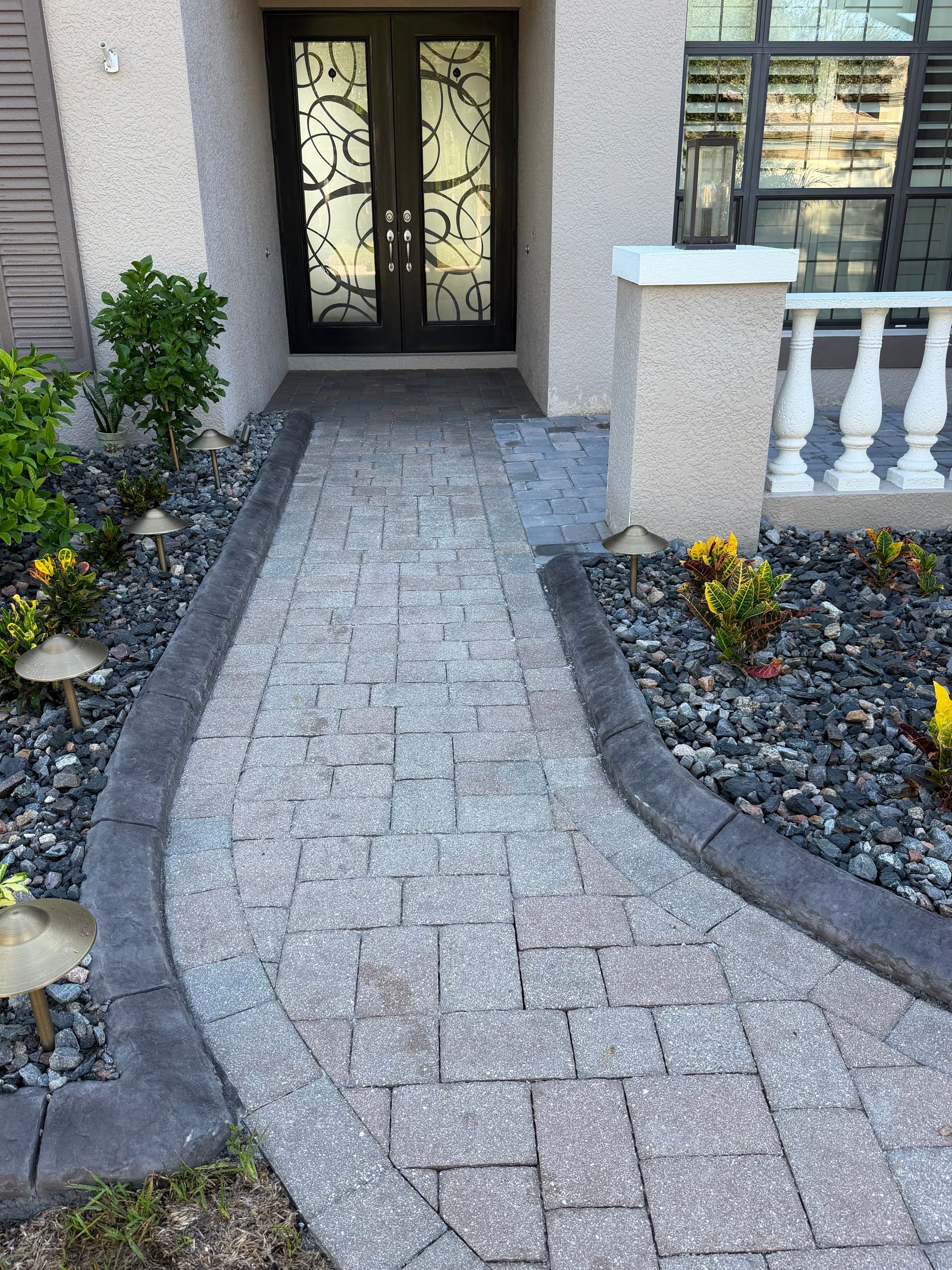
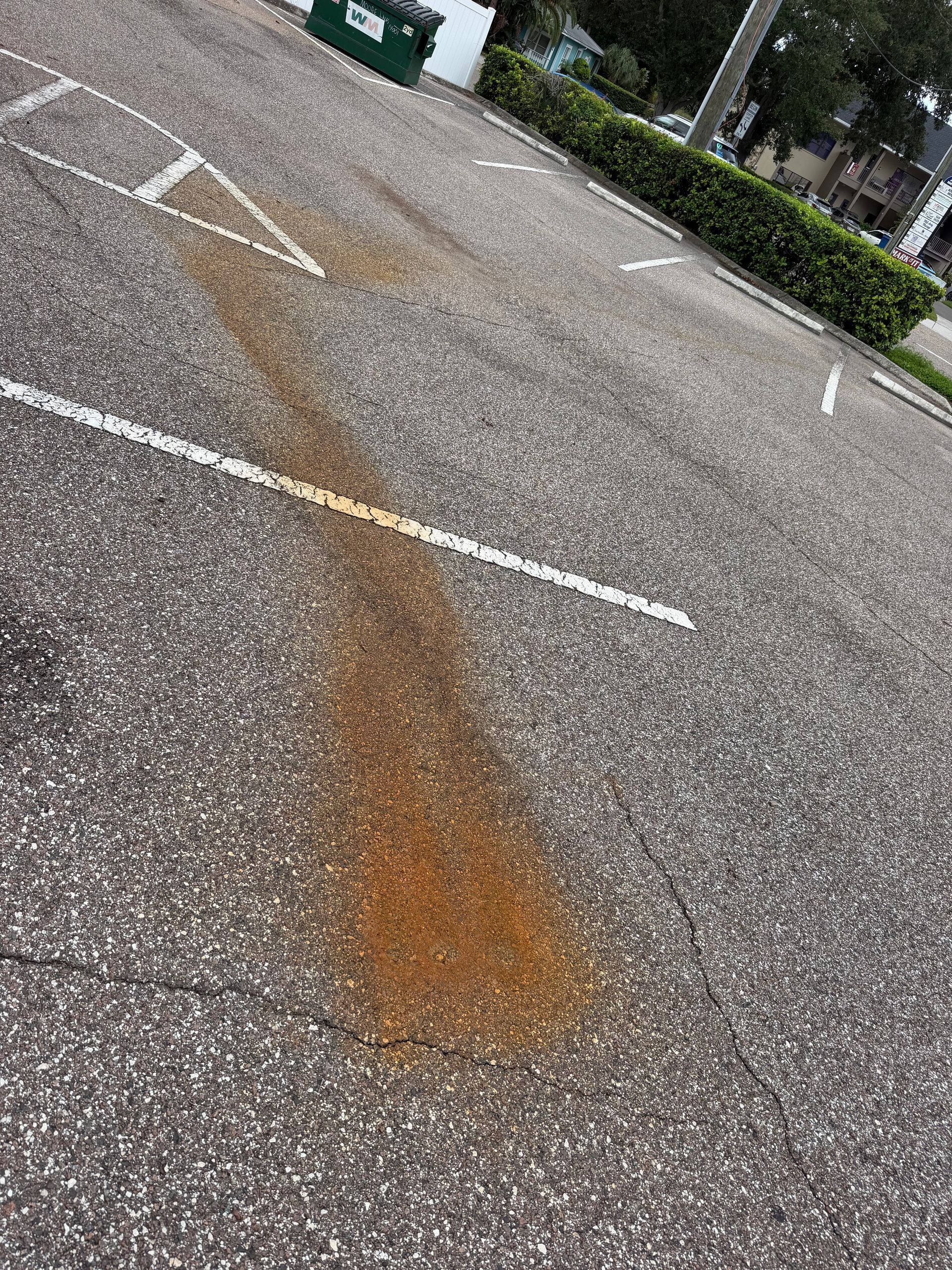
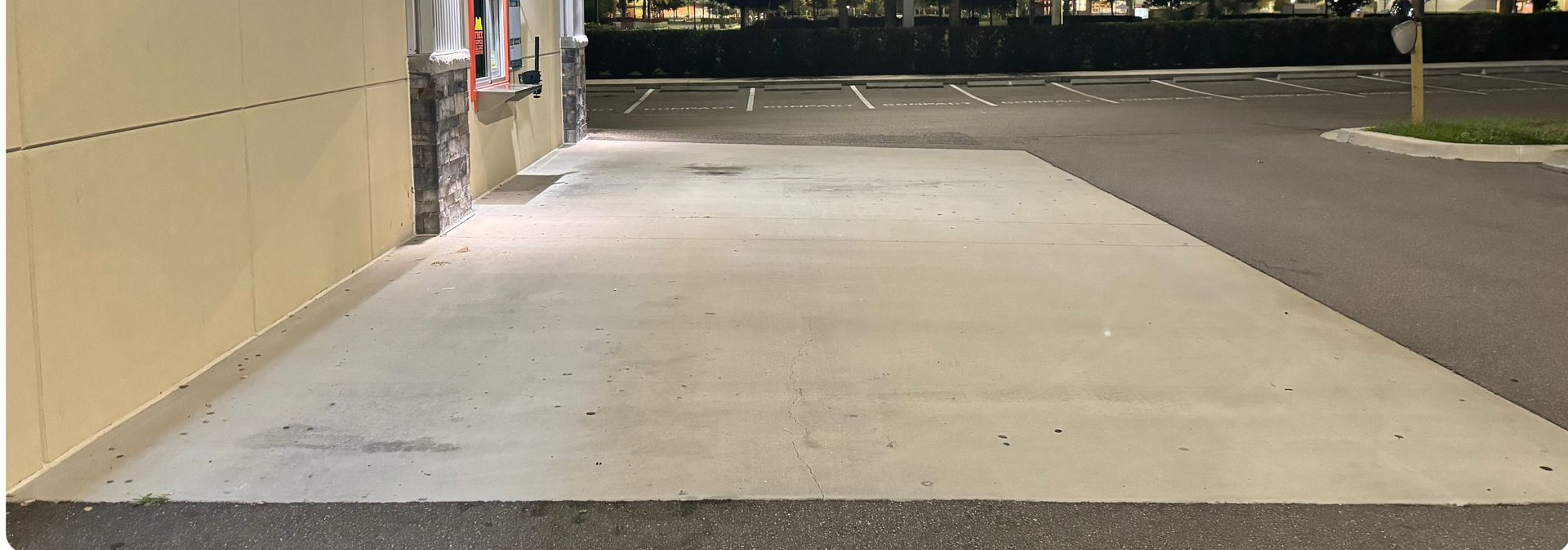
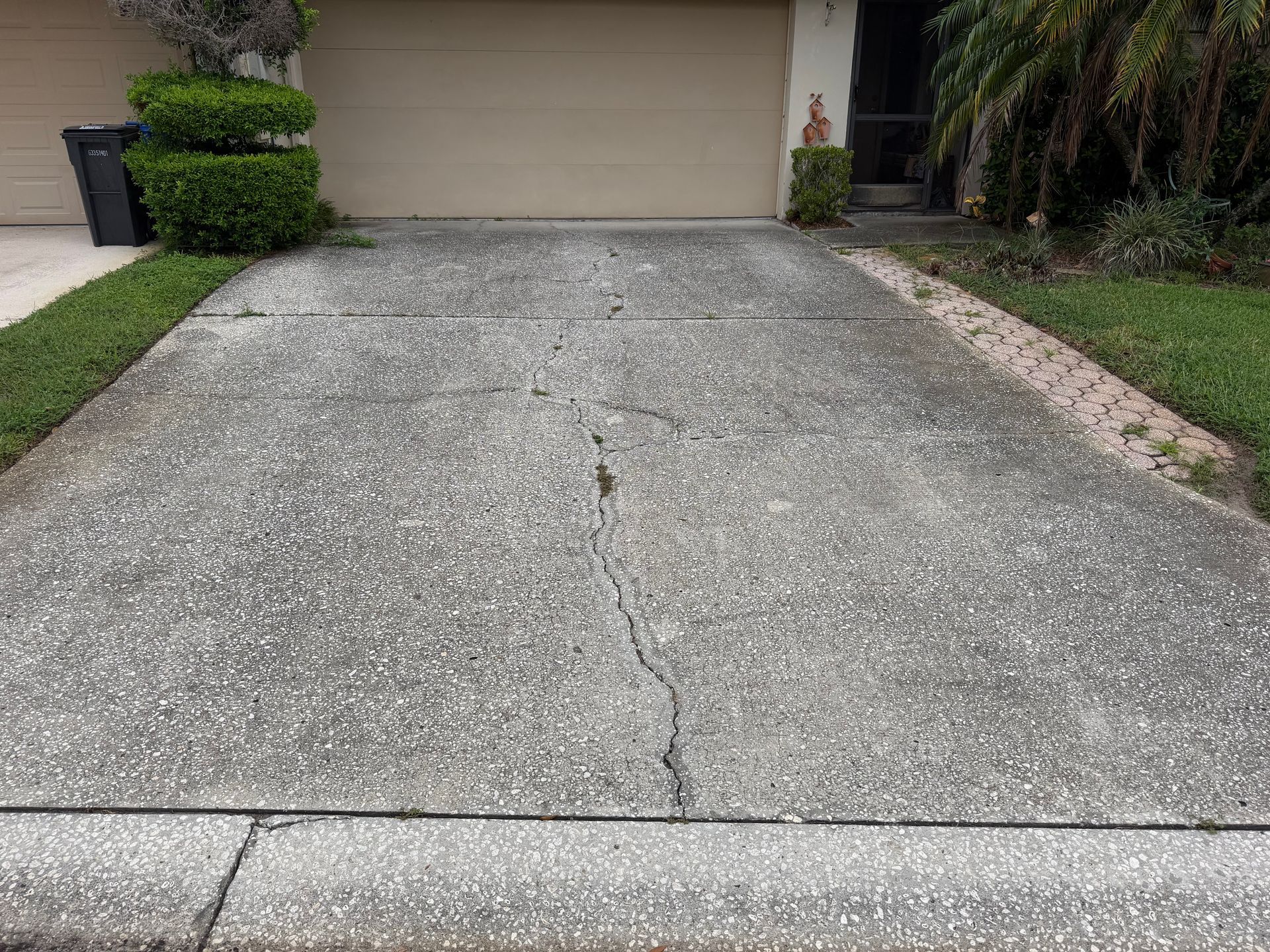
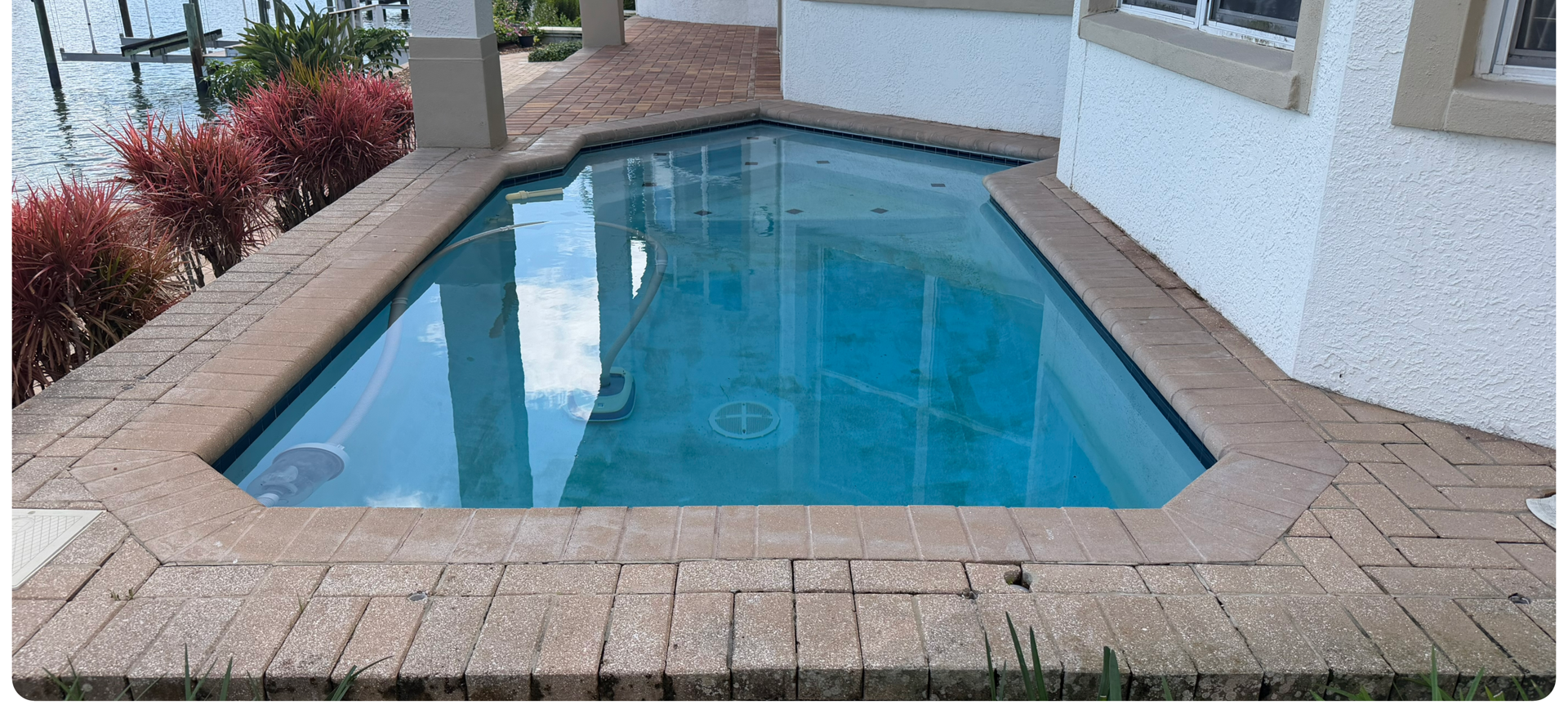
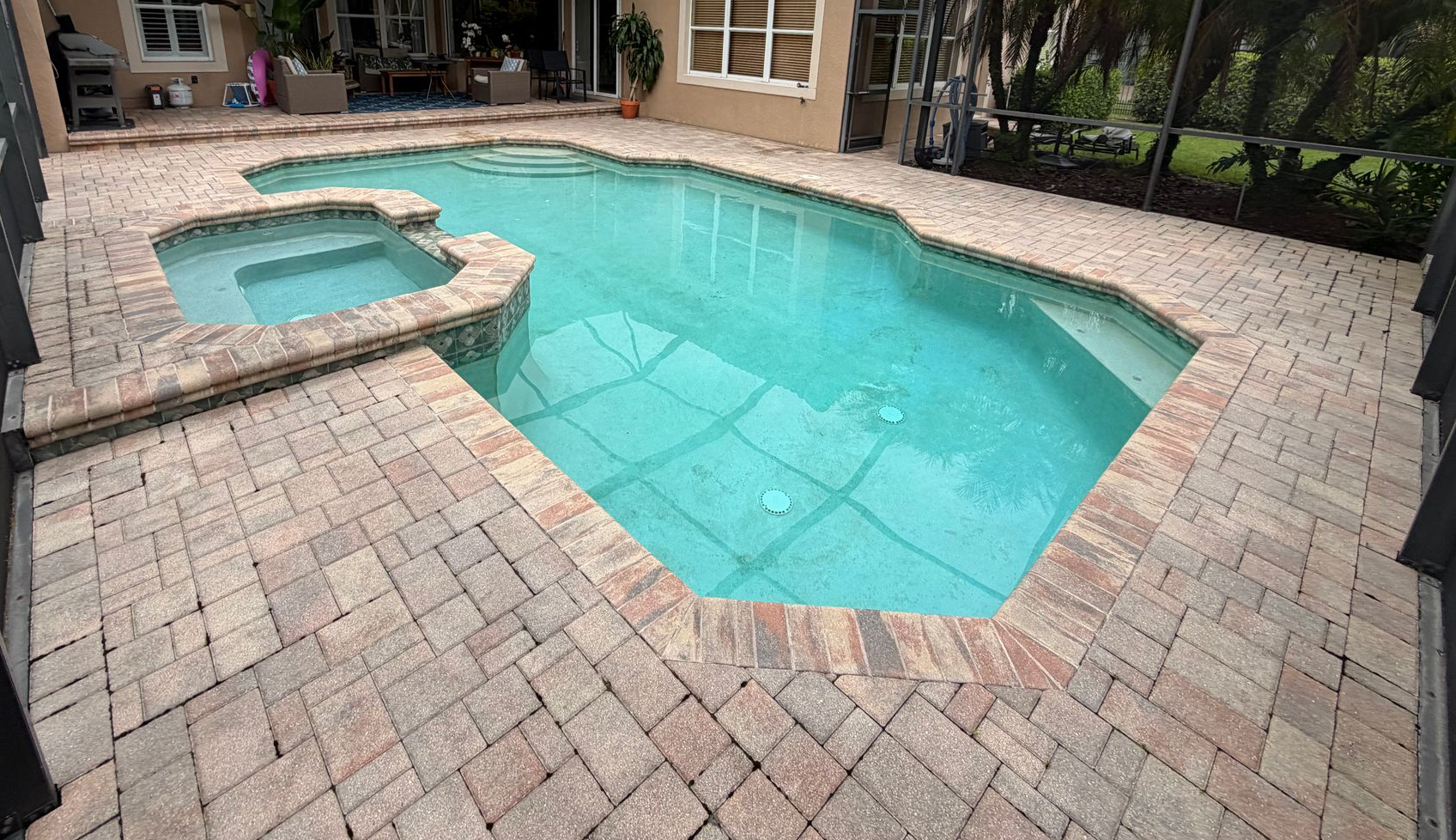
- Pavers, travertine and concrete flatwork. Look specifically for brown organic staining and for any rust bloom where metal furniture, planters or debris sat wet for days.
Why this is harder than a rinse with the hose
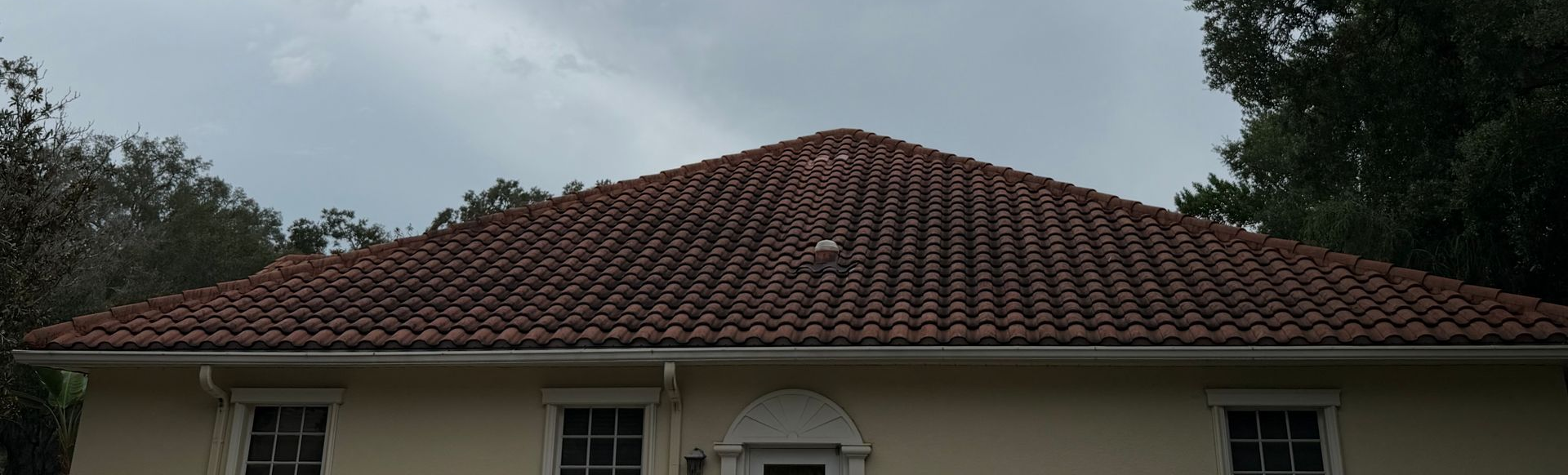
We say this to homeowners constantly, and we mean it: this is genuinely more difficult than it looks. Salt film needs a chemical approach, not pressure — blasting it off a screen enclosure will stretch the screen and drive water into the frame channels. Tannin staining on travertine responds to the wrong cleaner by etching. And a tile roof after a storm is the worst possible time to be walking around on it, which is exactly why professional roof cleaning here is done from ladders and low-pressure application rather than from the roof deck.
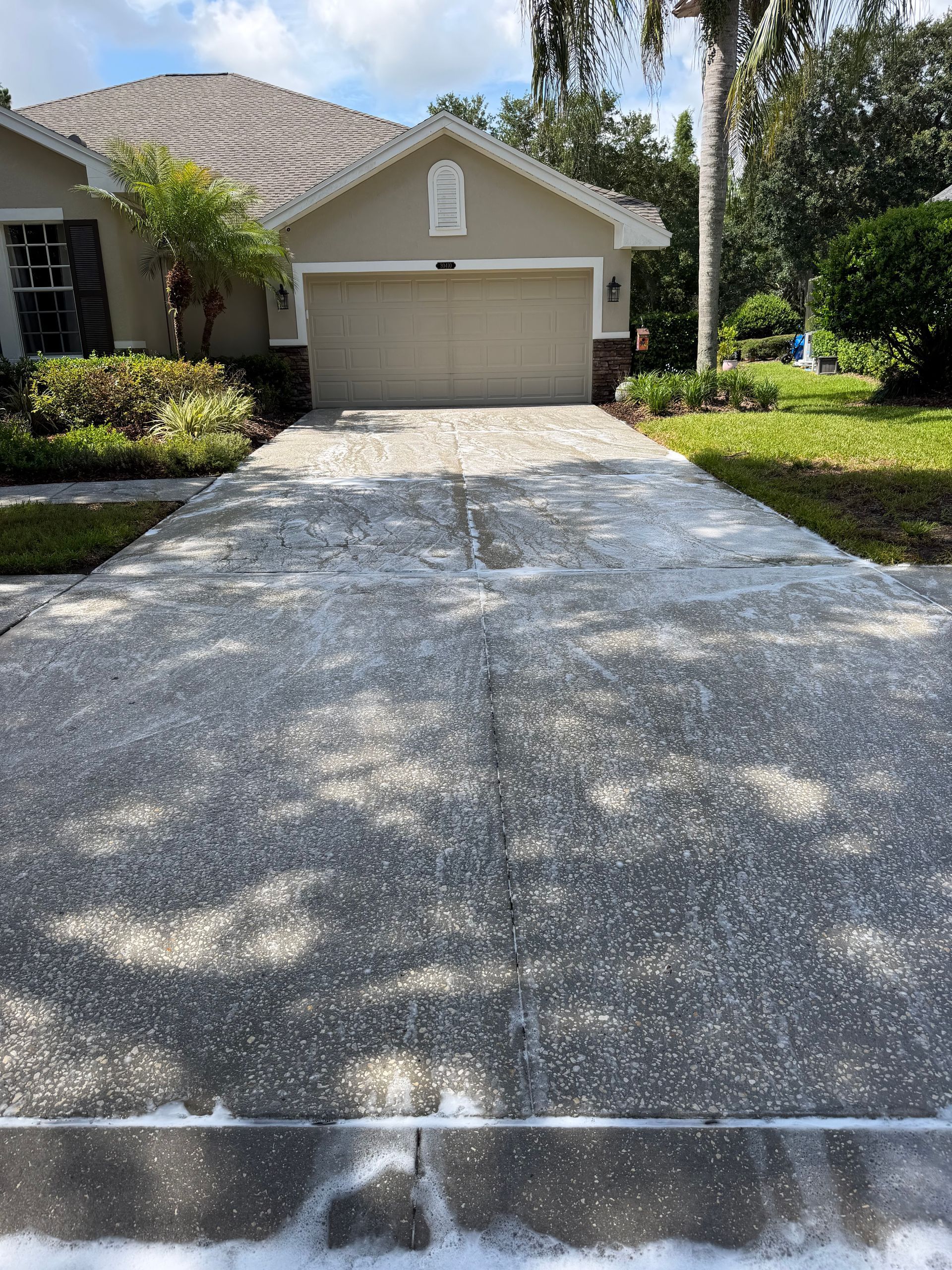
The cleanup also has to happen in an order that makes sense. Roof first, then gutters, then elevations, then flatwork — otherwise you clean a driveway and then rinse everything you just removed from the roof straight down onto it.
[PHOTO: before/after of a tile roof valley cleared of storm vegetation — Avila or Cheval]
A note on insurance documentation
If you're filing on storm damage, photograph the exterior before anything is cleaned. Adjusters reasonably want to see condition at the time of loss, and a homeowner who power-washes the evidence away first makes their own claim harder. Clean after the adjuster's visit, not before.
Get your exterior back to where it was
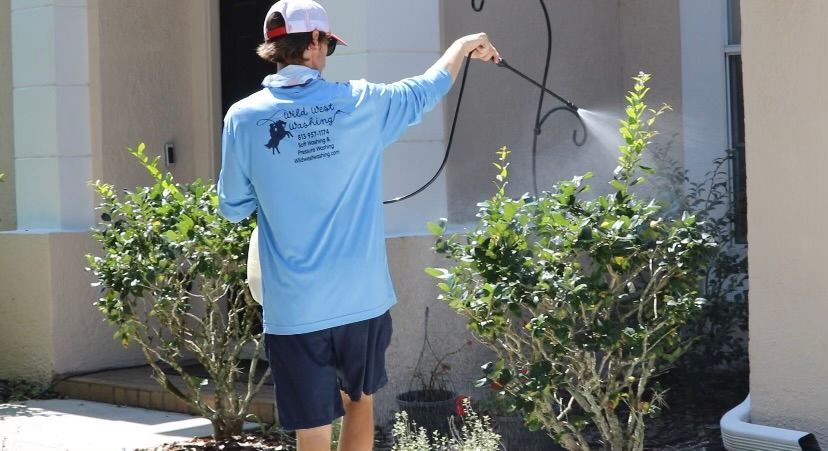
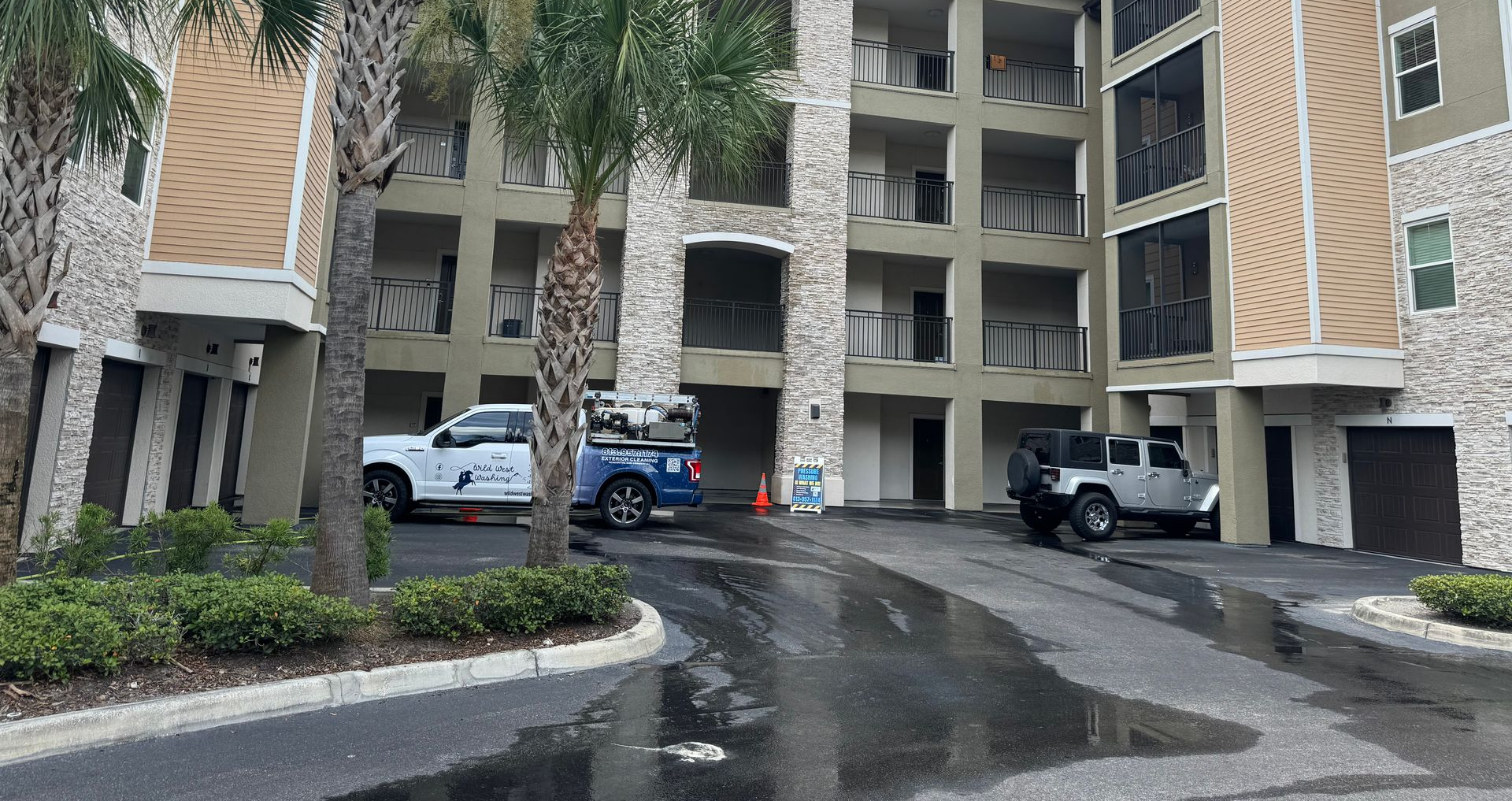
We've been cleaning up after Tampa Bay storms for years, and we book heavily in the four weeks after a system comes through — so if a storm has hit your neighborhood, calling early matters more than usual. Our veteran-owned crew handles roofs, gutters, screen enclosures and flatwork as one coordinated visit, in the right order, with your landscaping protected throughout.
Call 813-957-1174 for a free quote on post-storm exterior cleaning, or ask us to look at your gutters and downspouts before the next system lines up in the Gulf.