The Waterfront Maintenance Nobody Schedules
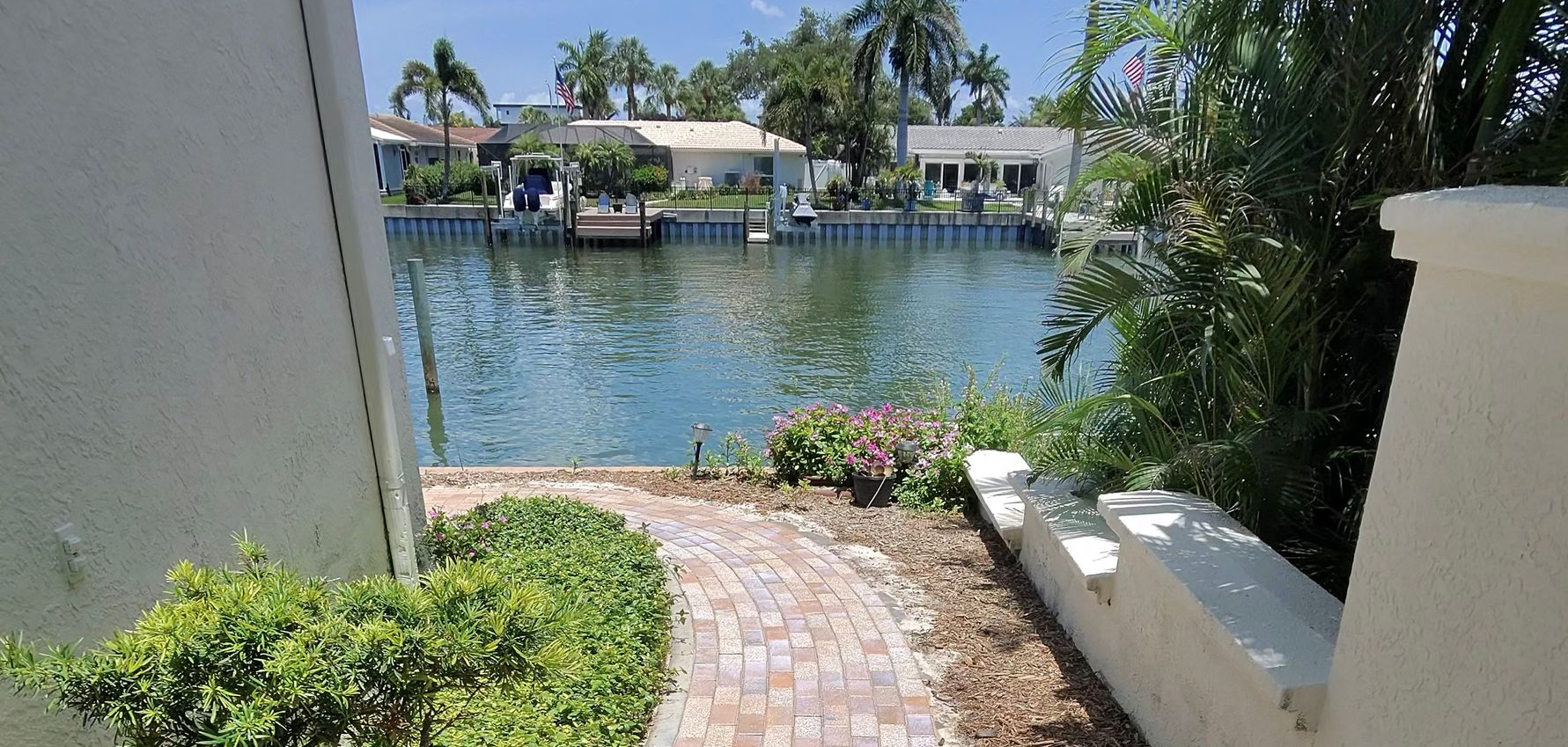
Homeowners on the water in Tampa Bay keep a tight schedule on the house, the roof and the driveway, and then walk past a black-streaked dock and a green seawall every single day without it ever making the list. Dock and seawall cleaning in Tampa is the most-postponed job on the waterfront, and it's also the one where neglect turns cosmetic into structural fastest.
Salt, constant moisture and a tidal wet-dry cycle are a punishing combination. Here's what's actually happening out there and what a proper cleaning involves.
What's growing on a waterfront dock?
Above the waterline, the culprit is mildew and algae in the grain of the decking — worst on the shaded side, under railings, and anywhere a boat lift or canopy keeps a section from drying. On composite decking you get a slick black film that makes the dock genuinely dangerous when wet.
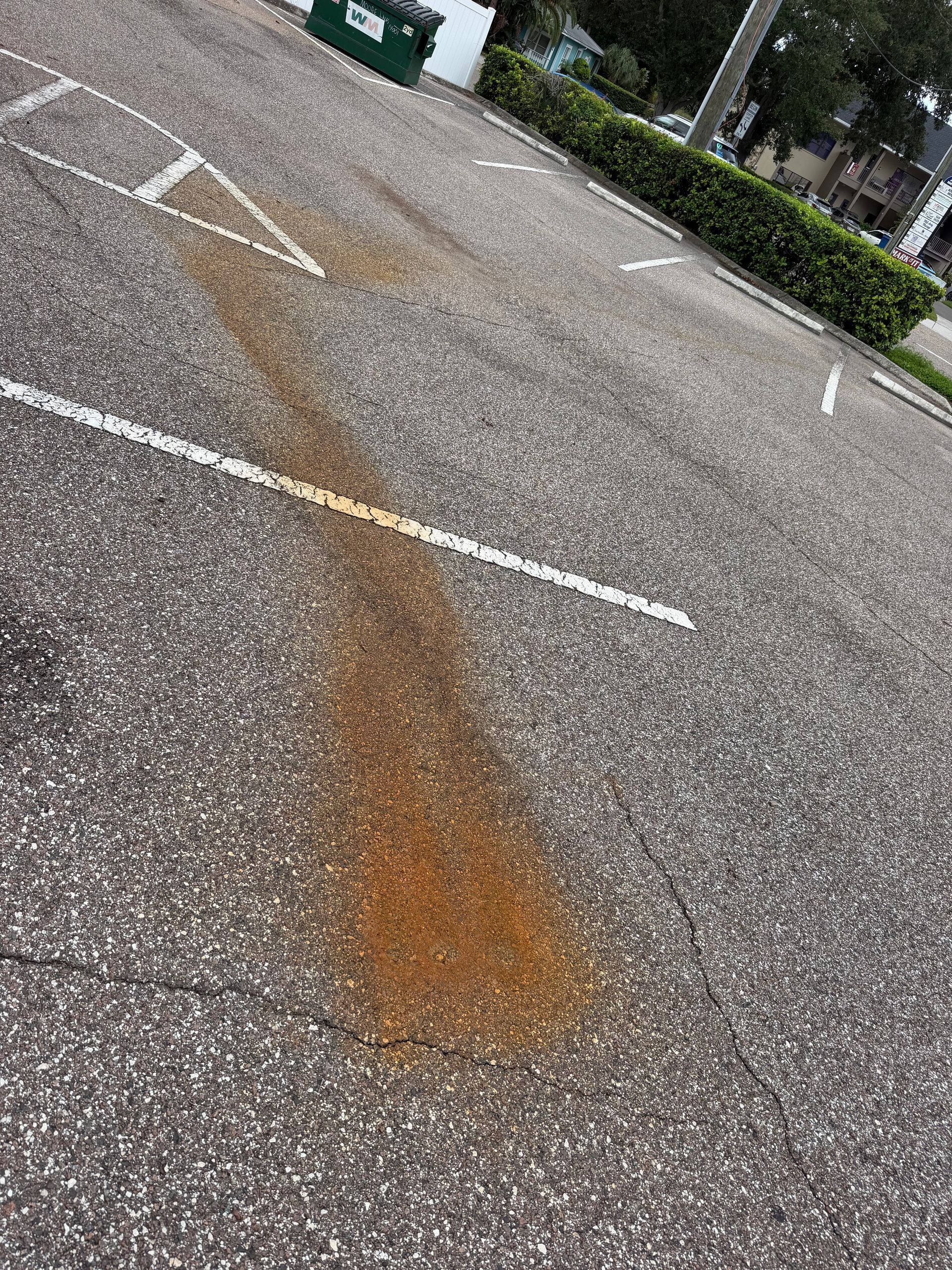
At and below the tide line, it's different: barnacles, oyster spat, and a green-black algal band that marks the average high water. On a concrete seawall or a cap, that band plus the salt itself drives efflorescence and, over time, spalling — where moisture and salt work into the concrete, reach the rebar, and push the face off from the inside. You see the early stage as fine cracking and rust-colored weeping down the face.
That's the point where this stops being about appearances.
[PHOTO: seawall cap with tide-line staining and early efflorescence — Davis Island or Culbreath Isles]
Can you pressure wash a dock?
Wood and composite docks are washed at controlled pressure with the right detergent — not with a wand cranked to 3,500 PSI, which on older pressure-treated decking will furrow the soft grain and leave a permanently fuzzy, splinter-prone surface. Composite gets lower pressure still; the manufacturers are specific about it, and too much pressure voids most composite warranties outright.
Concrete seawall caps and pilings take more pressure comfortably. Aluminum railings, boat lift motors, dock boxes and lighting do not, and those all need to be either washed separately or protected.
What does a full dock and seawall cleaning include?
- Walk it first. Loose boards, rotted stringers, popped fasteners, corroded lift hardware — we note it before we start, because a clean dock shows problems a dirty one hides.
- Soft wash the decking and railings with a detergent matched to wood or composite, dwell, then rinse at appropriate pressure.
- Surface-clean the concrete cap and any adjacent hardscape for an even finish — spot cleaning a seawall cap looks worse than not cleaning it.
- Treat the tide-line band on the seawall face as far as access and water level allow, timed around low tide.
- Scrape and clear barnacle accumulation on pilings and the seawall face where it's reachable.
- Clean aluminum railings and lift structure separately, because salt oxidation on aluminum needs a different product than the deck does.
- Rinse everything down, including the boat if it's in the slip.
Runoff discipline matters more here than anywhere else on a property. You're working directly over an estuary. That means low-toxicity, biodegradable detergents, controlled application rather than flood-and-hope, and careful containment of anything scraped loose. We don't hedge on this — it's Tampa Bay, and a crew that's careless with runoff on a seawall is careless everywhere else too.
How often should waterfront hardscape be cleaned?
- Dock decking: annually. Twice a year on a shaded dock or one with a canopy that holds moisture.
- Seawall cap and face: annually, ideally scheduled in the drier months when tides and weather cooperate.
- Aluminum railings and lift hardware: annually, alongside the deck, with a wash-down after any named storm.
- Barnacle removal on pilings: as accumulation dictates — typically every one to two years on a residential dock.
The homes along Bayshore, Davis Island, Culbreath Isles, Sunset Park and Beach Park all run on roughly this rhythm, and the ones that stick to it spend a fraction of what the ones who wait five years spend. A seawall that gets cleaned annually also gets inspected annually, which is how you catch a crack while it's a caulk job instead of a panel replacement.
[PHOTO: before/after of composite dock decking with black mildew film — full dock length]
Timing, honestly
Late fall through spring is the good window in Tampa Bay. Lower humidity means faster dry times, the tides are more workable, and you're not fighting a 3 p.m. thunderstorm every afternoon. If you're planning to have people on the dock over the holidays — and on the water in this town, you are — booking now rather than in December is the move.
This is also just an awkward job. You're working off a narrow surface, over water, around expensive boat equipment, on a tide clock. It's completely reasonable to not want to spend a Saturday doing it yourself.
Get your waterfront back
Wild West Washing handles docks, seawalls, pilings, boat lifts and waterfront hardscape across Hillsborough, Pasco and Pinellas. We're veteran-owned, Tampa-based, and we take the runoff rules on the bay seriously.
Call 813-957-1174 for a free quote. More on our exterior cleaning and deck and fence cleaning, or see what we do on Davis Island.
Roof cleaning for insurance inspection tampaMD
Metal roof cleaning tampaMD
Travertine pool deck cleaning tampaMD
Dock and seawall cleaning tampaMD
Soft washing vs pressure washing tampaMD
Pressure washing before selling luxury home tampaMD
Paver sealer wet look vs matte tampaMD
Hoa pressure washing hillsborough countyMD
Seasonal home exterior cleaning tampaMD
Oxidation removal tampaMD
Christmas light installation tampa bookingMD
Permanent outdoor lighting tampaMD
Commercial christmas light installation tampaMD
Web search