Wet Look, Matte or Natural?
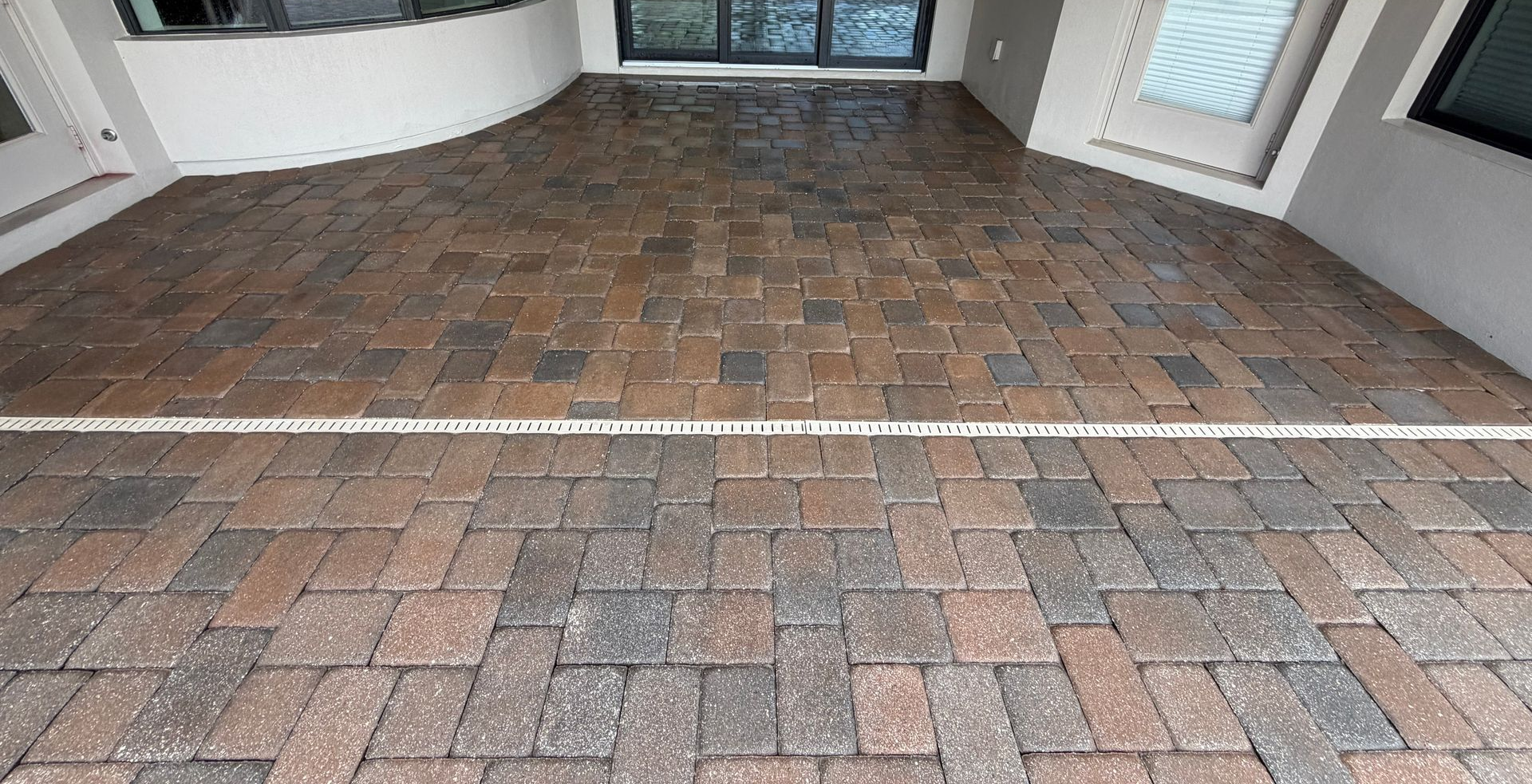
Everybody asks about sealing. Almost nobody asks about finish, and finish is the decision you actually live with. The choice between paver sealer wet look vs matte in Tampa comes down to three practical things: how the surface behaves in sun and rain, how forgiving it is when it's time to redo, and whether you like a driveway that looks permanently rained-on. The protection is broadly similar across all three. The daily experience is not.
Here's the straight comparison, without the showroom version.
The three finishes, plainly
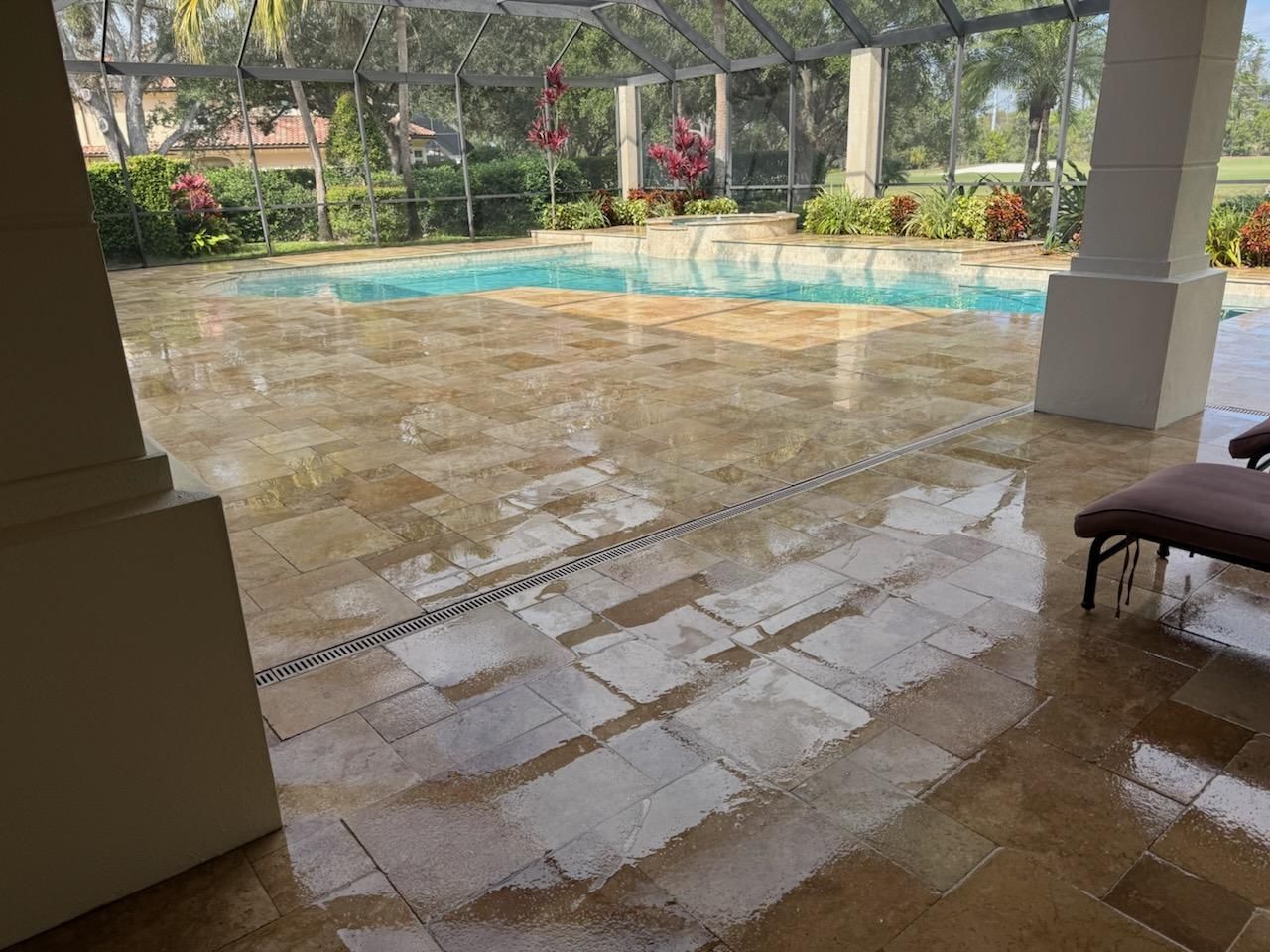
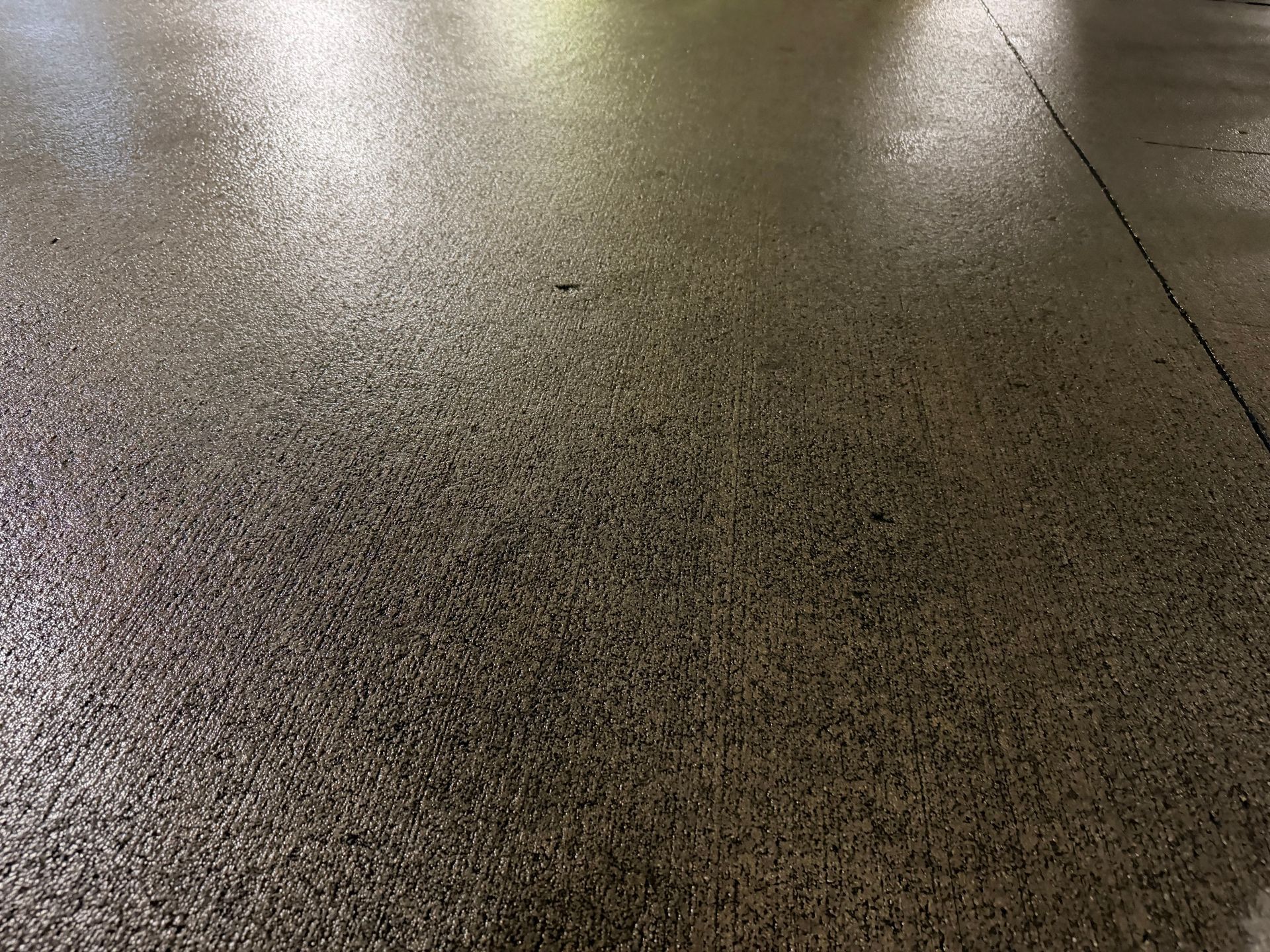
Wet look (high gloss). A film-forming sealer that saturates the color and leaves a reflective sheen — pavers look like they do thirty seconds after a rain shower. It's the most dramatic on a paver driveway or a front walk, and it's what most people picture when they picture "sealed."
Matte (satin / low sheen). Also usually film-forming, but with a flattening agent. Color comes up — noticeably richer than bare — without the shine. Reads as intentional rather than glossy.
Natural look (penetrating). Goes into the stone rather than sitting on it. Almost no visual change: the pavers look like clean dry pavers. Protects against staining and moisture but doesn't enrich color.
[PHOTO: three-panel comparison of the same paver run — bare, matte, wet look]
How does each behave in Florida specifically?
This is where the Tampa Bay answer diverges from a national one.
Heat. A gloss film on a dark paver in full August sun gets hot. Around a pool, that matters — bare feet, kids, ten hours of direct exposure. Penetrating and matte run cooler than high gloss.
Slip. Glossy film is slicker when wet unless a grit additive is mixed in. Around a pool deck we either use matte or we add polymer grit to the topcoat; on a driveway it's rarely an issue. Any contractor selling you high-gloss sealer for a pool deck without mentioning slip additive is not thinking about you in flip-flops in July.
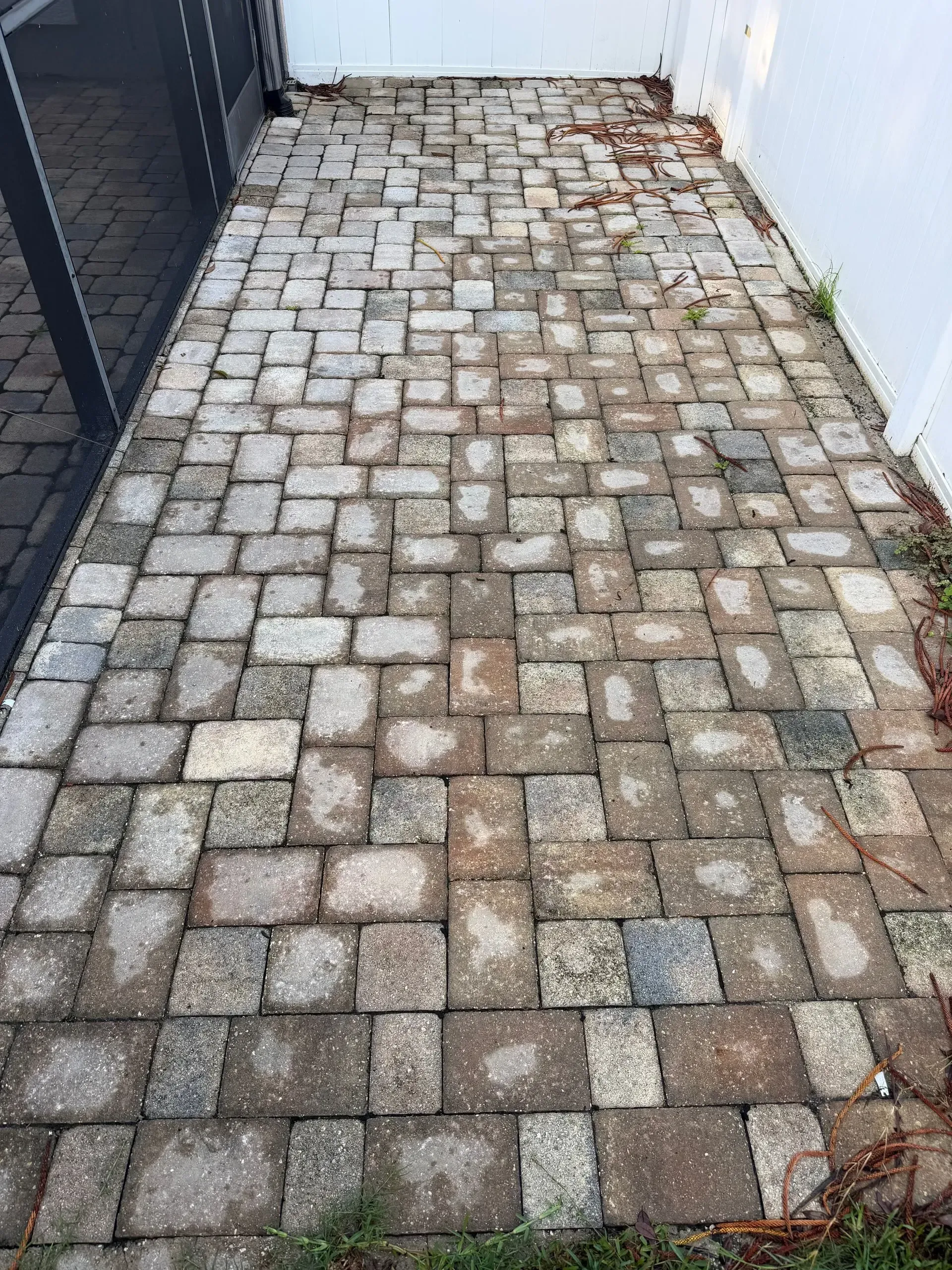
Haze and moisture. Film-forming sealers trap whatever moisture is under them. Seal a paver deck that hasn't fully dried, or one sitting over a damp base, and you get the milky white blush people call "sealer haze." Gloss shows it worst — the higher the sheen, the more obvious the cloud. This is the single most common sealing failure we're called to fix in Tampa Bay, and it's nearly always a drying-time problem, not a product problem.
Reapplication. Film builds. Every wet-look recoat adds another layer, and after three or four cycles you can get amber-ing, flaking, or a surface that has to be chemically stripped before it can be redone. Matte builds more forgivingly. Penetrating essentially doesn't build at all — you just reapply.
So which finish for which surface?
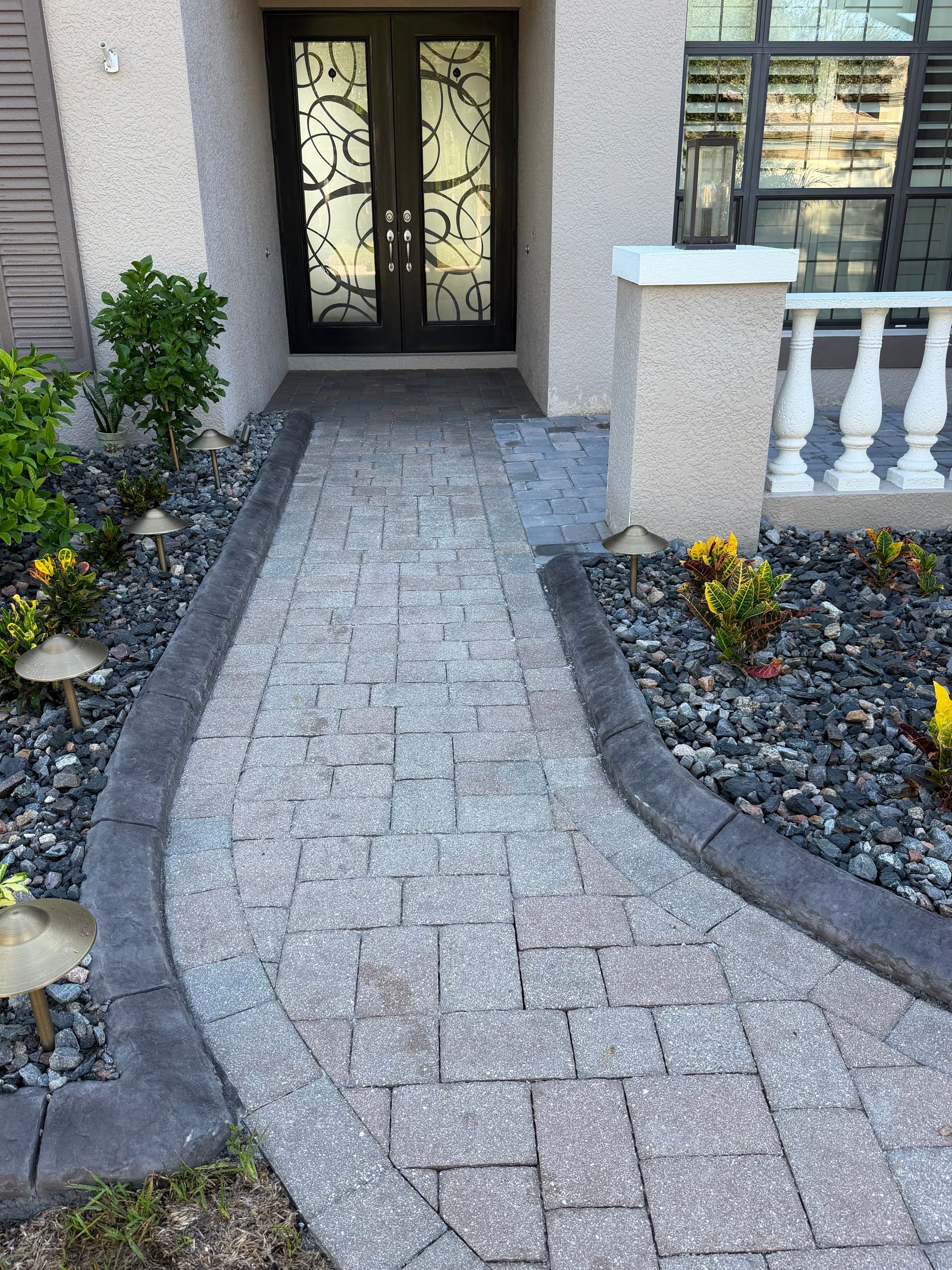
- Paver driveway: wet look or matte, depending on taste. Driveways benefit most visibly from the color enrichment, and heat and slip matter less. This is where gloss earns its keep.
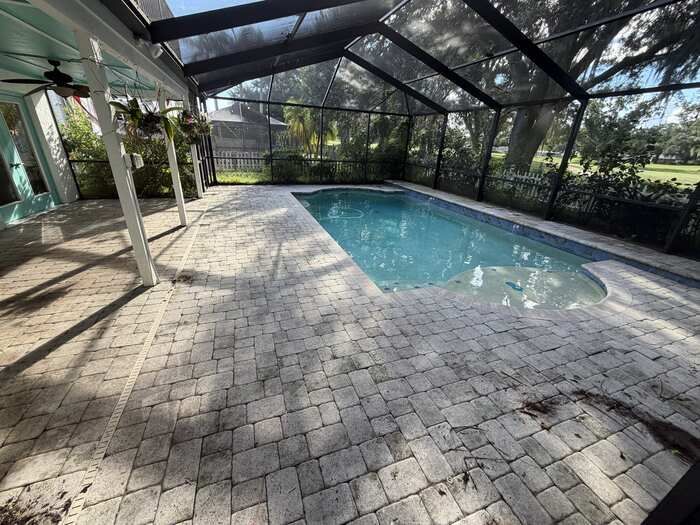
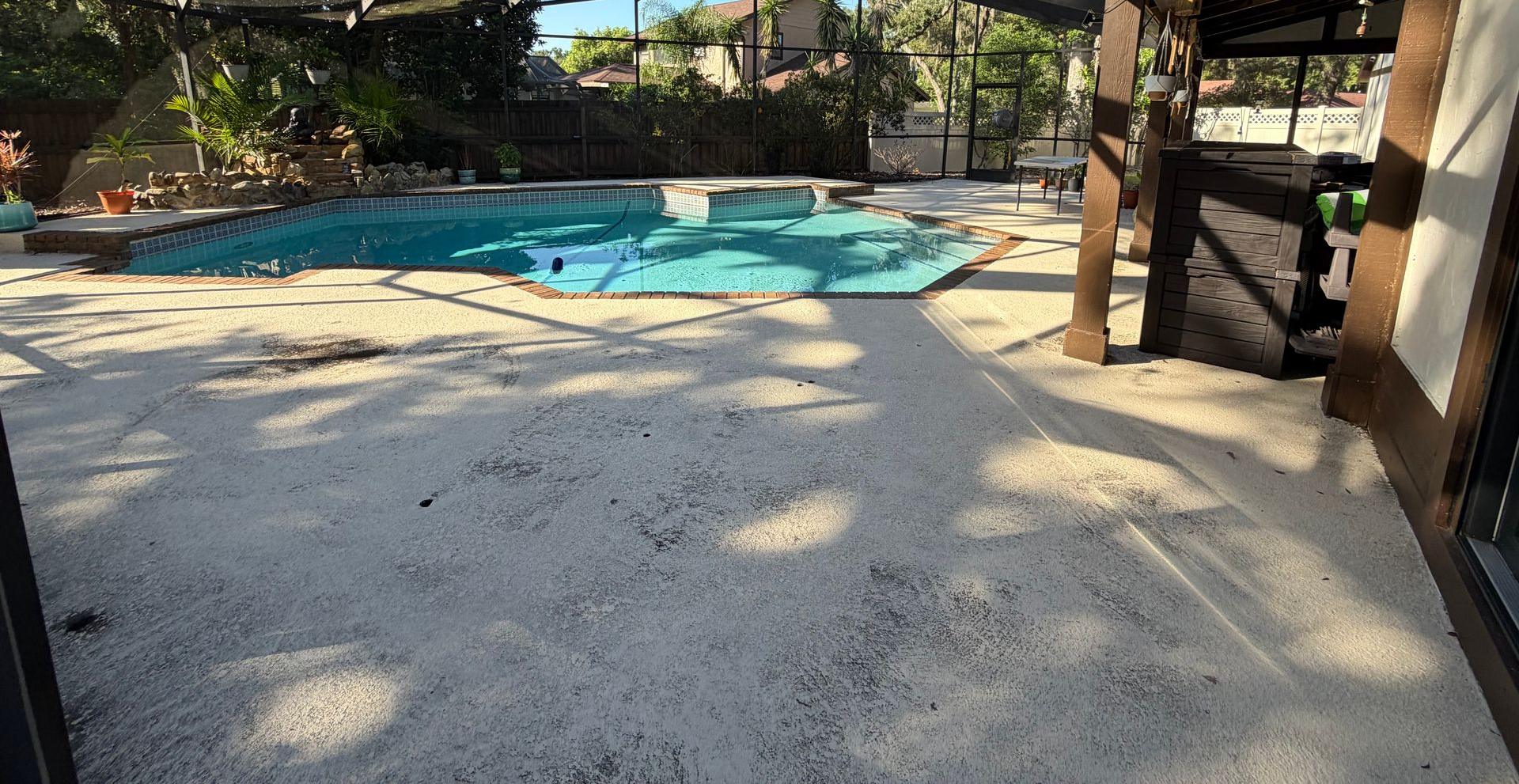
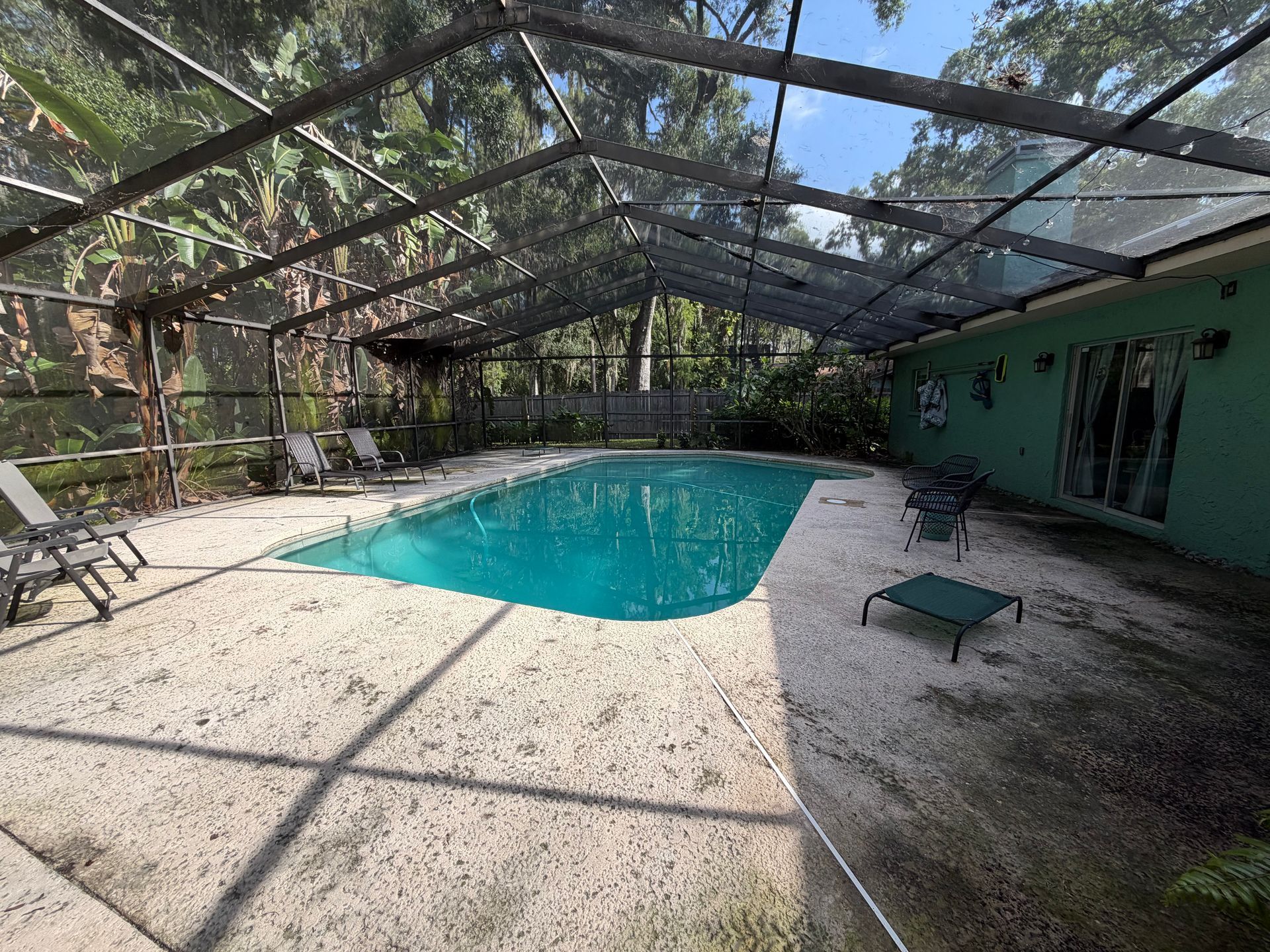
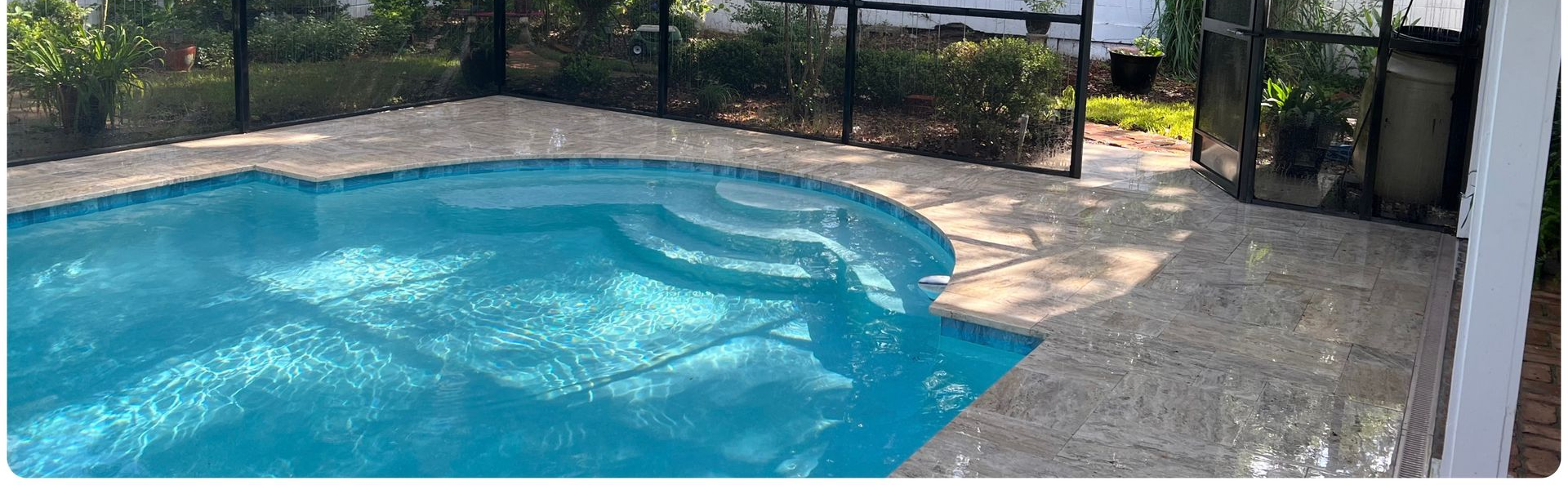
- Pool deck: matte, or penetrating. Cooler underfoot, safer wet, and less prone to visible haze on a surface that sits near water.
- Travertine or natural stone: penetrating. Film on stone changes the material's character and can trap efflorescence.
- Screened lanai and covered patio: matte. It stays cleaner under cover and gloss looks artificial in shade.
- Front walkway and entry: match the driveway. Two finishes meeting at a corner is the one aesthetic mistake that's genuinely hard to unsee.
How long does each last in Tampa Bay?
Under Florida UV and rainfall, plan on:
- Wet look / high gloss: 2 to 3 years before a recoat, sooner on a full-sun driveway.
- Matte: 2 to 3 years, similar, and typically ages more gracefully as it thins.
- Penetrating: 3 to 5 years, though the "it's due" signal is subtler — you notice staining coming back rather than sheen dropping off.
Whichever you choose, a light soft wash roughly six months after sealing keeps organic film from setting into the surface and meaningfully extends the coat. That's cheap maintenance that people skip.
What has to happen before any sealer goes down
The finish choice is the fun part. The prep is the part that determines whether it works.
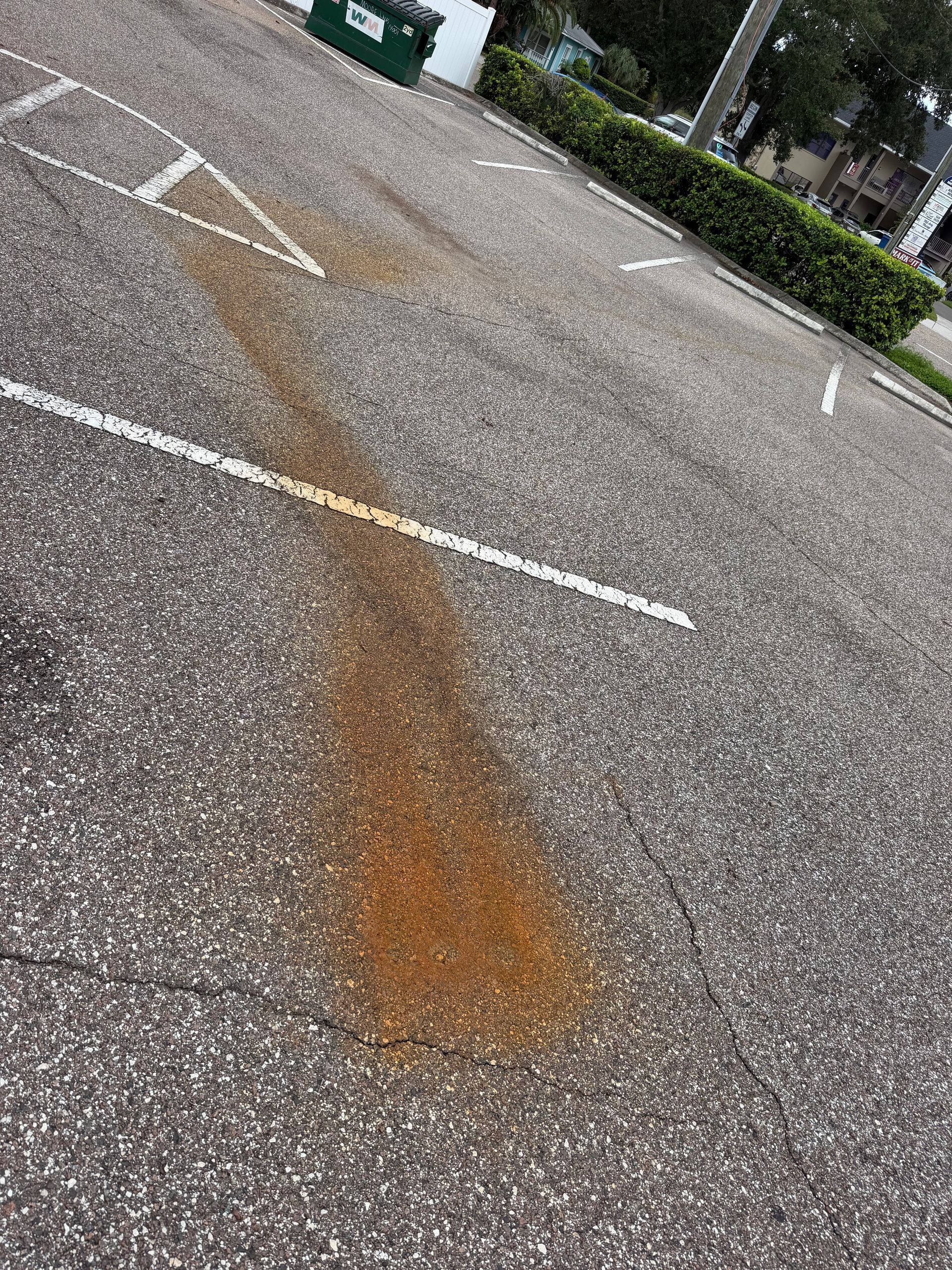
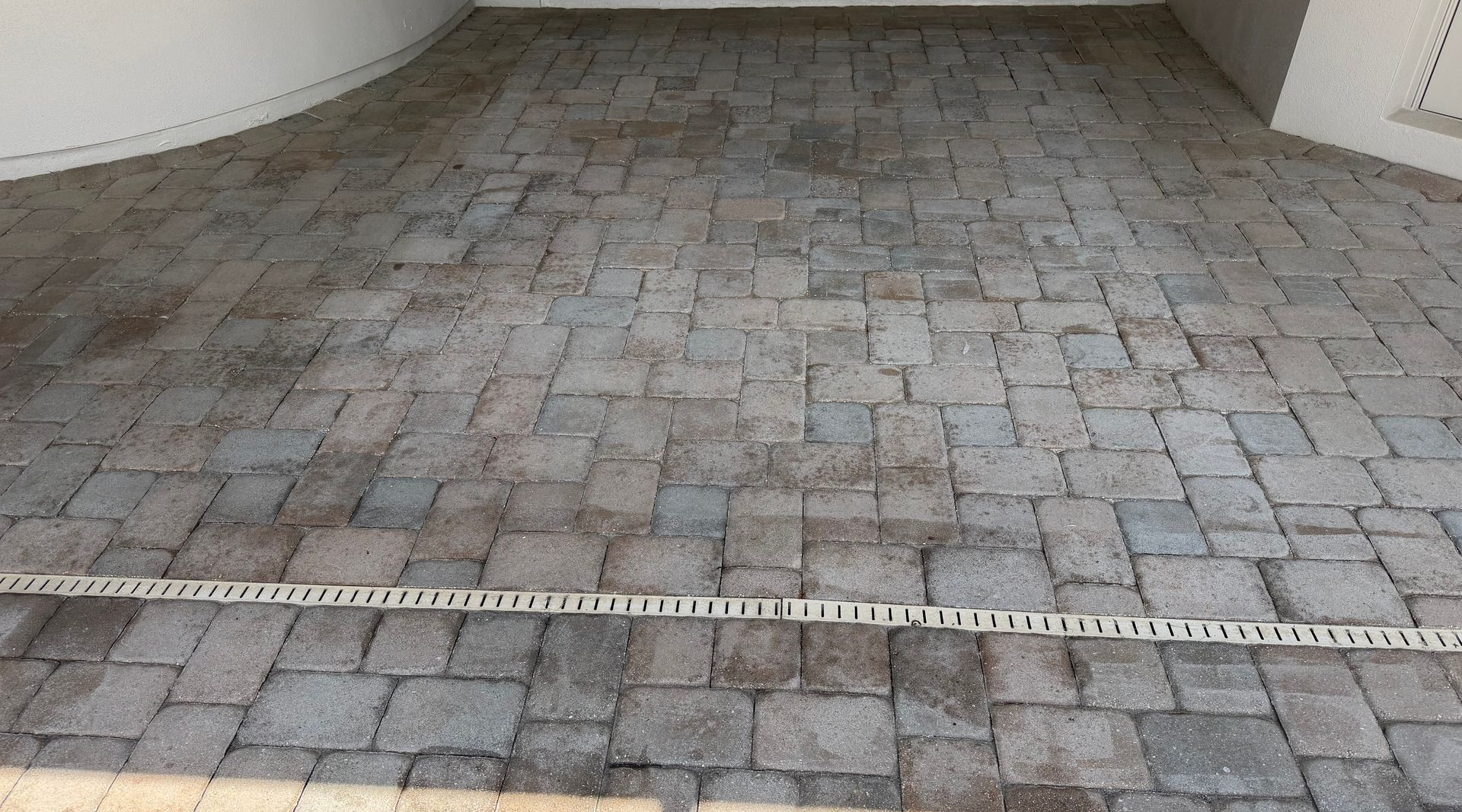
- Full clean — algae, oil, rust and old failed sealer all removed.
- Weeds and joint debris cleared.
- Any settled or lifted pavers reset.
- Full dry time. In Tampa humidity this is 24 to 72 hours depending on sun, wind and how saturated the base was. This step is where sealing jobs are won or lost.
- Fresh polymeric joint sand, swept and set.
- Sealer applied in even coats, edges cut clean, no puddling in low spots.
[PHOTO: crew applying sealer to a paver driveway, showing the wet edge — Westchase or Long Lake Ranch]
No wrong answer, but there is a wrong process
Plenty of beautiful driveways in Westchase and Long Lake Ranch are gloss, and plenty of beautiful pool decks two streets over are matte. Taste is taste. What isn't negotiable is drying time, sand, and knowing what's already on the surface — because sealing over a failing old coat locks the failure in.
If you're not sure what's on your pavers now, that's a normal thing not to know. We can tell you on a walk-through in about five minutes.
Let's pick the right finish for your space
Wild West Washing cleans, re-sands and seals pavers across Hillsborough, Pasco and Pinellas. We're veteran-owned and Tampa-based, and we'll bring sample boards so you're choosing a finish you've actually seen instead of one you've read about.
Free quote: 813-957-1174. More on our exterior cleaning services, or see the work we do in Westchase and Long Lake Ranch.