A Surface-by-Surface Schedule

Most of Florida runs on a twelve-month cycle for house washing, an 18-to-36-month cycle for roofs, and something in between for everything else. But "how often to pressure wash a house in Florida" is really several different questions wearing one coat, because the roof, the stucco, the pavers and the pool cage all grow things at different rates and fail in different ways.
Here's the actual schedule we work from across Hillsborough, Pasco and Pinellas.
The schedule, surface by surface
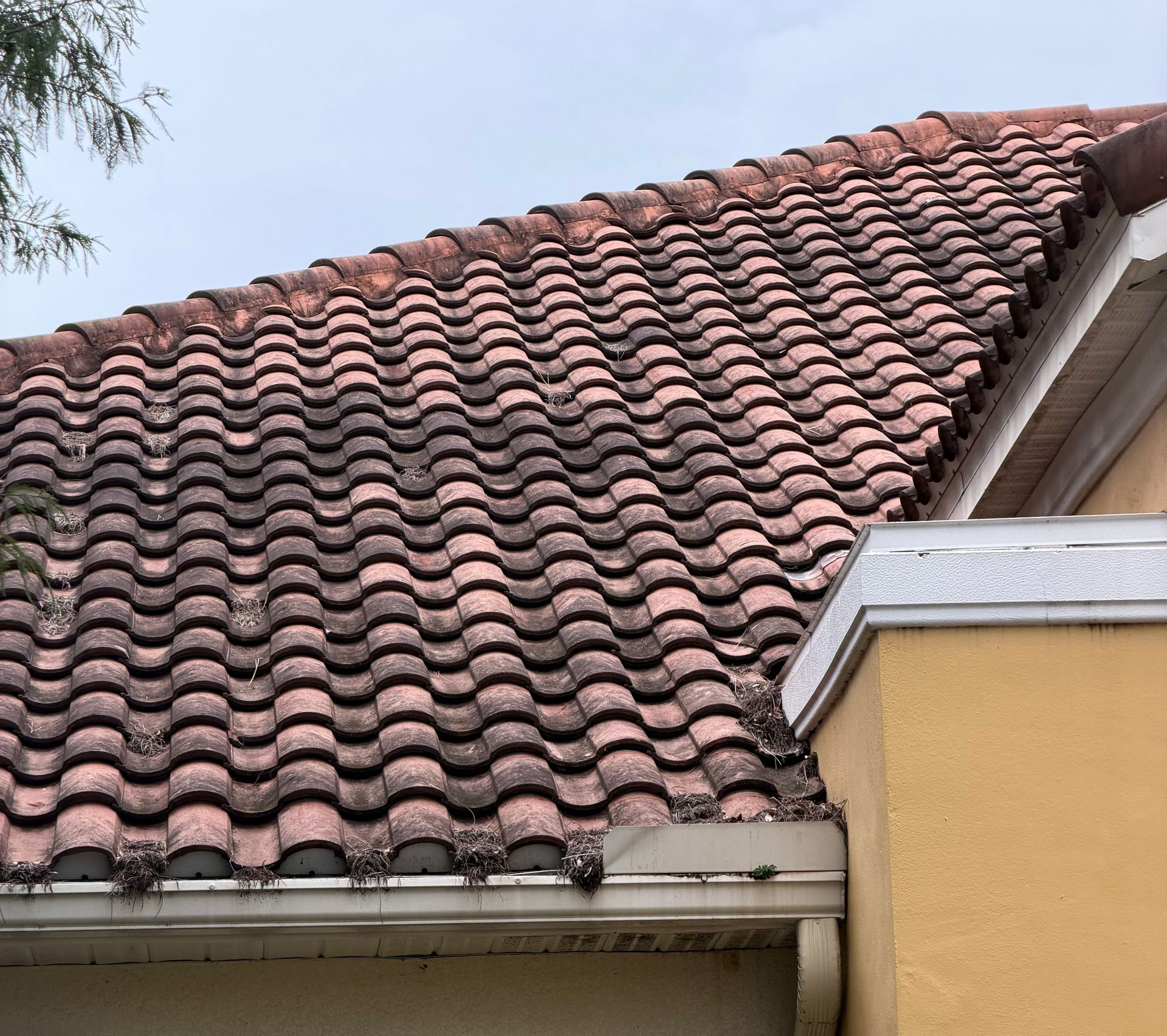
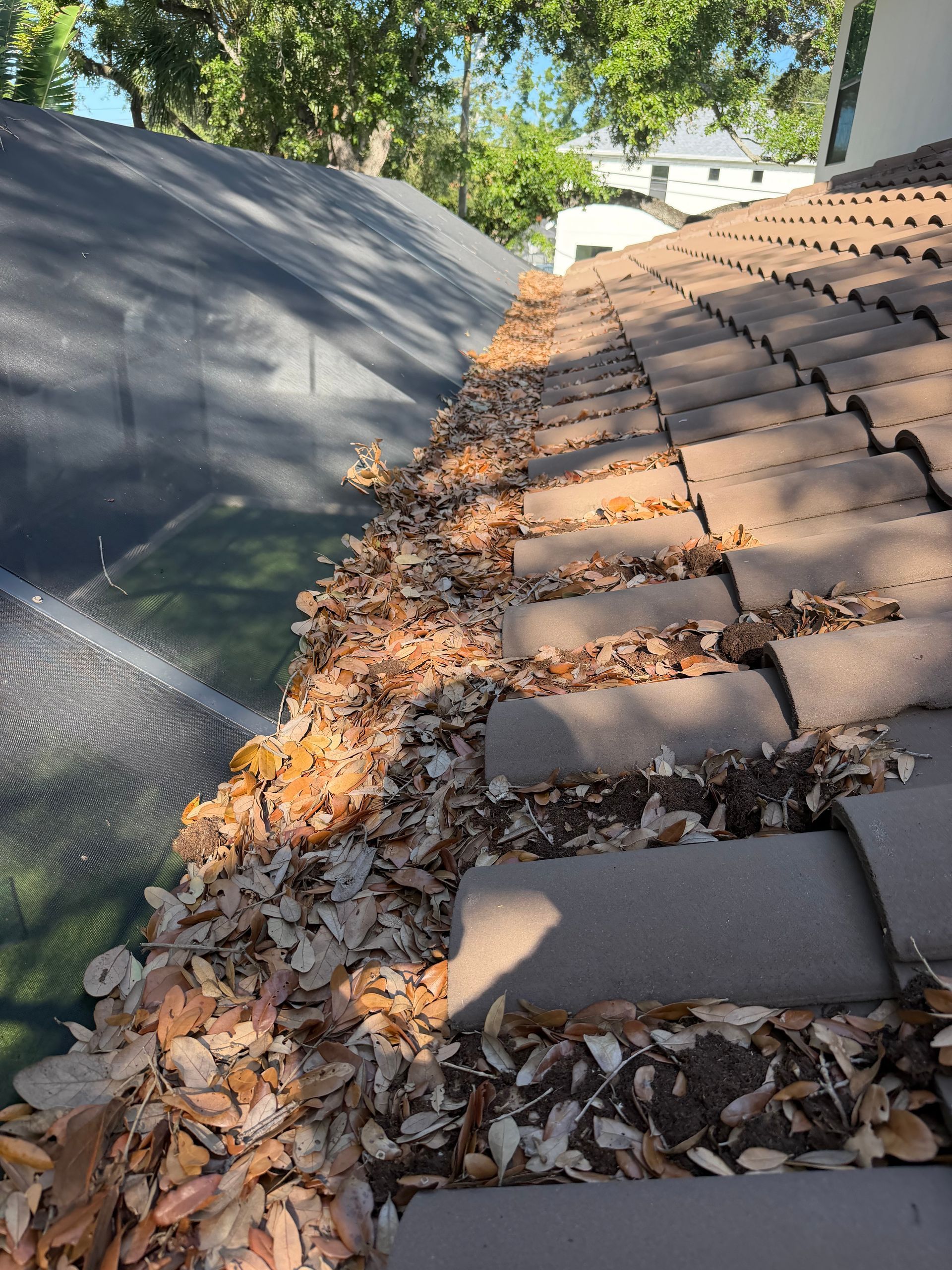
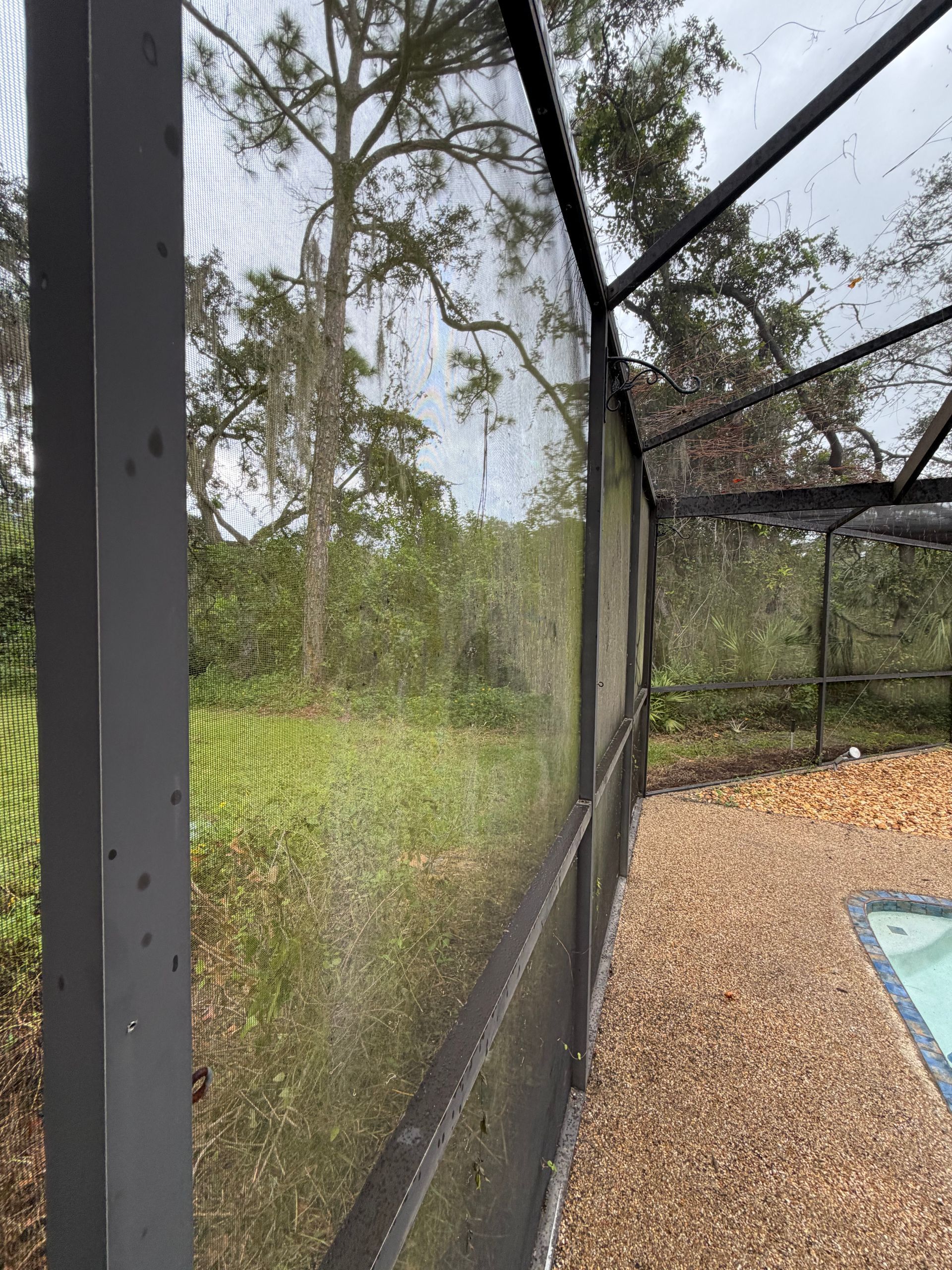
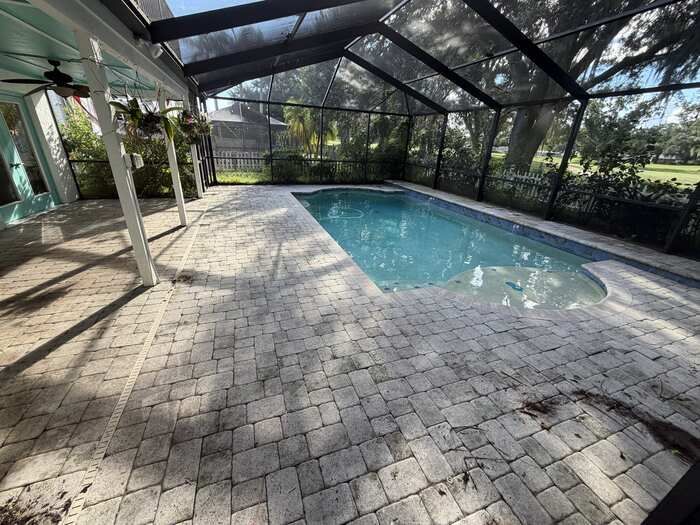
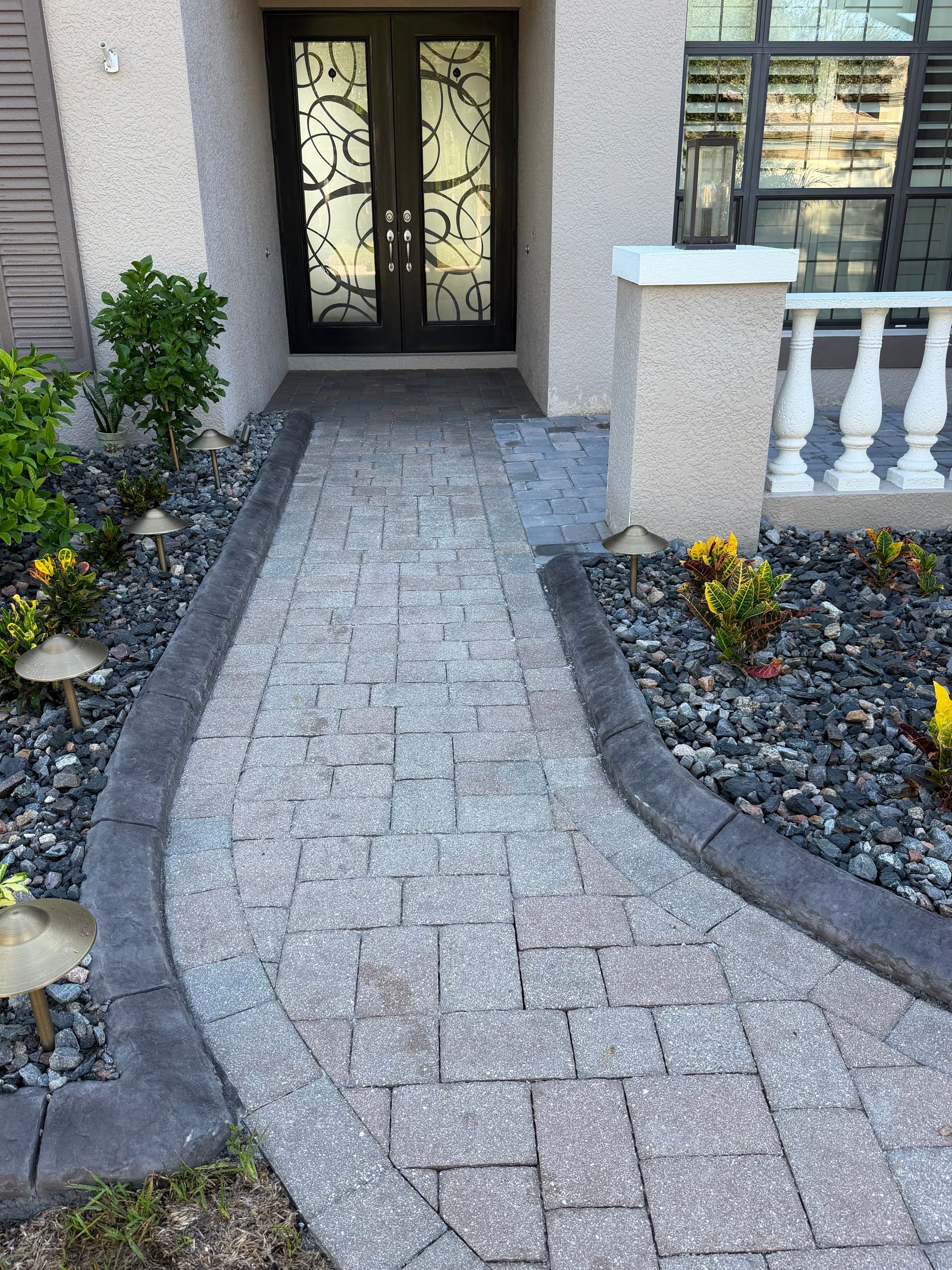
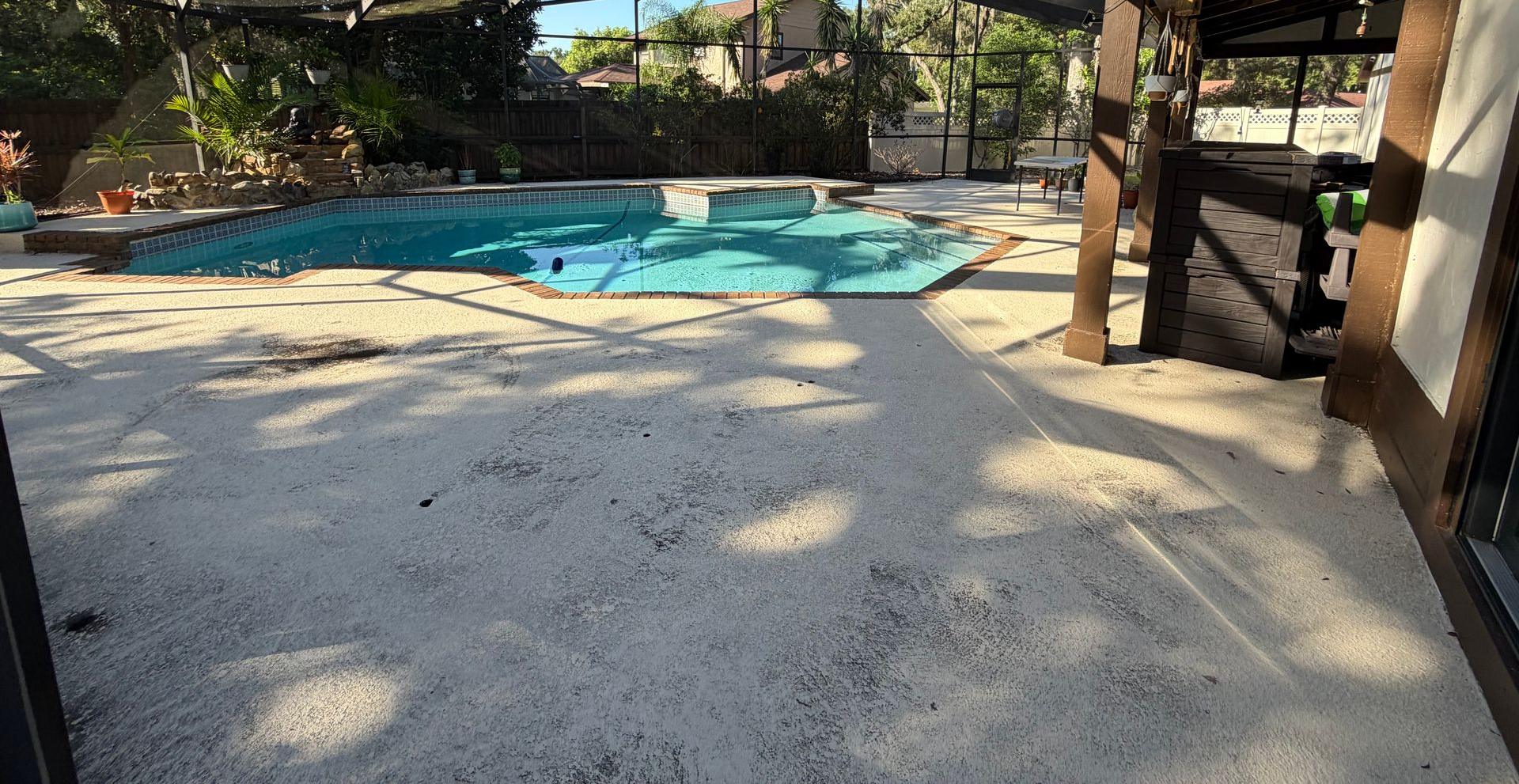
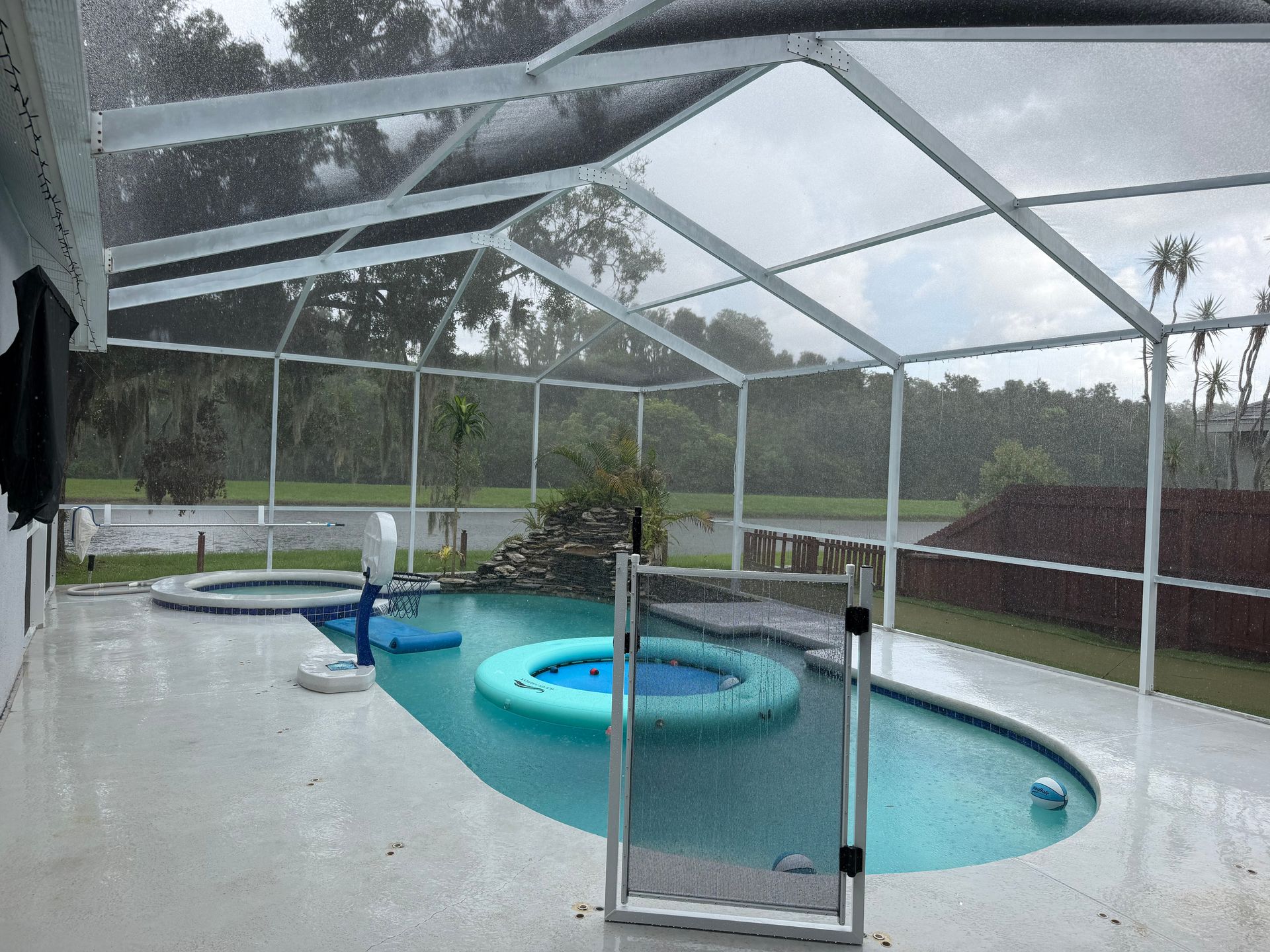
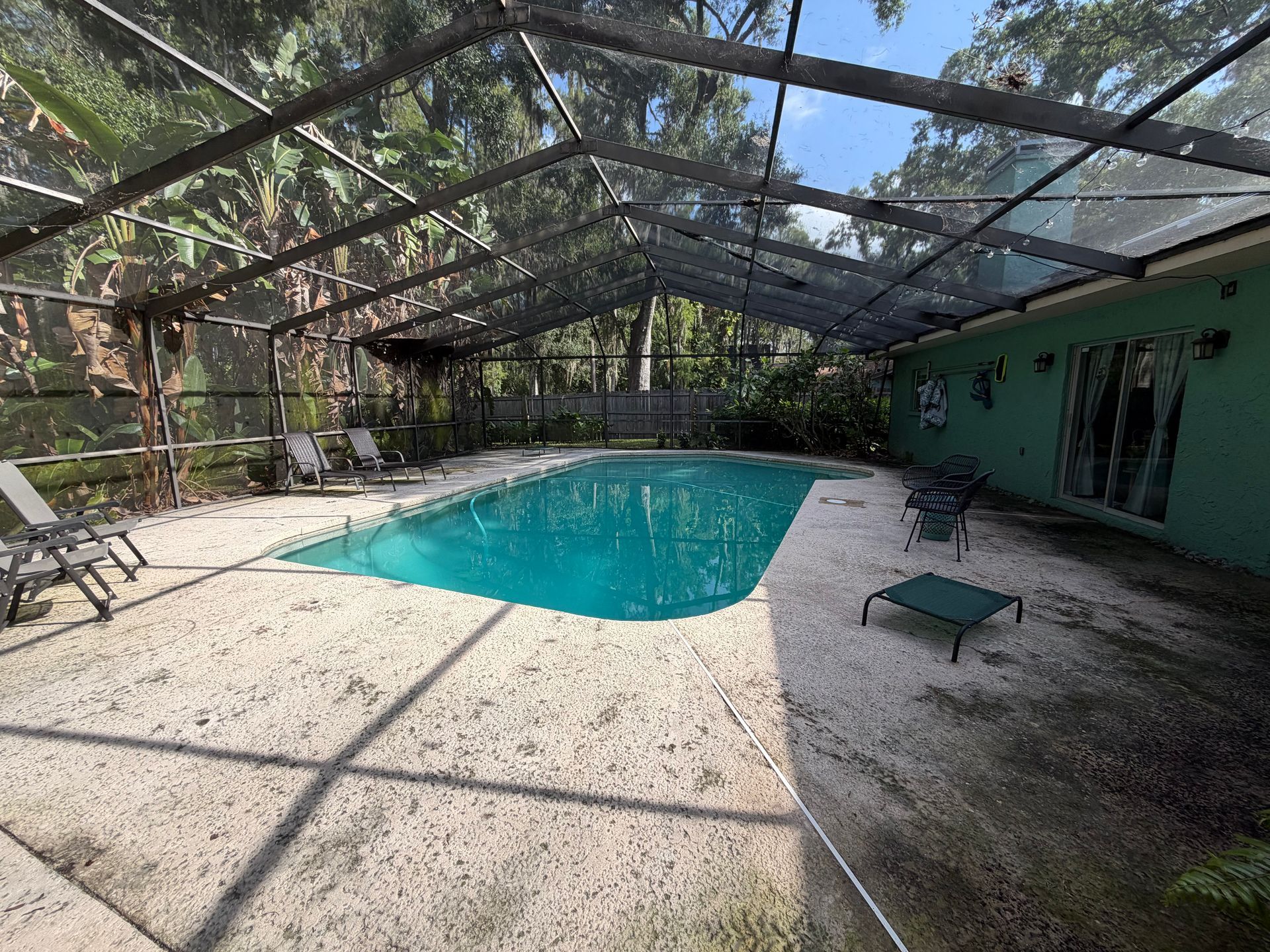
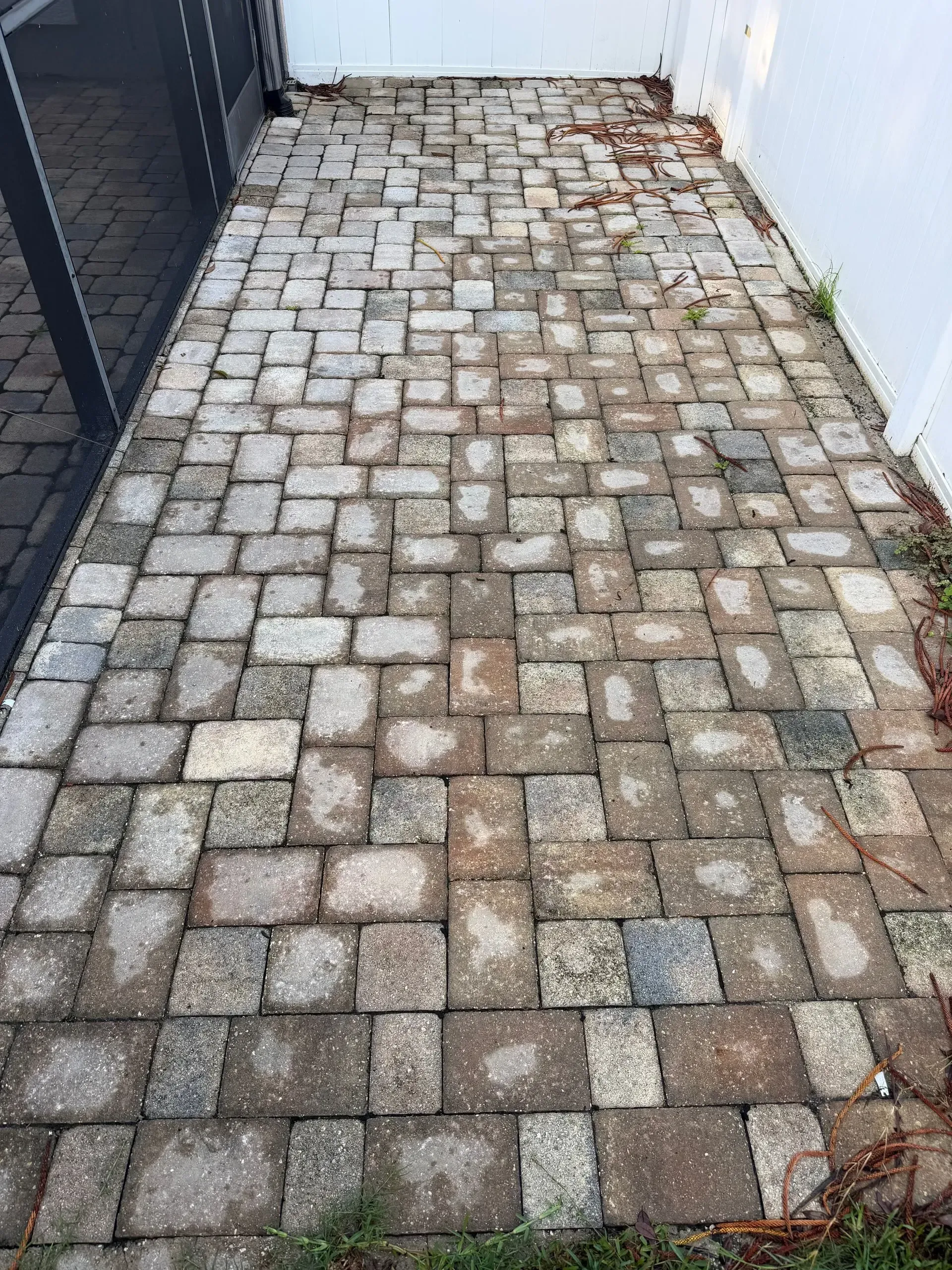
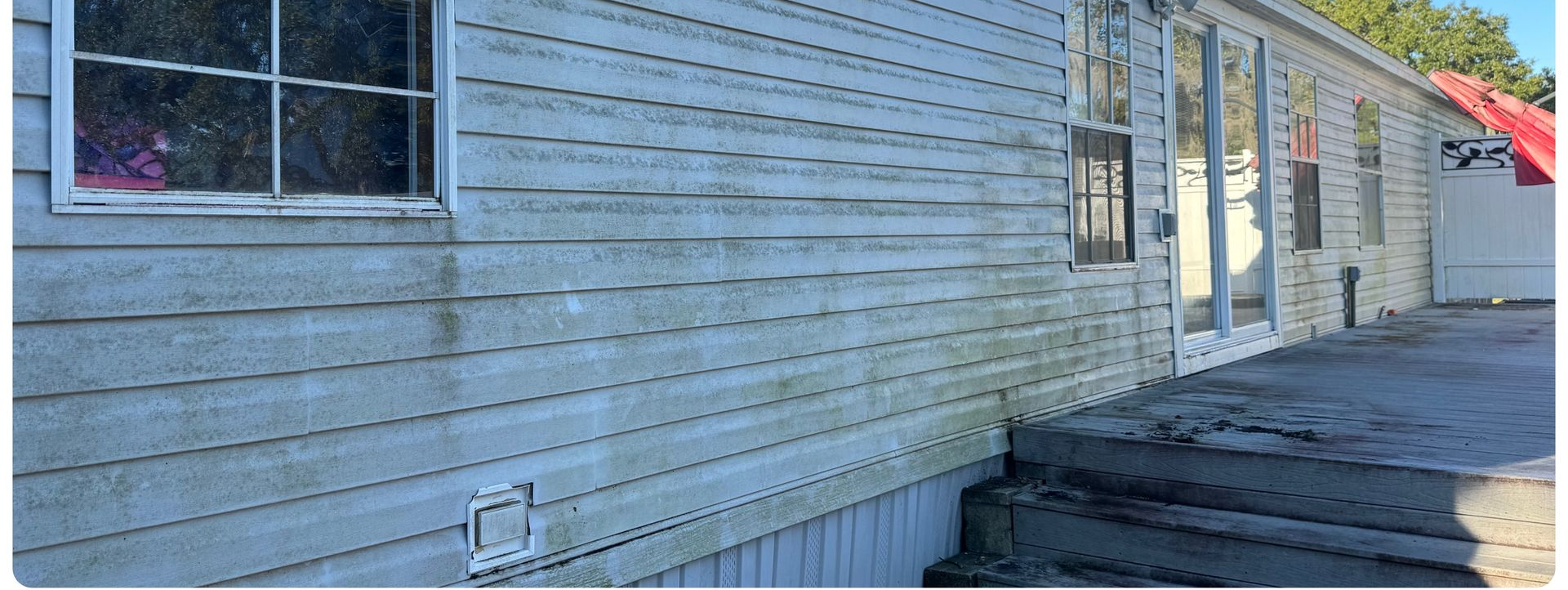
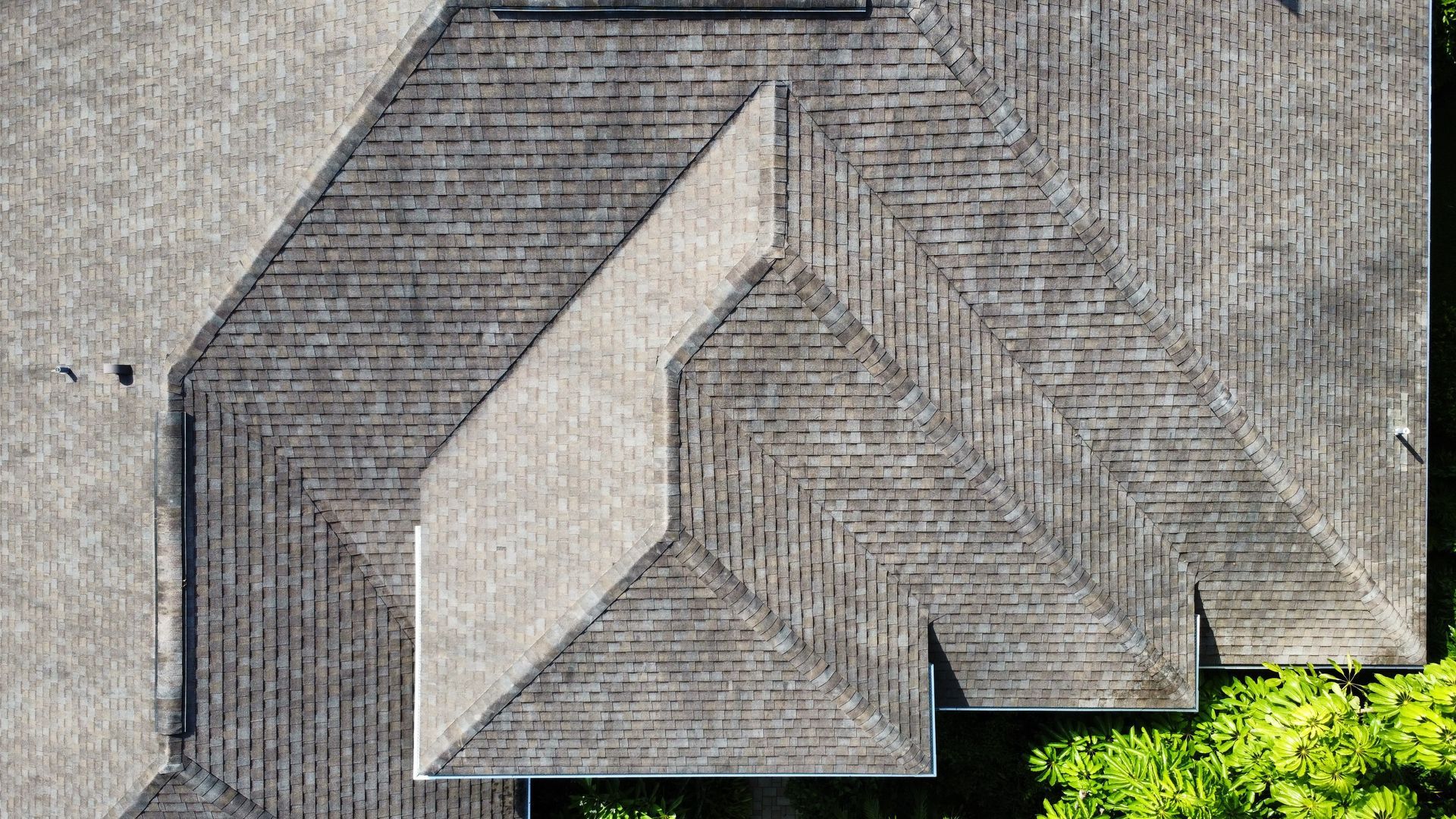
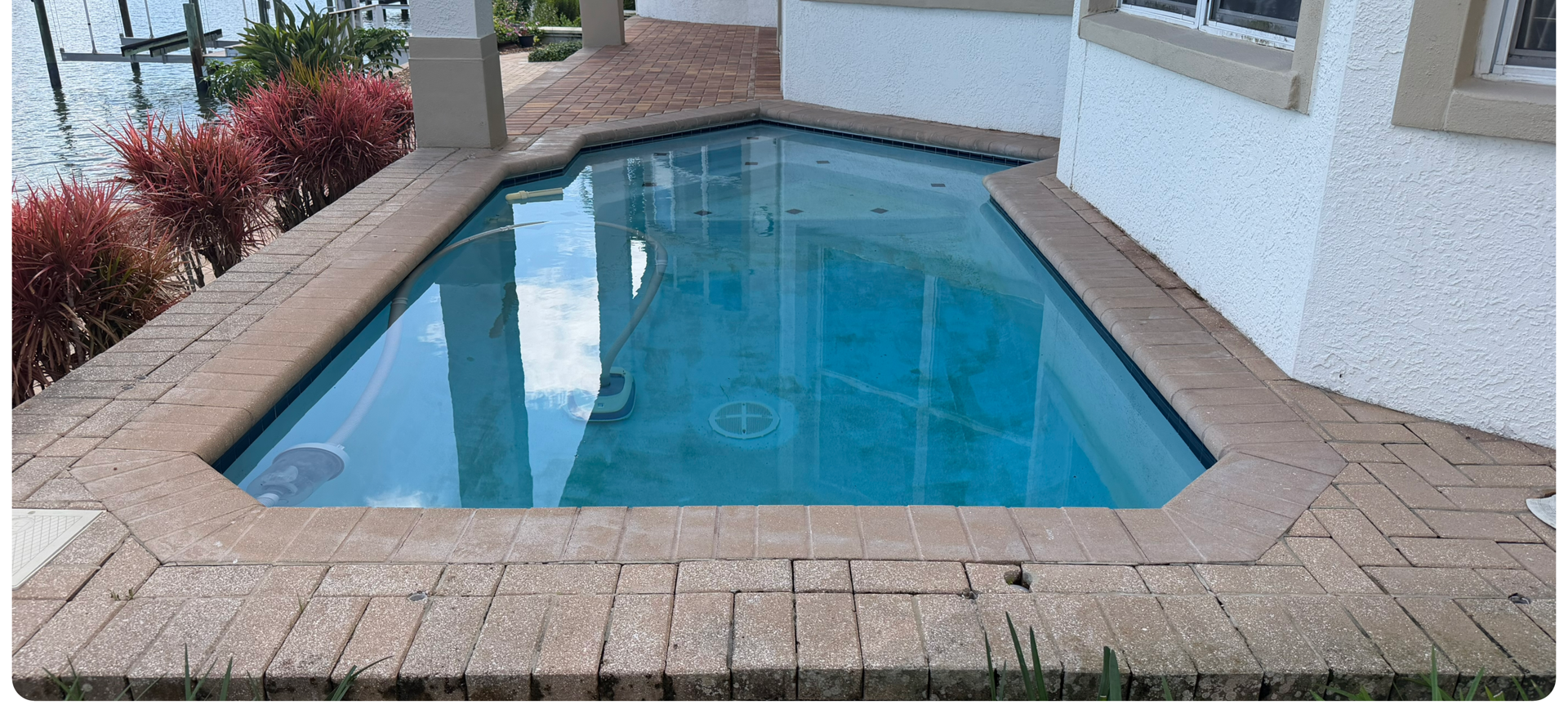
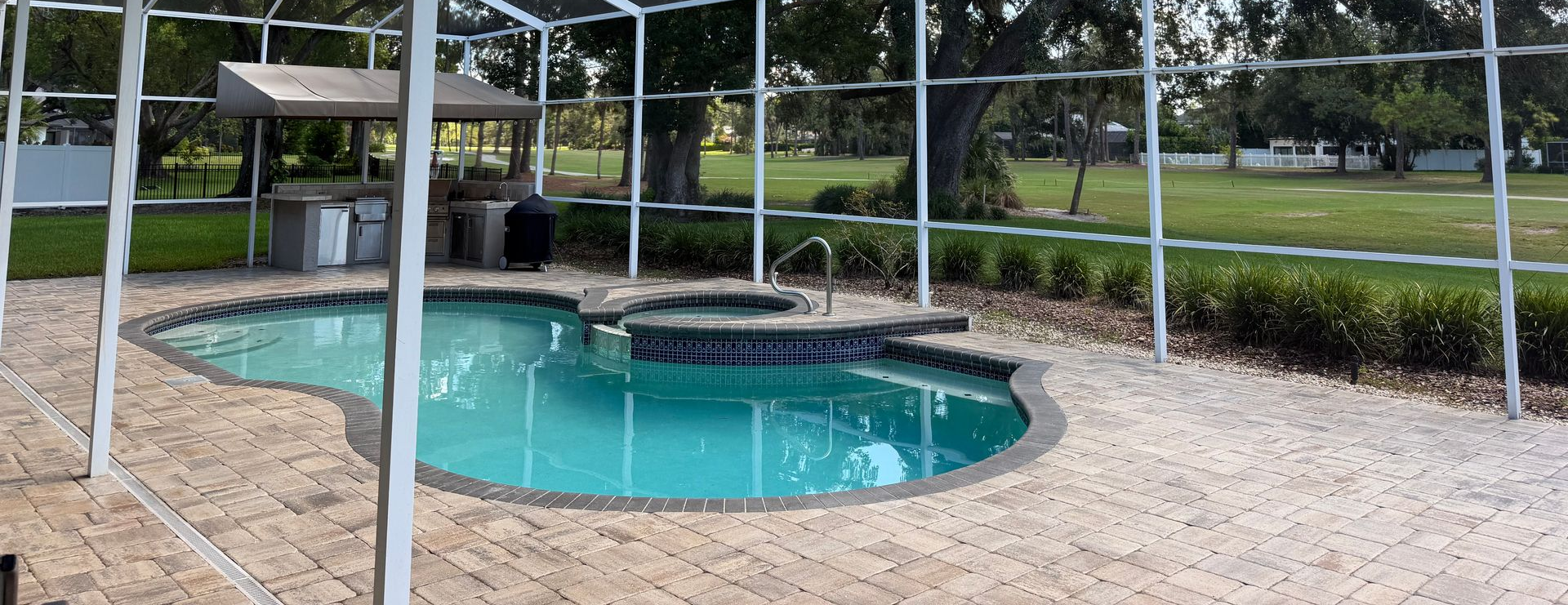
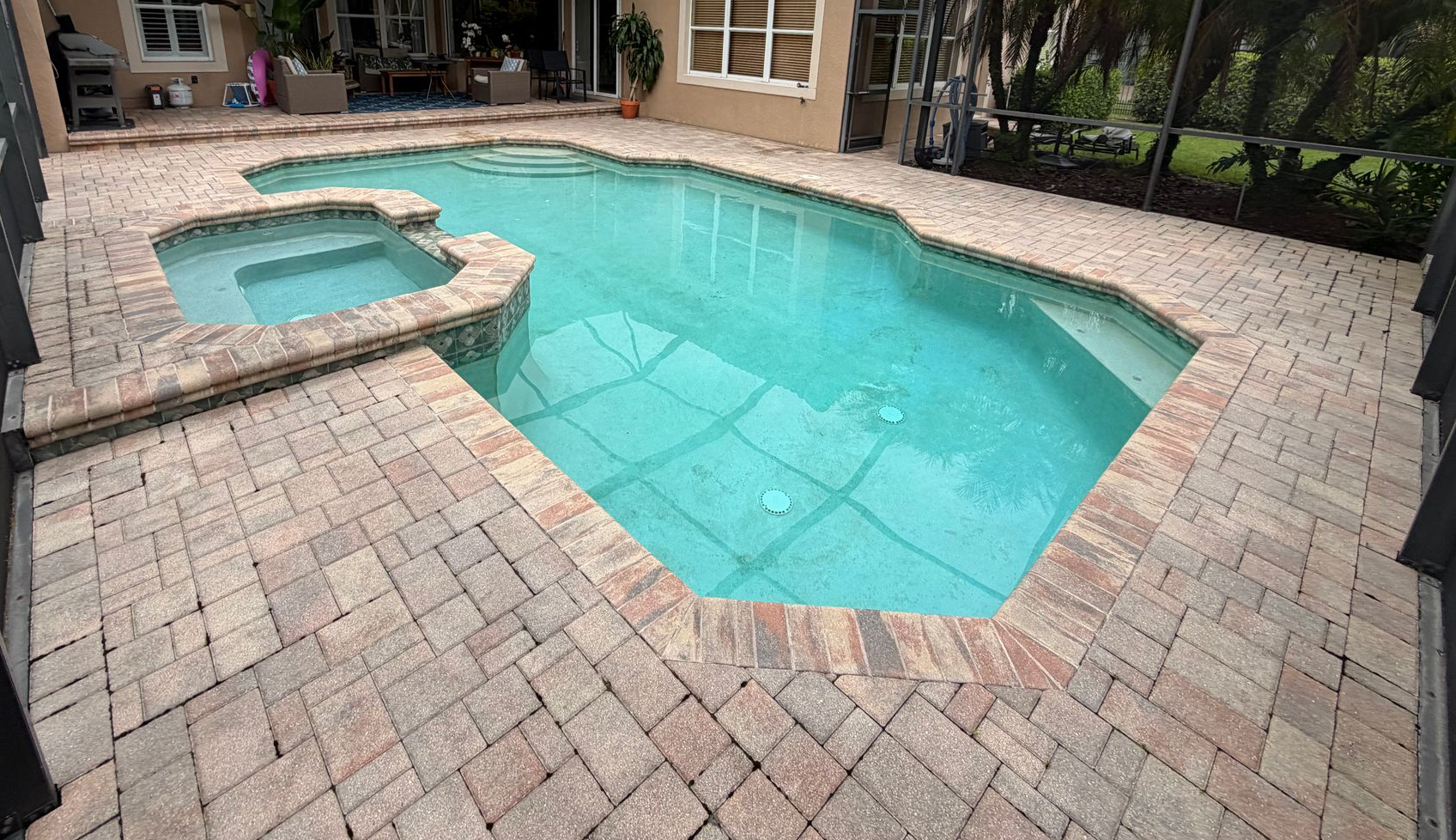
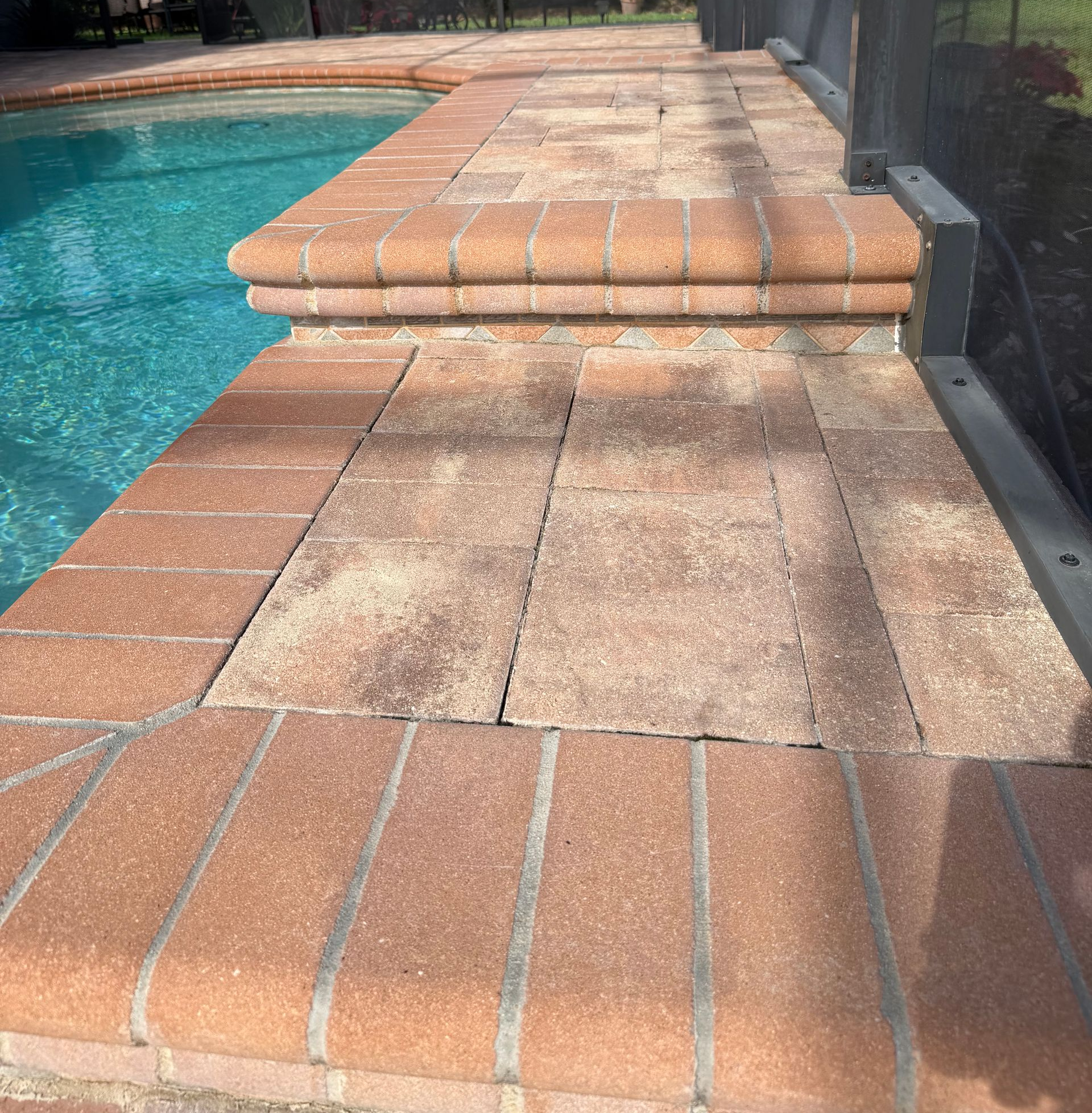
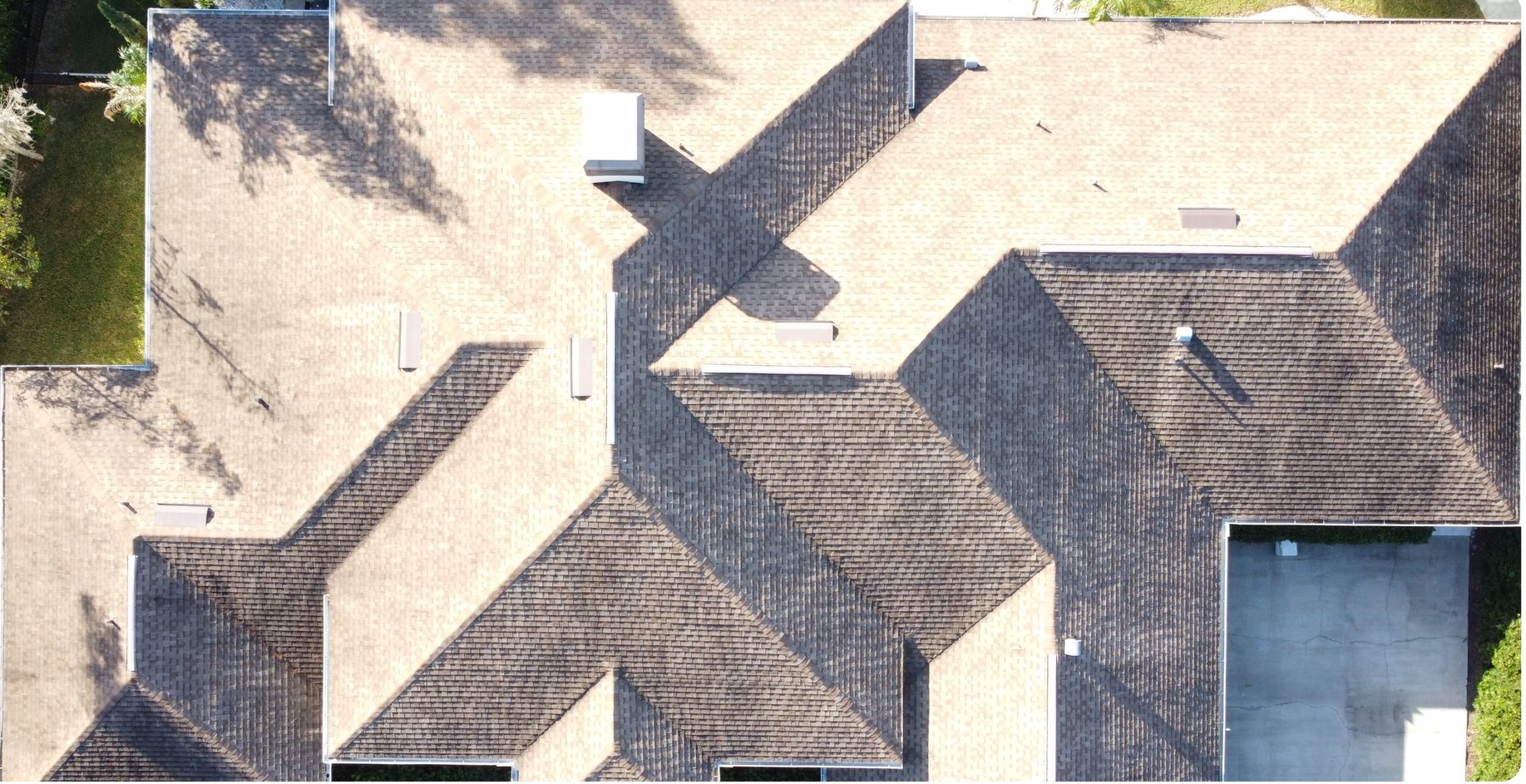
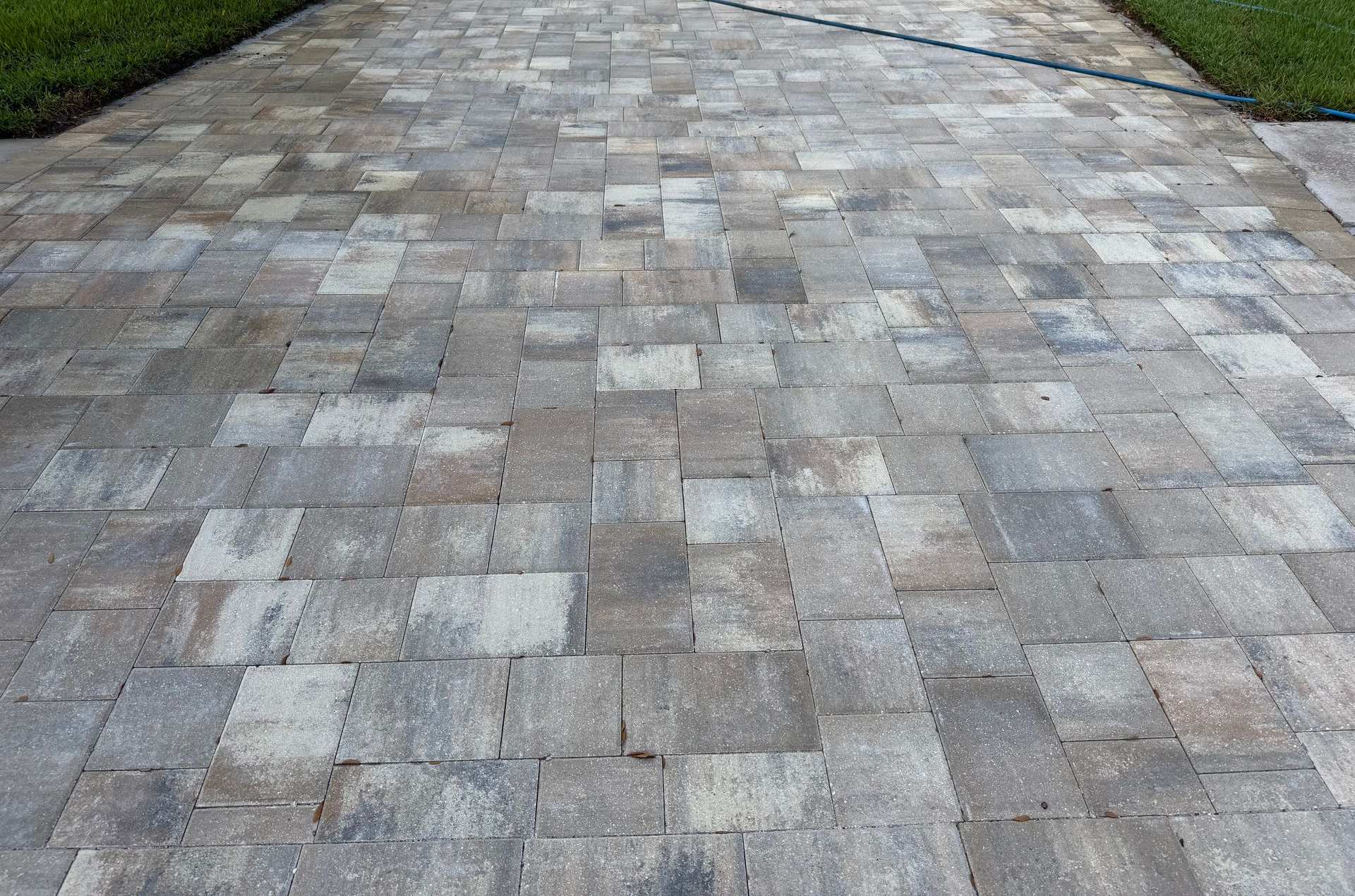
SurfaceFrequencyWhat drives it shorterRoof (tile or shingle)18–36 monthsTree canopy, north-facing slope, waterfrontHouse elevations (stucco, siding, soffits)12 monthsShade, irrigation overspray, dense landscapingPool cage and screens12 monthsOverhanging trees, heavy pool usePool deck and flatwork12–18 monthsShade, standing water, foot trafficPavers (clean)12–18 monthsJoint sand loss, shadePavers (reseal)2–4 yearsSun exposure, traffic, sealer typeGutters6–12 monthsPine, oak, anything overhangingDriveway and entry walk12 monthsWell-water irrigation, vehicle dripsWindows6–12 monthsCoastal salt, sprinkler spray
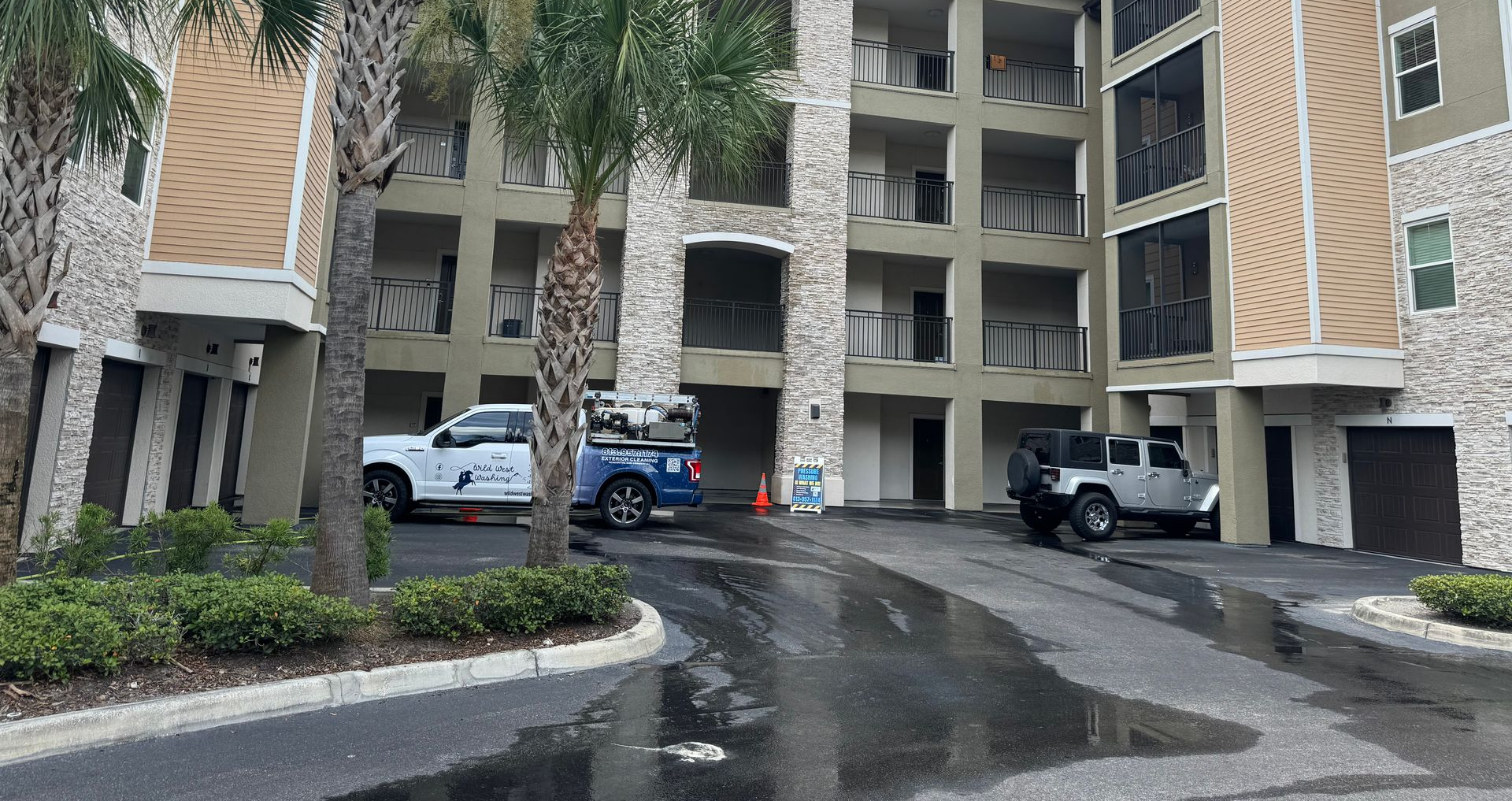
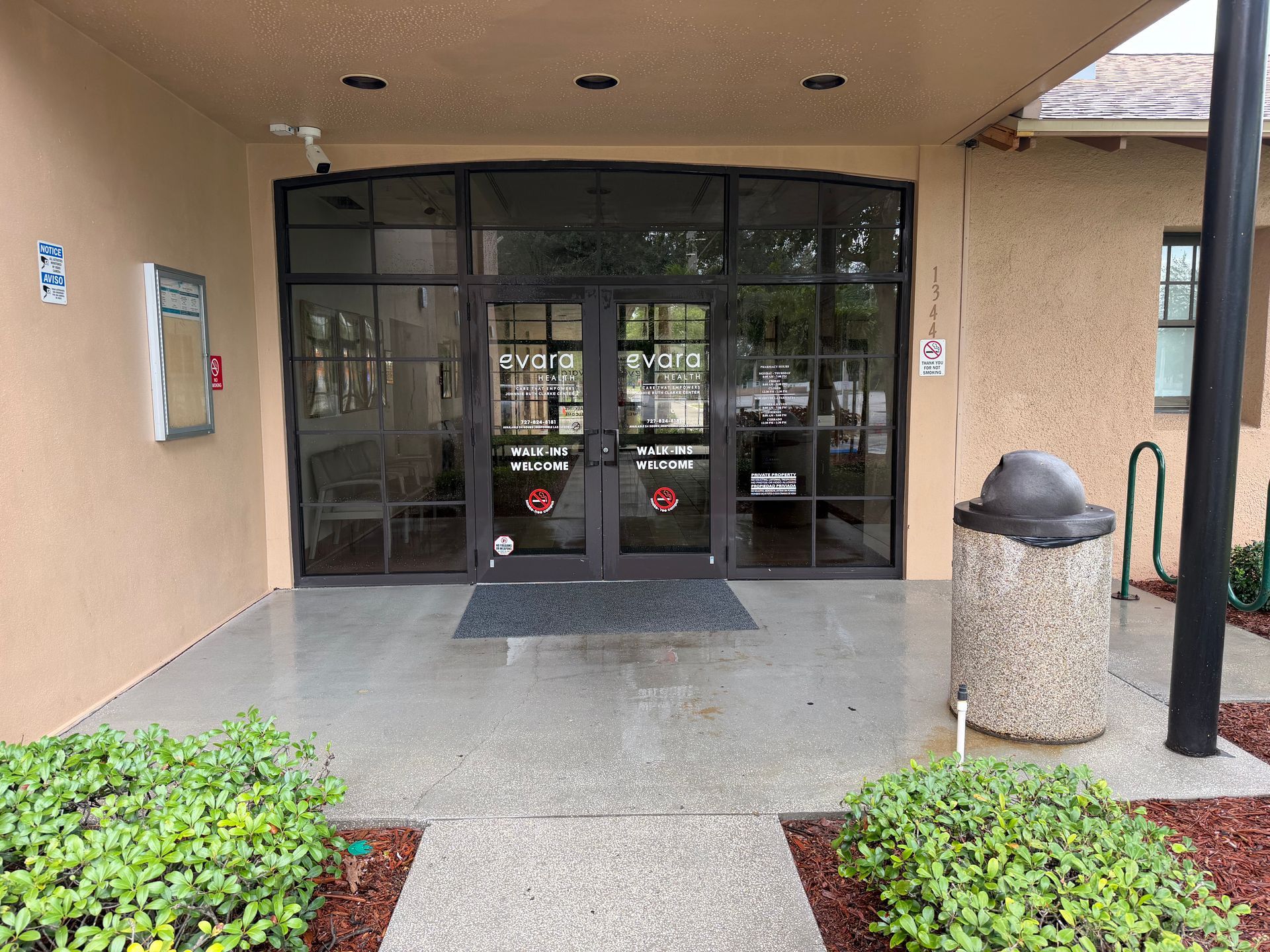
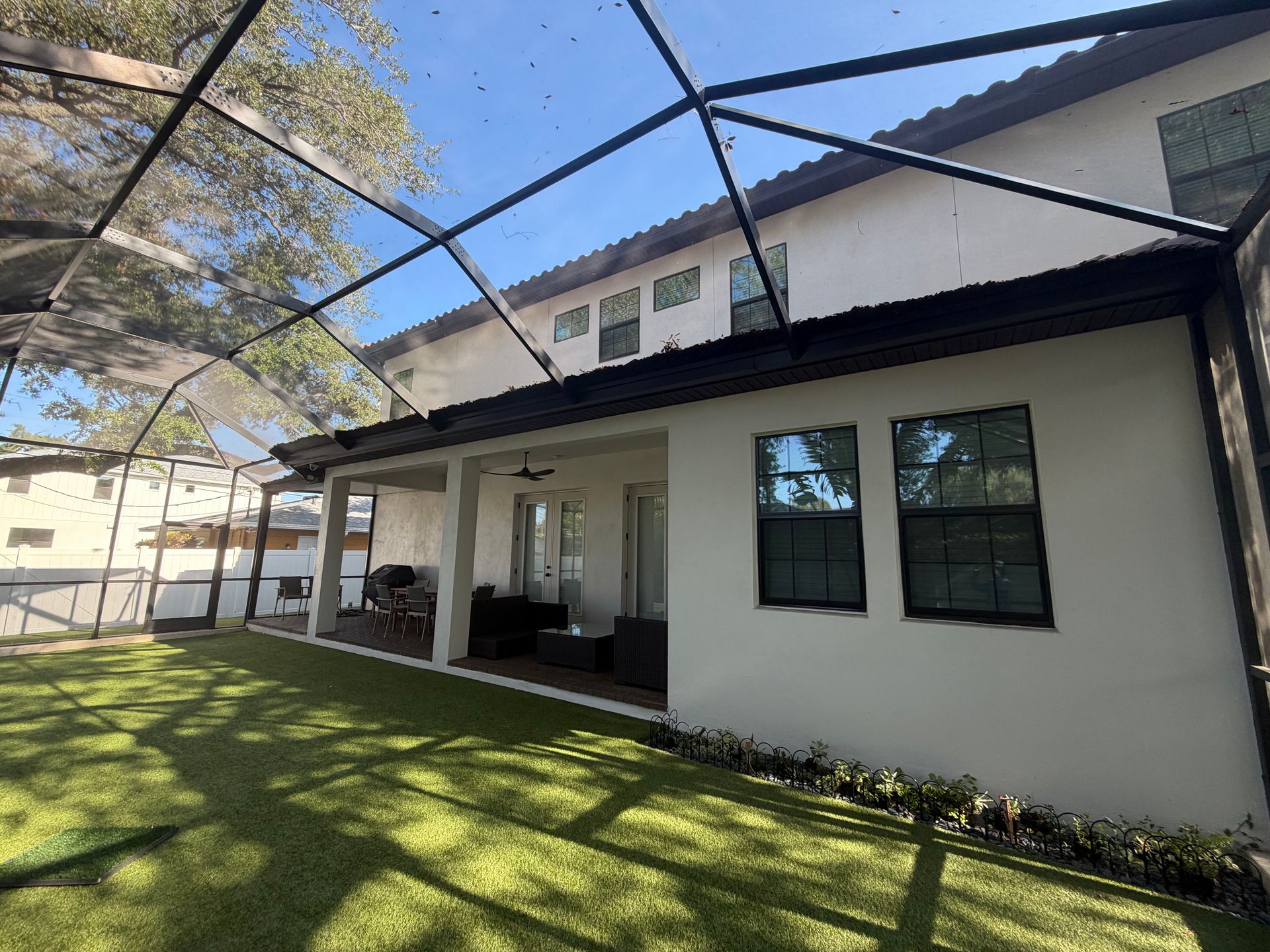
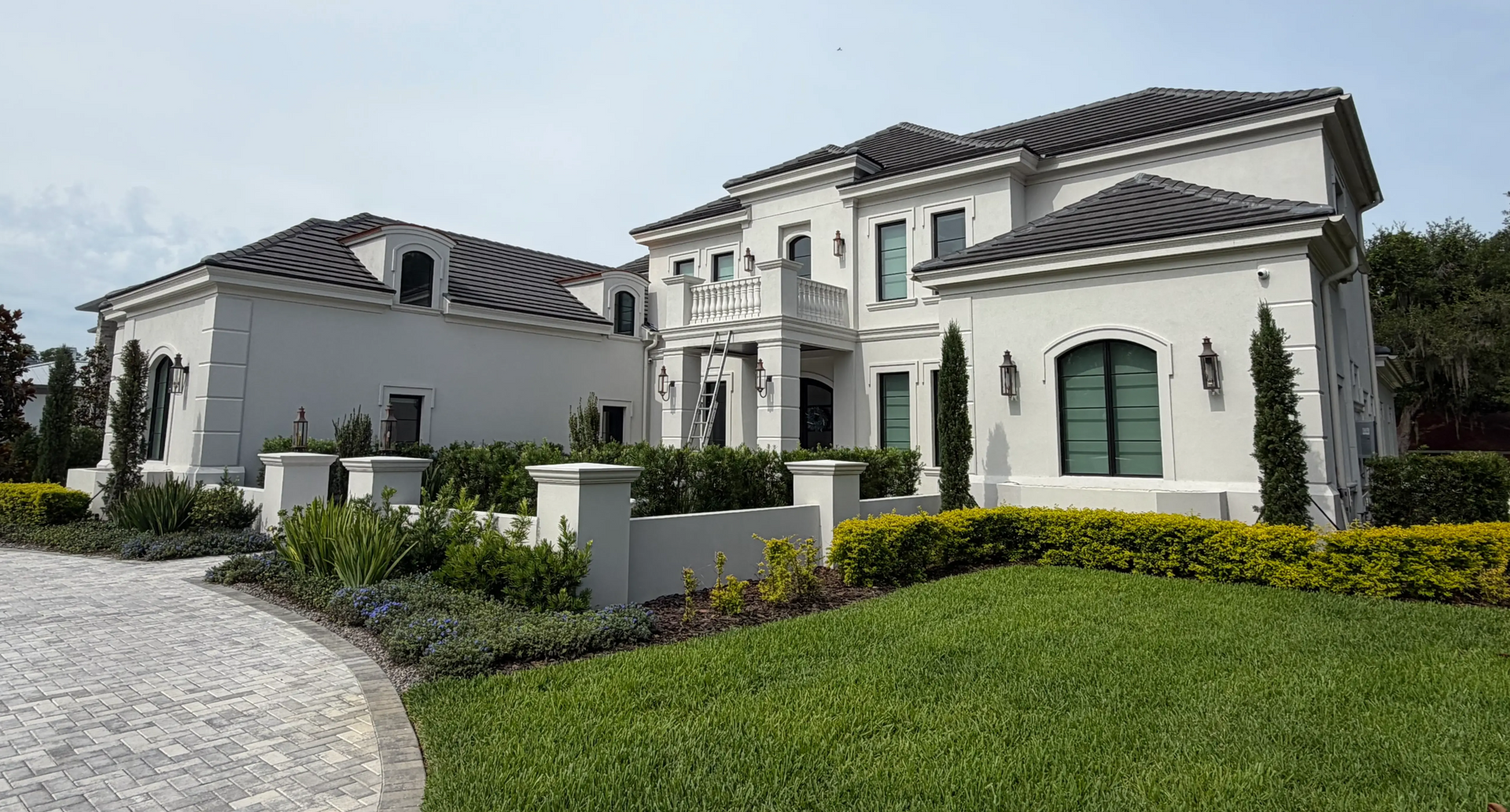
[PHOTO: wide shot of a full exterior mid-clean, showing multiple surfaces]
Why Florida is on a faster cycle than almost anywhere else
Three conditions stack here. Average relative humidity in Tampa Bay sits in the seventies year-round. The rainy season delivers near-daily afternoon rain for five months. And winter never gets cold enough to kill anything off — the hard freeze that resets the biological clock in Atlanta or Charlotte simply doesn't happen here.
The practical result: organic growth on a Tampa exterior is not seasonal, it's continuous. A house in Ohio gets dirty. A house in Westchase gets colonized.
What happens if you stretch the interval
Nothing, for a while. Then several things at once:
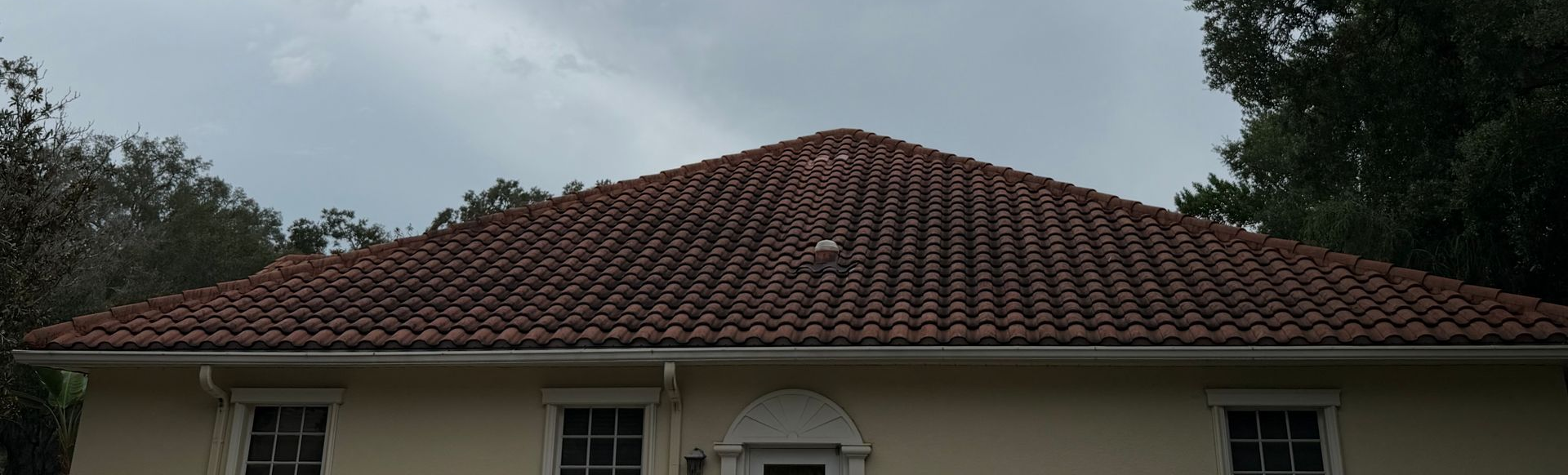
- On a roof, established algae holds moisture against the underlayment — the layer that actually keeps water out of your house.
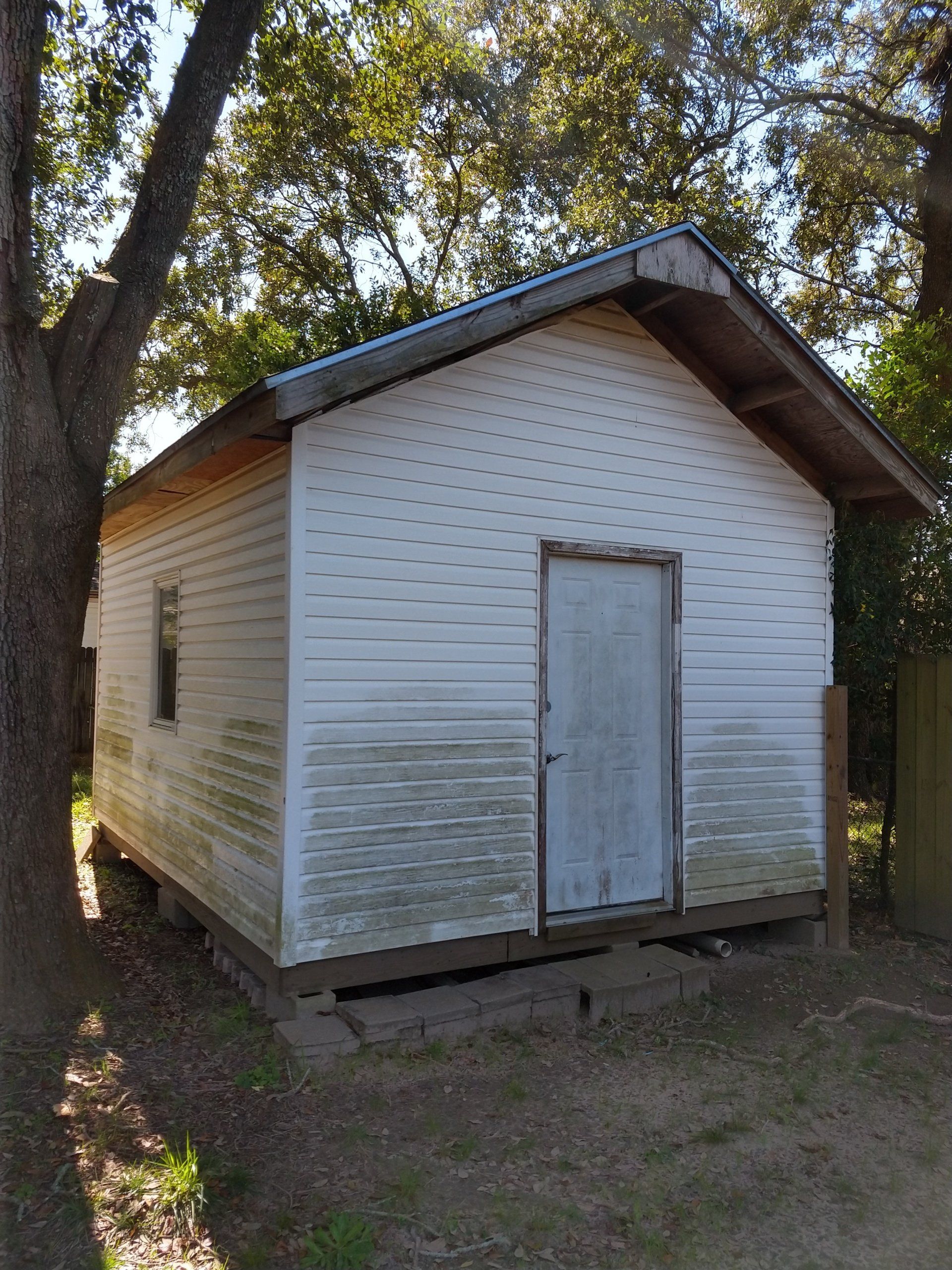
- On stucco, long-term mildew growth works into the finish. At a certain point a wash cleans it but the surface stays visibly shadowed, because the staining is in the material rather than on it.
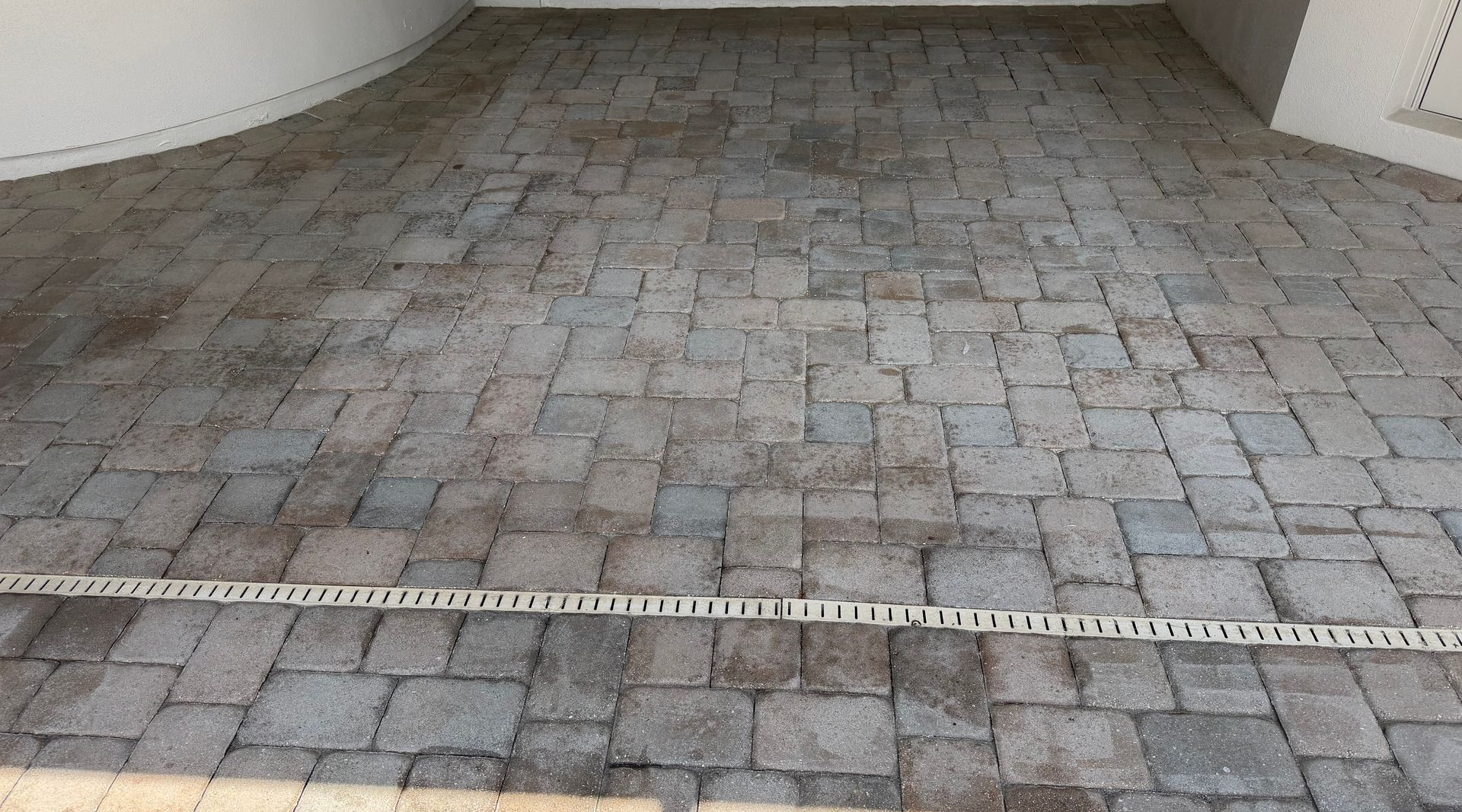
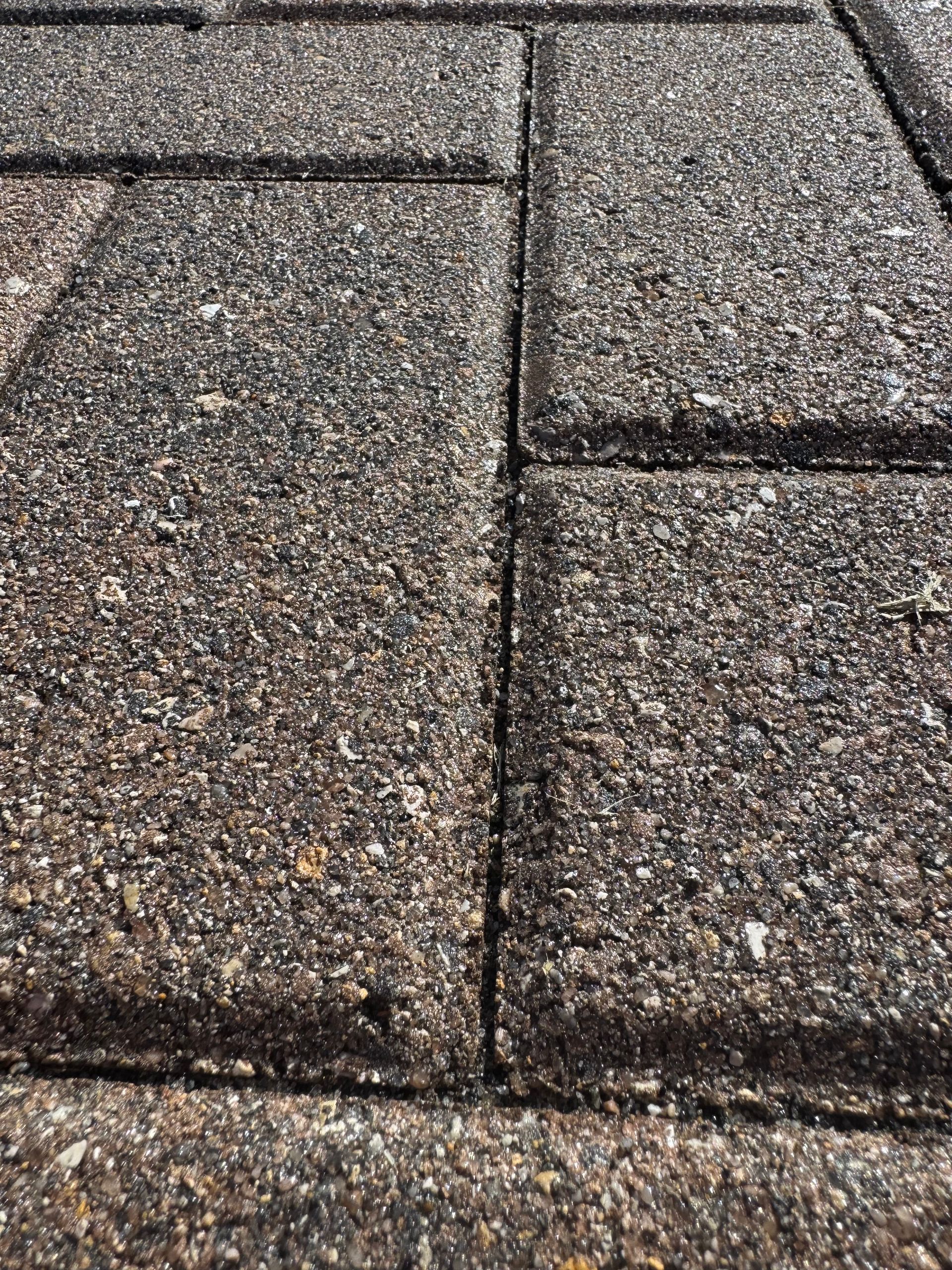
- In paver joints, growth displaces joint sand. Once the sand is gone the pavers lose lateral support and start moving, which is a hardscape repair rather than a cleaning.
- On screen enclosures, mildew in the frame channels corrodes the aluminum from the inside of the extrusion.
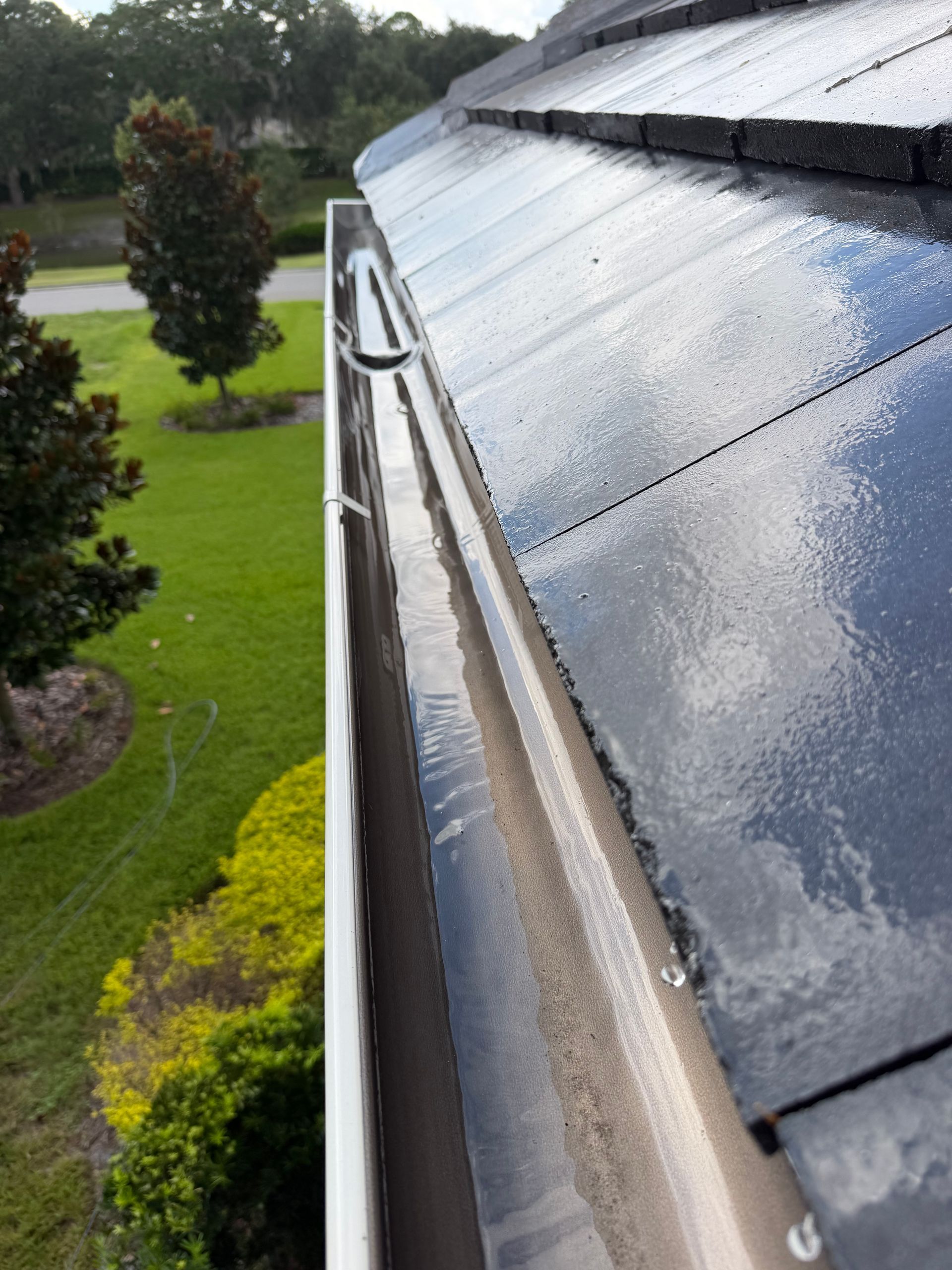
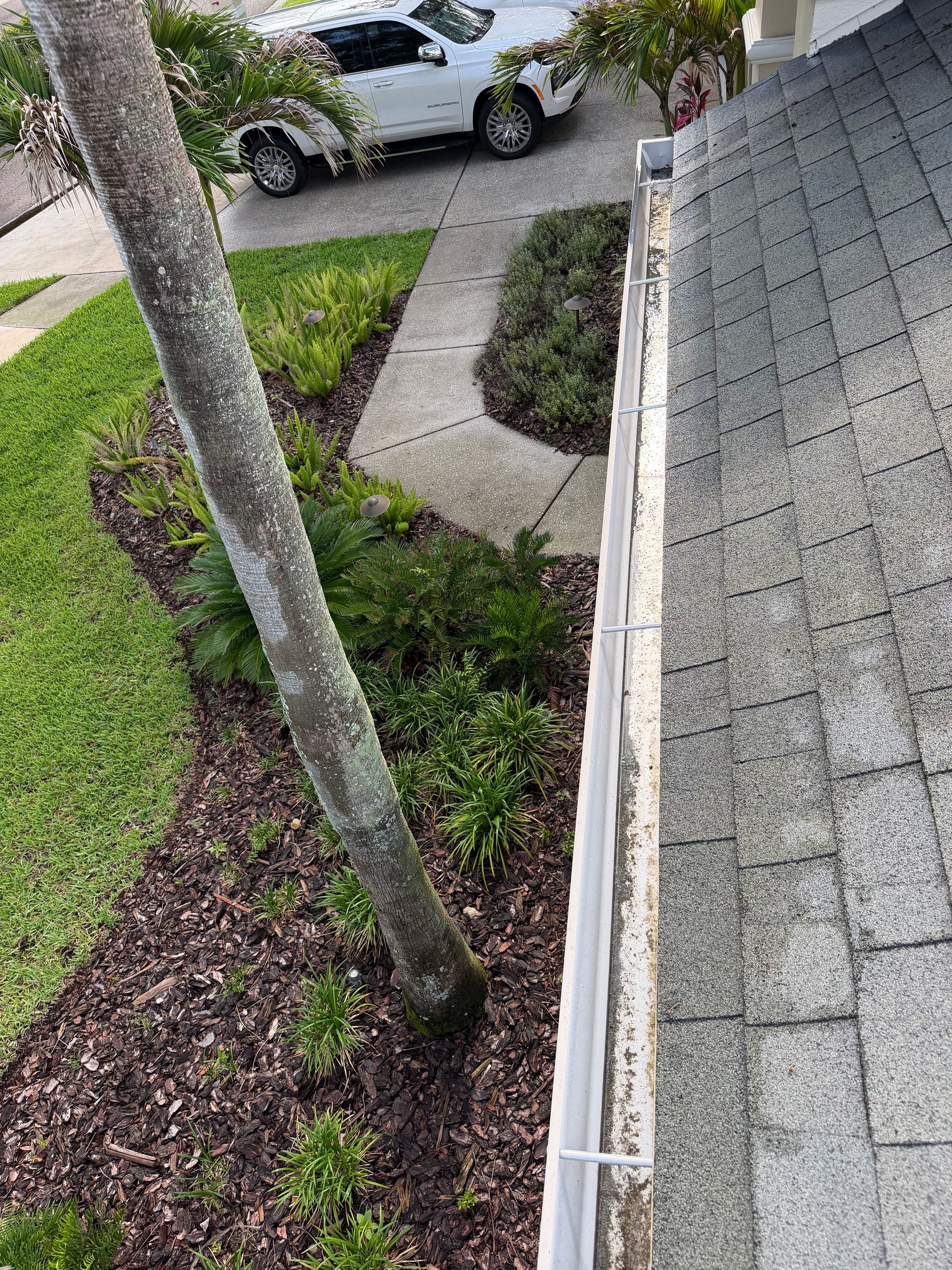
- In gutters, the failure is sudden rather than gradual — a blocked gutter during a Tampa downpour puts water behind the fascia.
None of these are emergencies at eighteen months. All of them are real by year four.
Does frequent cleaning wear surfaces out?
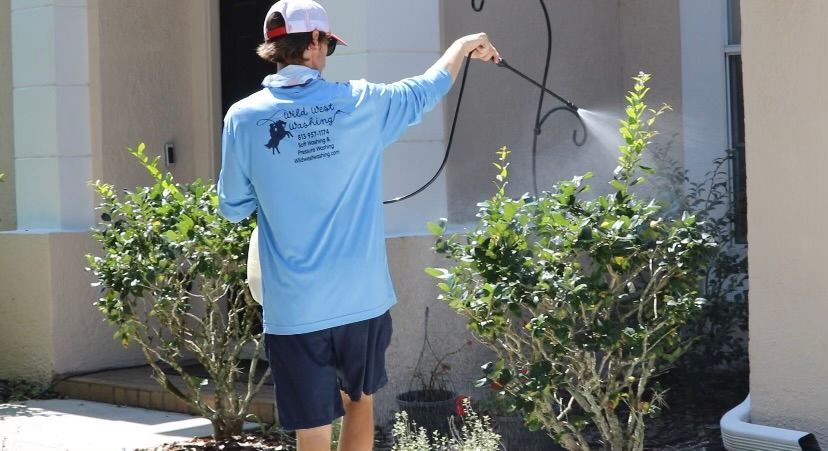
This is the right question to ask, and the answer depends entirely on method. Cleaning a house annually with high pressure absolutely does wear it out — it drives water into stucco, strips granules off shingle, furs the surface of wood, and stretches screen. Cleaning it annually with a low-pressure soft wash does not, because the chemistry is doing the work and the water is only rinsing.
That's the whole reason soft washing became the standard for anything vertical. Pressure is for concrete, pavers and hard flatwork. Everything else gets chemistry.
A simple annual rhythm for a Tampa Bay home
- Late September through November — the heaviest exterior month of the year here. Post-rainy-season reset: roof if it's due, gutters, full house wash, pool cage. This is also when seasonal residents want the house ready.
- February through April — pollen and oak catkin season. A house wash and a flatwork rinse handles it.
- June — gutters again before the rainy season peaks, and a mid-year look at the roof.
- Every 2–4 years, in a dry stretch — paver cleaning and resealing, scheduled when you have a genuine dry window rather than squeezed between afternoon storms.
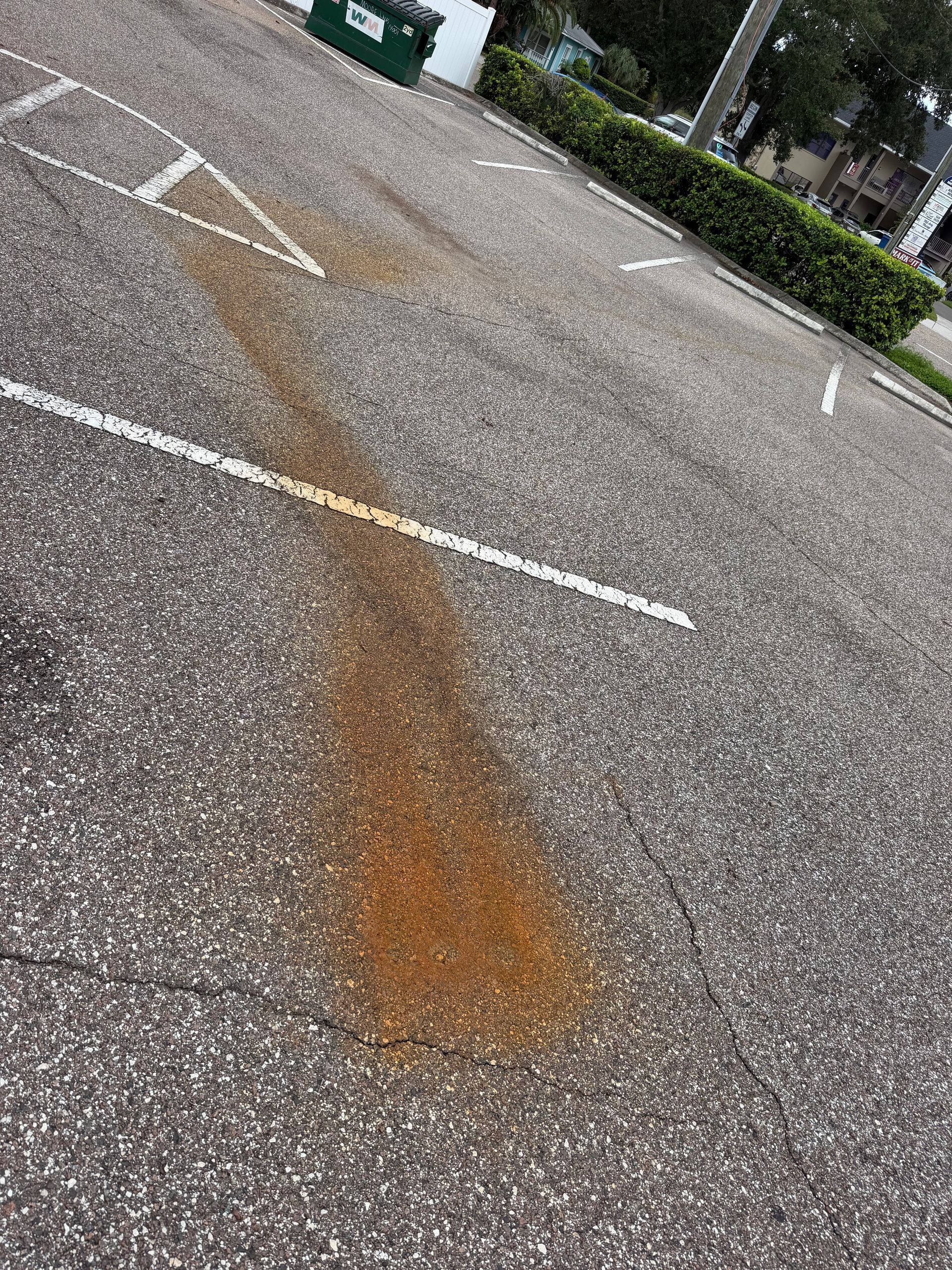
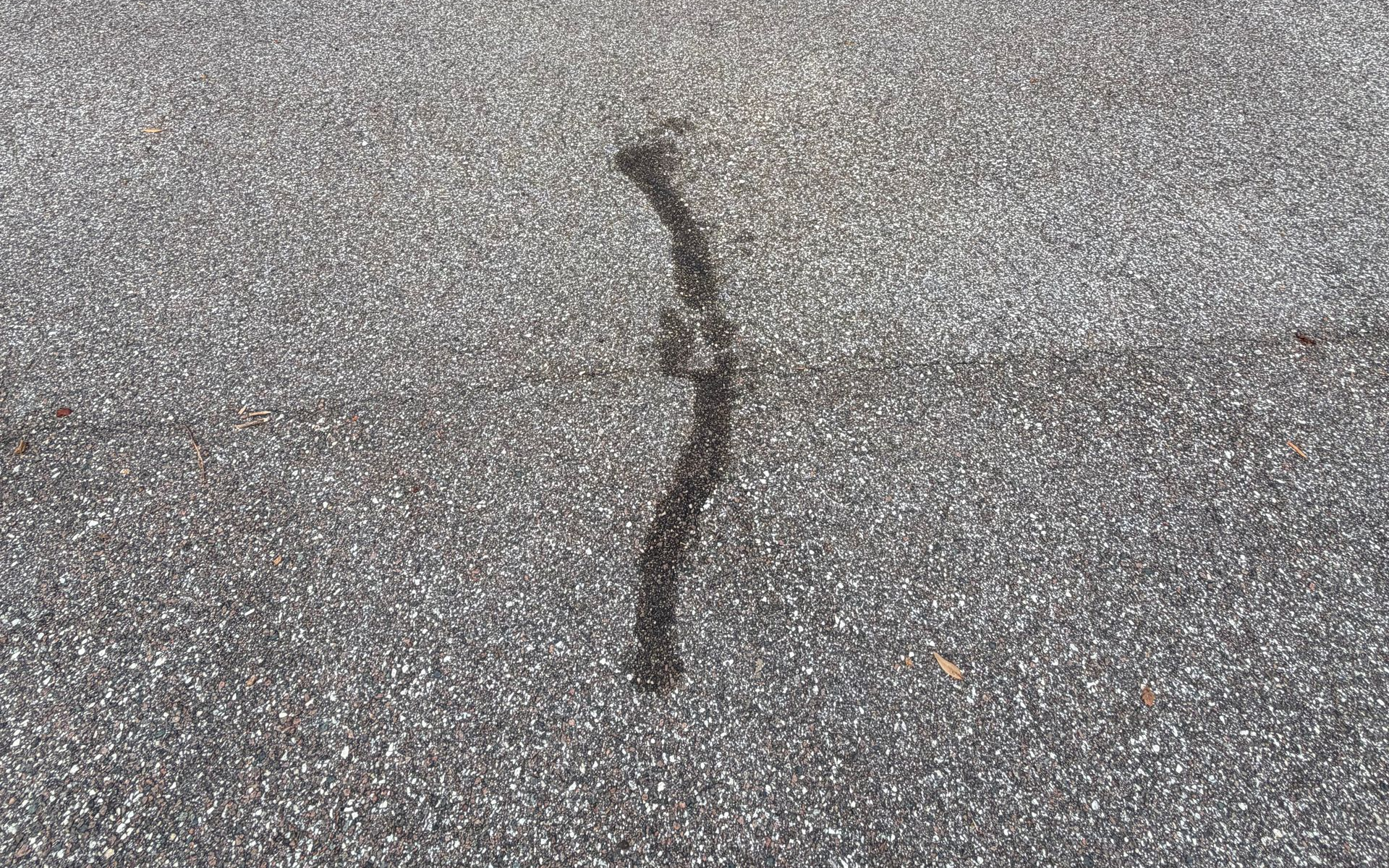
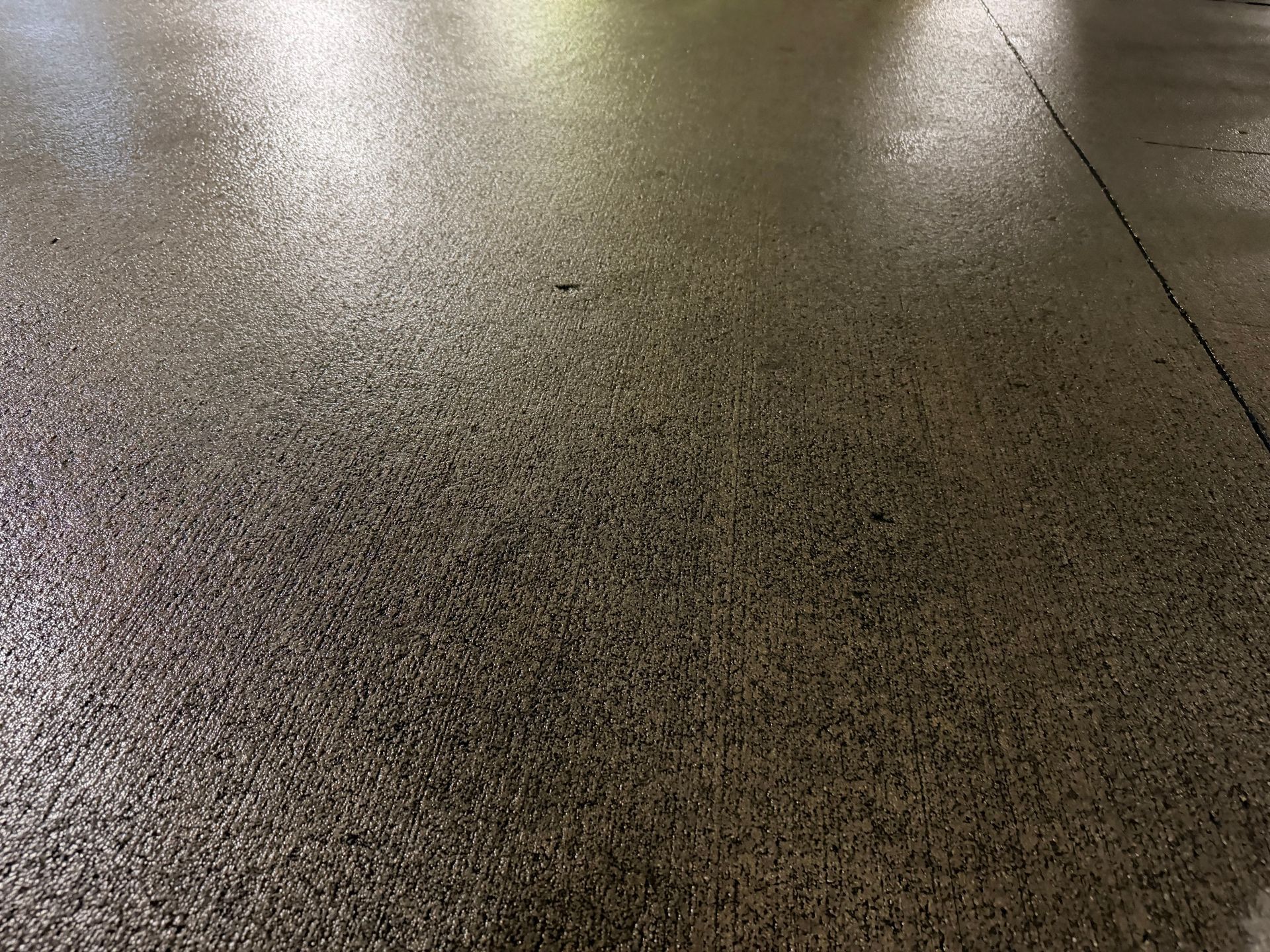
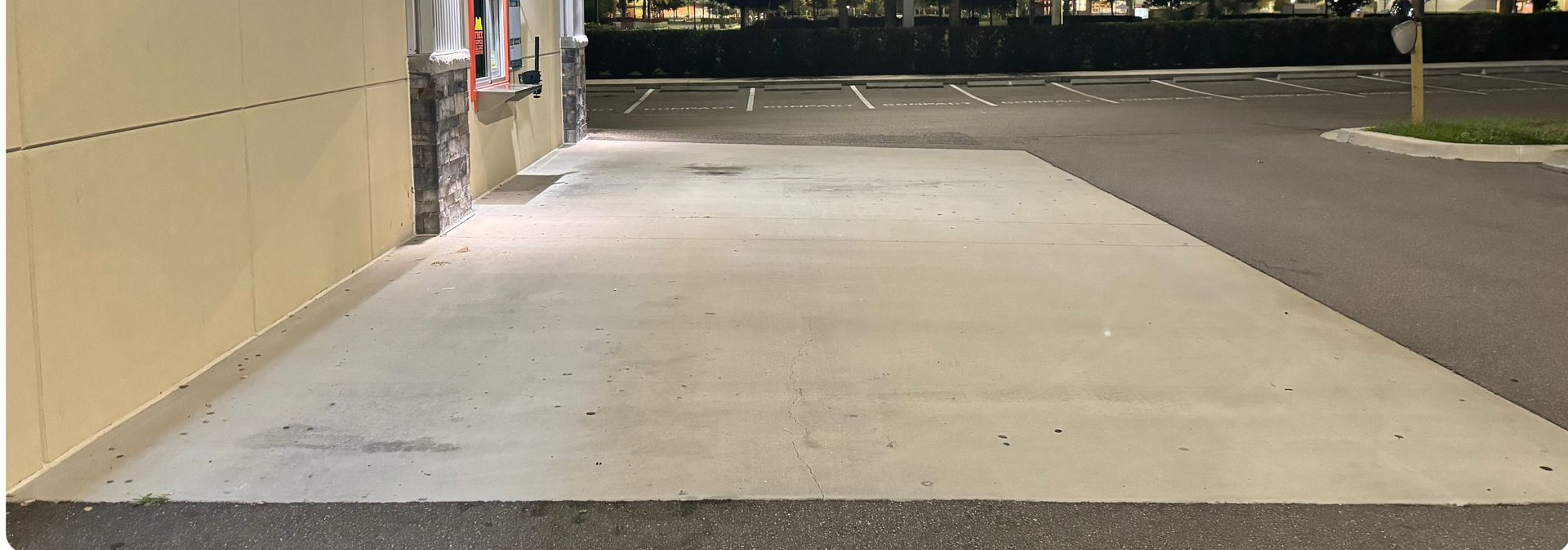
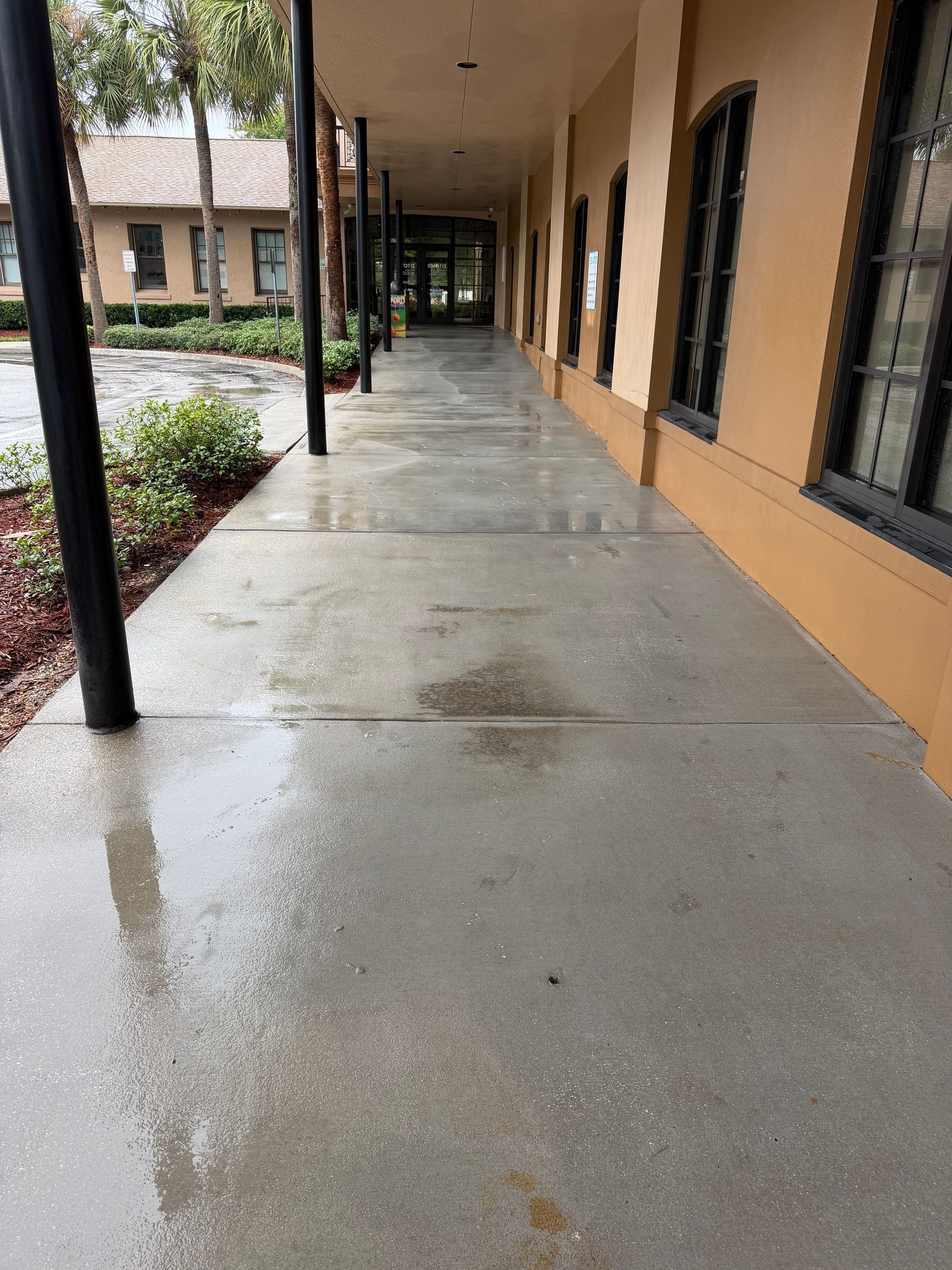
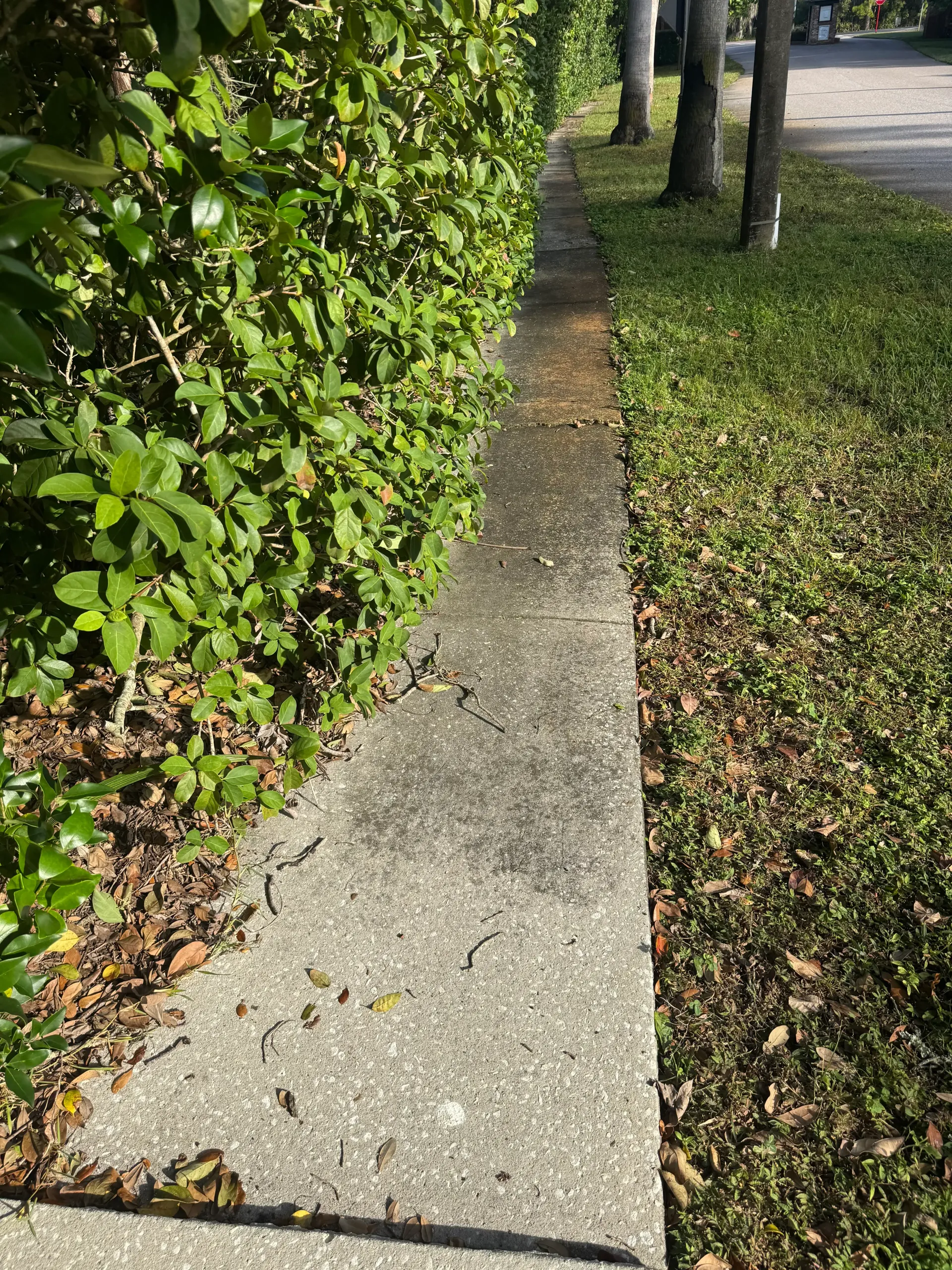
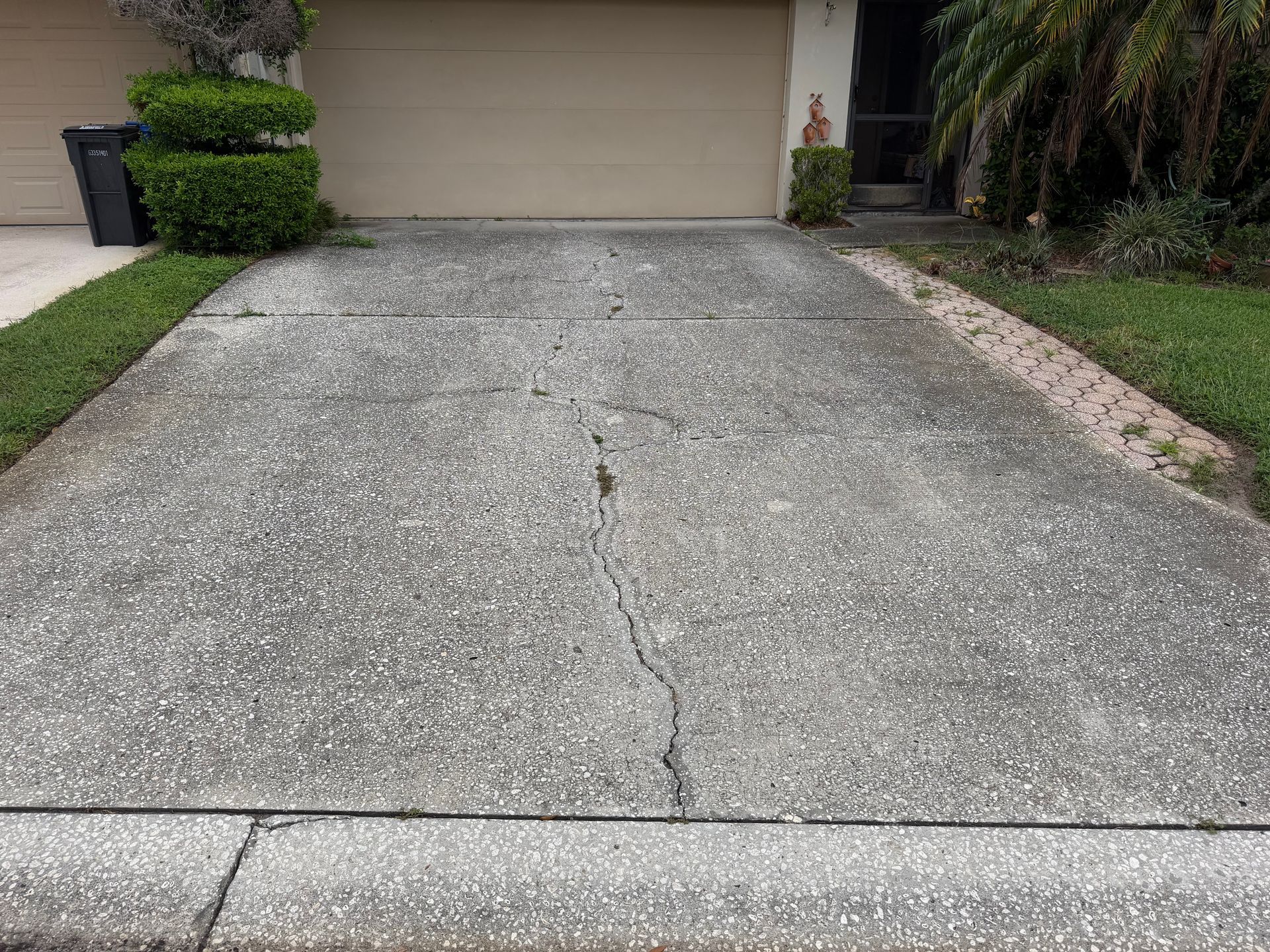
[PHOTO: before/after driveway and entry walk — Carrollwood or Westchase]
The honest version
Every house is a little different, and any company that gives you a single number for every surface on every property isn't looking closely. A heavily shaded home under live oak in Carrollwood Village and a full-sun home on an open lot in Long Lake Ranch are on genuinely different schedules, and we'd tell you so after walking the property rather than before.
What we'd push back on is waiting until it looks bad. Cleaning on a schedule is faster, easier on the surfaces, and cheaper over a decade than cleaning on demand — because by the time a homeowner calls us because it "looks bad," we're removing four years of buildup instead of one.
Get a schedule built for your property
Our veteran-owned crew will walk your home, tell you which surfaces are actually due and which ones can wait, and put together a realistic annual plan. No pressure to do everything at once.
Call 813-957-1174 for a free quote, or start with our exterior cleaning overview, roof cleaning, or pool deck cleaning.