Why Restaurants Should Never Overlook Drive-Thru Cleaning
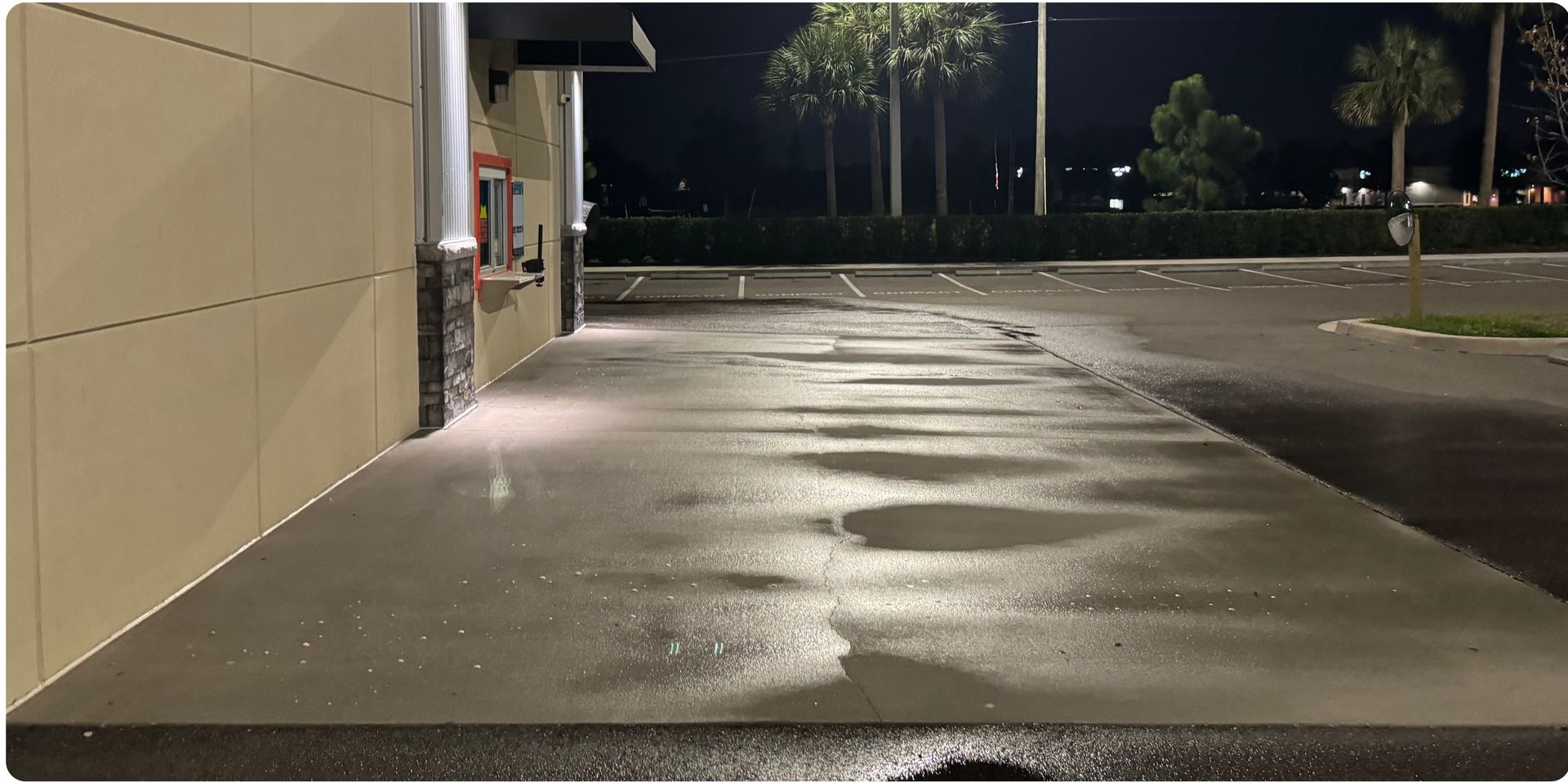
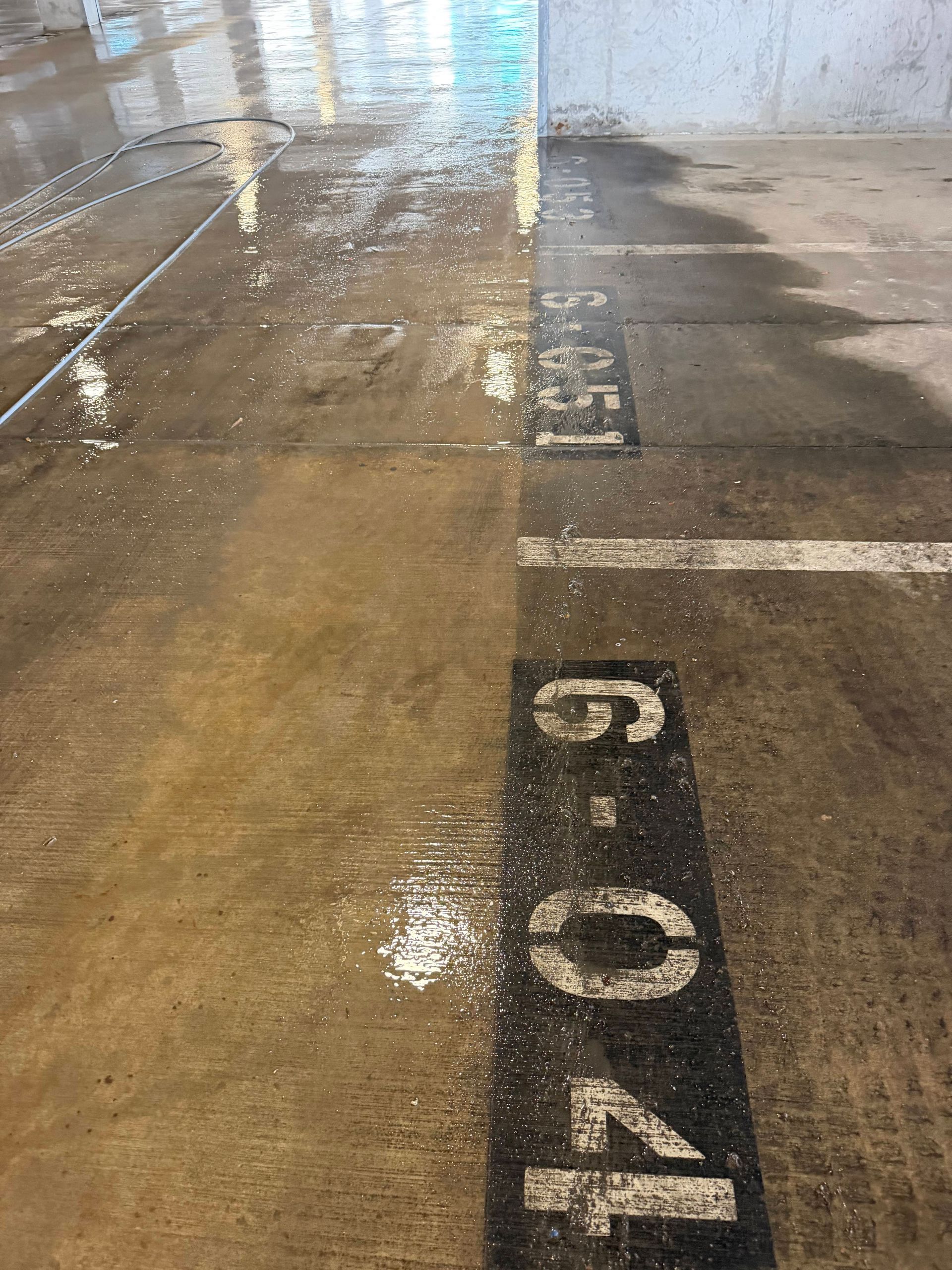
For a fast food restaurant, the drive-thru is more than just another part of the property—it is one of the busiest and most visible areas of the business. Every day, hundreds of customers drive through, place orders, pick up food, and leave. With that constant traffic comes grease, food debris, dirt, tire marks, spills, oil, gum, trash, and the buildup of algae, mold, and other organic growth.
Over time, a drive-thru that once looked clean and professional can quickly become stained, dirty, and uninviting. For restaurant owners and managers, regular professional drive-thru cleaning should be an important part of maintaining the property.
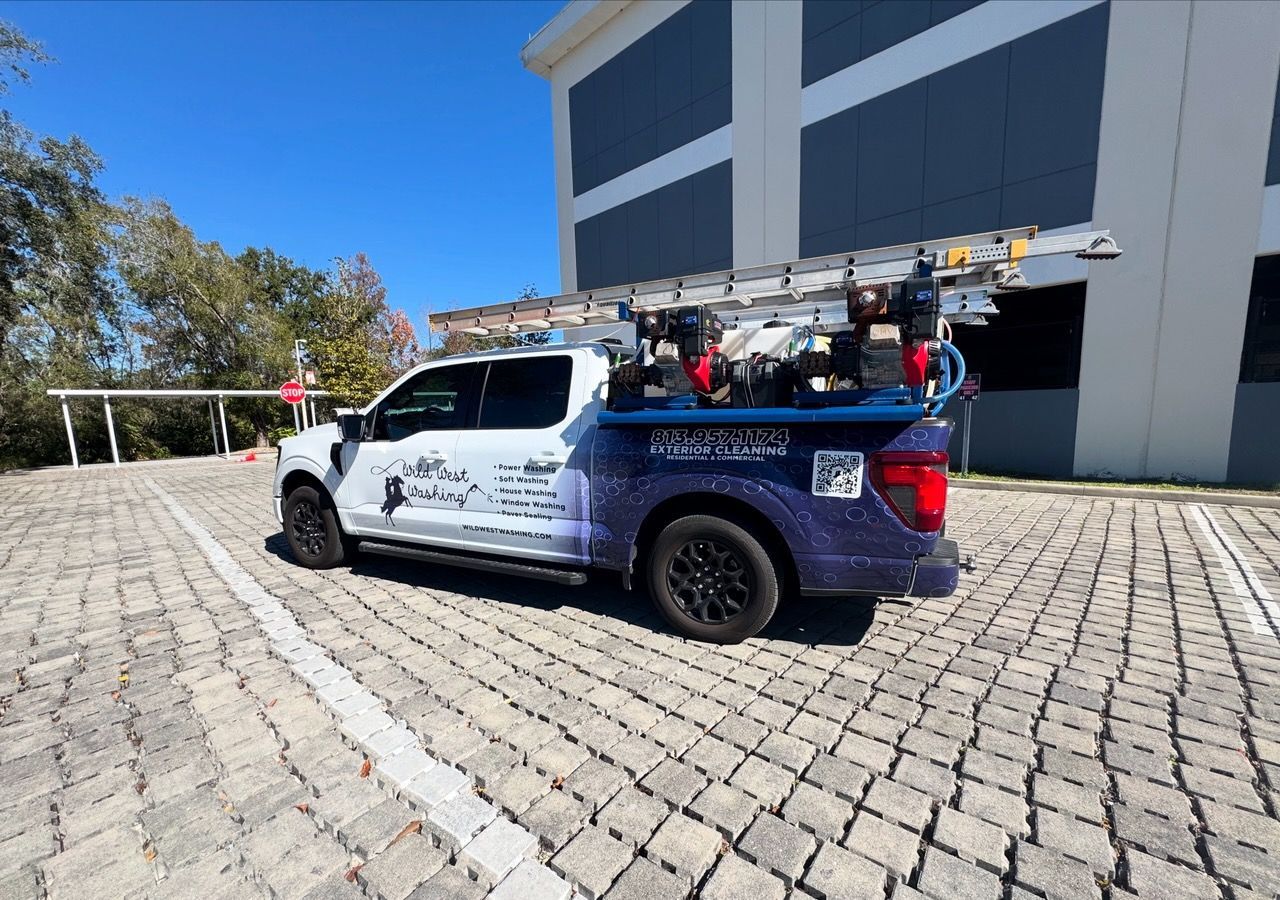
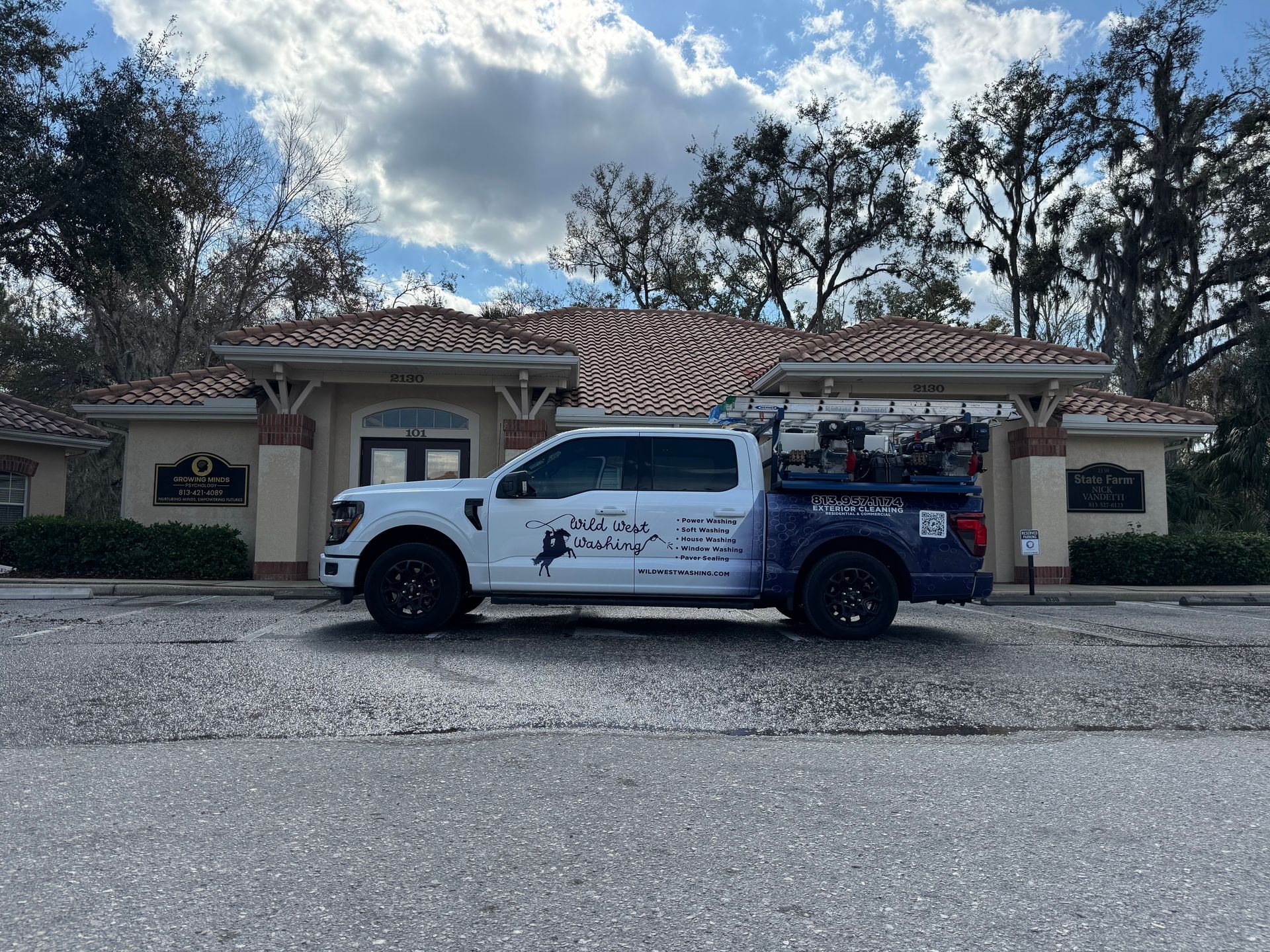
At Wild West Washing, we understand that keeping a fast food restaurant clean goes far beyond the dining room and kitchen. Your exterior areas matter too, and the drive-thru is one of the first places many customers see.
Your Drive-Thru Makes a First Impression
When customers pull into a fast food restaurant, they immediately begin forming an opinion about the property. A clean, well-maintained drive-thru can give customers confidence that the business takes cleanliness seriously.
On the other hand, a drive-thru covered in grease, black stains, food debris, gum, dirt, and grime can create a poor impression before the customer even reaches the order window.
Think about what a customer sees as they enter the drive-thru:
- Dirty concrete
- Grease and oil stains
- Food and drink spills
- Gum stuck to the pavement
- Tire marks
- Algae and organic growth
- Dirty curbs
- Grimy ordering areas
- Trash and debris
- Stained concrete around the pickup window
These may seem like small issues individually, but together they can make the entire restaurant exterior look neglected.
Drive-Thrus Take a Lot of Abuse
Fast food drive-thrus experience significantly more traffic than many other commercial properties. Vehicles are constantly entering, stopping, idling, turning, and leaving.
That means the pavement is exposed to:
Vehicle fluids: Cars can leak oil, transmission fluid, coolant, and other fluids onto the concrete or asphalt.
Food and beverage spills: Customers regularly spill soda, coffee, sauces, milkshakes, and other products.
Grease: Grease can accumulate around areas where food is handled, dropped, or discarded.
Dirt and mud: Tires track dirt and debris into the drive-thru from surrounding roads and parking lots.
Gum: Chewing gum can become firmly attached to concrete and become extremely difficult to remove without professional equipment.
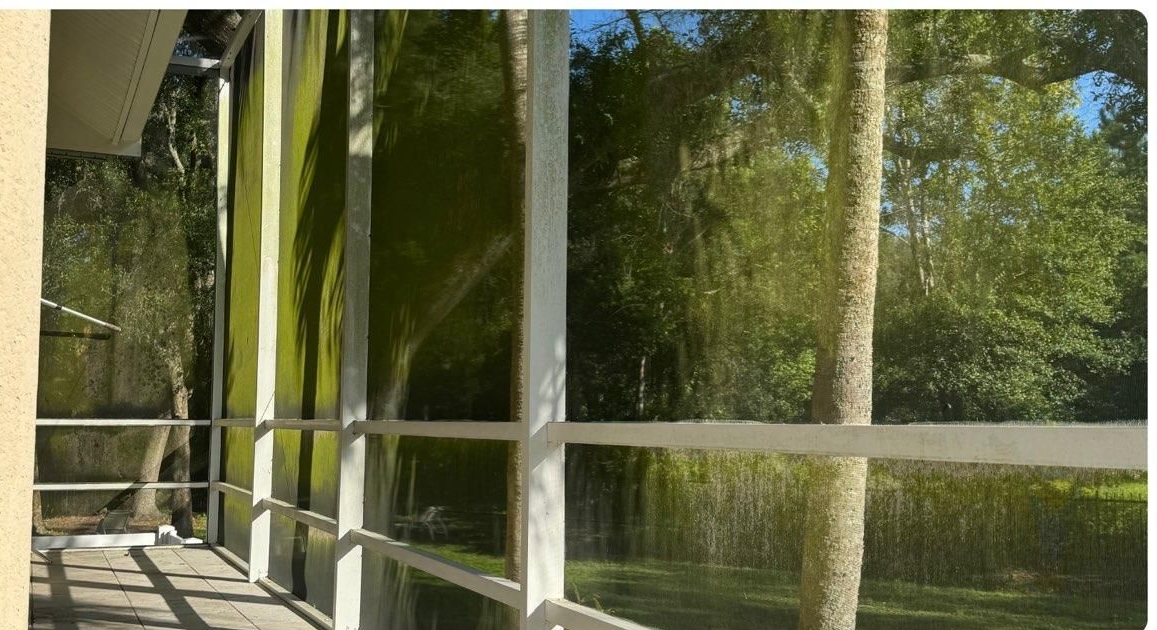
Organic growth: In Florida's warm and humid environment, algae, mildew, and other organic buildup can develop on exterior surfaces.
All of this eventually adds up to a drive-thru that needs more than a quick rinse with a garden hose.
Professional Drive-Thru Cleaning Goes Beyond Appearance
Keeping the drive-thru clean isn't only about making your restaurant look better. Regular commercial pressure washing and surface cleaning can help remove layers of buildup that accumulate over time.
Professional cleaning can target areas such as:
- Drive-thru lanes
- Ordering stations
- Pickup windows
- Concrete curbs
- Sidewalks
- Dumpster areas
- Restaurant entrances
- Parking areas
- Walkways
- Concrete pads
- Exterior walls and building surfaces
A professional commercial cleaning company can use the appropriate equipment and cleaning methods for the specific surface and type of buildup.
Grease and Oil Stains Can Become a Major Problem
Grease and oil are some of the biggest challenges for fast food restaurant properties.
Vehicles can leave oil behind, while restaurant operations can contribute grease and food-related contaminants. Once these substances soak into porous concrete, simply spraying the surface with water usually won't provide the deep cleaning needed.
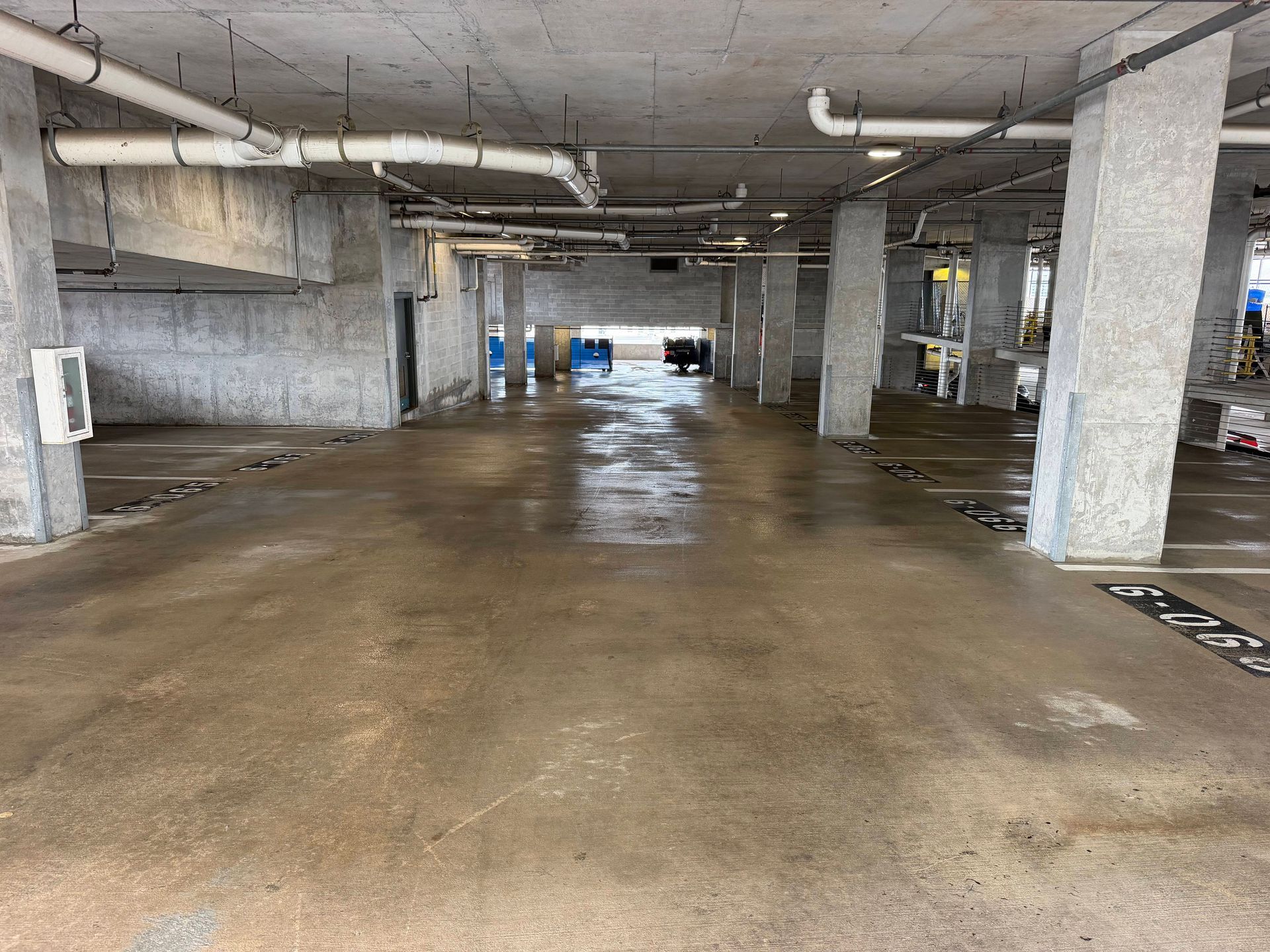
Professional commercial concrete cleaning can help break down and remove these contaminants, dramatically improving the appearance of the drive-thru.
This is particularly important around ordering and pickup areas where customers spend time waiting.
Florida Weather Makes Exterior Cleaning Even More Important
Florida restaurants have an additional challenge: the climate.
High humidity, frequent rain, strong sunlight, and warm temperatures can create ideal conditions for algae, mildew, mold, and other organic growth. When moisture remains on concrete and shaded areas, buildup can develop surprisingly quickly.
A drive-thru may look great after cleaning, only to begin showing organic growth again if regular maintenance is ignored.
That's why restaurant owners throughout the Tampa Bay Area should consider a routine exterior cleaning schedule rather than waiting until surfaces become heavily stained.
Clean Concrete Helps Your Restaurant Look More Professional
Imagine pulling into two different fast food restaurants.
The first has a bright, clean drive-thru with fresh-looking concrete, clean curbs, and an organized appearance.
The second has dark, stained pavement, dirty curbs, gum everywhere, grease spots, and green organic growth around the edges.
Even if both restaurants serve exactly the same food, which one looks more professional?
Your building, parking lot, sidewalks, and drive-thru all contribute to your restaurant's overall image.
A clean exterior tells customers that you care about the details.
Don't Forget the Drive-Thru Ordering Area
The ordering station is one of the most important areas to keep clean.
Customers may sit in their vehicles for several minutes while deciding what to order. They have plenty of time to notice dirty pavement, stained curbs, weeds, gum, trash, and buildup around the ordering area.
Professional cleaning can help restore the appearance of the concrete surrounding the ordering station and make the entire area look better maintained.
It is also worth considering the areas customers see while they wait in line. The entire drive-thru experience should look clean from entrance to exit.
Cleaning Around the Pickup Window Matters Too
The pickup window is another high-traffic area.
Restaurant employees are constantly moving between the kitchen and the drive-thru window. Food, beverages, sauces, and other materials can occasionally end up on the ground.
Over time, those spills can create stains and sticky areas that attract dirt.
Regular cleaning around the pickup window can help keep the area looking professional and prevent layers of buildup from becoming more difficult to remove later.
Don't Forget the Curbs
Curbs are often overlooked during routine restaurant cleaning.
Because they sit at the edge of drive-thru lanes and parking areas, they collect dirt, mud, tire debris, spilled drinks, and organic growth.
Dirty curbs can make an otherwise clean drive-thru look unfinished.
Cleaning the curbs along with the drive-thru pavement creates a much more consistent appearance and helps the entire property look professionally maintained.
Regular Cleaning Can Be Better Than Waiting for a Major Cleanup
One of the biggest mistakes restaurant owners can make is waiting until the property looks terrible before scheduling professional cleaning.
By that point, buildup may be significantly harder to remove.
A regular commercial pressure washing and exterior cleaning schedule allows you to stay ahead of the dirt.
Instead of allowing months or years of buildup to accumulate, routine maintenance can help keep the property looking clean throughout the year.
Depending on traffic, location, weather, and the condition of the property, some restaurants may benefit from cleaning several times per year.
A Cleaner Drive-Thru Can Improve Your Overall Property
Drive-thru cleaning doesn't have to be an isolated service.
Restaurant owners can create a comprehensive exterior maintenance plan that includes:
Drive-Thru Cleaning: Remove dirt, grease, stains, spills, and organic buildup.
Concrete Cleaning: Restore sidewalks, curbs, entrances, and other concrete areas.
Parking Lot Cleaning: Help remove accumulated dirt, grime, oil, and stains.
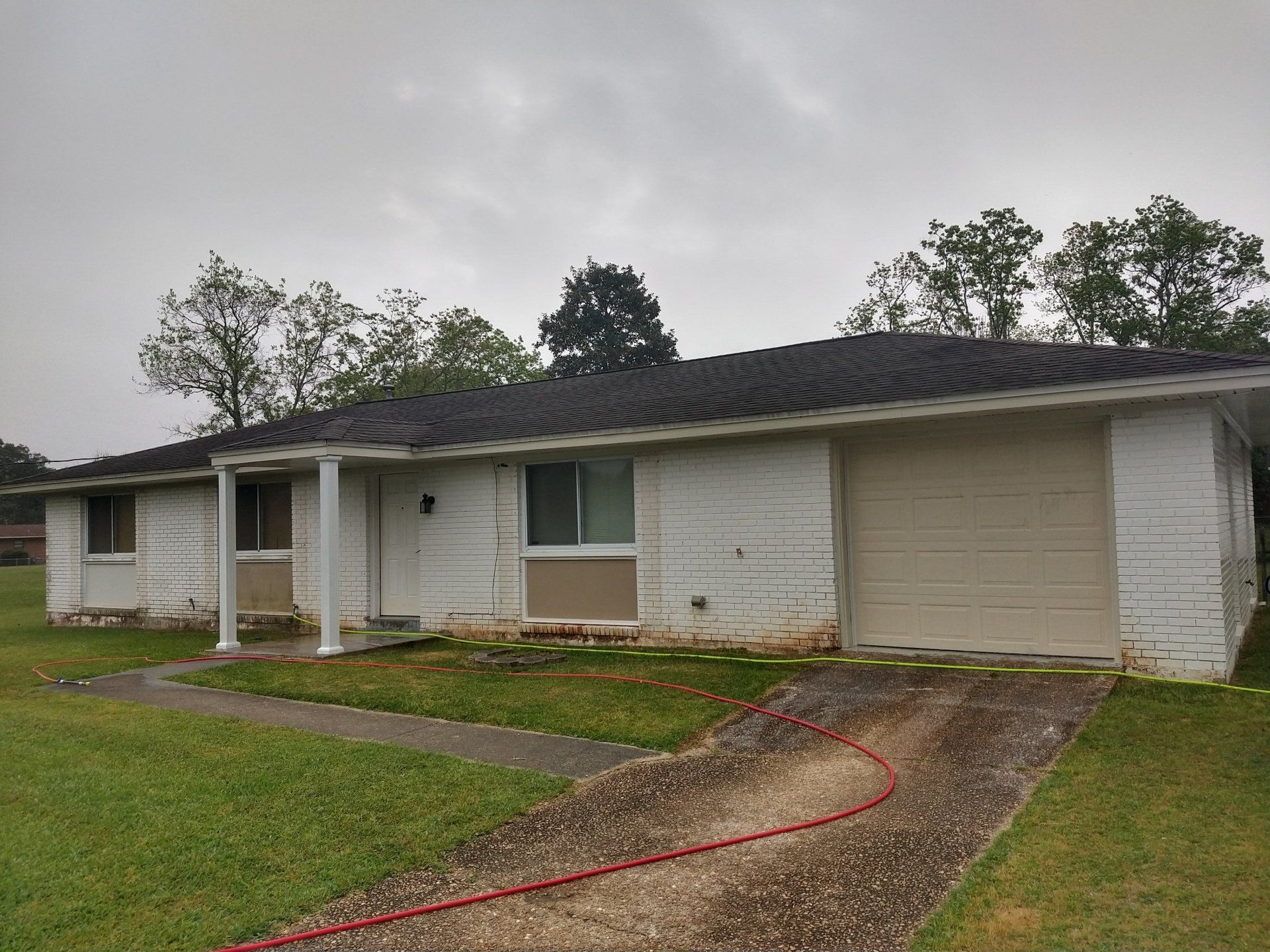
Building Washing: Keep the exterior of the restaurant looking clean and inviting.
Dumpster Pad Cleaning: Remove grease, food debris, and buildup around dumpster areas.
Sidewalk Cleaning: Keep pedestrian areas clean and presentable.
Gum Removal: Help eliminate unsightly gum buildup in high-traffic areas.
When these services are combined, the entire restaurant property can have a much cleaner and more professional appearance.
Protect Your Restaurant's Reputation
Restaurant owners know that reputation matters.
Customers don't just judge food quality. They judge the entire experience—from the moment they enter the property to the moment they leave.
A dirty drive-thru can negatively affect that experience.
While professional cleaning cannot guarantee customer satisfaction, maintaining a clean property helps demonstrate that your business pays attention to cleanliness and presentation.
That can be especially important for fast food restaurants where the drive-thru is a major part of the customer experience.
Professional Equipment Makes a Difference
Commercial drive-thru cleaning is different from cleaning a residential driveway.
Restaurants deal with much higher traffic and often have more challenging contaminants. Professional pressure washing equipment, surface cleaners, appropriate cleaning solutions, and experienced technicians can provide a deeper and more consistent clean.
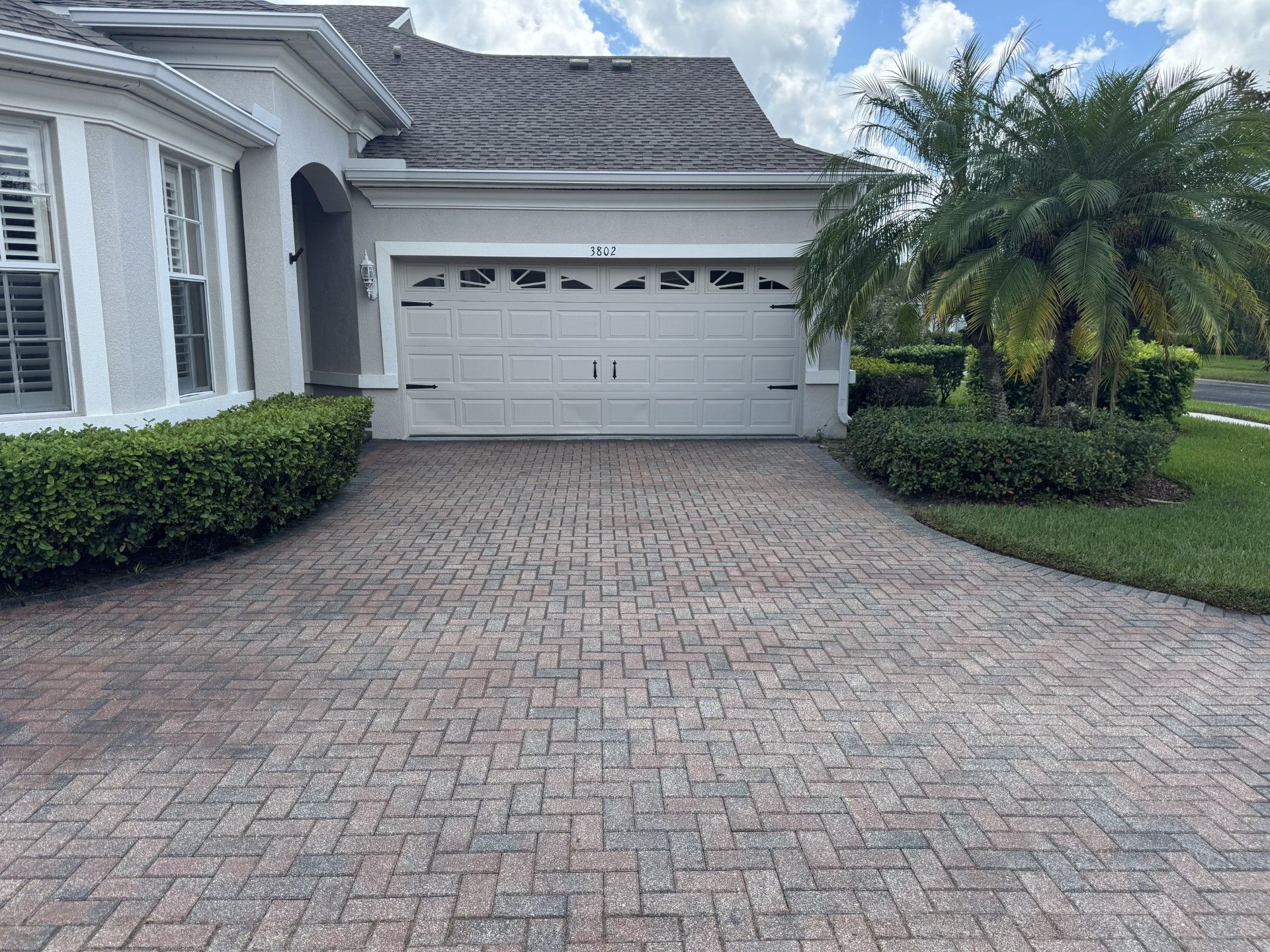
A professional surface cleaner can also help clean large concrete areas more efficiently while producing a more uniform appearance than using a pressure washer wand alone.
The goal isn't simply to blast the surface with high pressure. The goal is to use the appropriate cleaning method for the surface and contamination.
Make Drive-Thru Cleaning Part of Your Maintenance Plan
Fast food restaurant owners already have plenty to worry about: employees, food costs, equipment, customer service, inventory, inspections, and day-to-day operations.
Exterior cleaning can easily get pushed to the bottom of the list.
But your restaurant's exterior is constantly working as part of your business's presentation.
A clean drive-thru can make the property look newer, more professional, and better cared for. Regular cleaning can also prevent heavy buildup from becoming an even bigger cleaning project down the road.
Instead of waiting until customers can clearly see the dirt, establish a regular commercial cleaning schedule.
Keep Your Fast Food Drive-Thru Looking Its Best
Your drive-thru is one of the most important customer-facing areas of your restaurant. It receives constant vehicle traffic, frequent spills, dirt, grease, food debris, and exposure to Florida's challenging weather conditions.
Ignoring it can allow stains and buildup to become increasingly noticeable.
Regular commercial pressure washing, concrete cleaning, drive-thru cleaning, curb cleaning, and exterior building washing can help keep your restaurant looking clean and professional.
At Wild West Washing, we provide professional exterior cleaning services for commercial properties throughout the Tampa Bay Area. Whether you need your drive-thru cleaned, concrete restored, sidewalks washed, dumpster pads cleaned, or the entire exterior of your restaurant refreshed, professional cleaning can help keep your property looking its best.
Don't wait until your drive-thru becomes one of the dirtiest parts of your property. Give your customers a cleaner first impression and make professional drive-thru cleaning part of your restaurant's regular maintenance plan.