Post-Storm Exterior Cleaning in Tampa Before Snowbird Season
Post-storm exterior cleaning in Tampa should happen within four to six weeks of the last significant storm. Wind-driven rain pushes salt, sand and organic matter into stucco pores, roof tile seams and screen mesh, and once that mixture sits through a humid Florida October it stops being surface debris and starts being staining. The faster it comes off, the less of it becomes permanent.
October is the quiet window. The tropics have mostly settled down, the heat has backed off a few degrees, and nobody is hosting anything yet. It is the single best month of the year to get a property reset.
What storms actually leave behind on a Tampa home
It is rarely the dramatic stuff. The oak limb in the pool cage is obvious and somebody already hauled it off. What stays is the quiet damage:
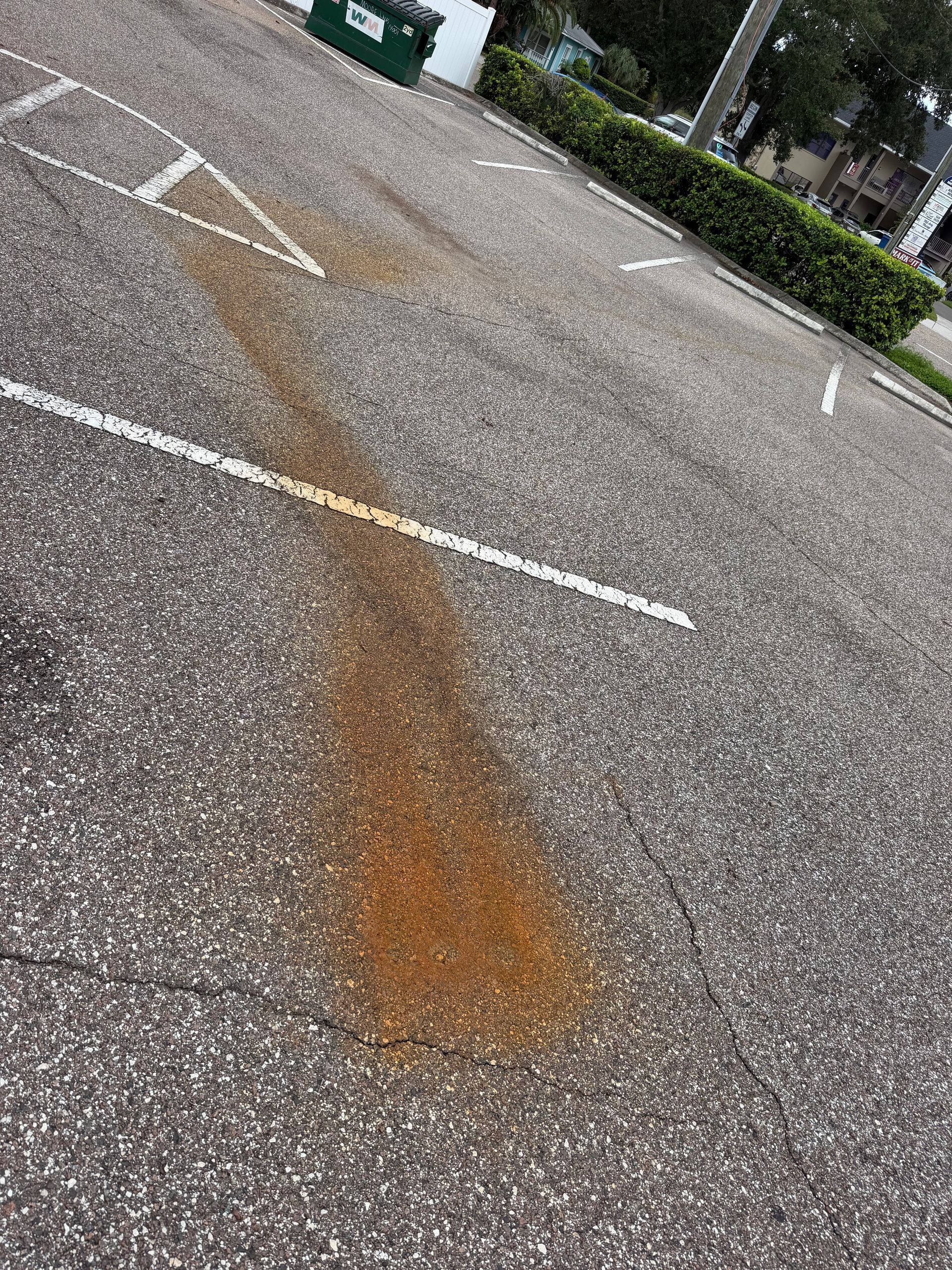
- Salt film on everything within a few blocks of the bay — Davis Island, Bayshore, Beach Park. It is hygroscopic, which means it pulls moisture out of the air and holds it against your paint, your aluminum cage frame and your window glass around the clock.
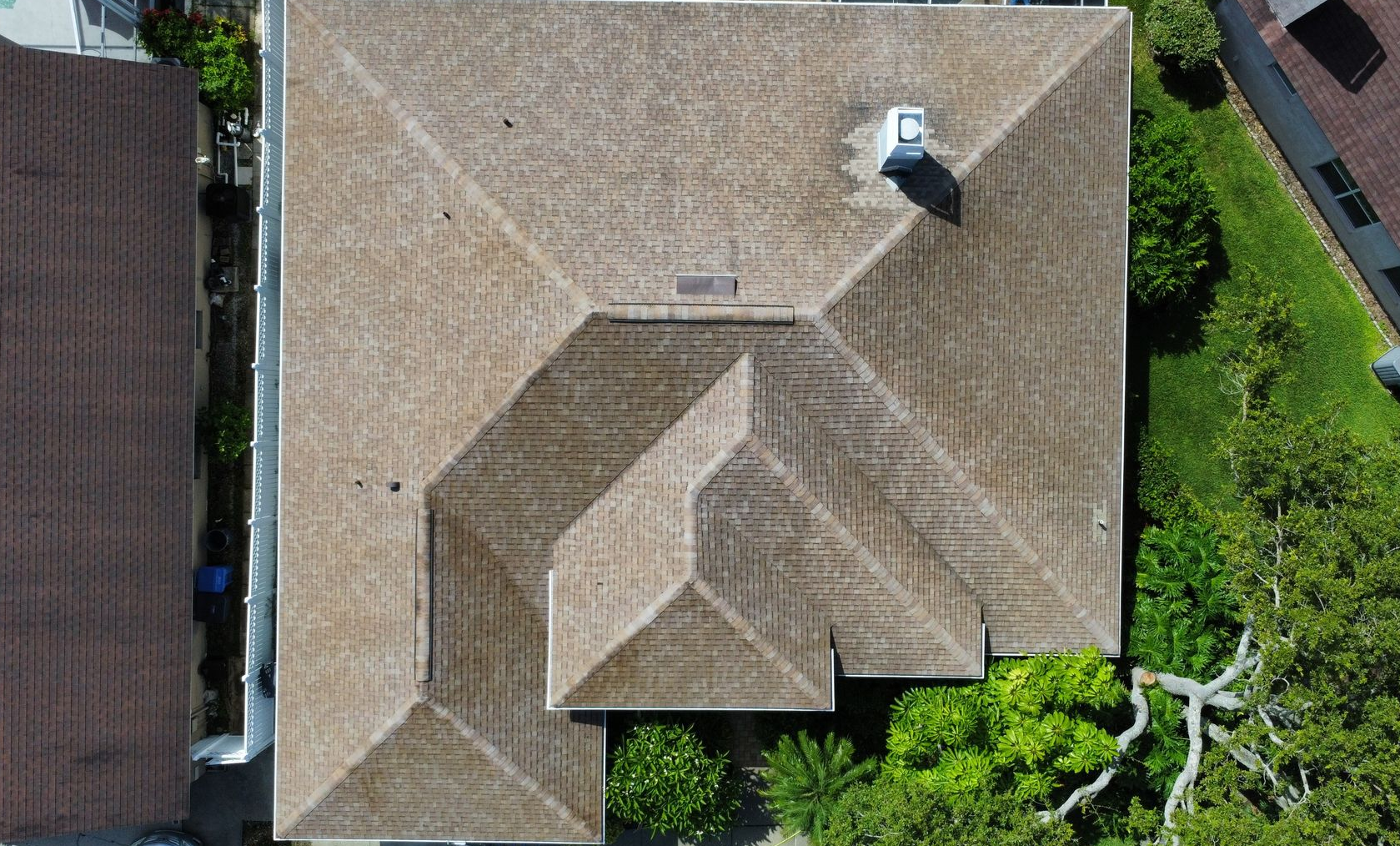
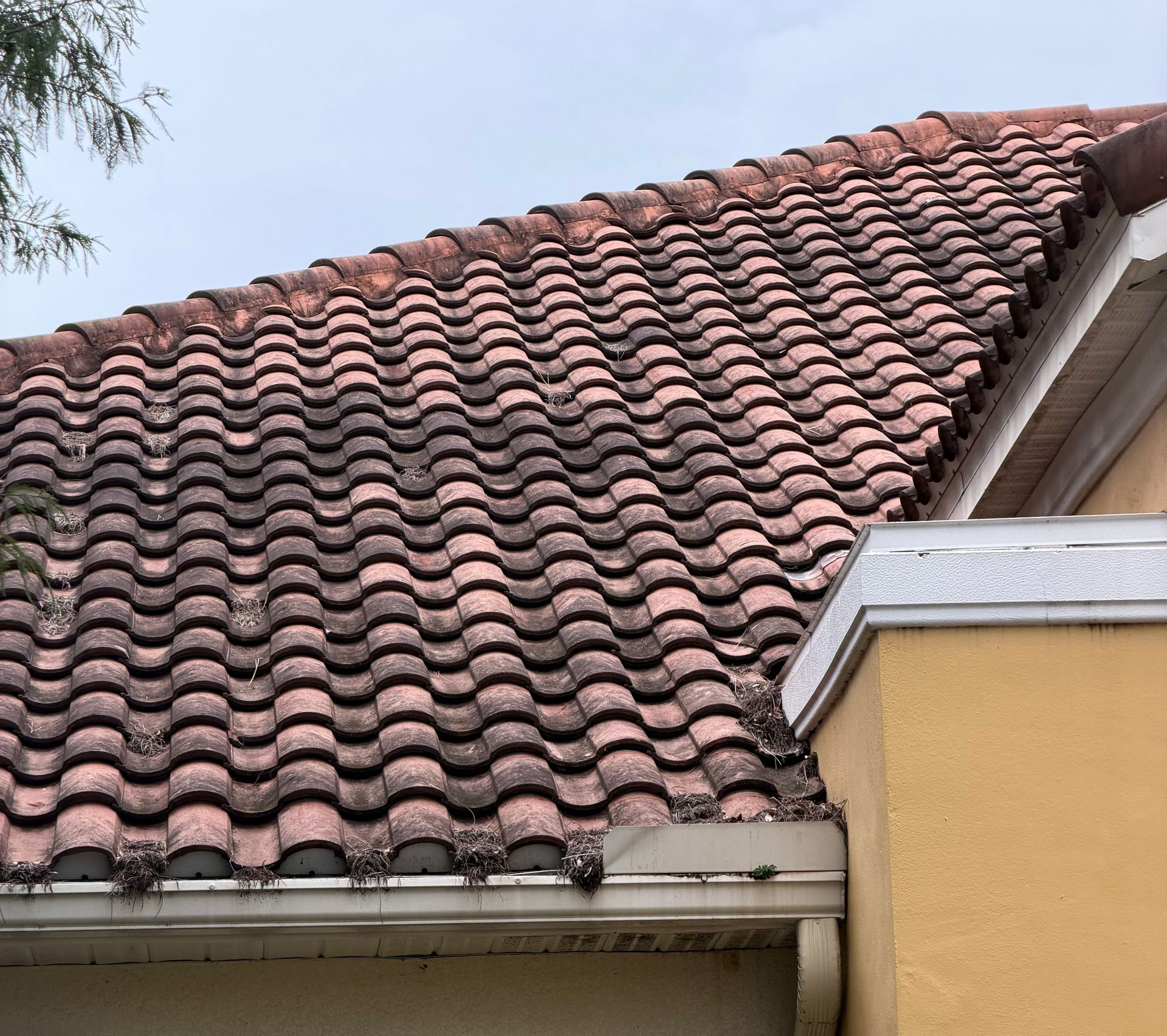
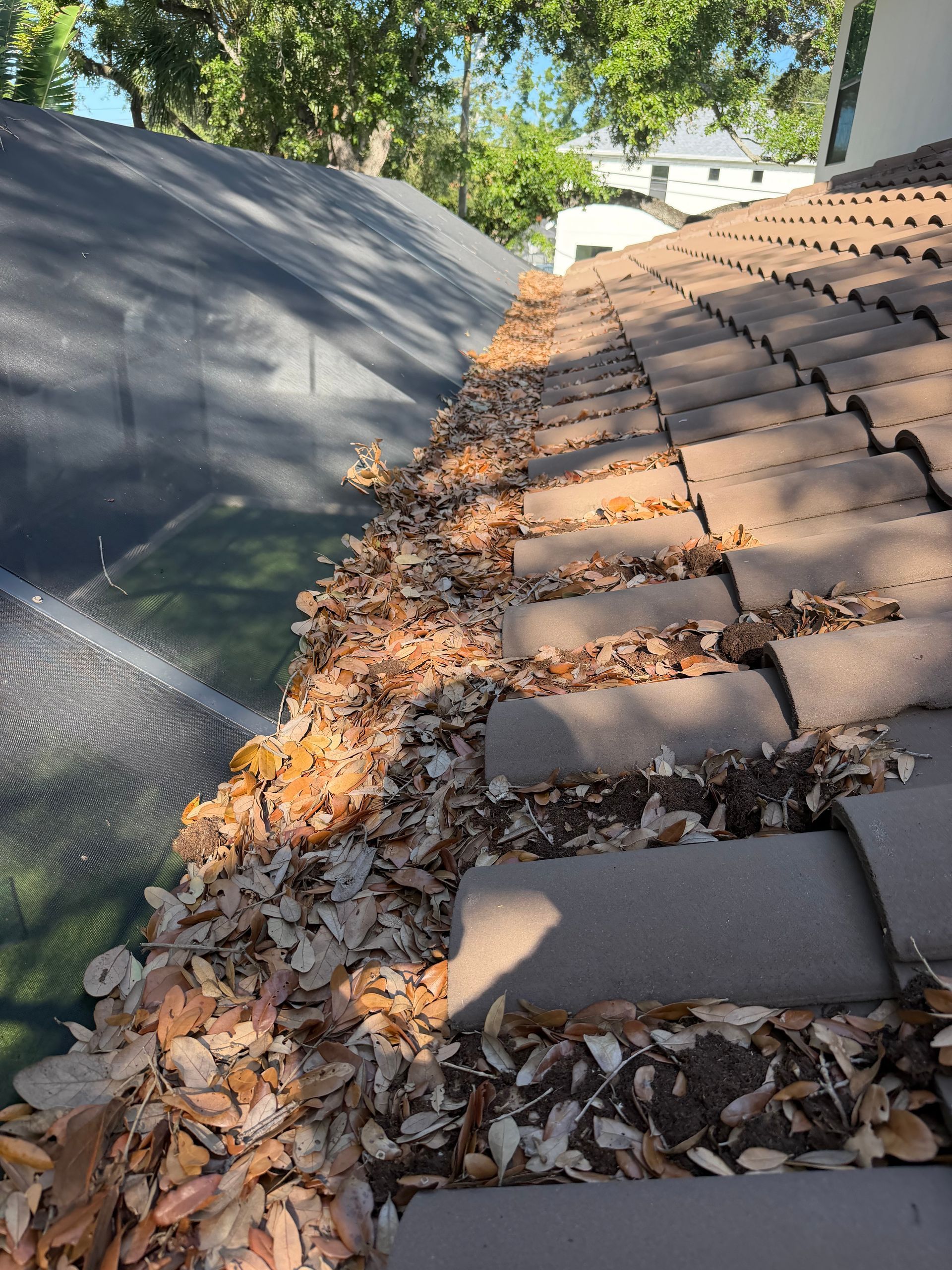
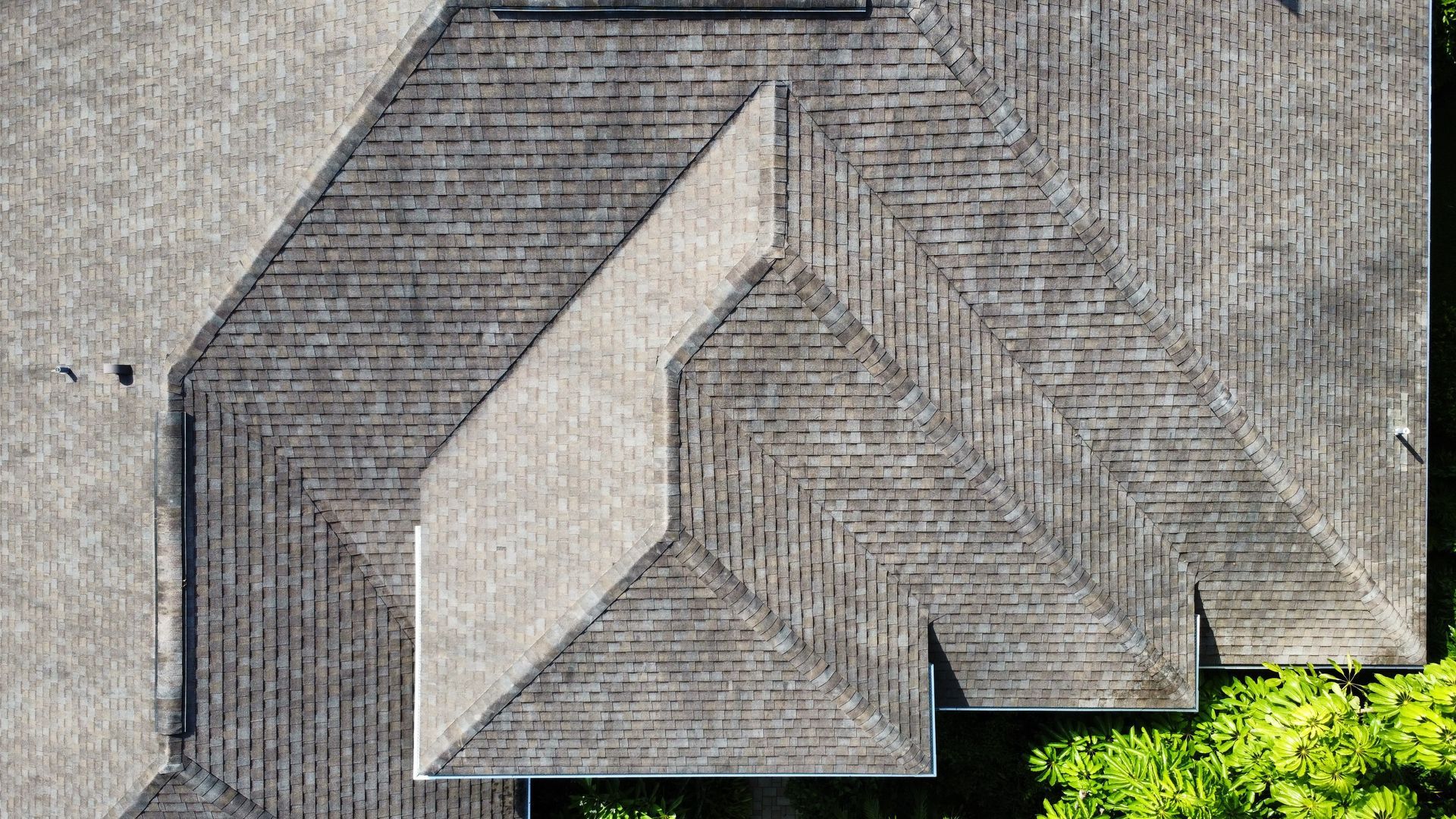
- Organic slurry in roof valleys. Leaf litter, pine needles and shingle grit pack into valleys and behind tile. Wet organic matter is exactly what Gloeocapsa magma — the algae behind black streaking — eats.
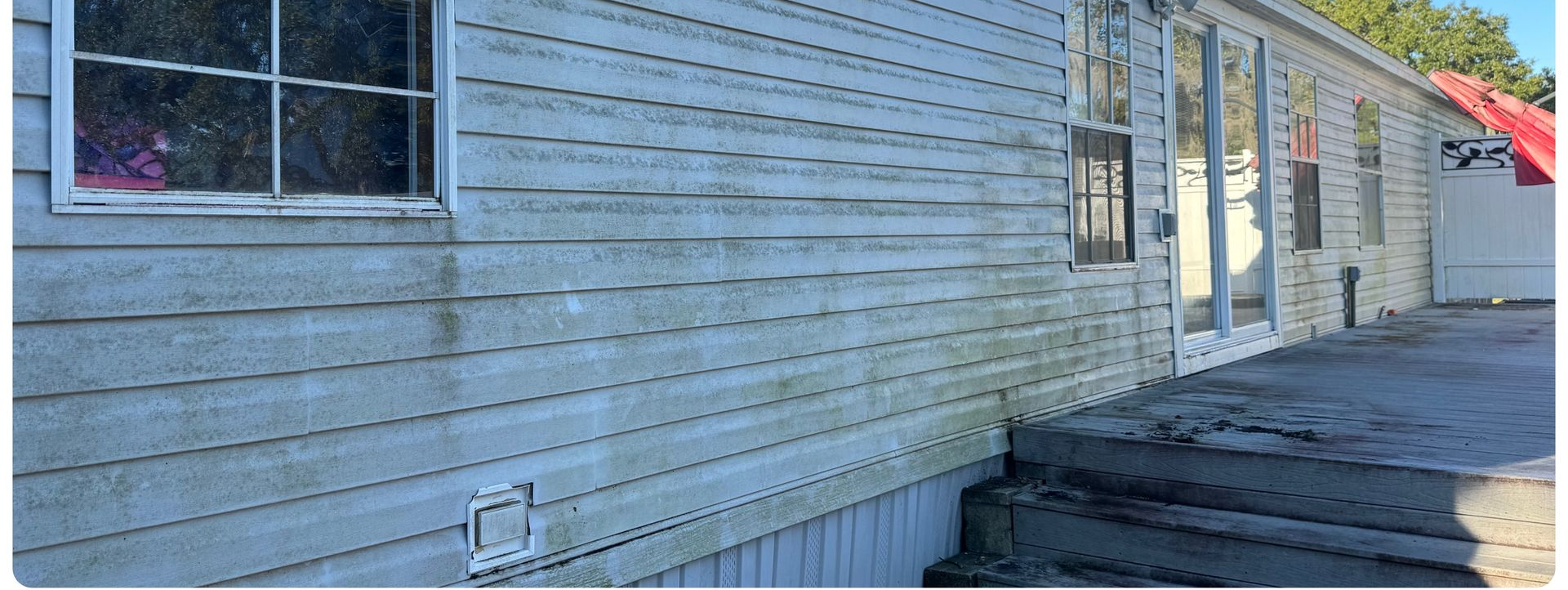
- Sand and silt driven into stucco. Wind-blown grit lodges in the texture and acts as a seed bed for mildew on the north and east elevations that never get full sun.
- Clogged downspouts and buried drains. A gutter that drained fine in May can be solid after a storm season, and the first thing you'll notice is a stain running down the wall below it.
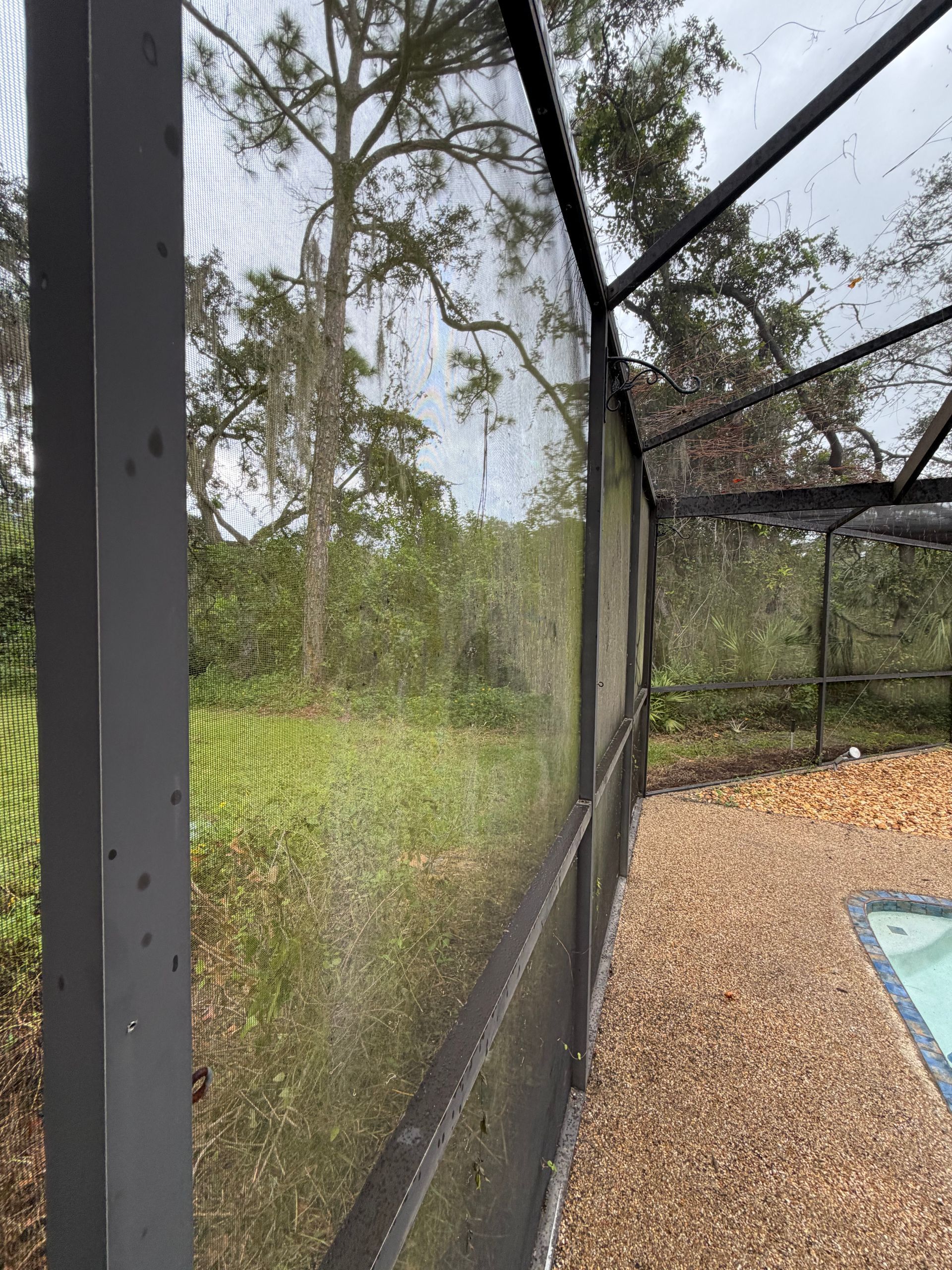
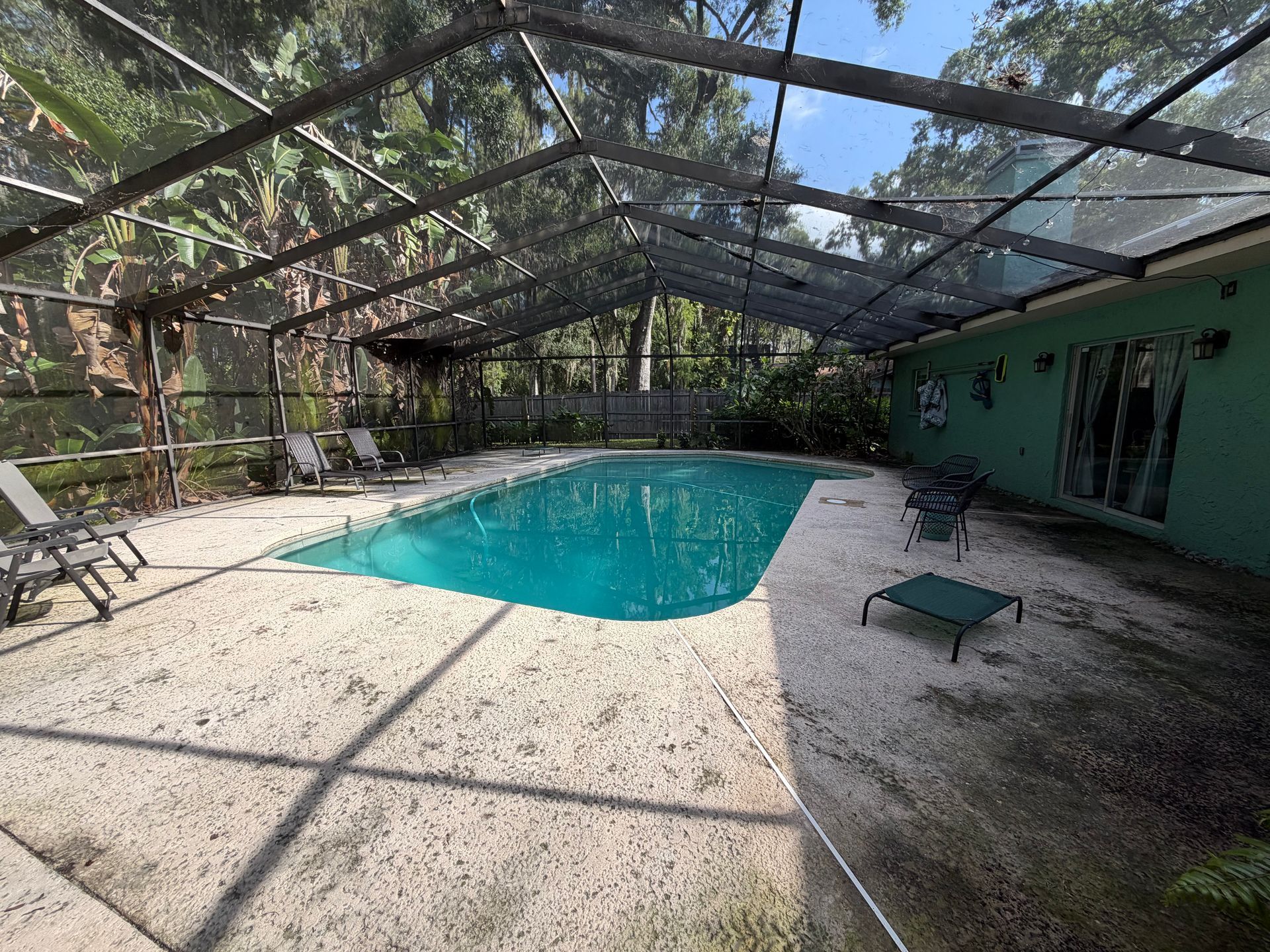
- Screen enclosures holding debris in the corners, which is where the mold on a pool cage almost always starts.
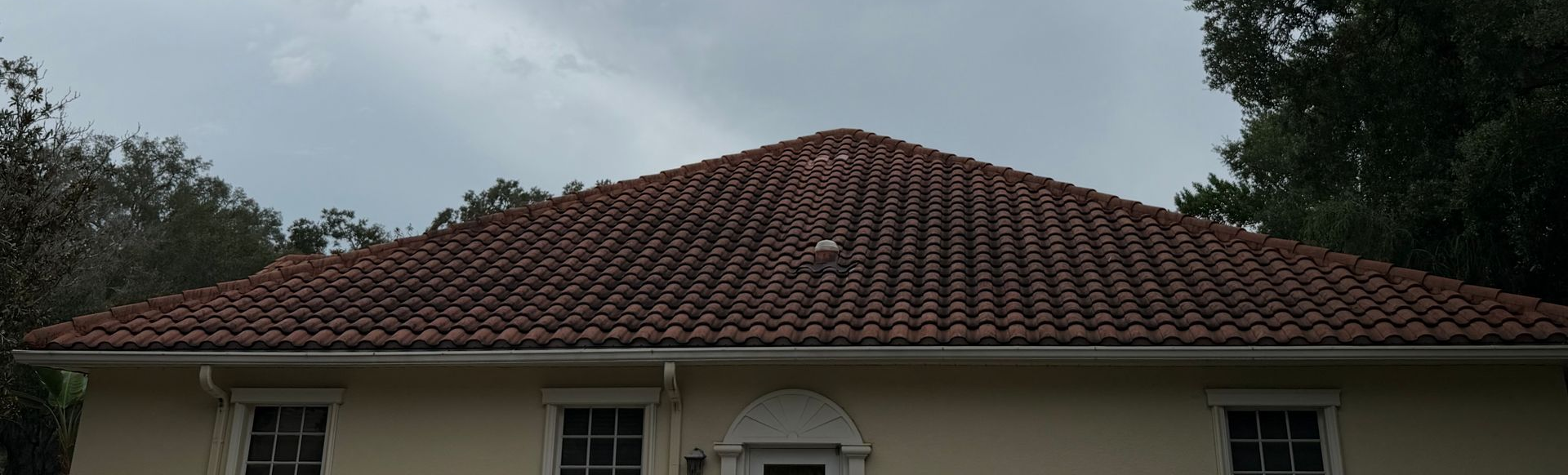
[PHOTO: storm debris packed into a tile roof valley before cleaning — South Tampa]
How soon after a storm should a house be cleaned?
Wait until the property is dry and any physical repairs are done — usually one to three weeks — then clean. Cleaning before repairs means doing it twice. Waiting past about six weeks means the staining has had a full humid cycle to colonize, and what would have been a straightforward soft wash of the house exterior becomes a stain-removal project.
There is one exception worth knowing. If you have visible salt film on glass or on an anodized aluminum cage frame, that should come off sooner rather than later. Salt sitting on aluminum causes pitting, and pitting does not wash off.
Why storm cleanup is not a pressure washing job
This is the part that trips people up, and it is a reasonable thing to get wrong — the tool is right there in the garage and the dirt is right there on the wall.
The problem is that storm residue is mostly chemical and biological, not mechanical. Blasting a stucco wall with high pressure drives the salt and spores deeper into the substrate, scars the texture, and leaves clean streaks between the dirty ones. The right approach is low-pressure soft washing with a chemistry that kills the organic growth and lifts the salt, then a controlled rinse. Pressure belongs on concrete and pavers. It does not belong on your stucco, your painted finish, your roof or your screens.
Roofs especially. Our crews do not walk a tile roof to clean it and never pressure wash one — roof cleaning on tile is a no-pressure chemical process applied from the right position, because broken tile and crushed mortar cost more to fix than the cleaning ever cost.
The post-storm sequence we run
Order matters. Doing this out of sequence means cleaning the same surface twice.
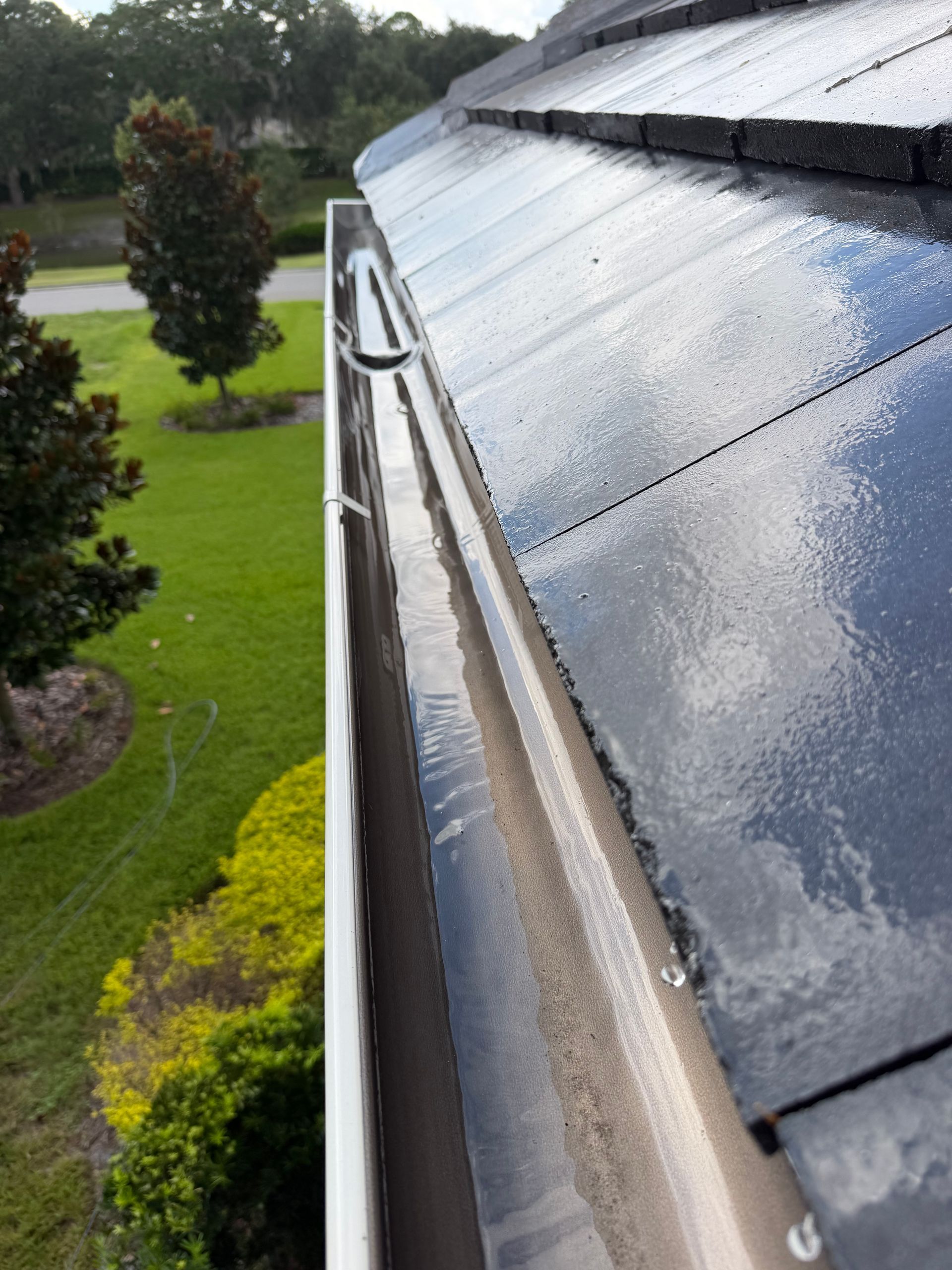
- Gutters and downspouts first. Clear them, flush them, confirm the drains run. Gutter cleaning in Tampa at the front end keeps debris-stained water from running down a wall you just cleaned.
- Roof second. Everything washes downhill. Clean the roof before the walls, not after.
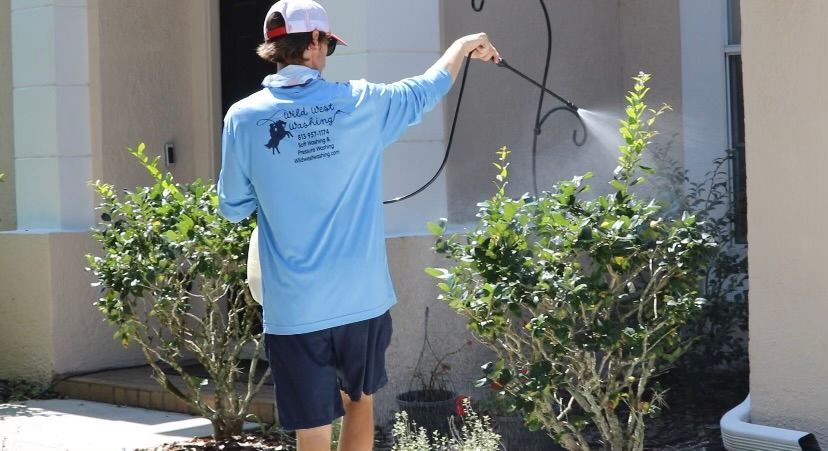
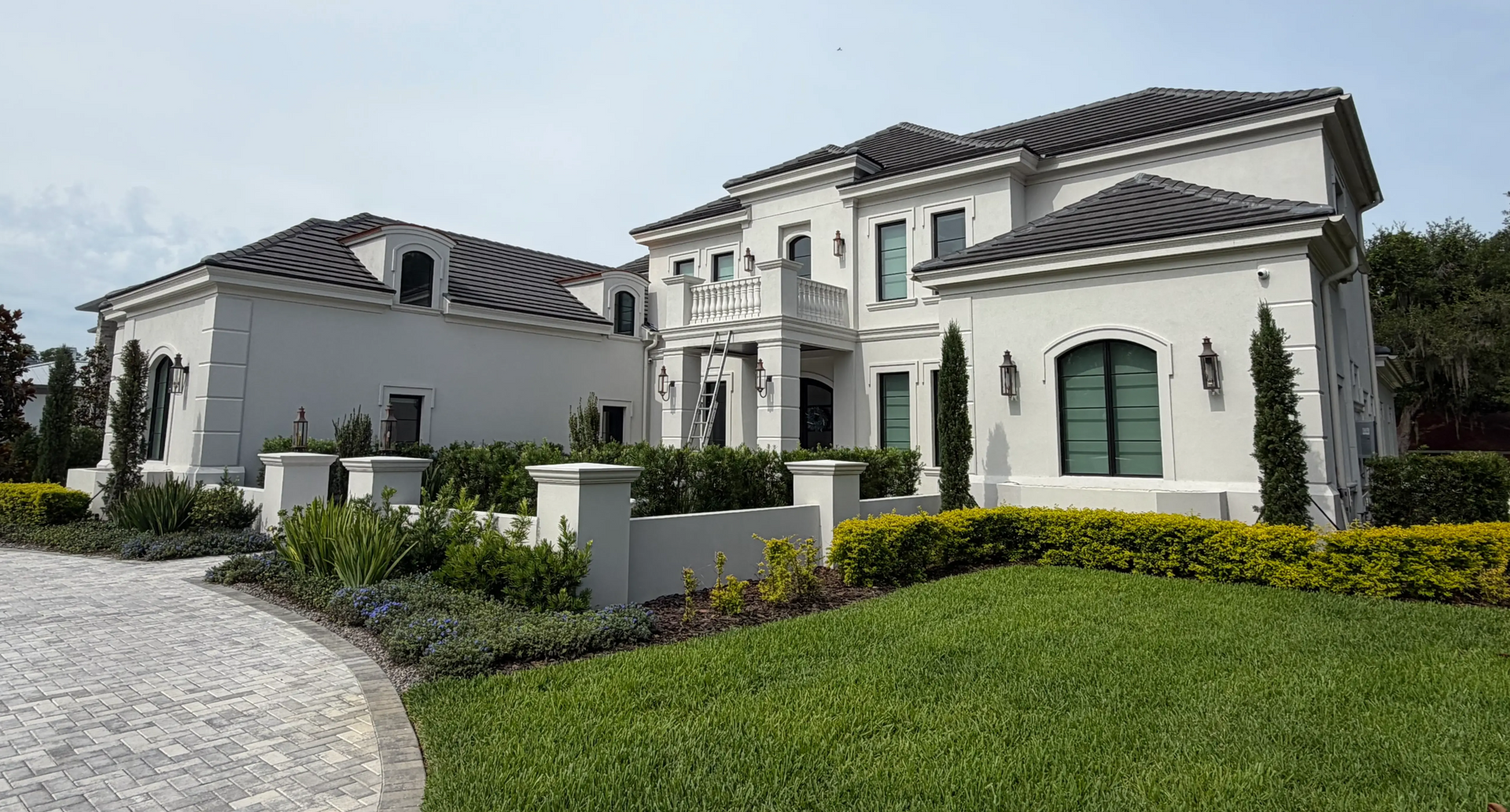
- House exterior and soffits. Low-pressure soft wash, elevation by elevation, with plants pre-wetted and protected.
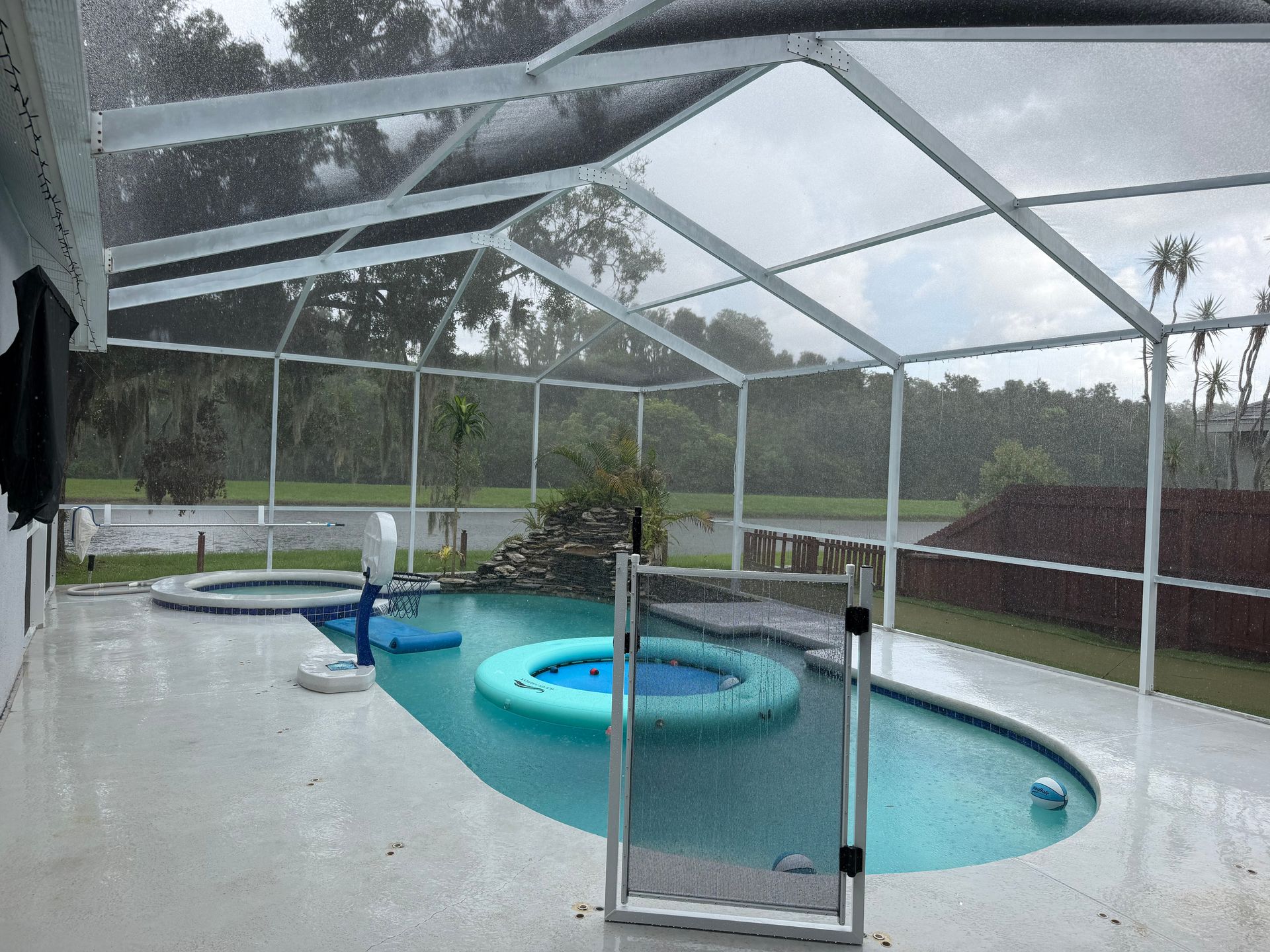
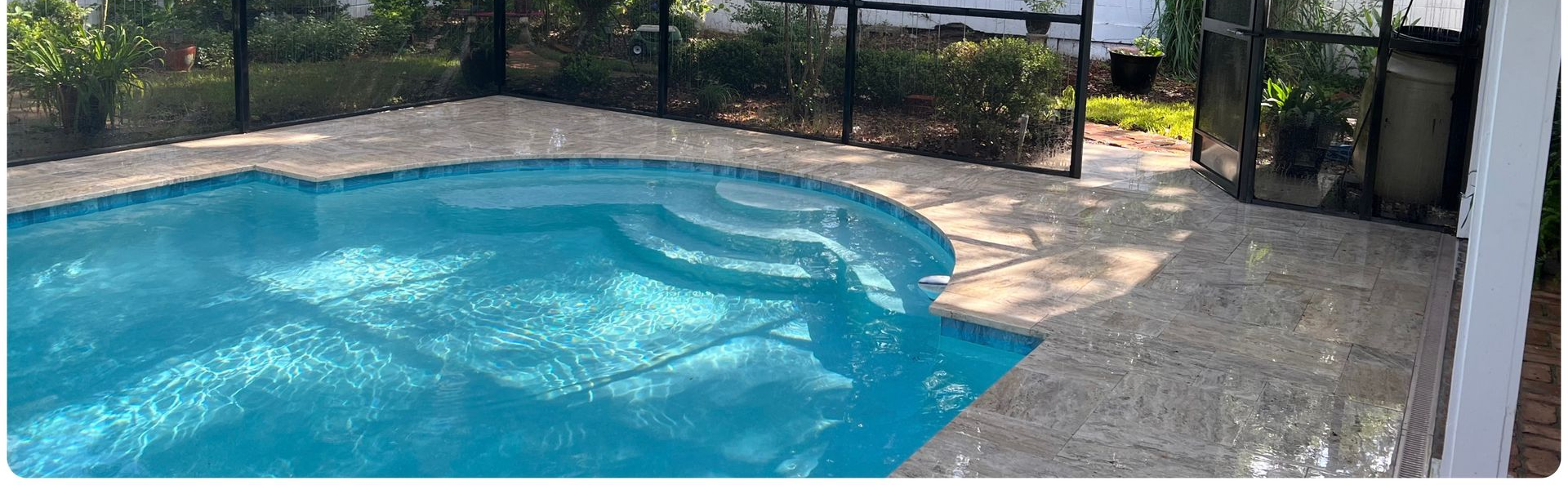
- Screen enclosure and cage frame. Corners and lower channels, where the debris collected.
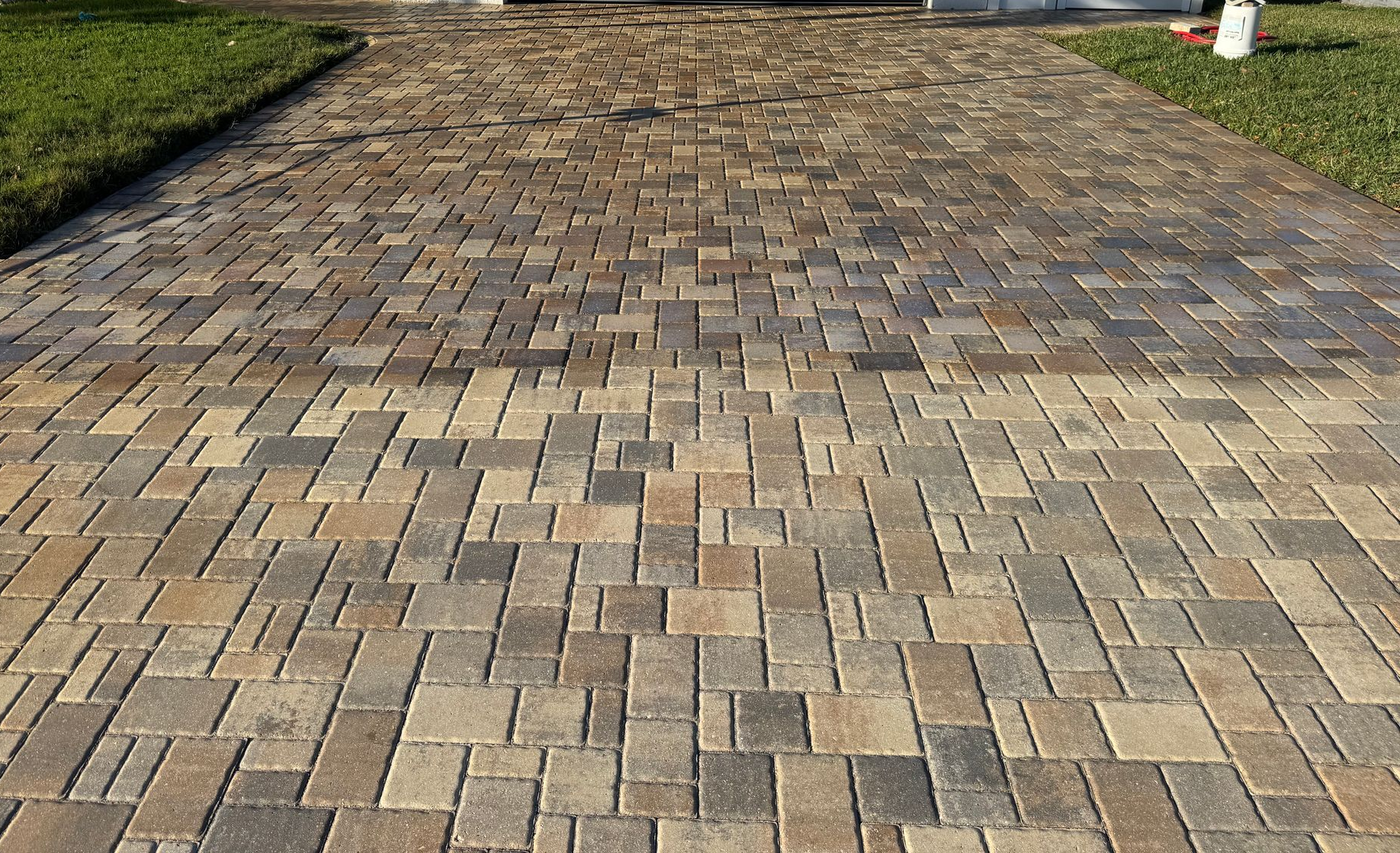
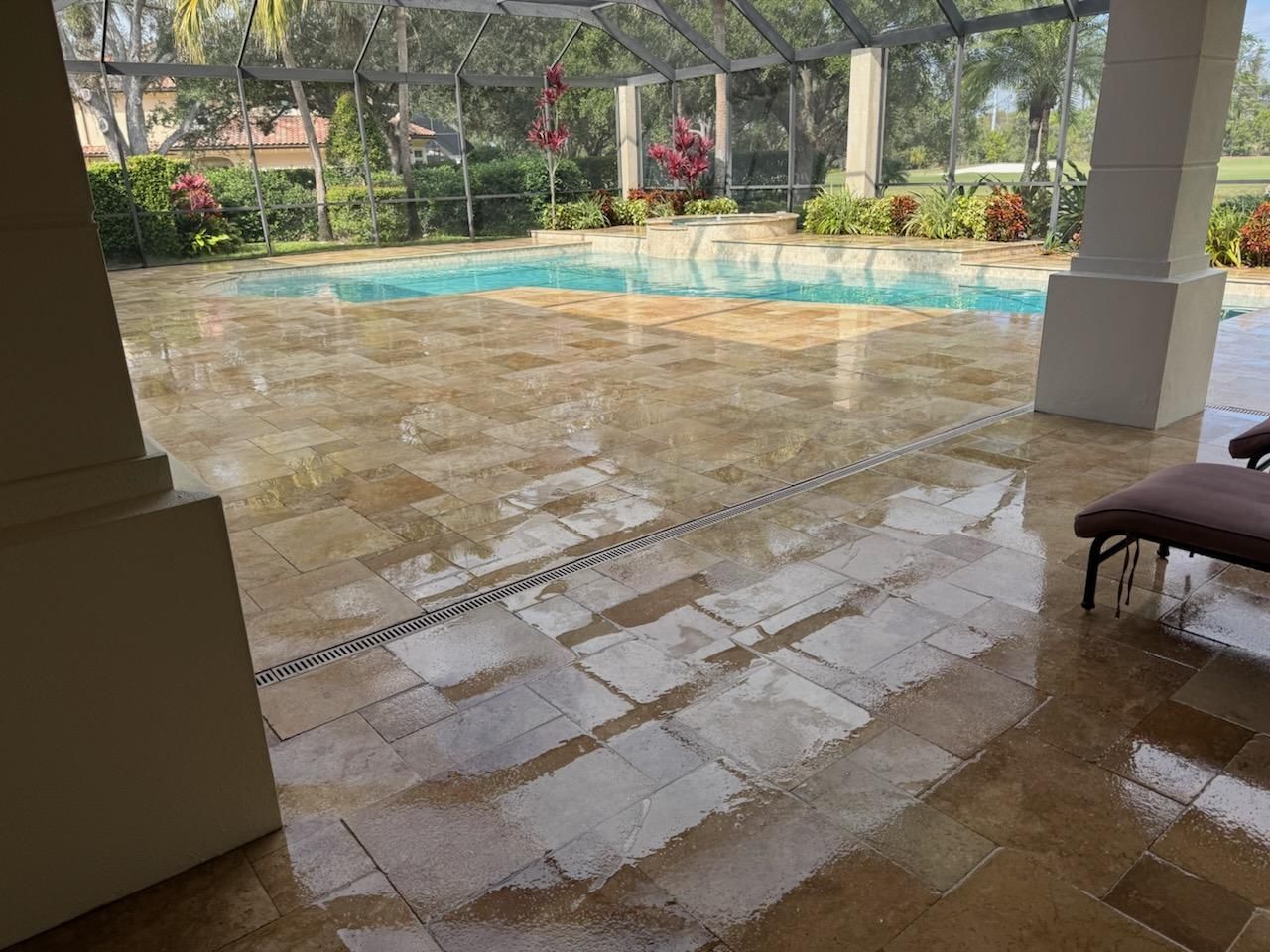
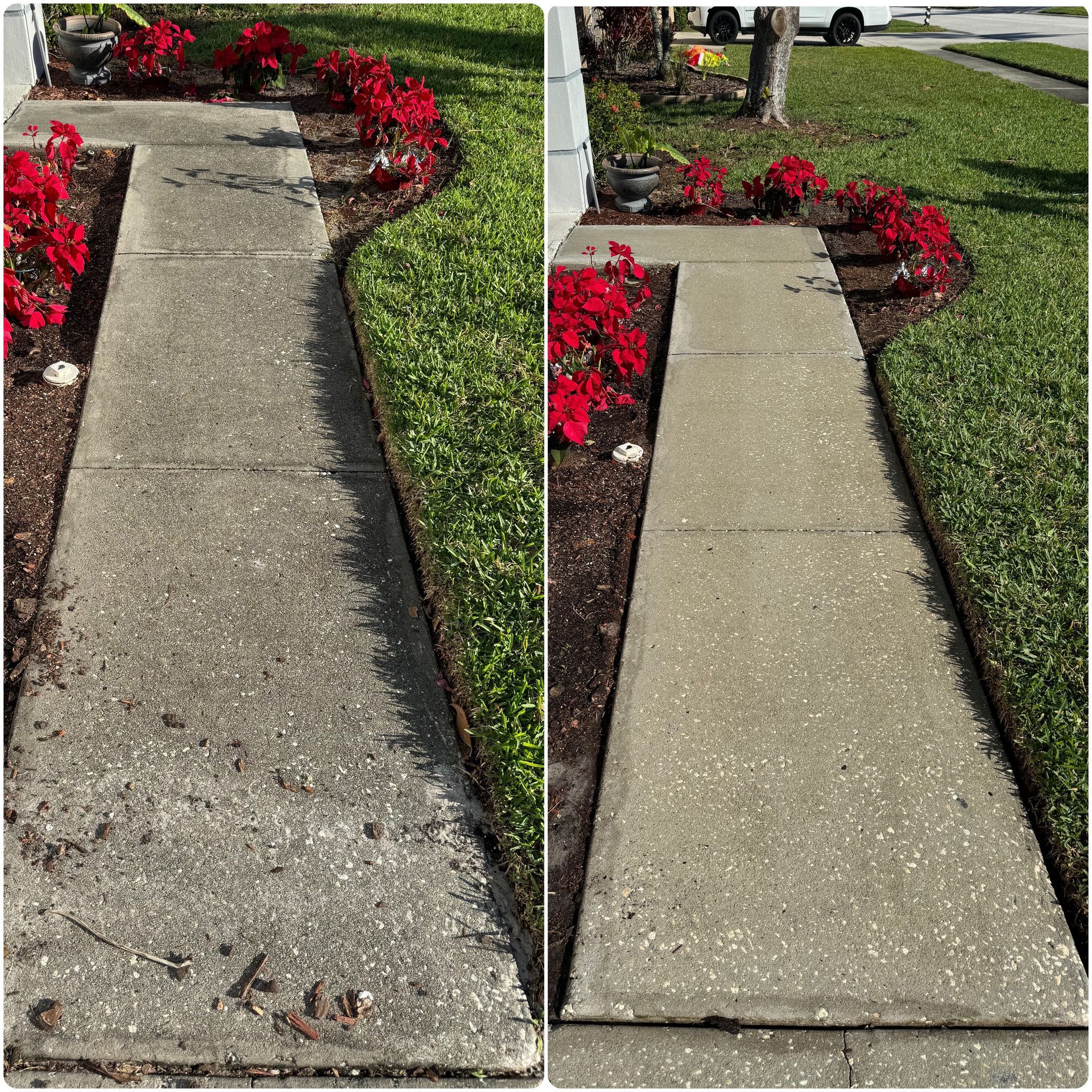
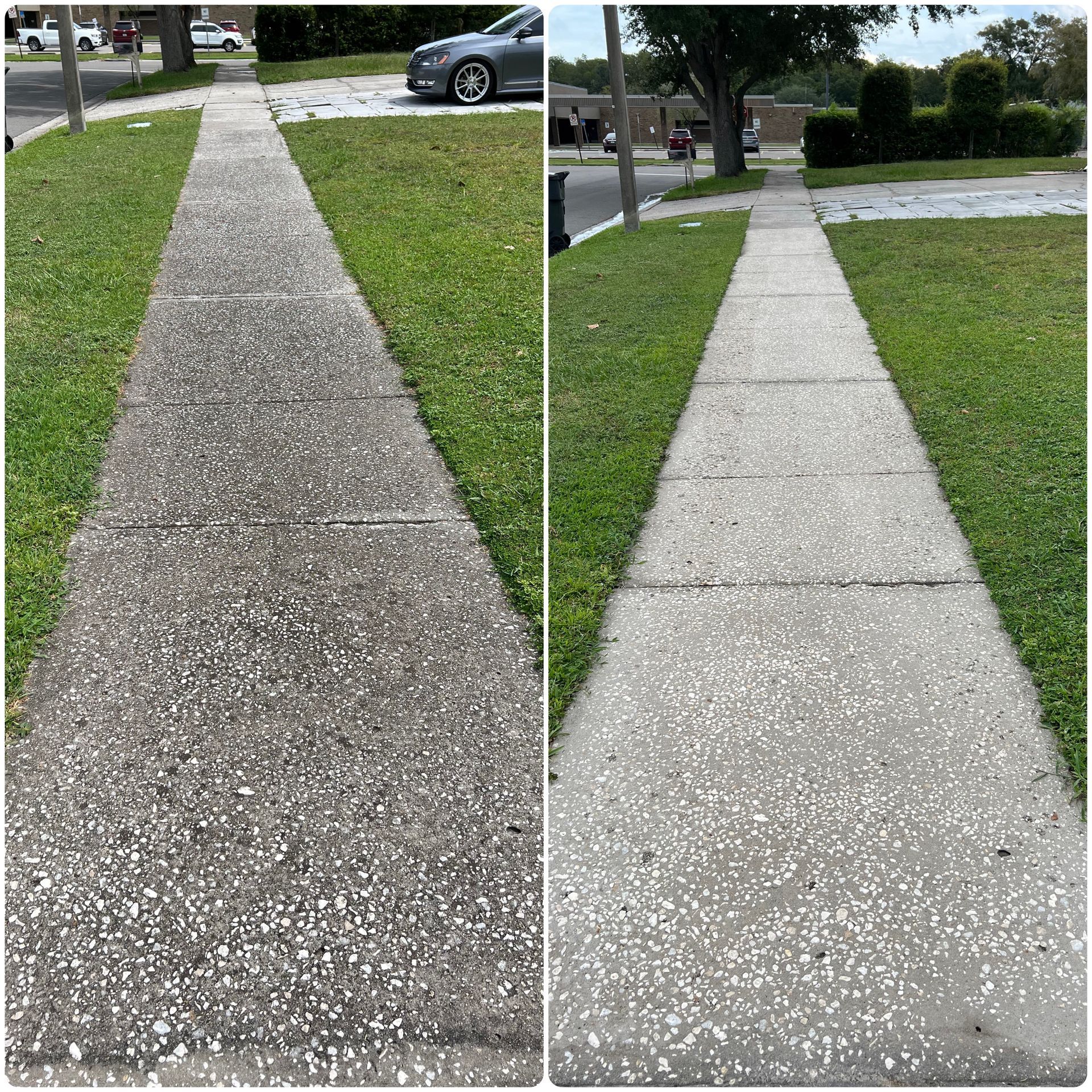
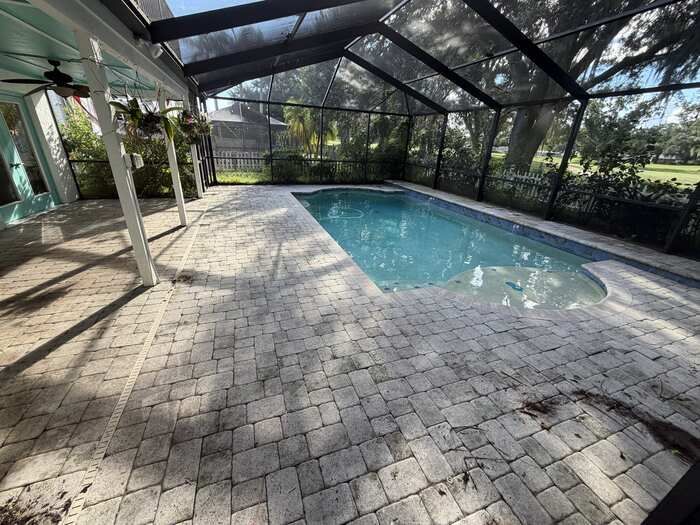
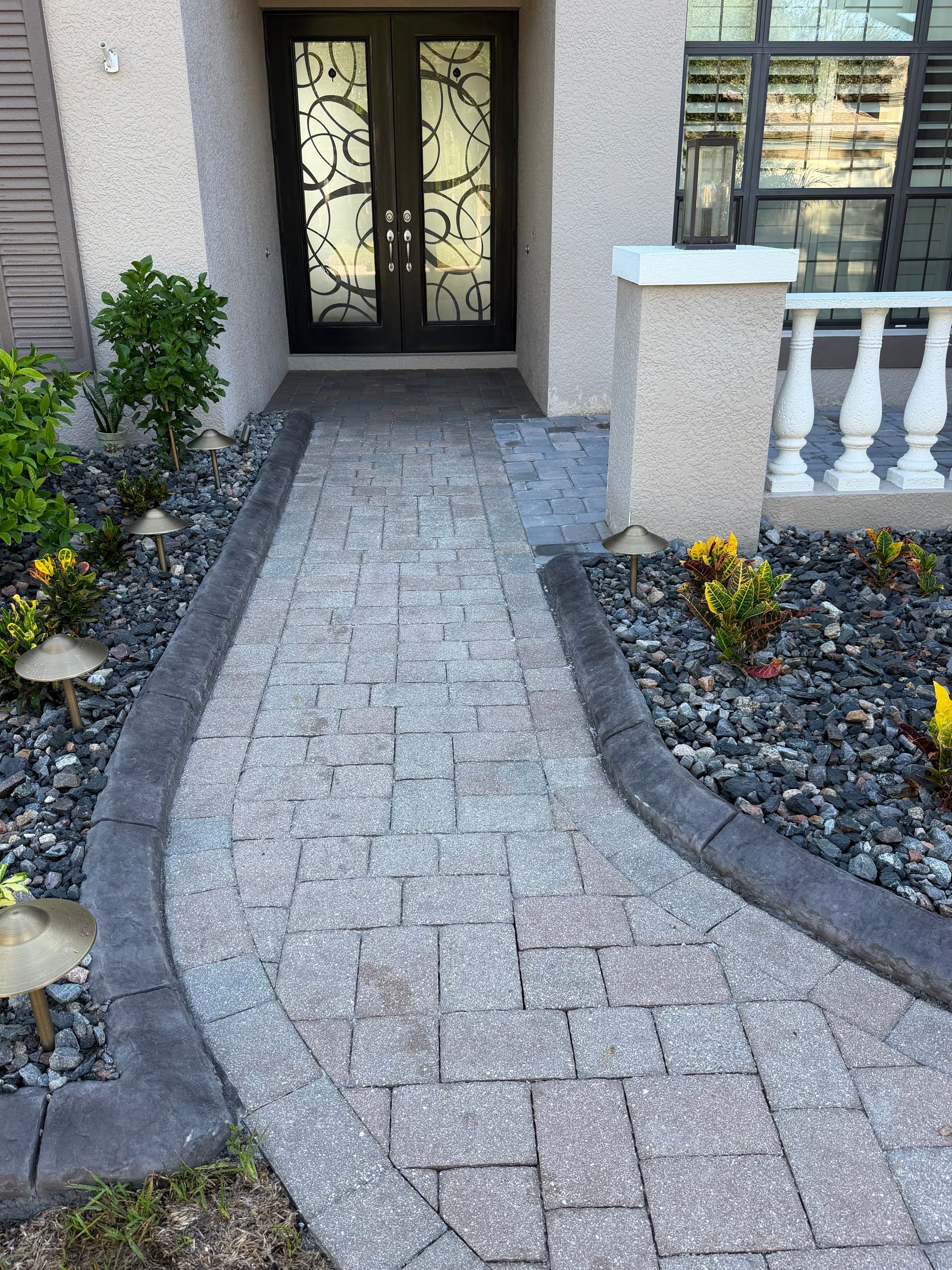
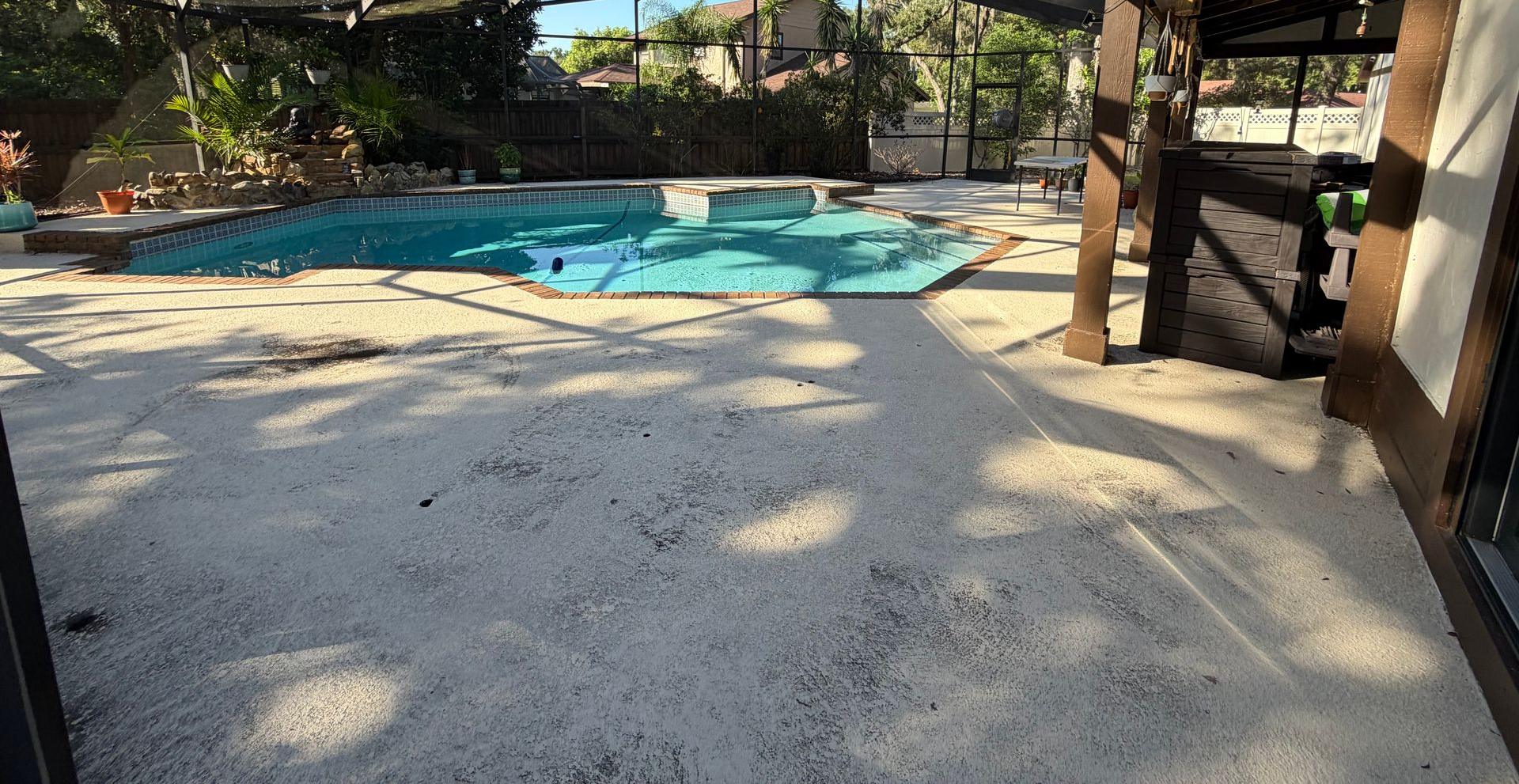
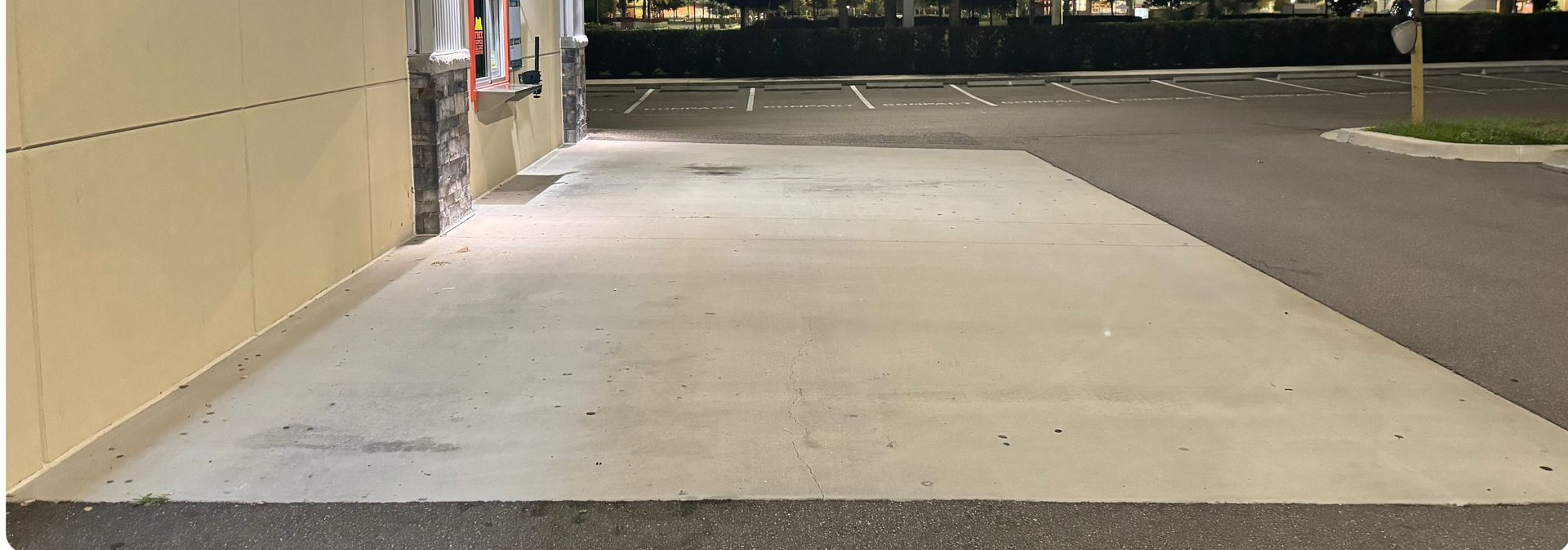
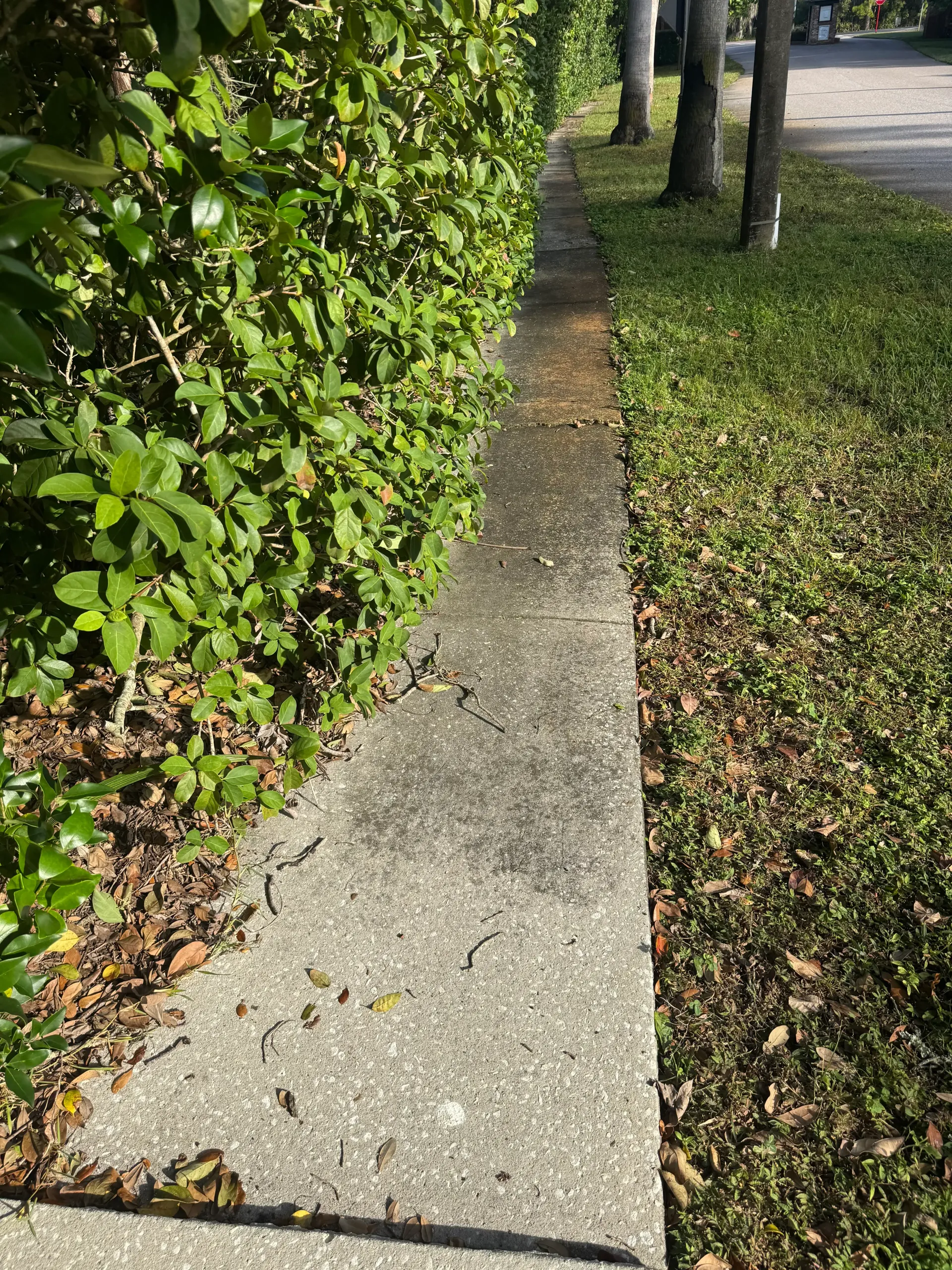
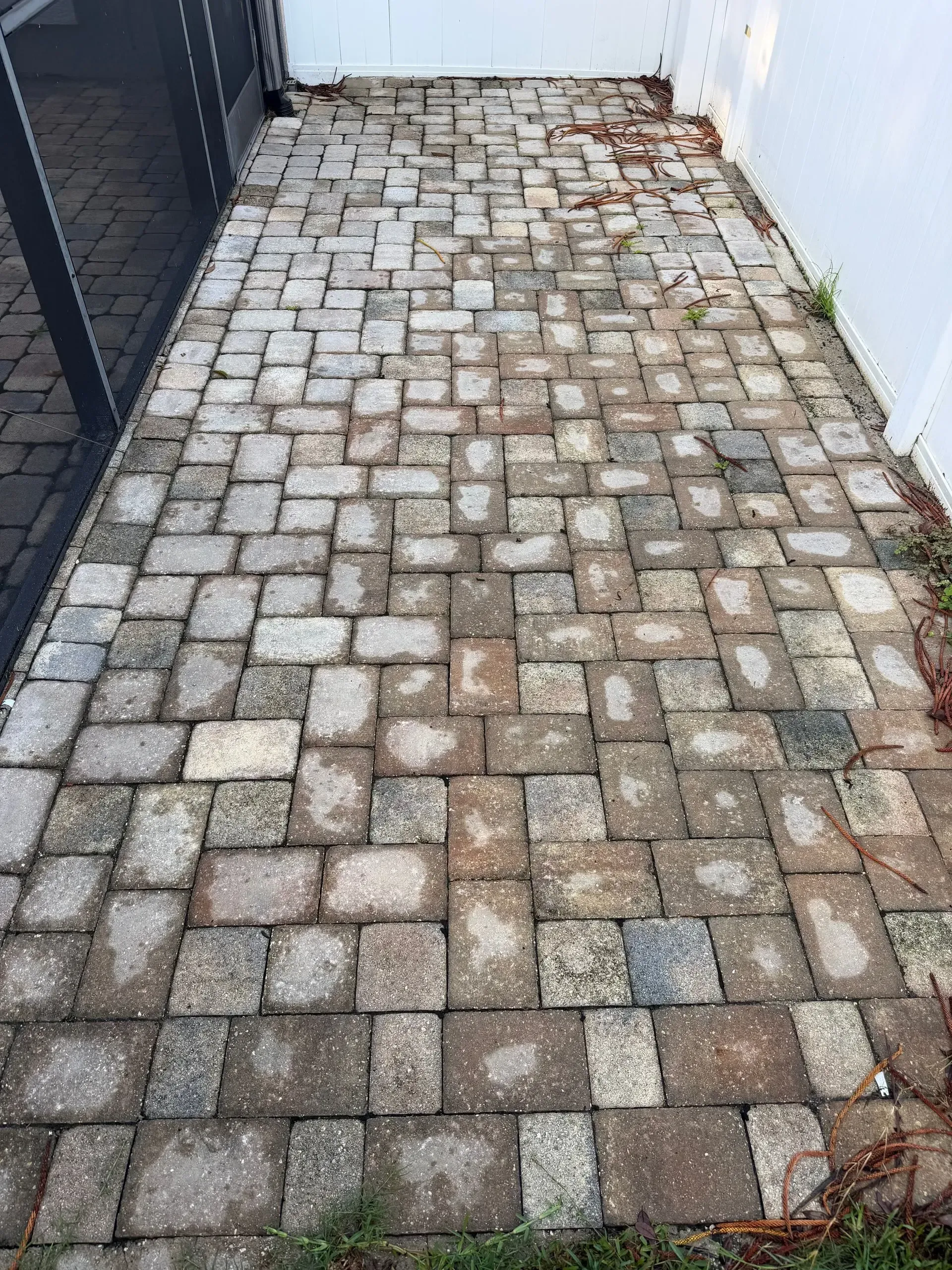
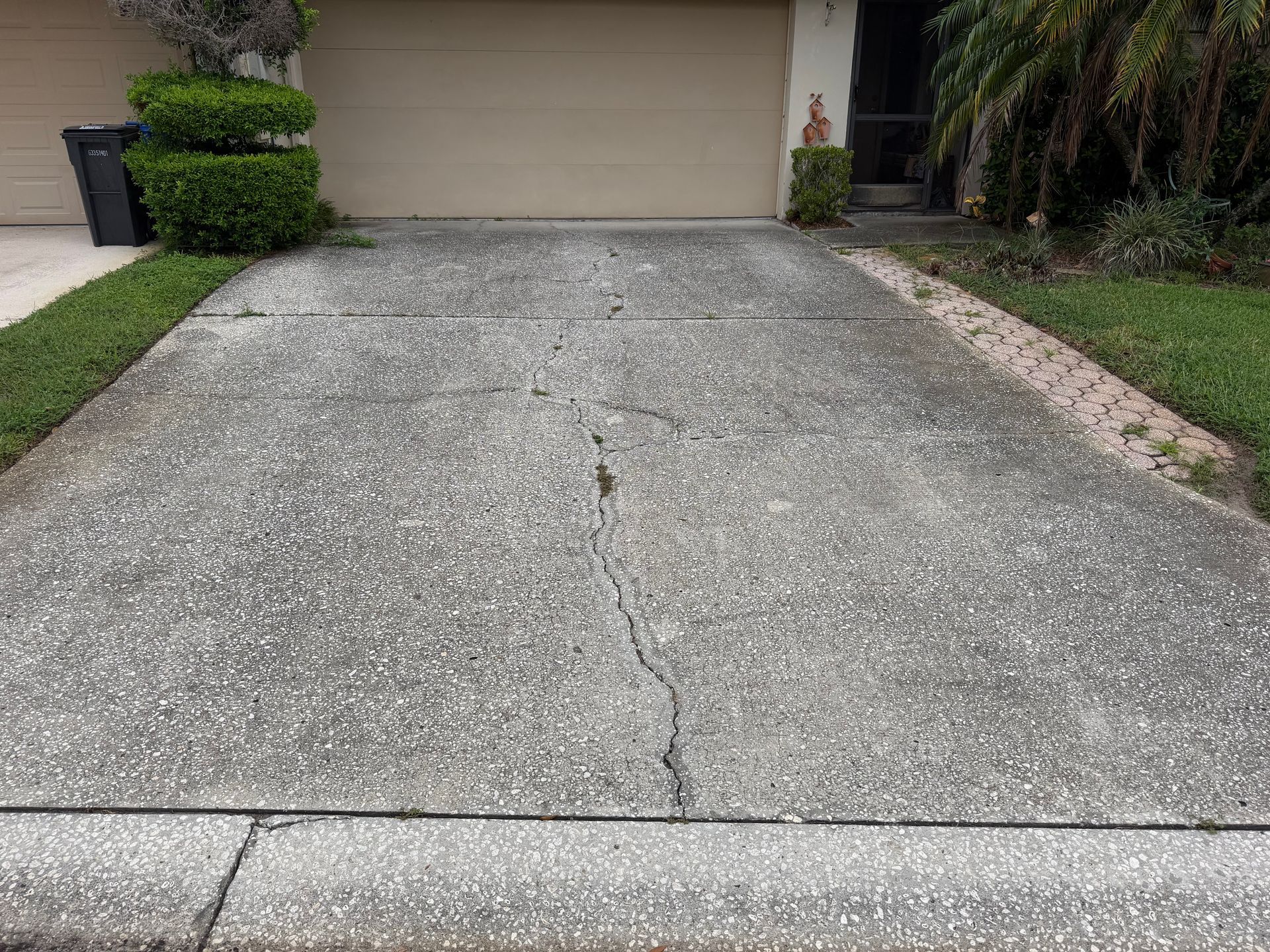
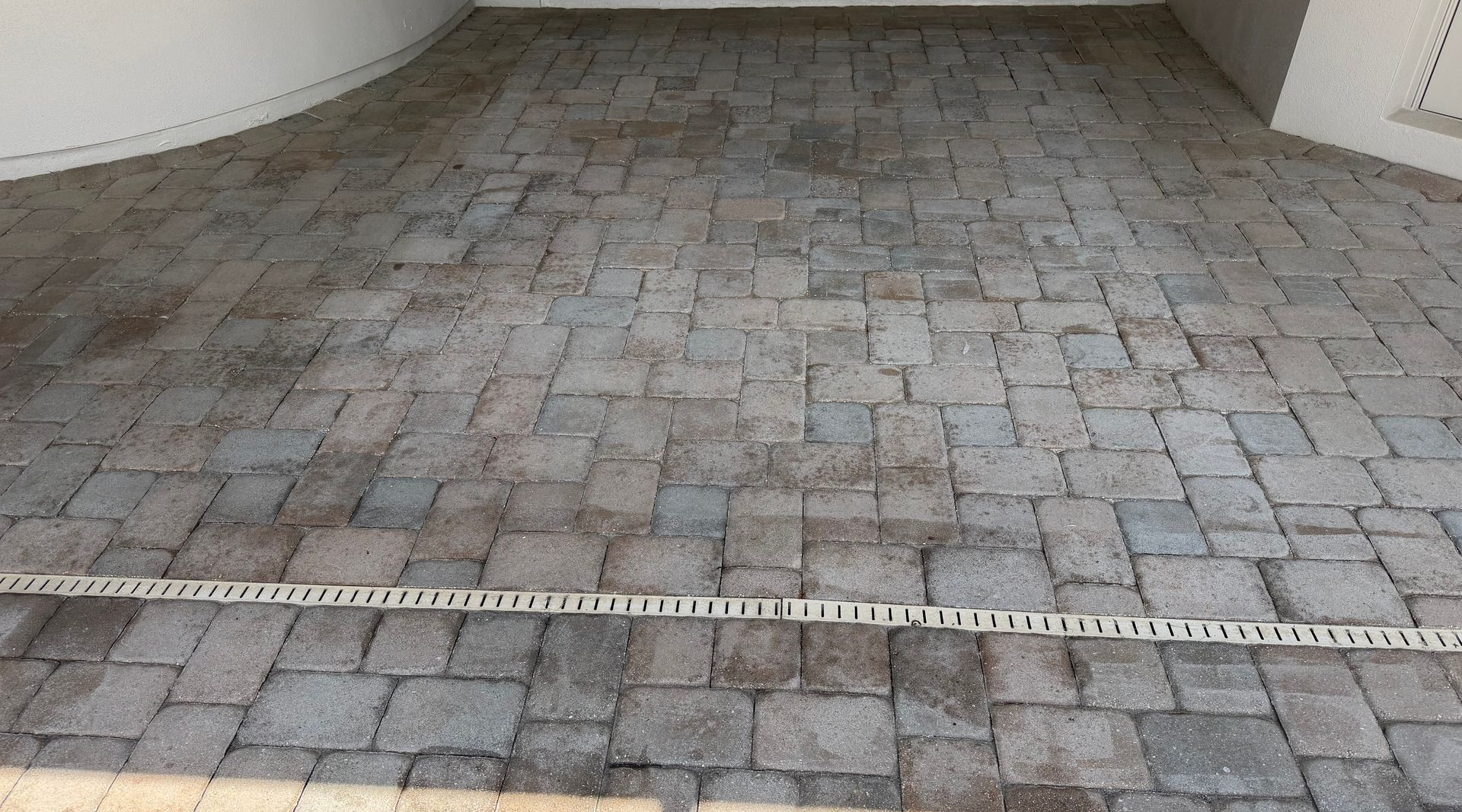
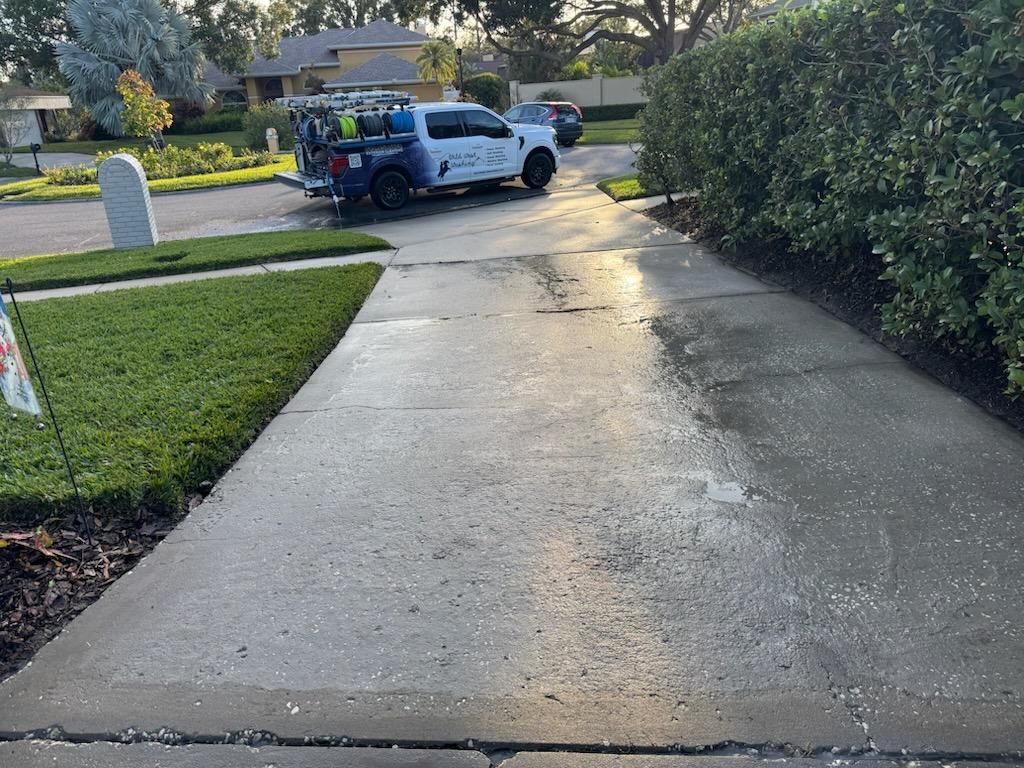
- Hardscape last. Driveway, walkways, pool deck and lanai, including the salt-and-silt line along the edges.
- Glass. Windows get done at the end so nothing lands on them afterward.
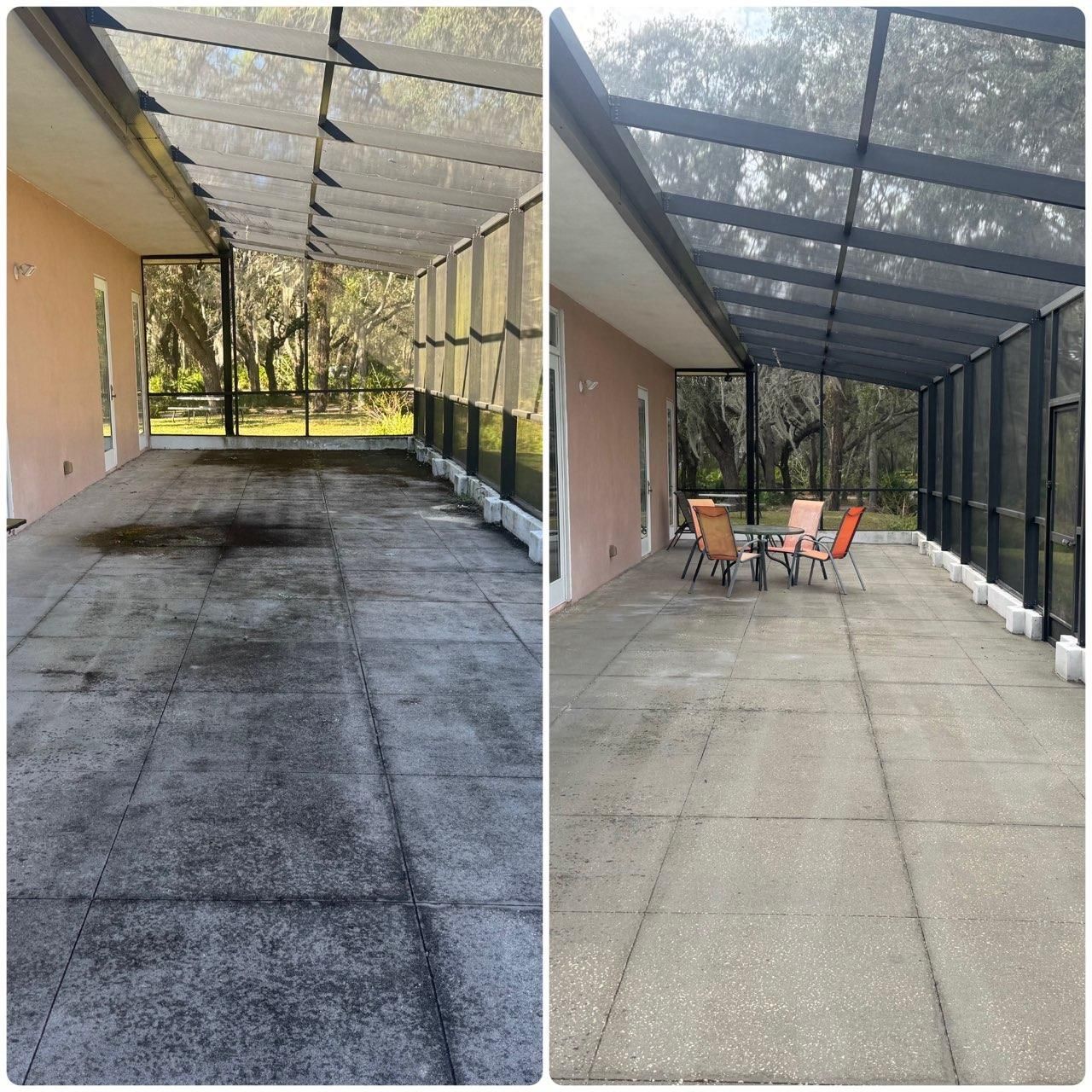
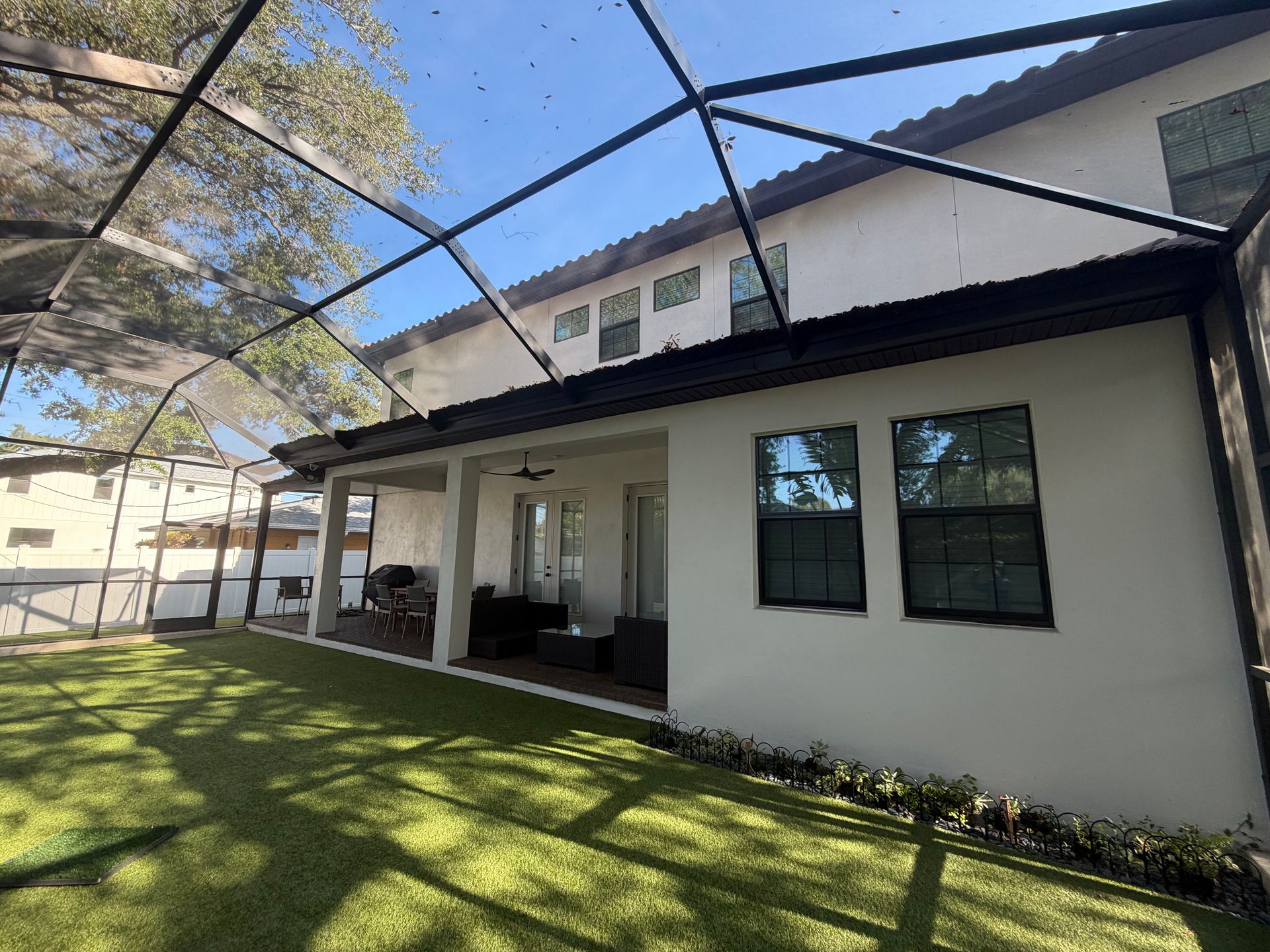
[PHOTO: before/after of a salt-filmed pool cage and lanai — Davis Island]
What this looks like on the water
Waterfront properties take the worst of it and need the most specific handling. Salt load is higher, the organic growth is more aggressive because the humidity never drops, and the metal — railings, light fixtures, cage frames, hardware — is on a faster clock than anything inland. If you're on the island, our Davis Island pressure washing, roof cleaning and paver sealing work is built around exactly this: get the salt off, get the growth killed, and get it done before the humid season has another go at it.
Get it reset before the season turns
The homes that look right in January are the ones that got cleaned in October. Snowbird arrivals, holiday guests, the first good entertaining weather of the year — all of it lands on a property that either got reset after storm season or didn't.
We're a veteran-owned Tampa Bay company, and we handle Hillsborough, Pasco and Pinellas. Call 813-957-1174 for a free quote and we'll walk the property, tell you what the storms actually left behind, and give you a straight sequence to deal with it.