Why Your White Railings and Vinyl Fence Turned Chalky (And Why Washing Won't Fix It)
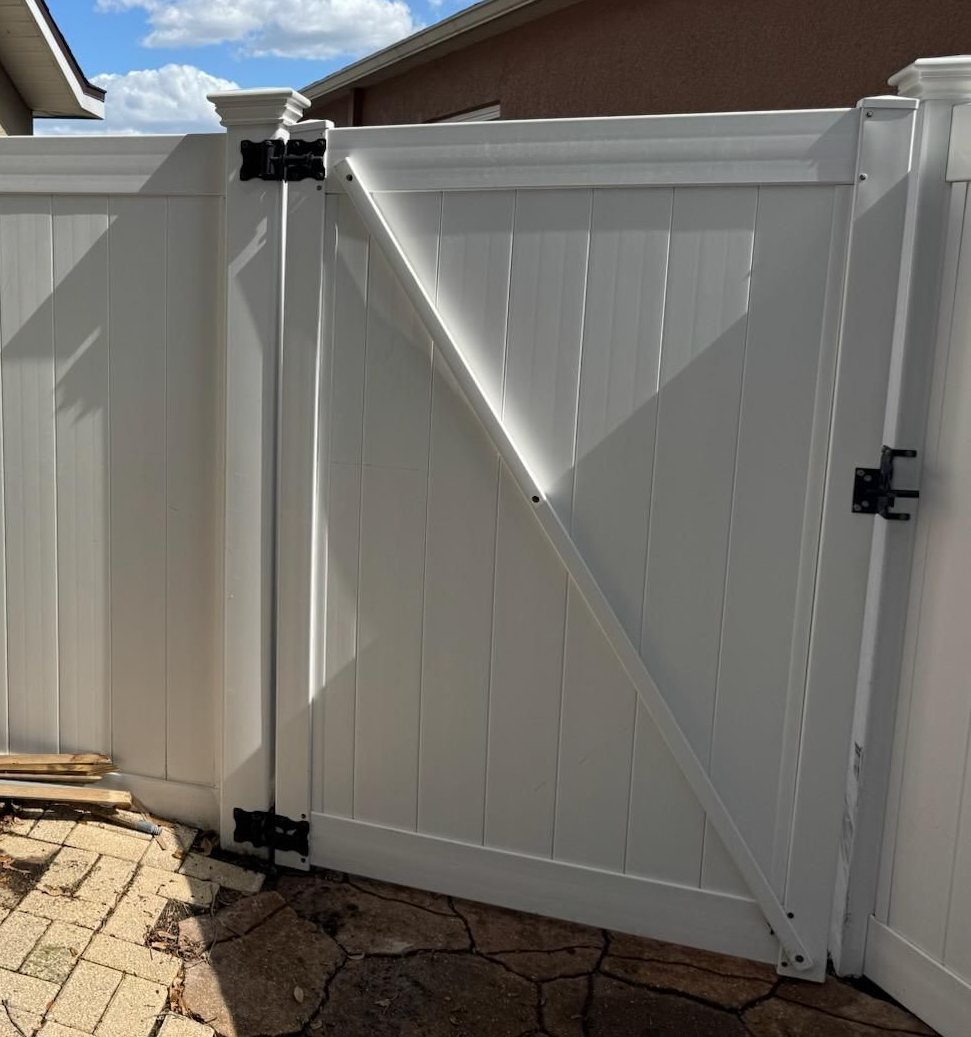
Run your hand along the aluminum railing on your lanai. If it comes back with a white powder on it, that isn't dirt — it's oxidation, and no amount of soap, pressure or scrubbing will remove it, because it isn't sitting on the surface. It is the surface. Oxidation removal in Tampa requires a specific acidic or solvent-based product that dissolves the degraded layer, and it's the reason a house wash can leave your walls perfect and your railings looking exactly as dull as they did before.
This trips up a lot of homeowners who assume they hired the wrong company. Usually they just hired one that didn't mention this was a separate process.
What is oxidation, actually?
Ultraviolet light breaks down the resin binder at the surface of a painted, powder-coated or vinyl material. The pigment that binder was holding gets released as a fine powder — that's the chalk on your hand. Underneath it, the material is generally fine. What you've lost is the sealed, reflective top layer, which is why an oxidized surface looks flat and gray no matter how clean it is.
Florida accelerates this. We get intense year-round UV, and on the waterfront — Culbreath Isles, Davis Island, Beach Park, Sunset Park — salt in the air speeds up the process on aluminum considerably.
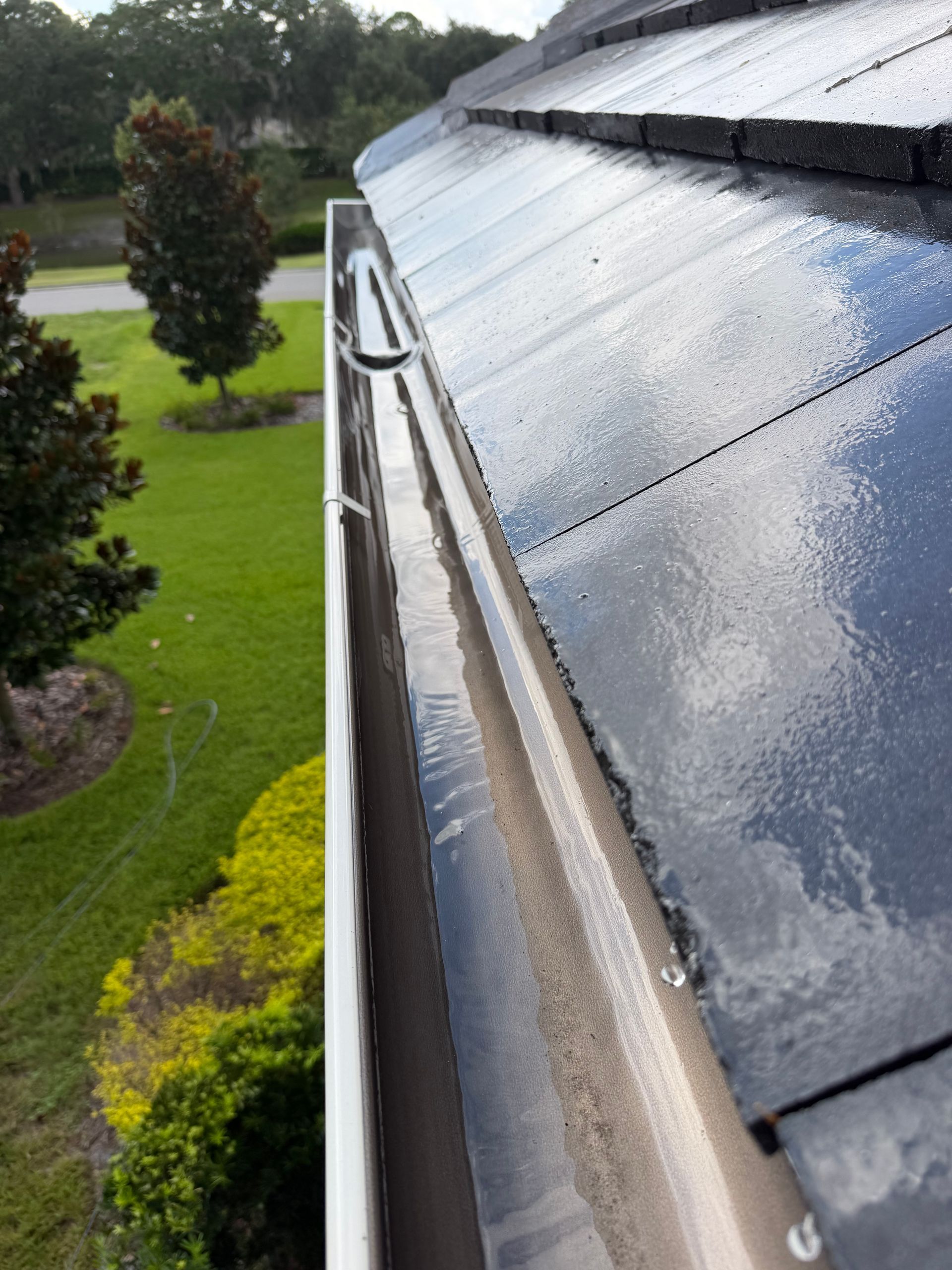
[PHOTO: gloved hand wiped down an oxidized white gutter, showing chalk transfer]
What surfaces oxidize around a Tampa home?
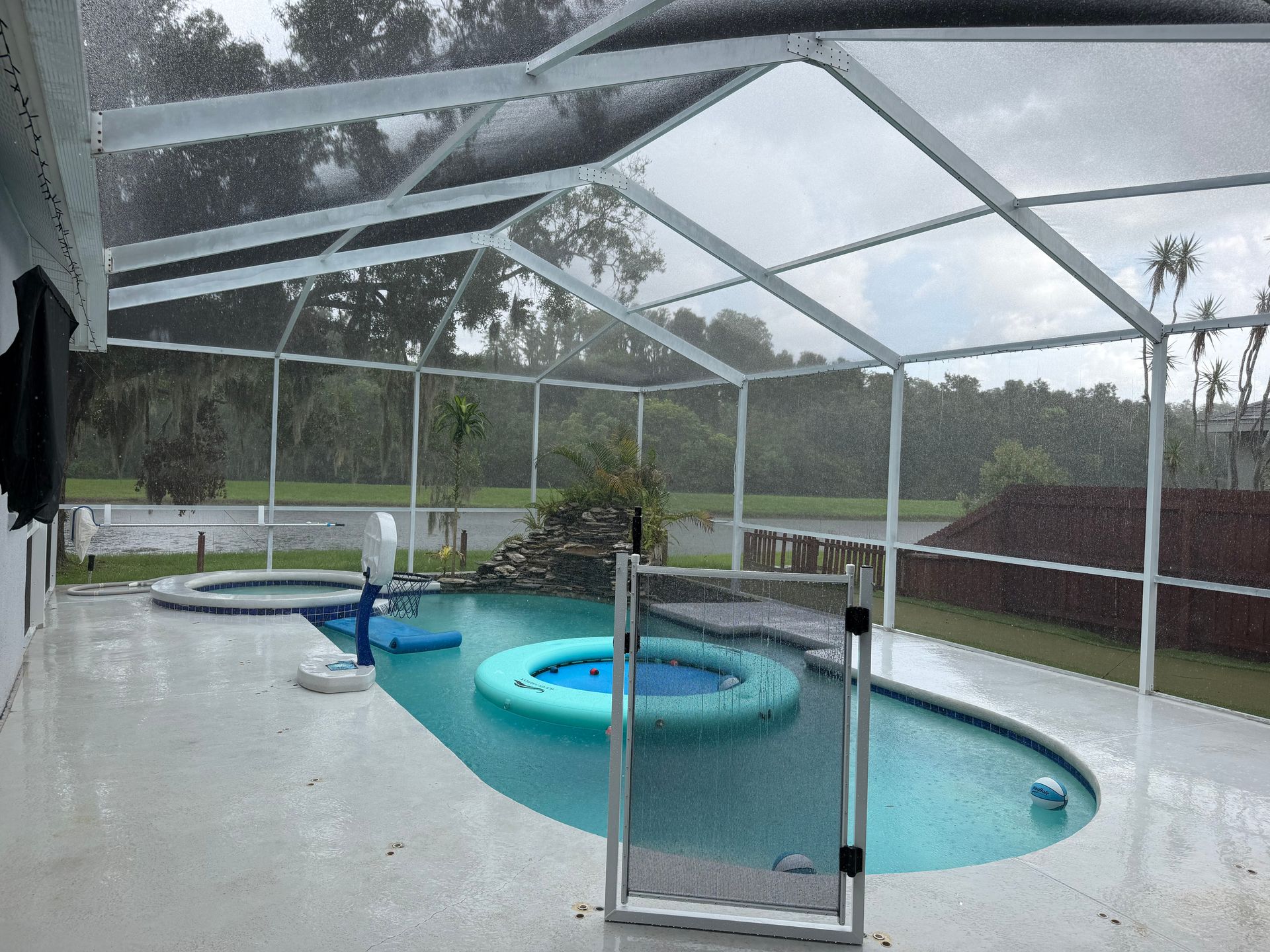
- Aluminum railings, balusters and pool cage frames — the most common by a wide margin
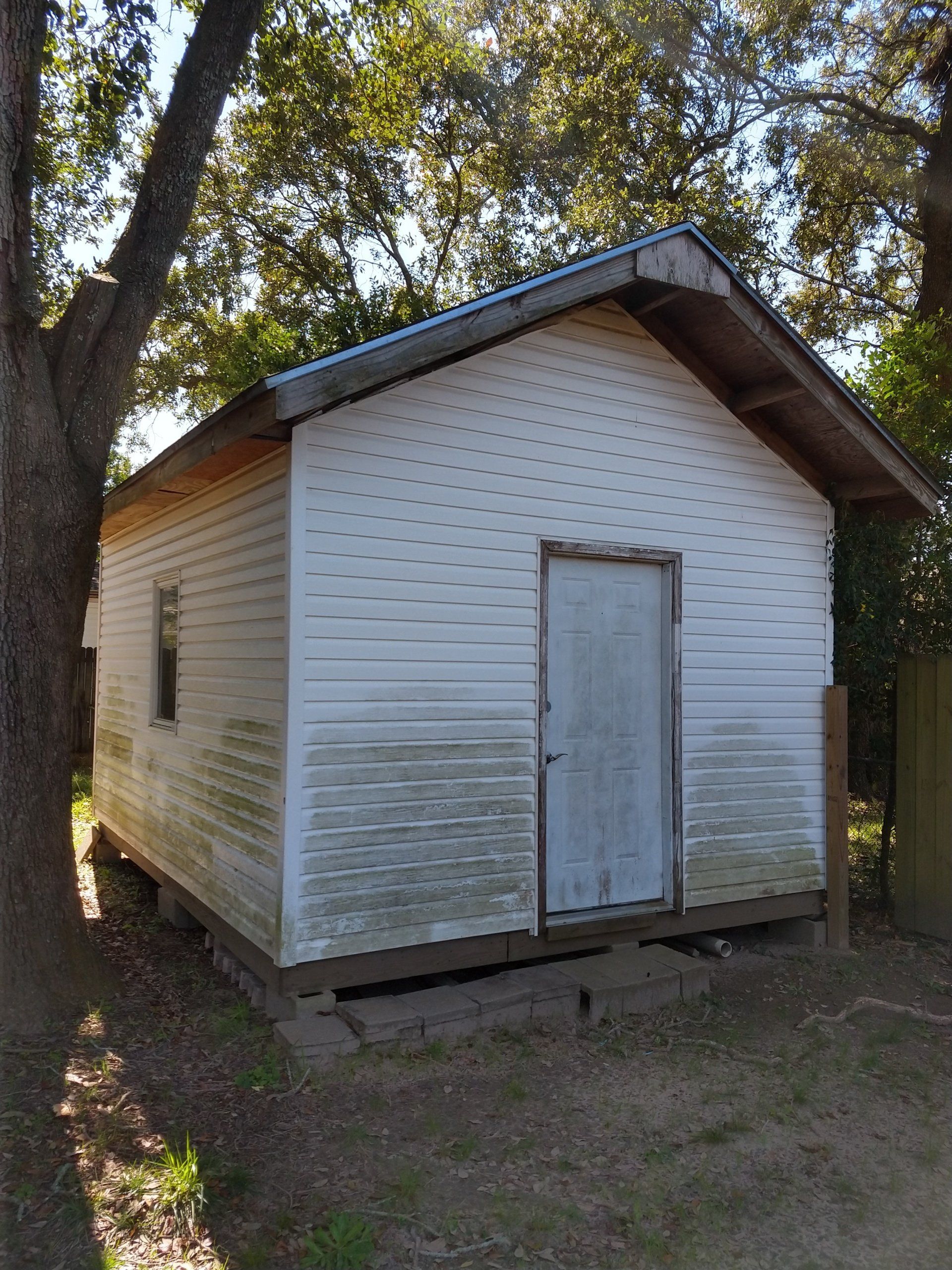
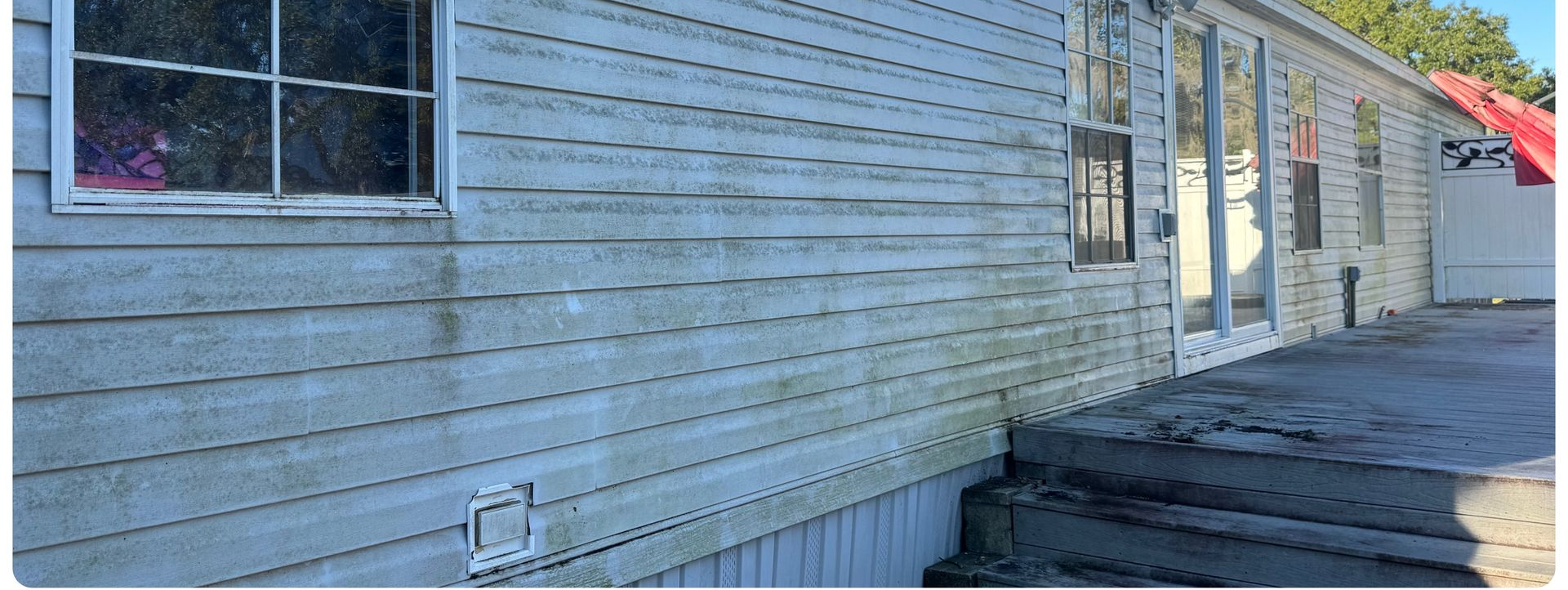
- Vinyl fencing and vinyl siding, especially south- and west-facing runs
- Seamless aluminum gutters and downspouts, where it shows as a dull, streaky gray
- Powder-coated fencing and gates
- Garage doors, particularly older painted steel
- Fiberglass and older composite shutters
- Boat lift housings and dock hardware on the water
Note what these have in common: they're all the trim-level details on a nice house. Which is exactly why oxidation is so disproportionately noticeable. The stucco can be immaculate, but chalky railings around a pool cage make the whole enclosure look tired.
How do you tell oxidation from dirt or mildew?
Three quick checks:
- The hand test. Wipe with a dark cloth or your palm. Chalky white or gray residue that transfers = oxidation. Nothing transfers, but the surface is still discolored = dirt or biological growth.
- The wet test. Wet the surface. Dirt and mildew get darker and the true color shows through. Oxidation stays flat and dull even wet.
- The location test. Oxidation is worst on the sun-facing sides. Mildew is worst on the shaded sides. If the north side looks better than the south side, it's UV. If it's the other way around, it's biological.
Most houses in Tampa Bay have both, on different elevations, which is why the diagnosis matters before anyone quotes.
How is oxidation actually removed?
Not with the same mix that cleans your house. A soft wash solution is alkaline and designed to kill organics; oxidation removal needs a dedicated product — typically a mild acid or a specialty oxidation remover — applied to the specific surface, worked in, dwelled, and rinsed thoroughly.
The process on railings and vinyl:
- Wash first. Remove dirt and biological growth so the oxidation remover works on oxidation rather than on grime.
- Protect adjacent surfaces. These products will etch glass, dull screen frames and mark concrete if they run and dry.
- Apply the remover to a manageable section at a time — this is worked by hand or with a soft applicator, not sprayed and forgotten.
- Agitate. This step is unavoidable and it's why the job takes real time.
- Rinse completely and immediately, before anything dries.
- Evaluate. Heavily degraded surfaces come back partially, not fully.
That last line is the honest one. Oxidation removal restores a great deal — often the difference between "needs replacing" and "looks maintained" — but on a railing that's been baking for fifteen years, some of the finish is gone for good. Anybody promising factory-new on a badly chalked surface is overselling.
Can you prevent it?
Slow it, yes. Prevent it, not really — UV is UV.
- Wash annually. Dirt and biological film hold moisture and accelerate finish breakdown.
- Rinse salt off waterfront railings and hardware regularly, especially after storms.
- After oxidation removal, a protectant or wax on aluminum meaningfully extends the result.
- On vinyl fencing, keep irrigation off it. Constant wetting plus minerals in the water compounds the problem.
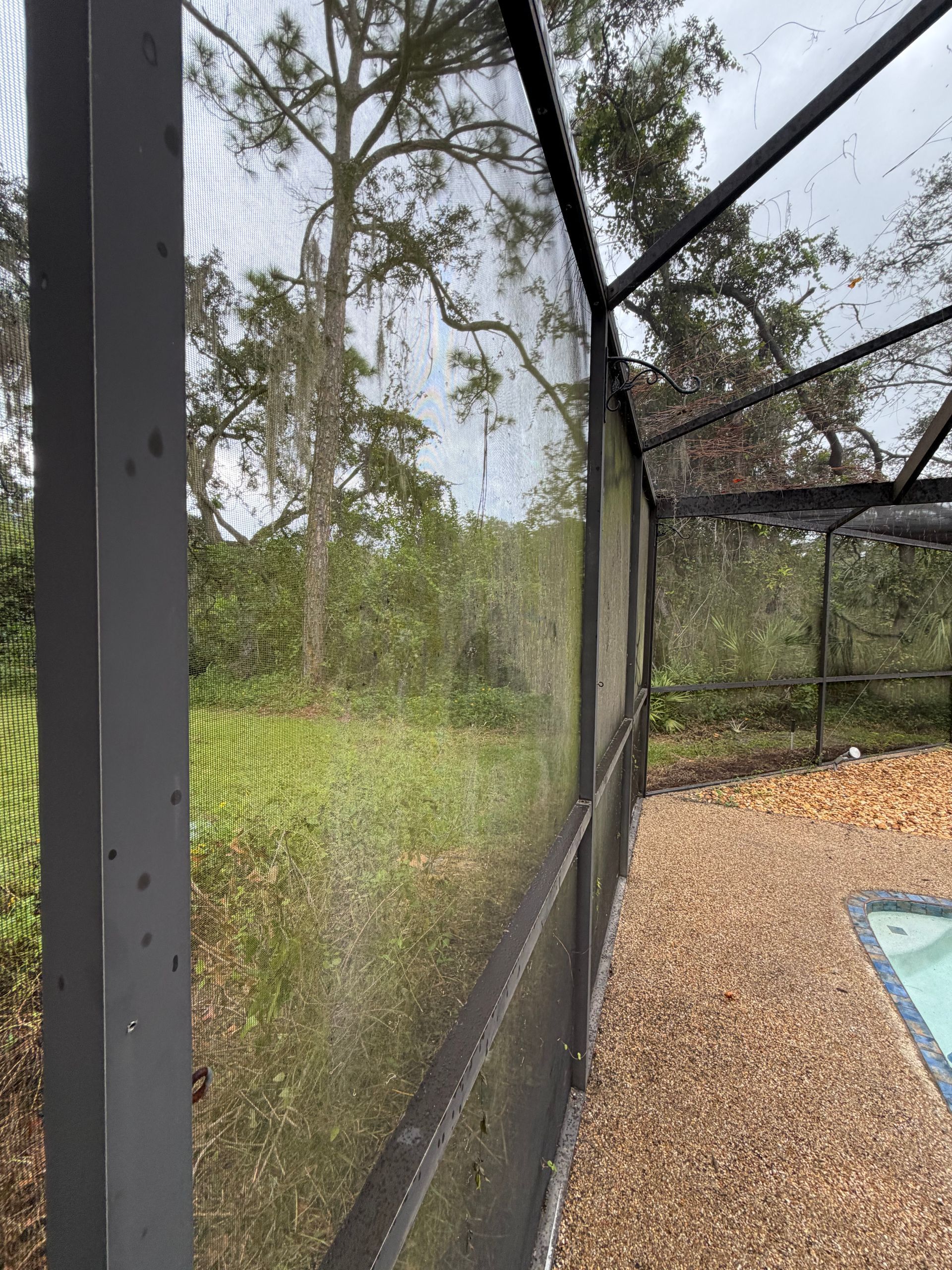
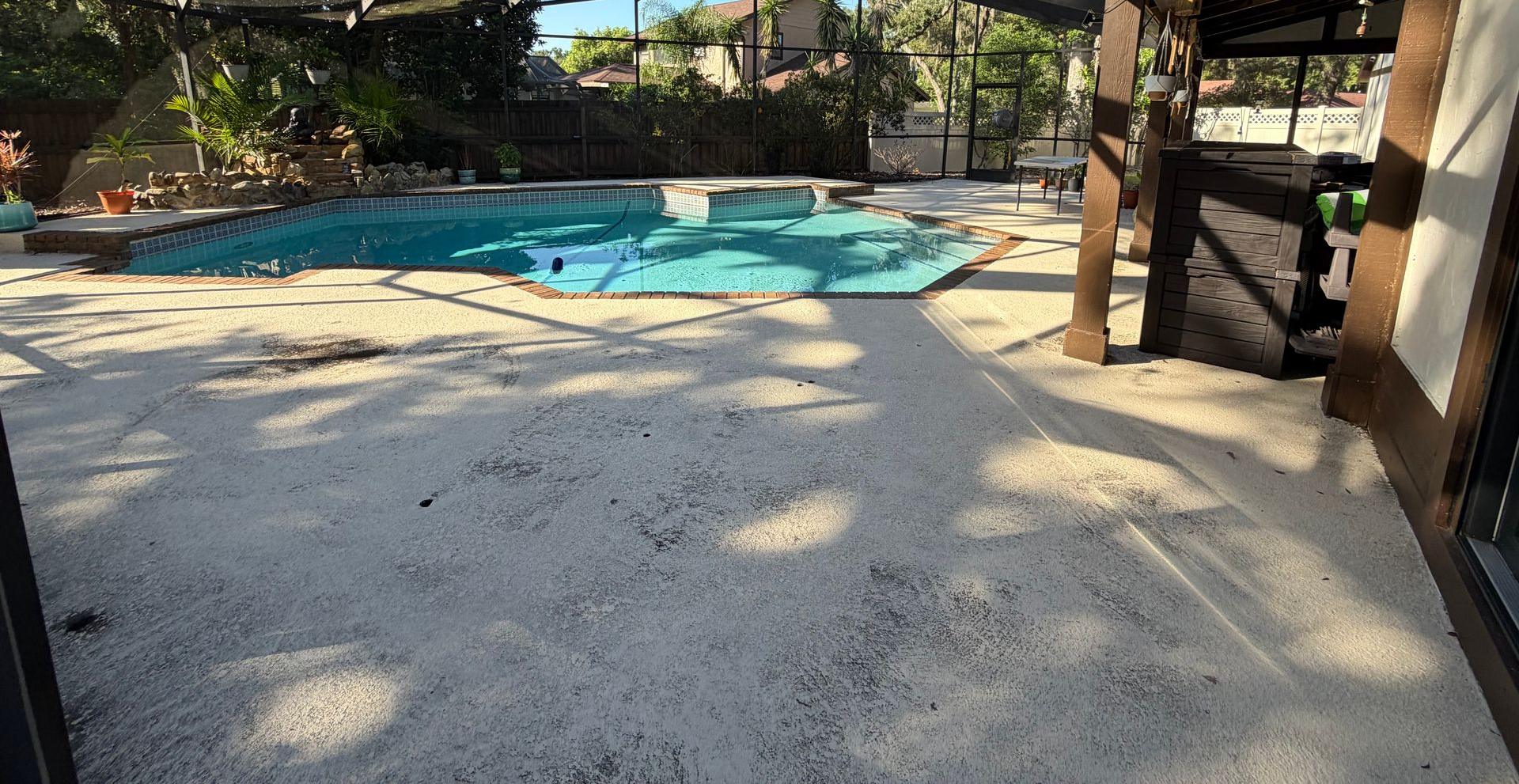
[PHOTO: pool cage frame and railings, half restored — hard line down the middle]
Where this fits in a full exterior service
Practically speaking, oxidation removal is an add-on to a house wash rather than a standalone visit. The sequence is: wash the house and the hardscape, then treat the oxidized metal and vinyl, then protect it. Doing it as its own trip means paying for mobilization twice.
If you've had your house washed and the railings still look wrong, that's the missing step — and it's a completely fair thing not to have known about. It's a niche process that most people have no reason to have heard of.
Let's take a look at yours
Wild West Washing handles oxidation removal on railings, cages, gutters, vinyl and powder-coated fencing across Hillsborough, Pasco and Pinellas. We're a veteran-owned Tampa company, and we'll tell you up front how much of your finish is recoverable before we quote it.
Free quote: 813-957-1174. More on house washing and deck and fence cleaning, or see our work in Culbreath Isles.