(and How to Avoid It)
Most pressure washing damage in Tampa is permanent. Etched concrete can't be un-etched, zebra striping on stucco doesn't wash out, and a roof tile that cracked under a wand has to be replaced. The damage almost always comes from one of two things: too much pressure on a surface that needed a chemical solution instead, or the right pressure applied with the wrong technique.
We get called to fix this a handful of times a year, usually by a homeowner who did nothing wrong except hire the low bid or borrow a machine for a Saturday. It's a lousy position to be in, and it's worth knowing what to look for.
The damage you'll actually see
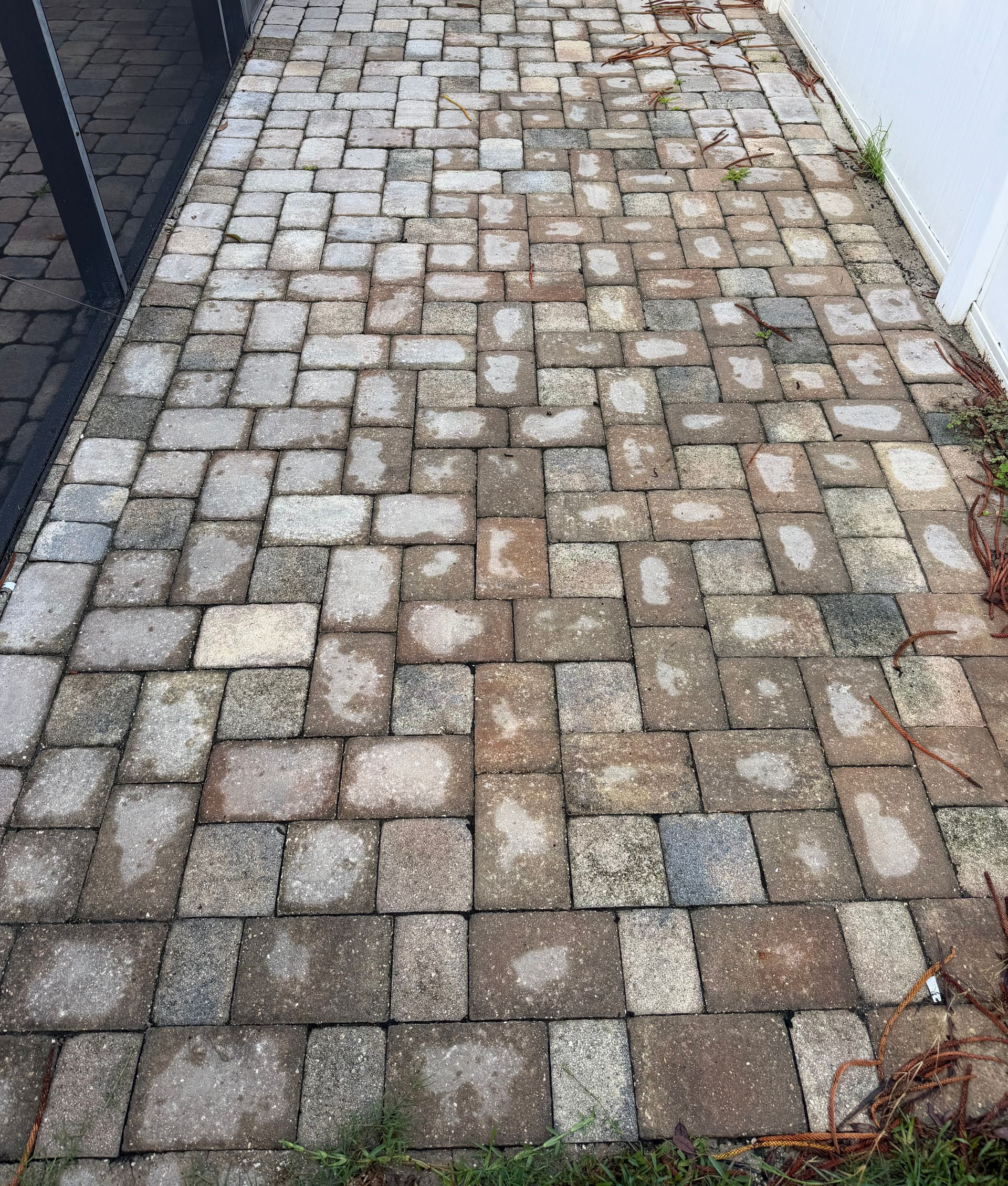
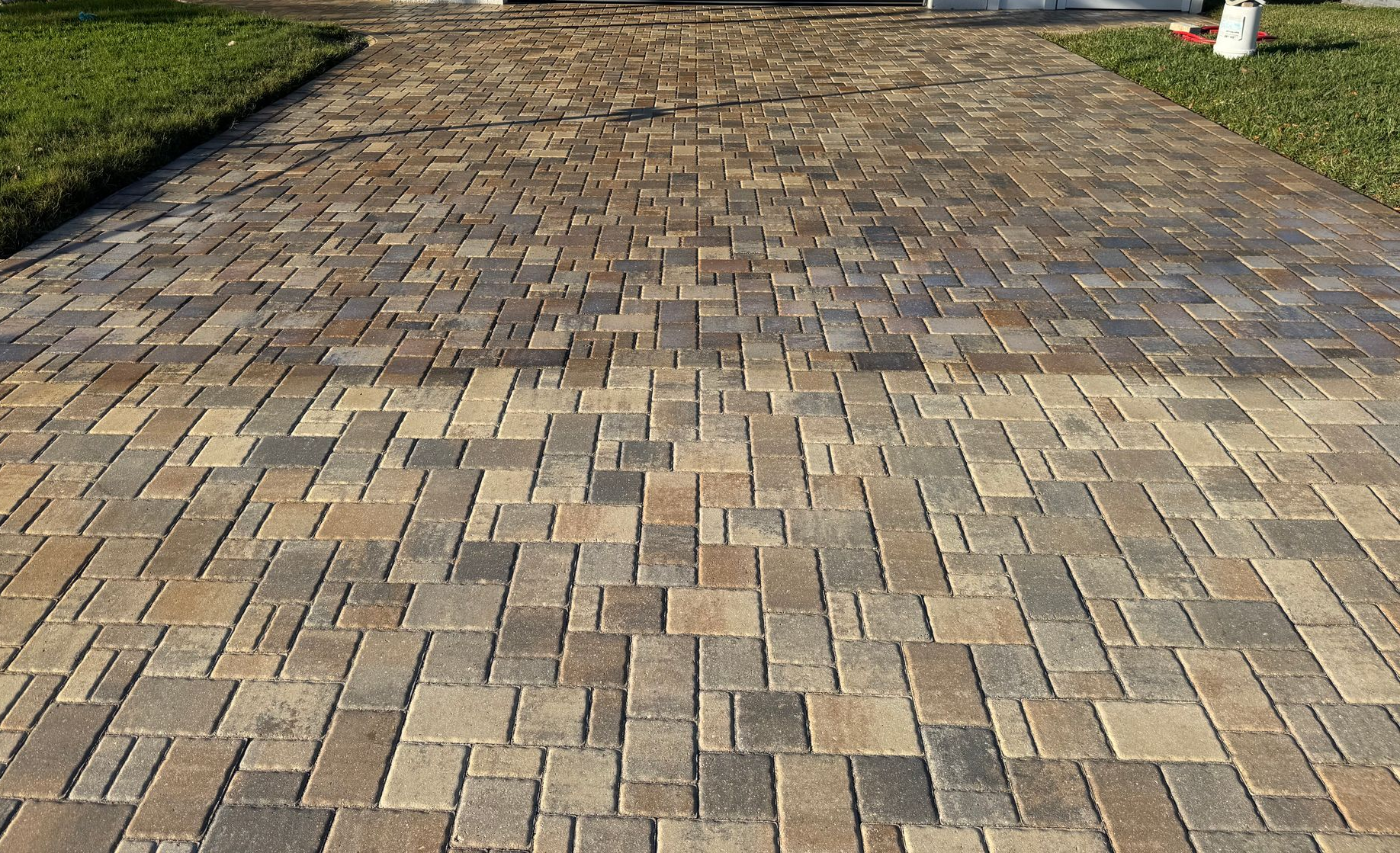
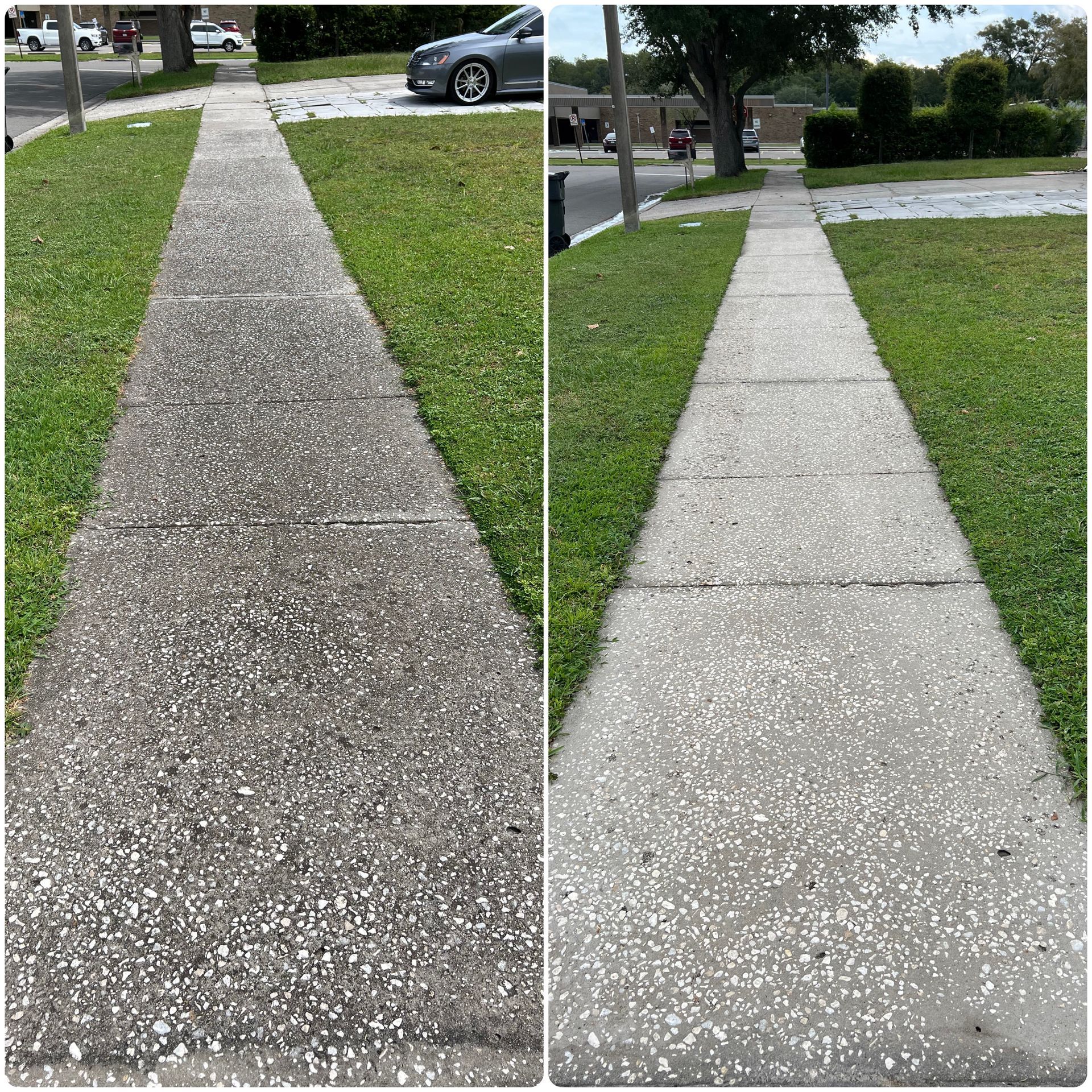
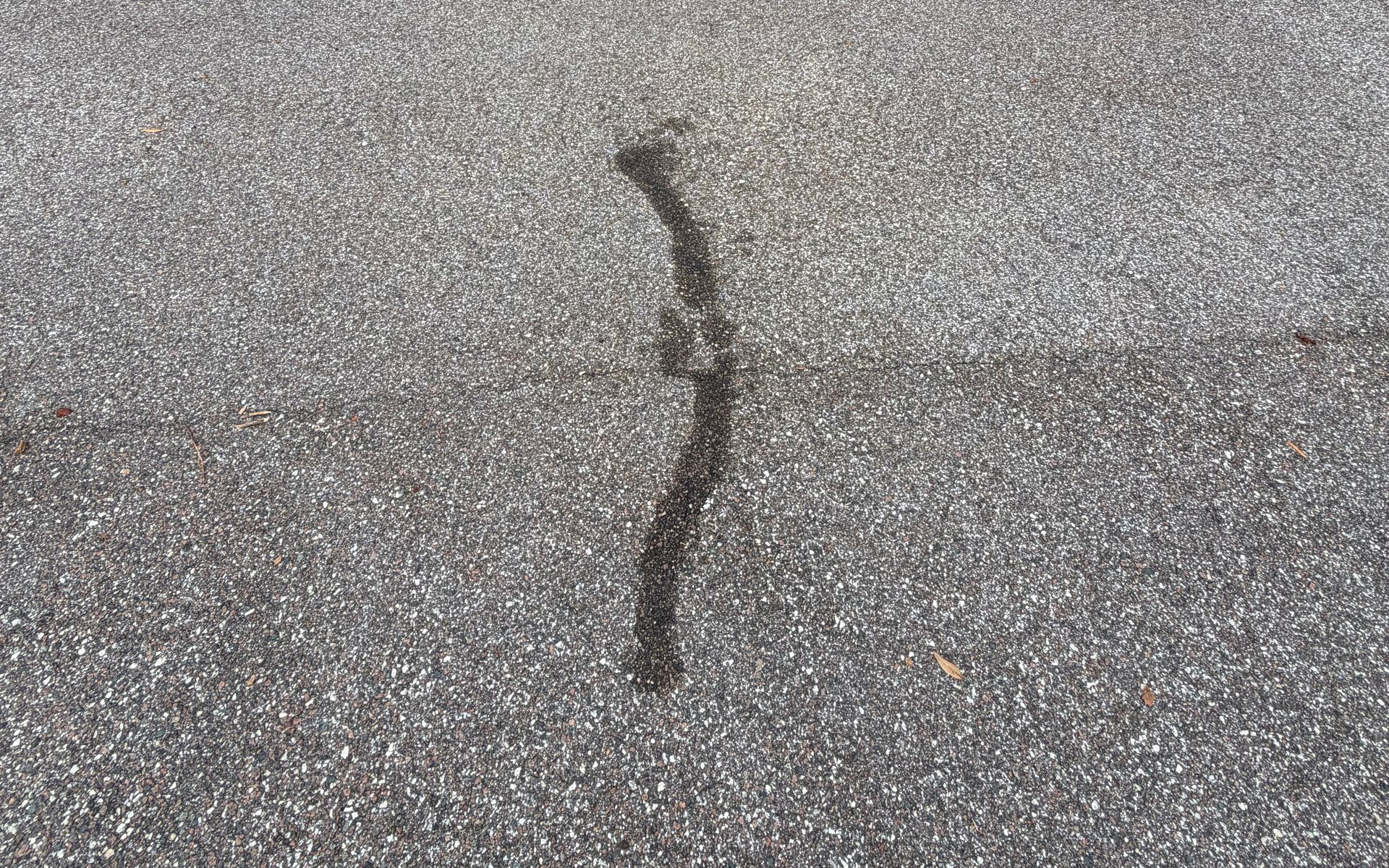
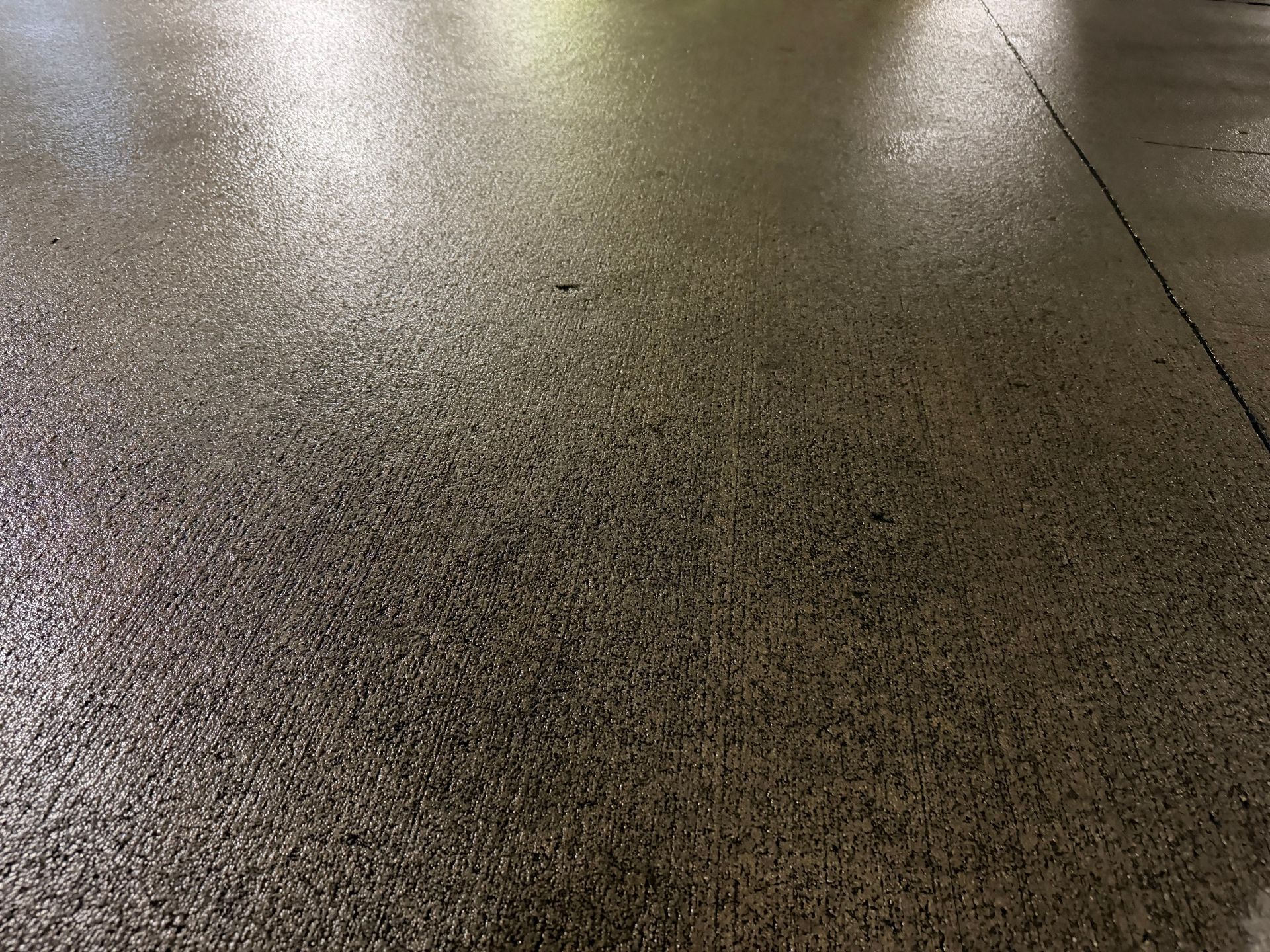
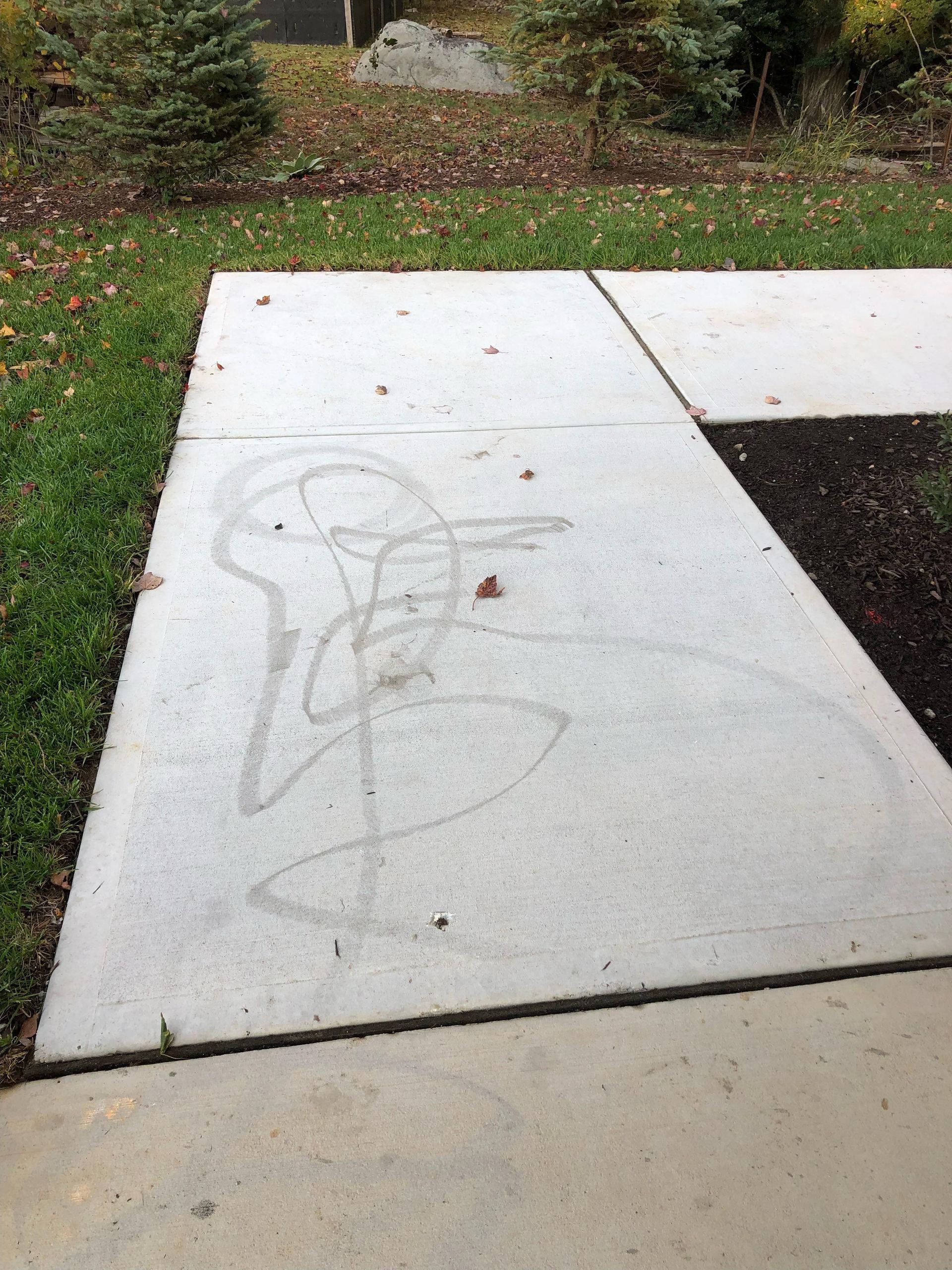
Etched or "lace-marked" concrete. Concrete has a thin, dense surface layer — the cream. A 15-degree tip held too close strips it in a pattern that looks like wand strokes. Afterward the surface is rougher, holds dirt faster, and stains more easily. It's visible forever at a low sun angle.
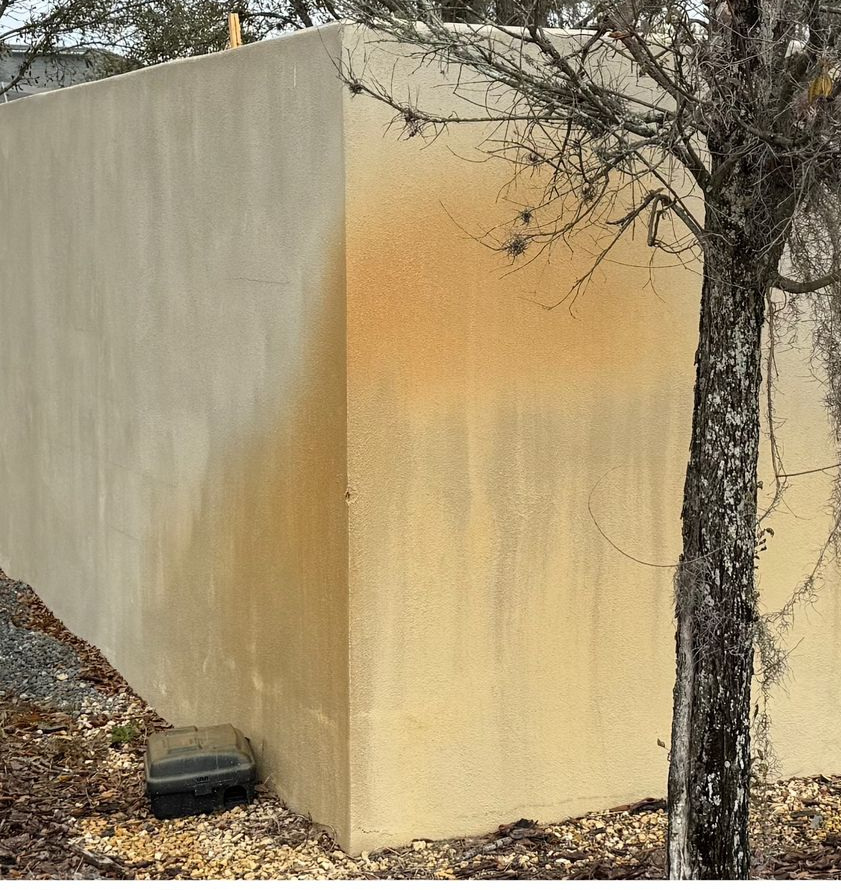
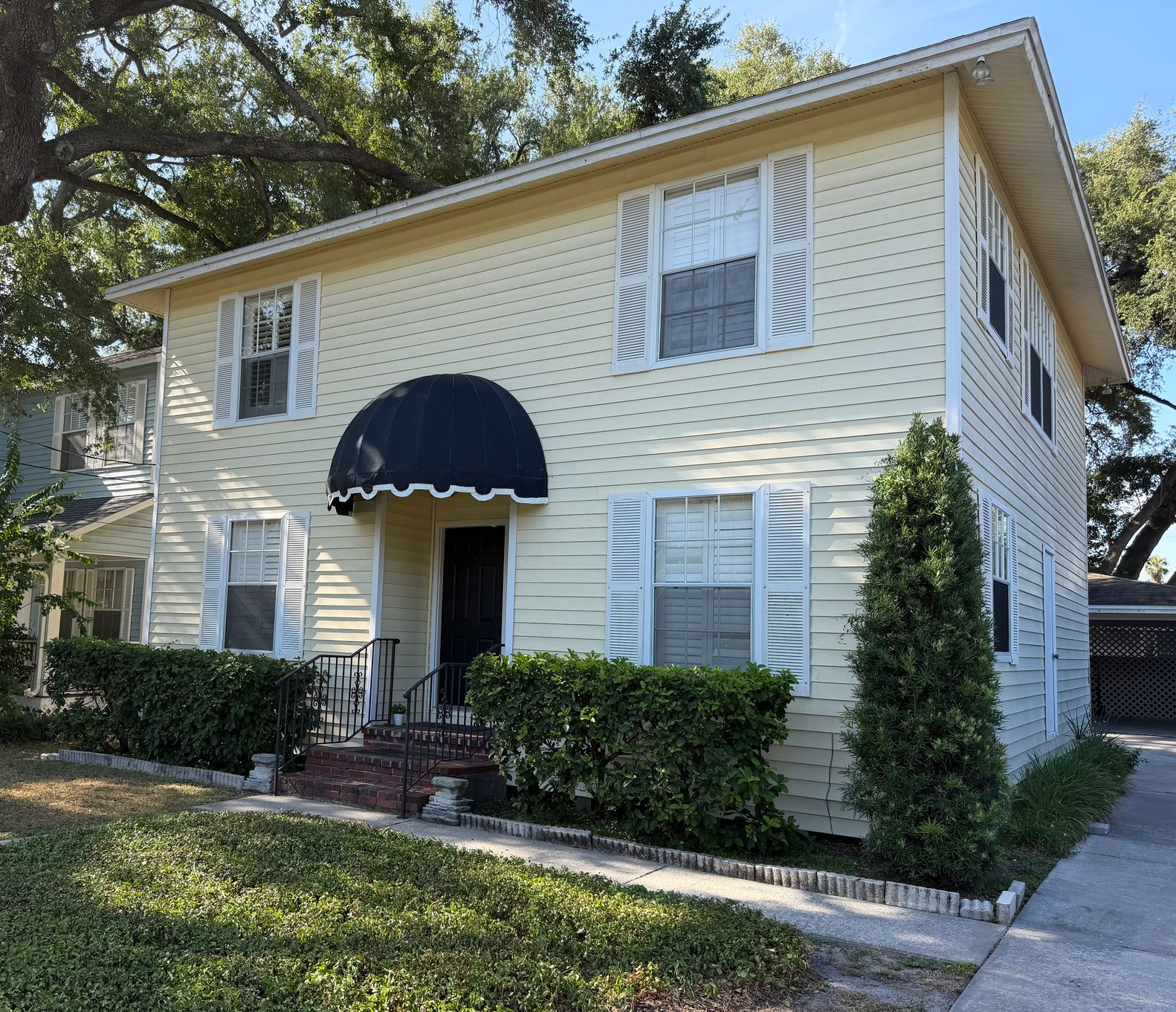
Striped or furred stucco. Stucco is softer than people assume, especially older finishes and anything with an elastomeric coating. Too much pressure takes the texture off in bands. The repair is a patch and repaint of the whole elevation, because spot-matching stucco texture is close to impossible.
Water behind the wall. The one nobody sees. High pressure aimed upward into soffit vents, under lap siding, or at window and door perimeters drives water into the wall cavity. In Tampa's humidity that means a mold problem months later, and no one connects it back to the wash.
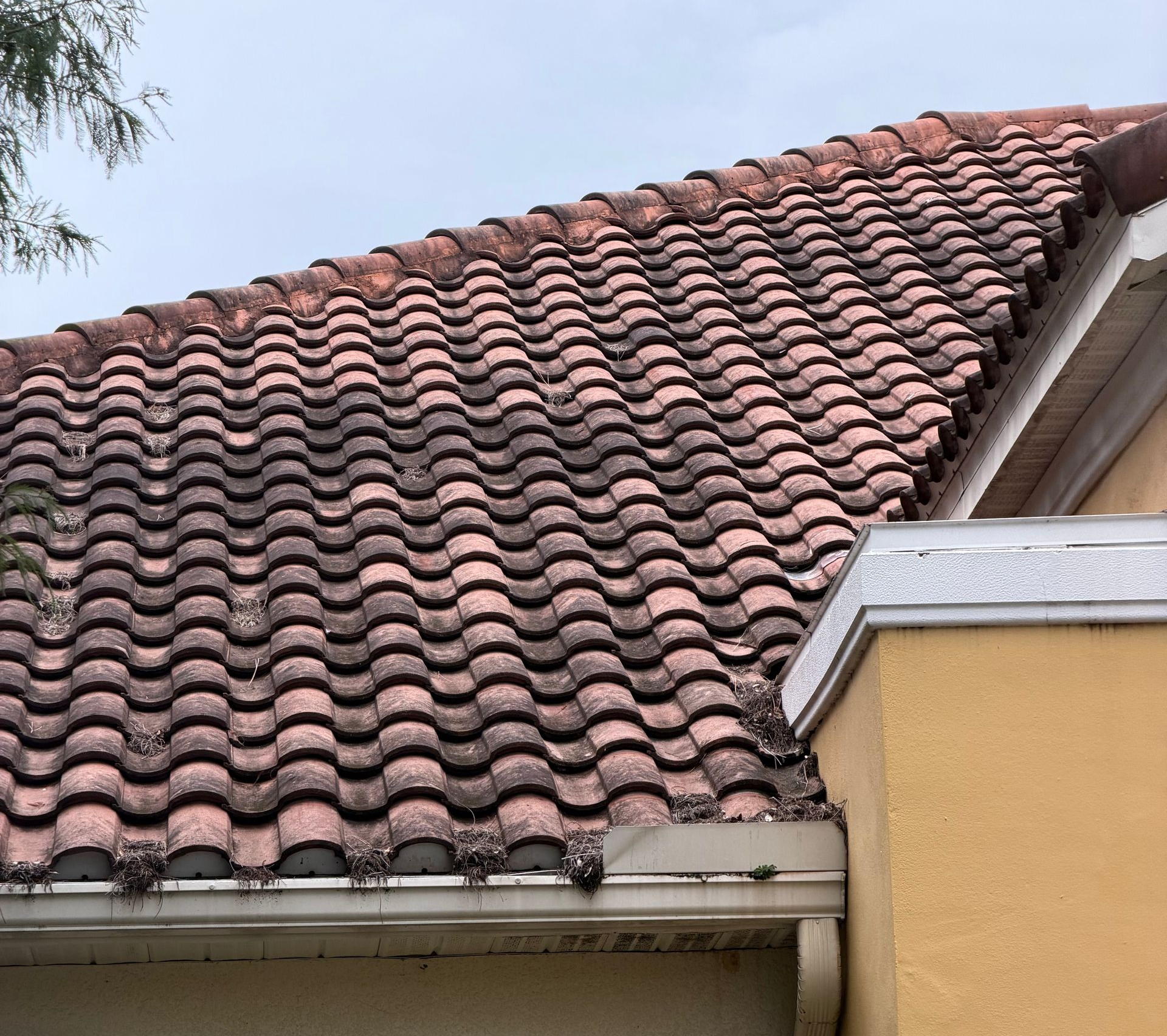
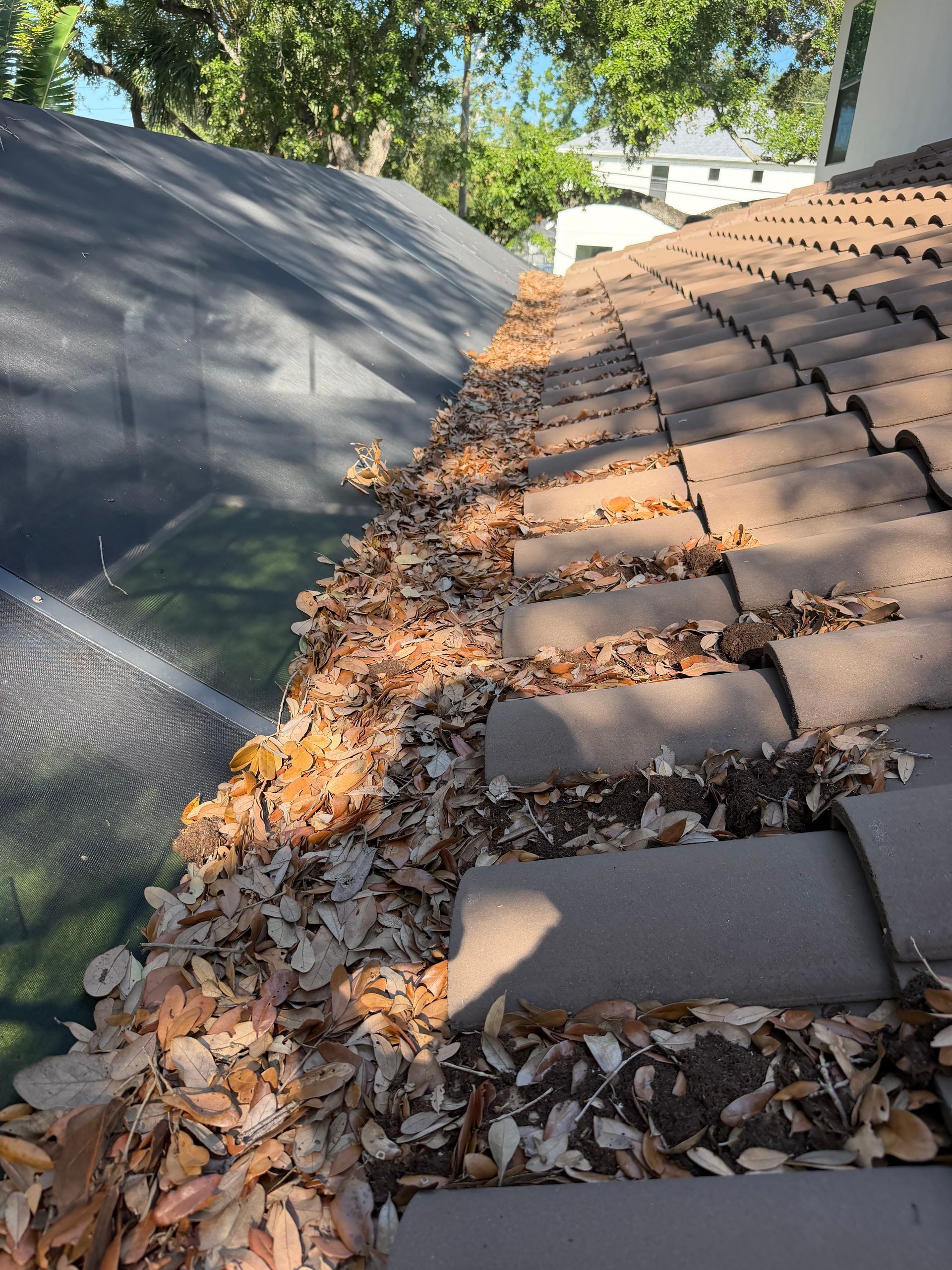
Broken and shifted roof tile. Barrel tile is strong vertically and fragile in point loading. Walking it wrong breaks it. Spraying under the overlap lifts and displaces it, and then you have a leak path.
Stripped and burned wood. Cedar, ipe and pressure-treated decking all fuzz up when the soft spring growth between grain lines gets blasted out. Once the grain is raised, the board has to be sanded or replaced.
Oxidation streaking on vinyl and aluminum. Pressure doesn't remove chalky oxidation evenly. It removes some, leaving a blotchy panel that looks worse than before.
[PHOTO: close-up of wand-stroke etching on a concrete driveway at low sun angle]
Why does this happen so often here?
Partly because Florida growth is stubborn. Algae, mildew and lichen have a real grip on a surface, and the instinct when something won't come off is to turn the pressure up and get closer. That instinct is exactly wrong. Organic growth comes off chemically — the right solution, the right dwell time, a gentle rinse. Pressure removes what's loose; chemistry removes what's alive.
The other reason is that this work genuinely looks easier than it is from the sidewalk. It isn't. Knowing that a 1990s stucco elevation, a 2015 painted block elevation and a cedar soffit on the same house all need three different approaches is the actual job. Nobody should feel bad for not knowing that.
How to tell whether a contractor will damage your home
Ask these before anyone unrolls a hose:
- "What pressure and what tip will you use on each surface?" A real answer names different settings for roof, stucco, concrete and wood. "We adjust as needed" is not an answer.
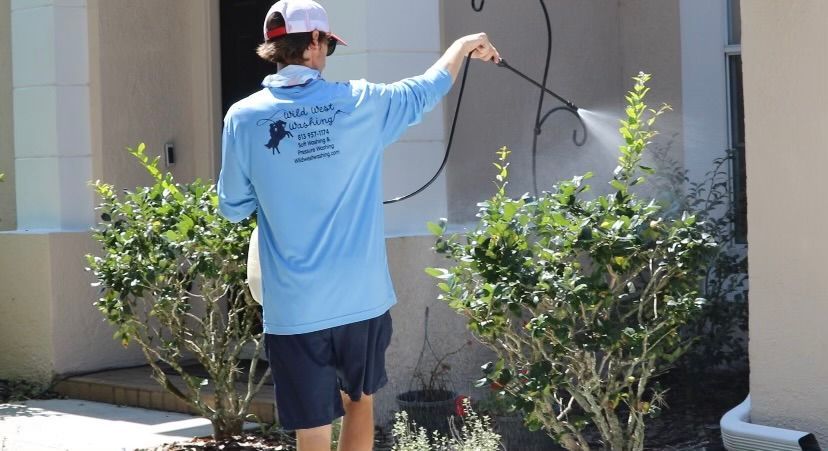
- "Is this a soft wash or a pressure wash?" Anything painted, screened, or on a roof should be soft washed. Flatwork can take pressure.
- "How do you protect landscaping?" Pre-wet, cover, rinse down. If this gets waved off, so will other things.
- "Are you insured, and can I see the certificate?" Not the card — the certificate, current.
- "What's your plan for the window and door perimeters?" The answer should involve keeping pressure off them, not sealing over a problem.
- "Will you test an inconspicuous area first?" On anything old, painted, or unusual, yes.
We expanded on this in questions to ask a pressure washing company.
Can pressure washing damage be repaired?
Sometimes, partially, and it's never as cheap as doing it right the first time. Etched concrete can be resurfaced or coated. Striped stucco needs patch and paint. Fuzzed wood needs sanding and refinishing. Oxidized vinyl sometimes responds to a restoration treatment. Broken tile gets replaced individually if the profile is still available, and if it isn't, you're into a larger roof conversation.
The one thing we can usually fix cleanly is an incomplete or uneven cleaning — that's just a matter of doing it properly. Physical damage to the substrate is a different category.
[PHOTO: side-by-side of soft-washed vs. pressure-damaged stucco on the same style of home]
The safer default
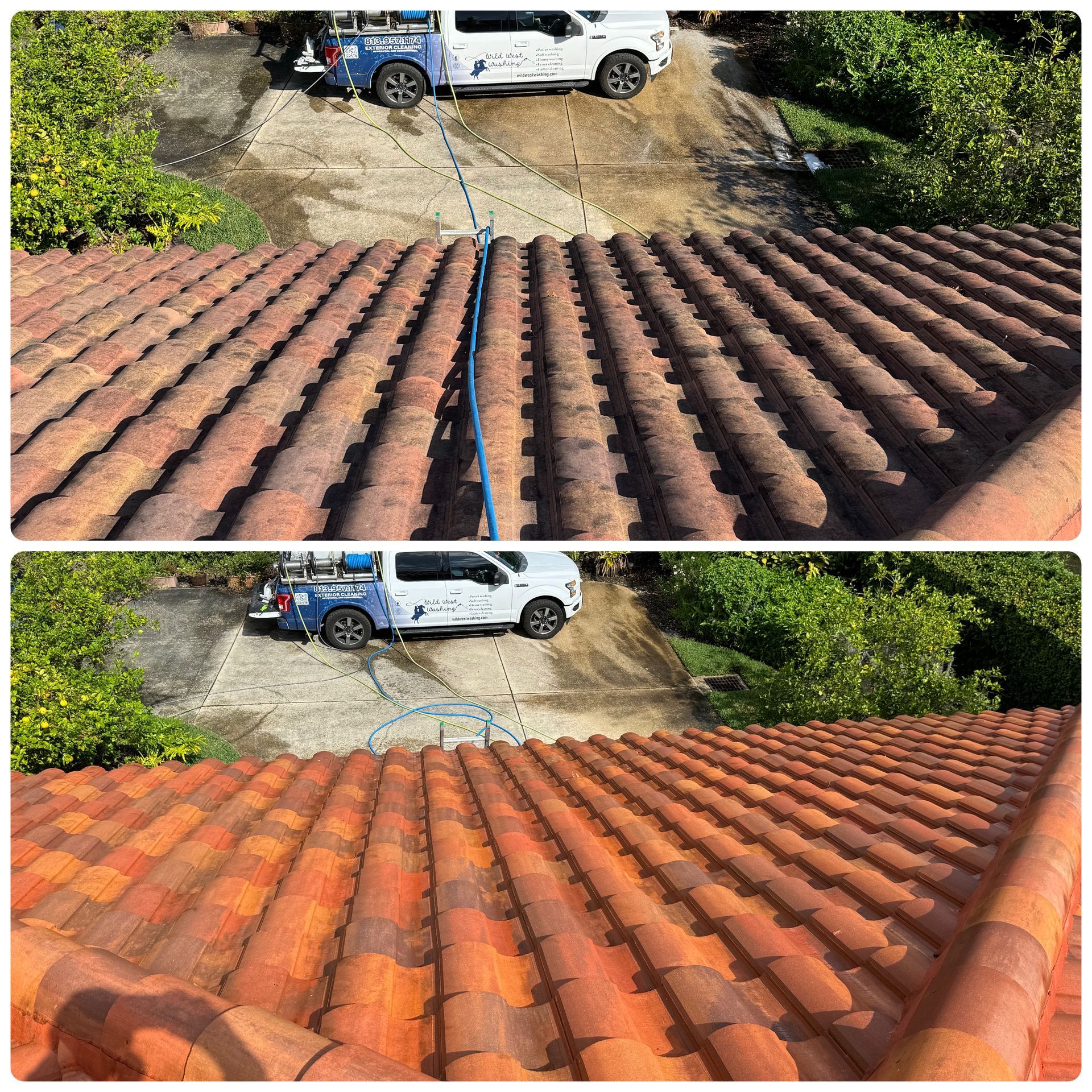
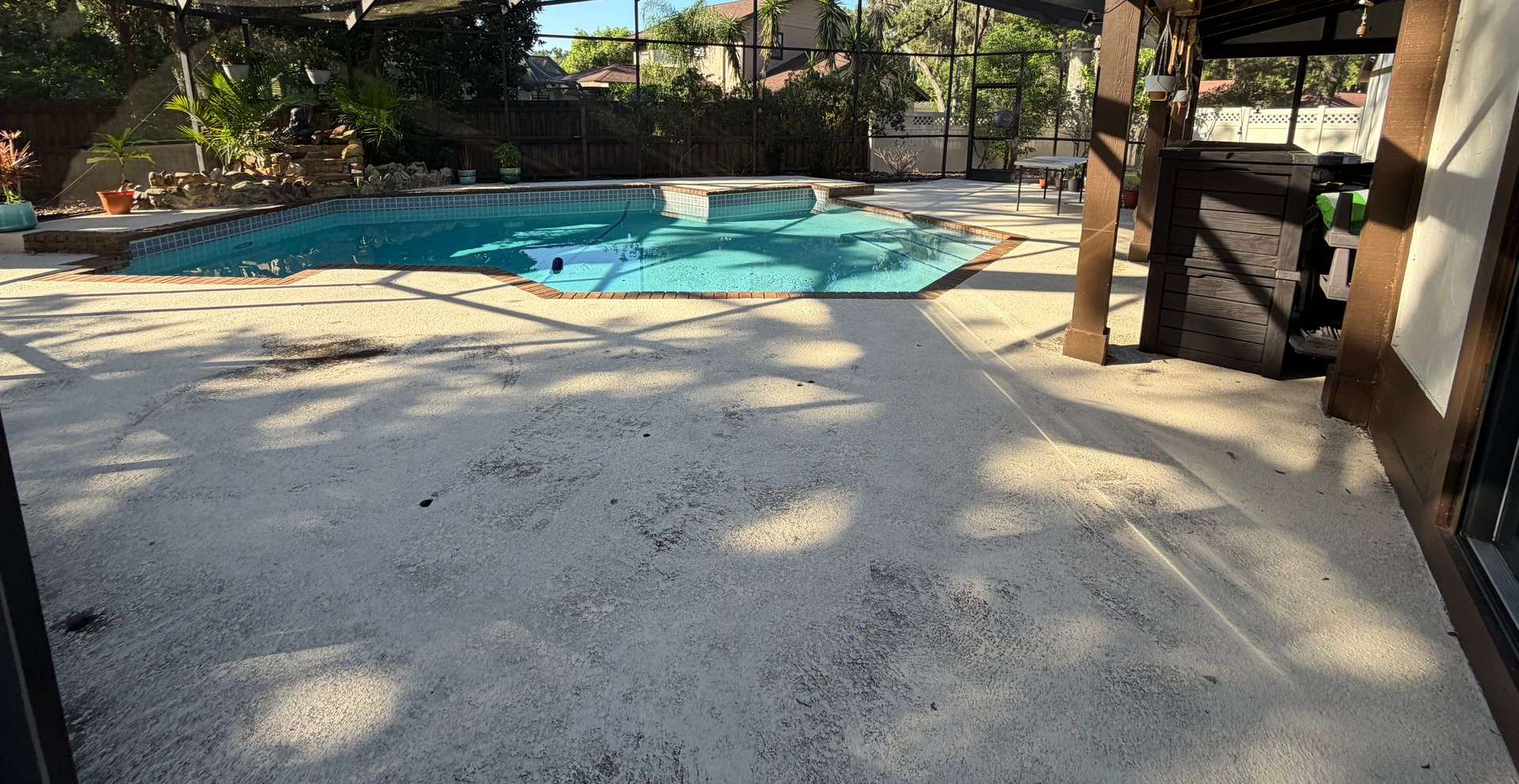
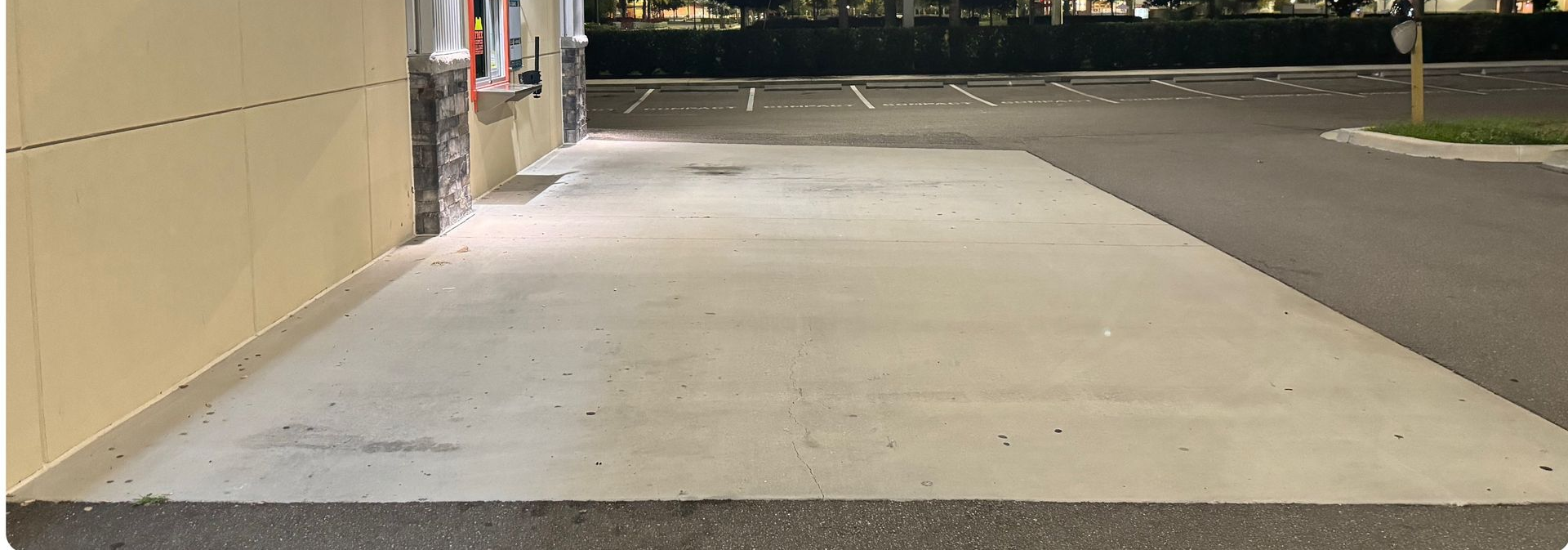
For almost everything on a luxury home — roof, stucco, painted block, screens, soffits, siding — the answer is low pressure and the right chemistry. Hard pressure belongs on driveways, sidewalks, pool decks and parking lots, with a surface cleaner rather than a wand, so the pass is even. That's the whole philosophy behind soft washing and how we approach professional exterior cleaning.
Talk to us first
If you've got a surface you're unsure about — or damage from a previous cleaning you want a straight assessment on — call 813-957-1174 for a free quote and an honest read. Wild West Washing is a veteran-owned Tampa company, and we've never once regretted taking the slower approach on someone's home.