Paver sealing in Tampa works best November through April

The best time for paver sealing in Tampa is November through April. Sealer needs a genuinely dry paver and a stretch of low humidity to cure into the stone instead of sitting on top of it, and Tampa Bay only reliably hands you that from late fall through early spring. Seal in August and you are fighting a 3 p.m. thunderstorm and 85% humidity for the entire cure window.
That is not a scheduling preference. It is chemistry.
What humidity actually does to curing sealer
A paver is not a solid block. It is a porous, slightly thirsty piece of concrete, and on a humid Florida afternoon it is holding moisture you cannot see or feel. Put sealer over that trapped moisture and the water has nowhere to go but up, through the film that is trying to harden. That is where the three classic failures come from:
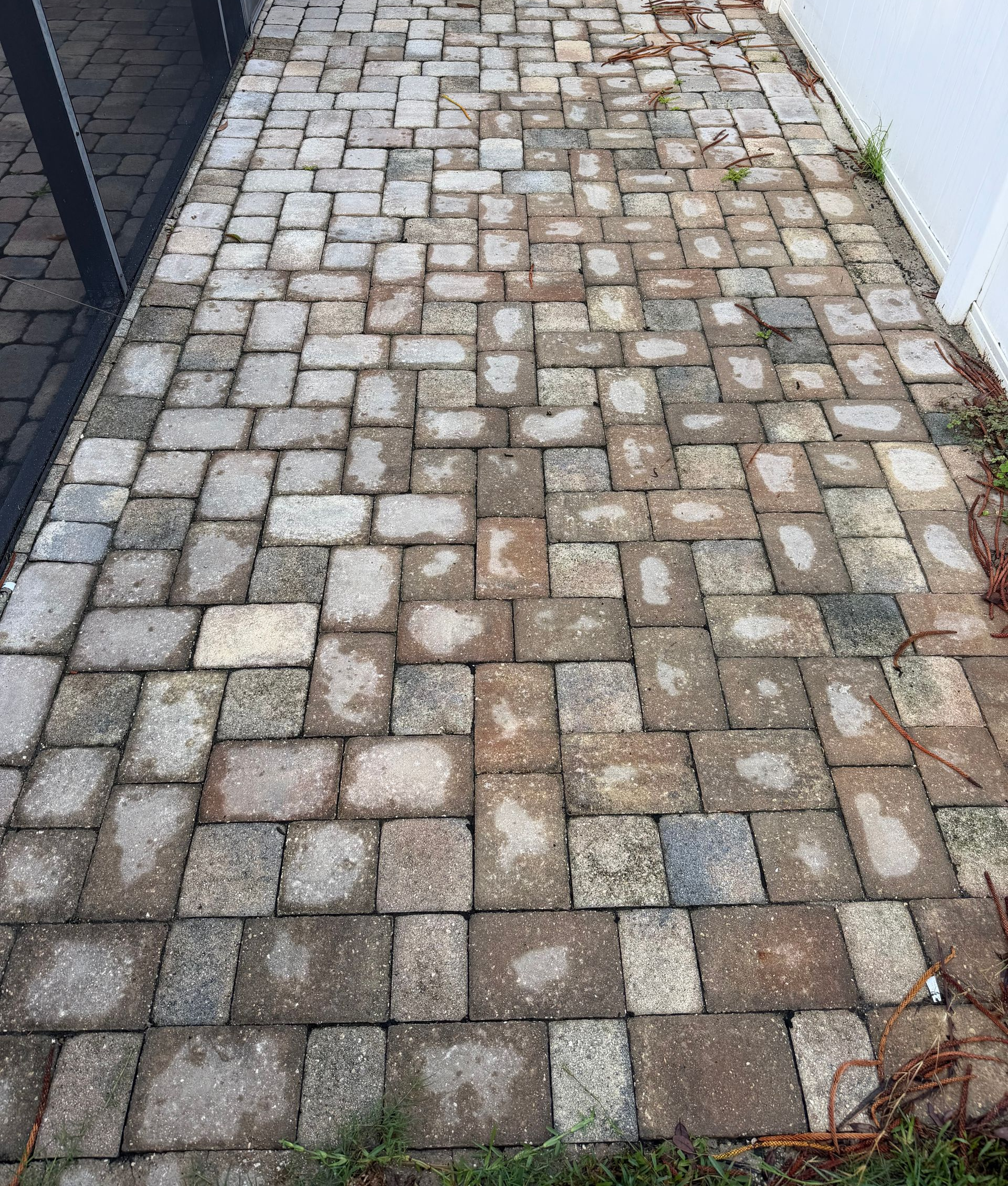
- Blushing — a milky white haze across the surface where moisture clouded the film.
- Hazing and roller shadows — uneven sheen, visible lap lines, patches that look wet forever.
- Peeling and flaking — the film never bonded, so it lifts in sheets a season later.
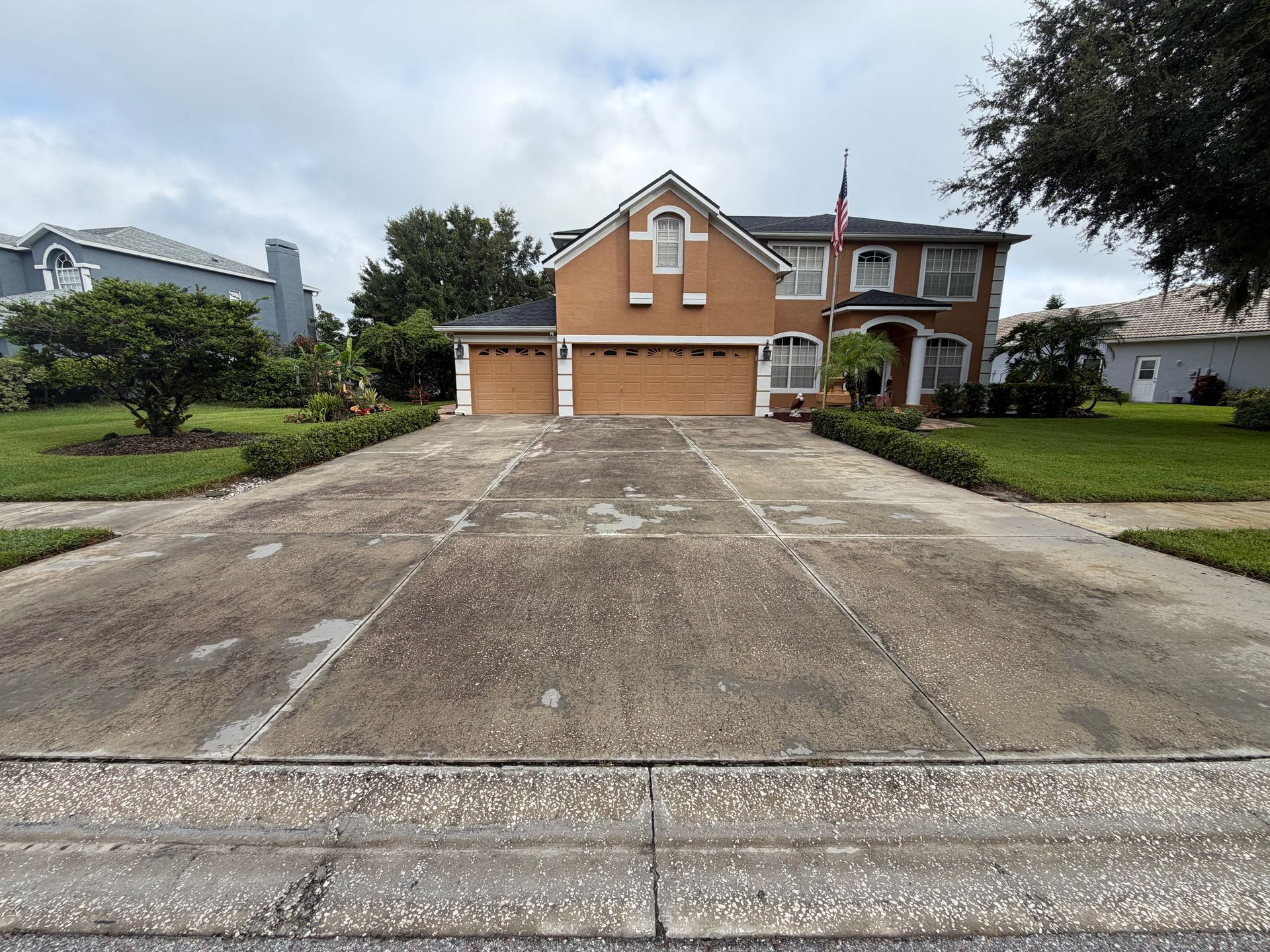
Every one of those is a redo. Stripping failed sealer off a 1,200-square-foot paver driveway is slower, messier and harder on the pavers than the original job was.
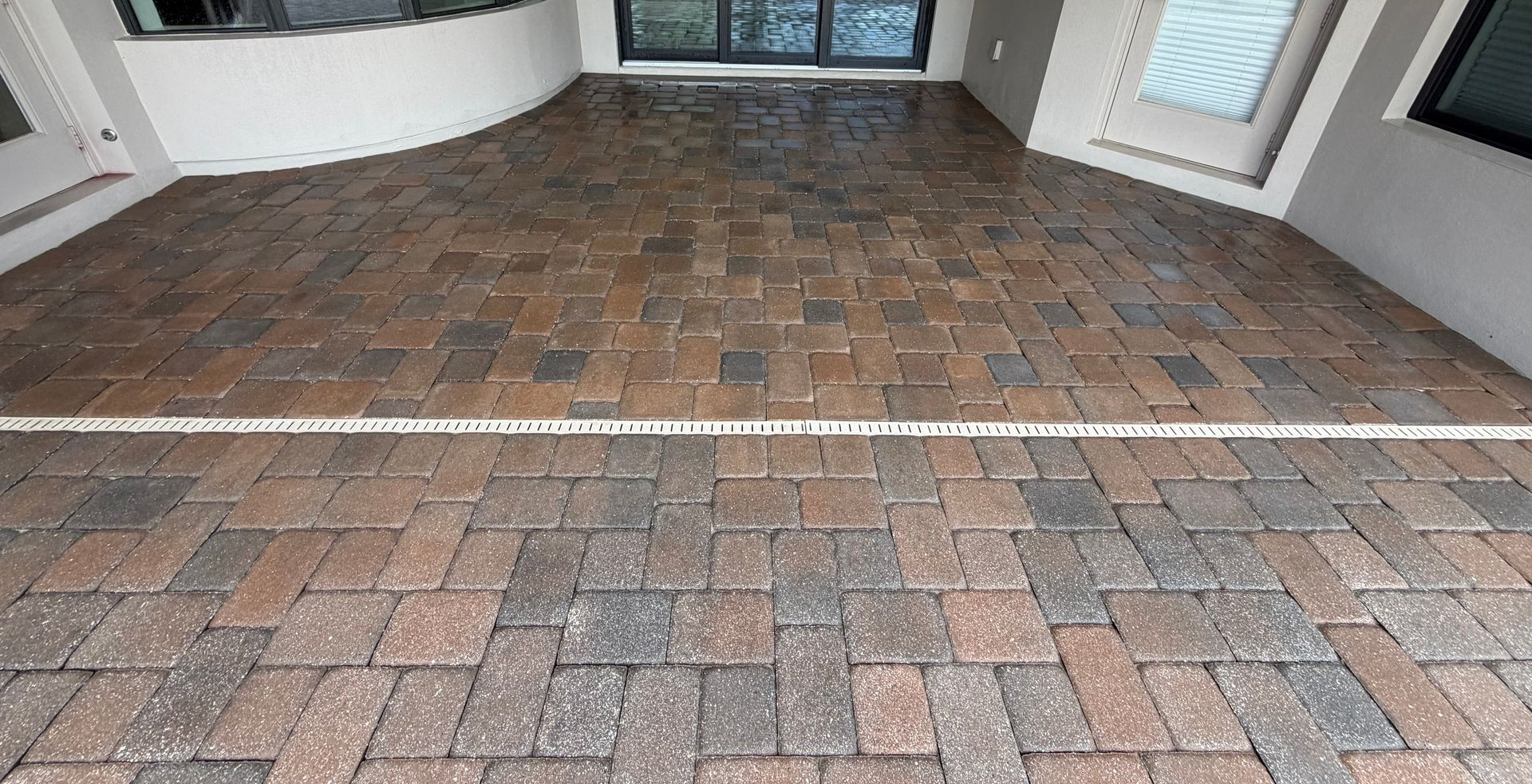
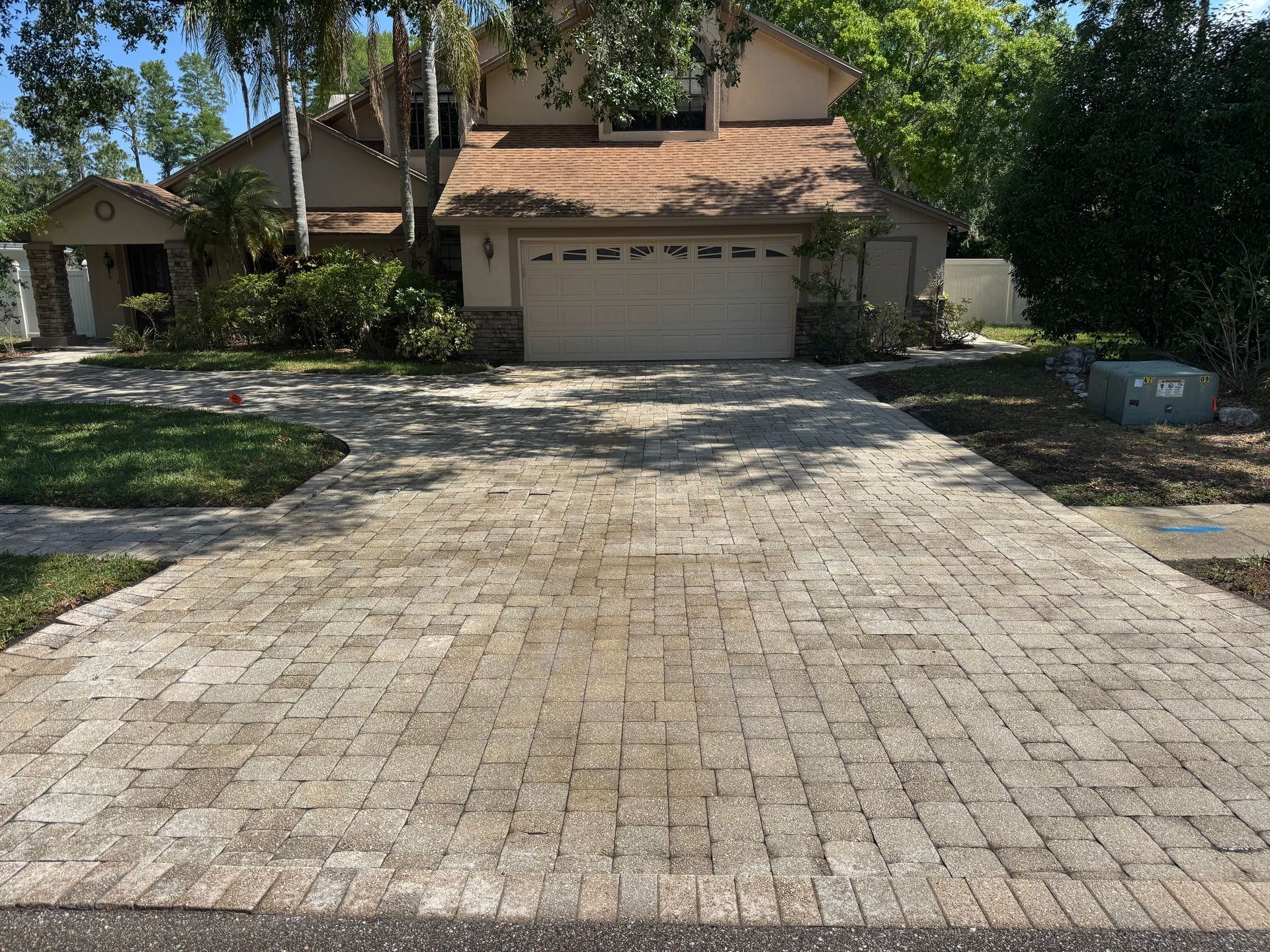
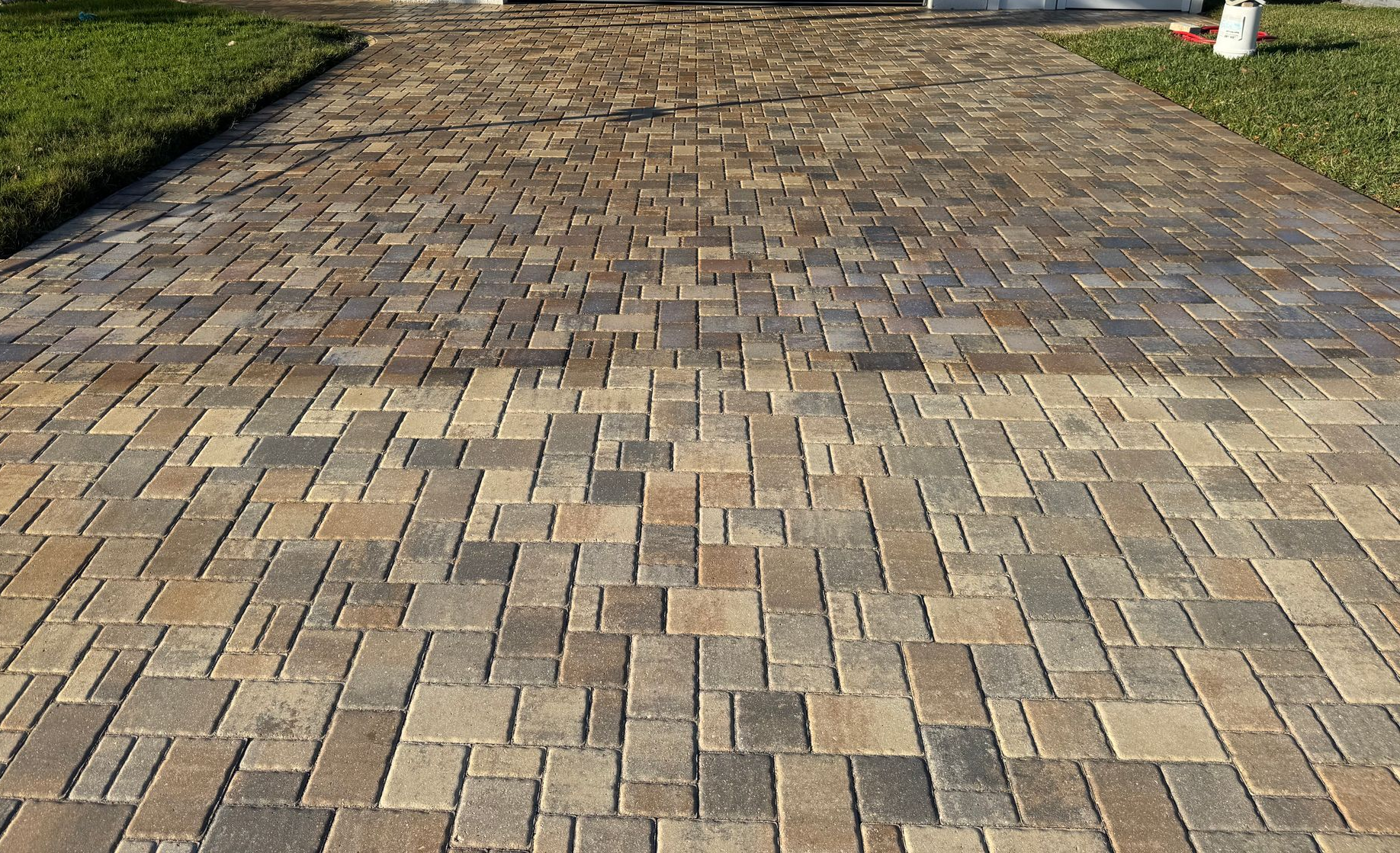
[PHOTO: side-by-side of a blushed/hazy sealed paver section next to a correctly cured one — Westchase driveway]
How often should pavers be sealed in Florida?
Every two to three years for most Tampa Bay driveways and pool decks, and that range has real reasons behind it:
- Full sun, no tree cover — closer to two years. Florida UV is brutal on the top of a sealer film.
- Shaded, north-facing, or under oaks — closer to three, though you will be fighting more organic growth.
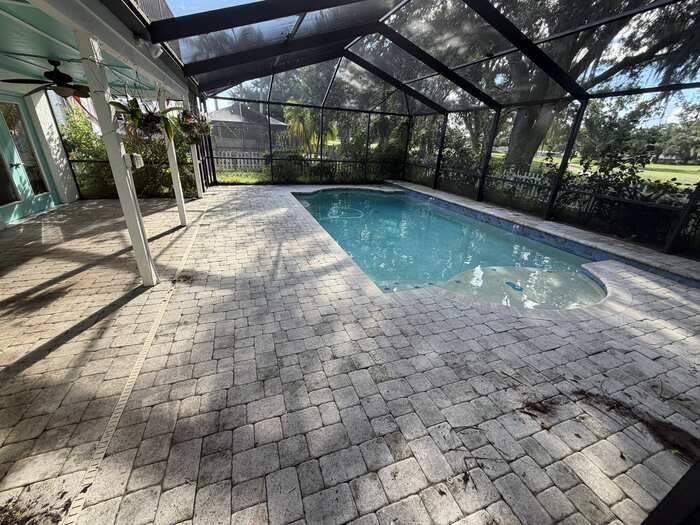
- Pool decks with constant splash-out and chlorinated water — two years, reliably.
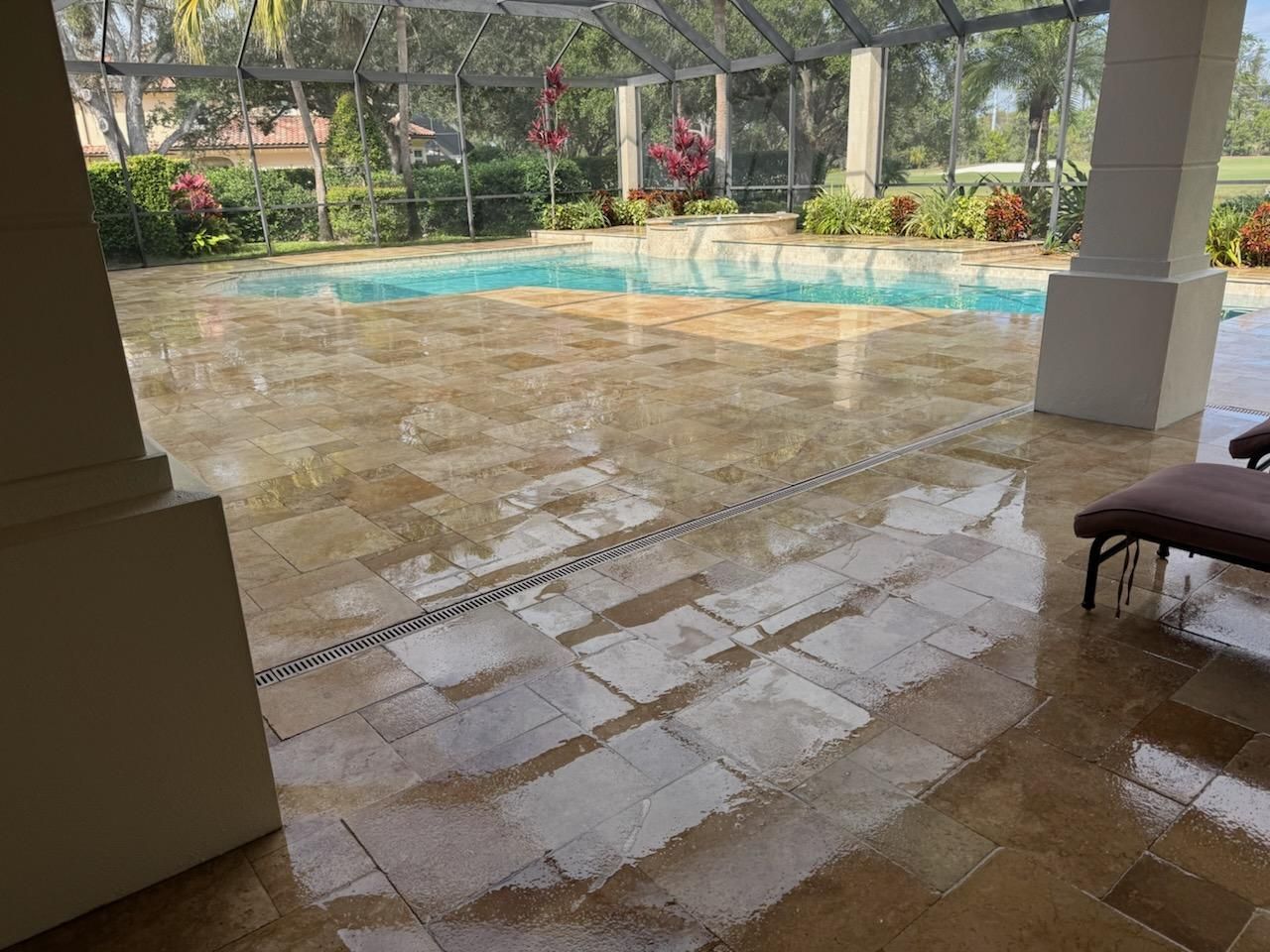
- Travertine and marble — different product, different schedule; those get a penetrating sealer, not a film.
If water stops beading and starts soaking straight into the joint, you are past due.
The dry-season sequence, start to finish
A sealing job is mostly not sealing. It is prep, and the prep is where the result is decided.
- Deep clean. Surface cleaner over the whole field, pulling out embedded dirt, algae and the black organic film in the joints. Rust and oil stains get treated separately before anything else happens.
- Kill the growth. Weeds and moss in the joints get handled now, not sealed in place.
- Re-sand the joints. Polymeric sand swept in and set. Joints sealed with too little sand will keep shedding and settling, and the sealer locks that deficiency in.
- Let it dry. This is the step people skip. Depending on sun, wind and the slab, that is usually 24 to 48 hours in the dry season — and considerably longer, or simply not viable, in August.
- Seal. Two coats, back-rolled or sprayed depending on the finish, with the sheen you chose rather than whatever sheen the bucket happened to be.
Then you stay off it. Foot traffic in roughly 24 hours, vehicles in 48 to 72. In the dry season those windows hold. In the wet season an afternoon storm resets them.
Does sealing make pavers slippery?
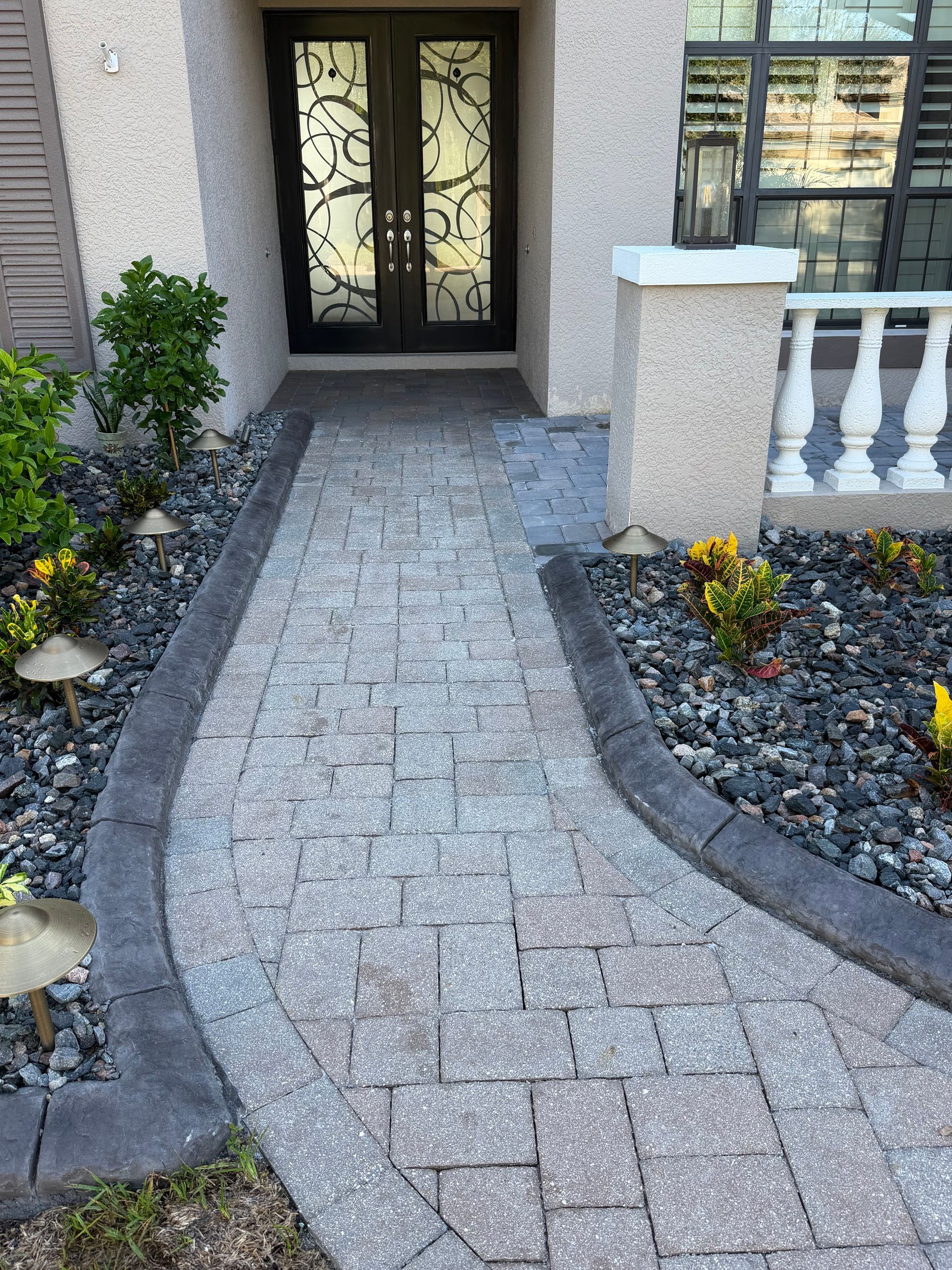
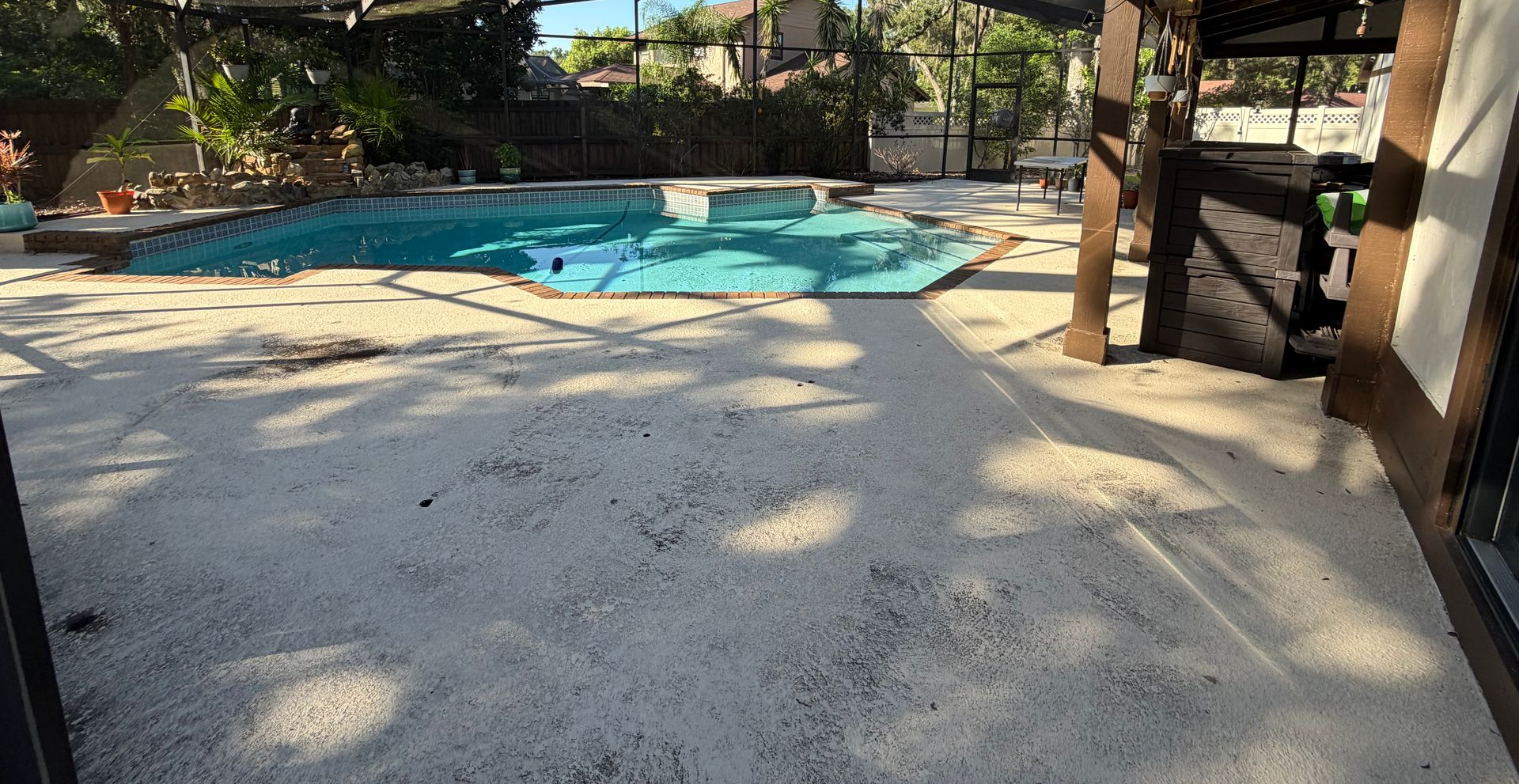
Not if the product matches the application. A high-gloss "wet look" on a pool deck is genuinely slick, which is why we do not put it there. Pool decks get a matte or satin penetrating product, often with a grit additive. Driveways and entries can carry more sheen because nobody is walking them barefoot and wet. If you are still deciding on the look, we wrote a whole piece on choosing a paver sealer finish in Tampa Bay that walks through the trade-offs.
Why this is harder than the internet suggests
We will be straight with you: this is one of those jobs where the materials cost little and the mistakes cost a lot. The sealer itself is not expensive. Knowing whether a slab is dry enough to take it, reading a 40-foot driveway for low spots where product will pool, keeping a consistent wet edge across a surface that is baking in the sun on one end and shaded on the other — that is the part that takes a few hundred driveways to learn. If you have been putting it off because the stakes felt high, your instinct was right.
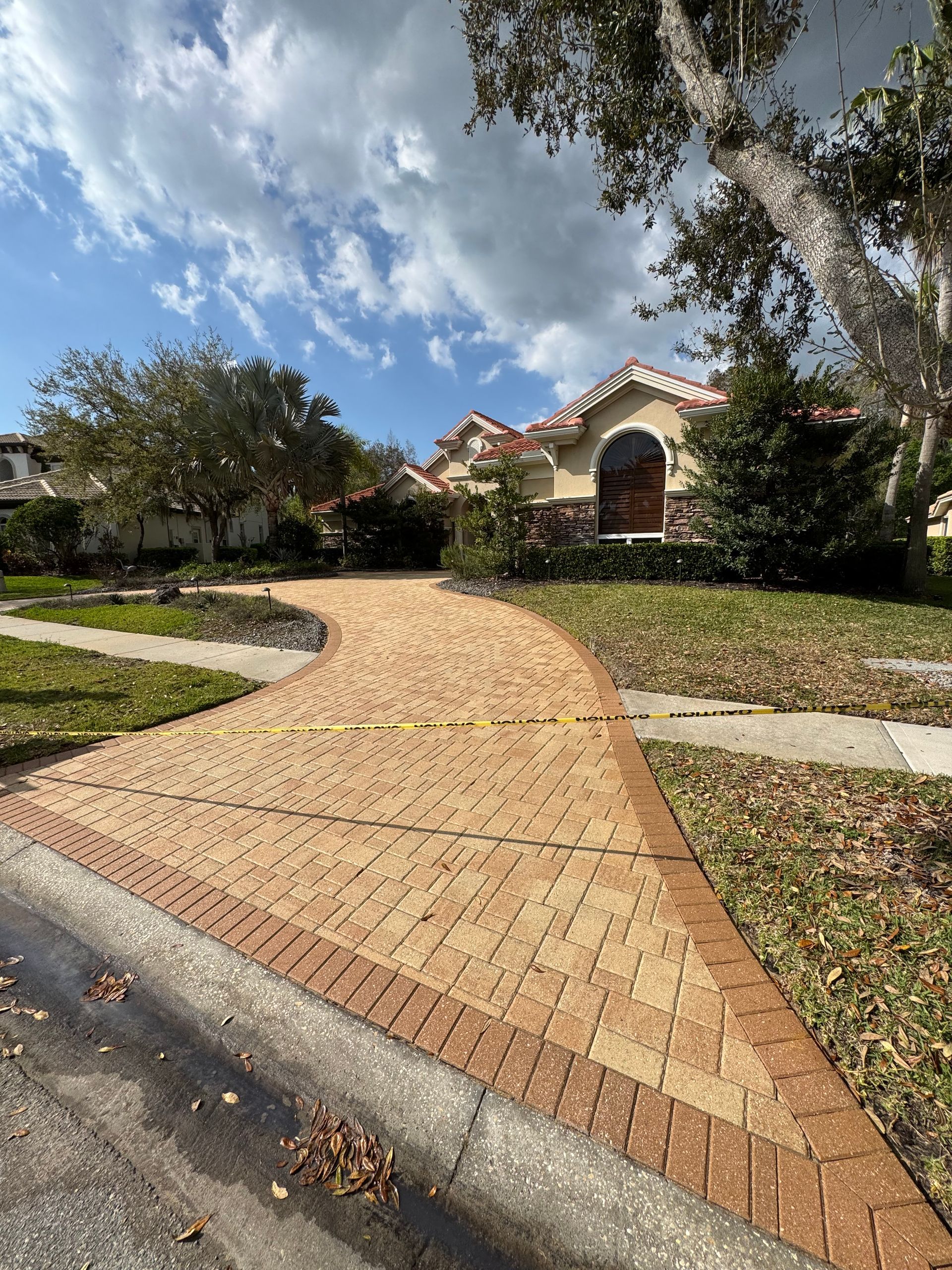
[PHOTO: crew back-rolling sealer across a large paver driveway, visible wet edge — Westchase]
Book the window while it is open
Dry season is five or six months long and every paver job in Hillsborough, Pasco and Pinellas wants a slot in it. December through February fills first.
We handle paver cleaning and sealing in Westchase along with the rest of our exterior cleaning services across Hillsborough, Pasco and Pinellas counties.
Call 813-957-1174 for a free quote on your driveway, pool deck or entry. We are a veteran-owned Tampa company, and the crew that quotes your job is the crew that shows up to do it.