Cleaning HOA Common Areas in Tampa Bay

HOA common area pressure washing in Tampa covers everything inside the gates that no individual homeowner is responsible for: the entry monument, the stucco walls along the boulevard, the clubhouse, the mail kiosk, the pool deck, the sidewalks, the dumpster enclosures and the amenity buildings. Most Tampa Bay communities need it annually, and the single biggest mistake boards make is cleaning the clubhouse on a schedule while the entry monument — the only thing a visitor actually sees — goes four years untouched.
Ask a board what their community looks like and they describe the clubhouse. Ask a buyer's agent and they describe the entrance.
The surfaces that get forgotten
Boards tend to budget by building. The grime, unhelpfully, does not organize itself that way. In a typical Tampa Bay community, here is the order in which things actually get ugly:
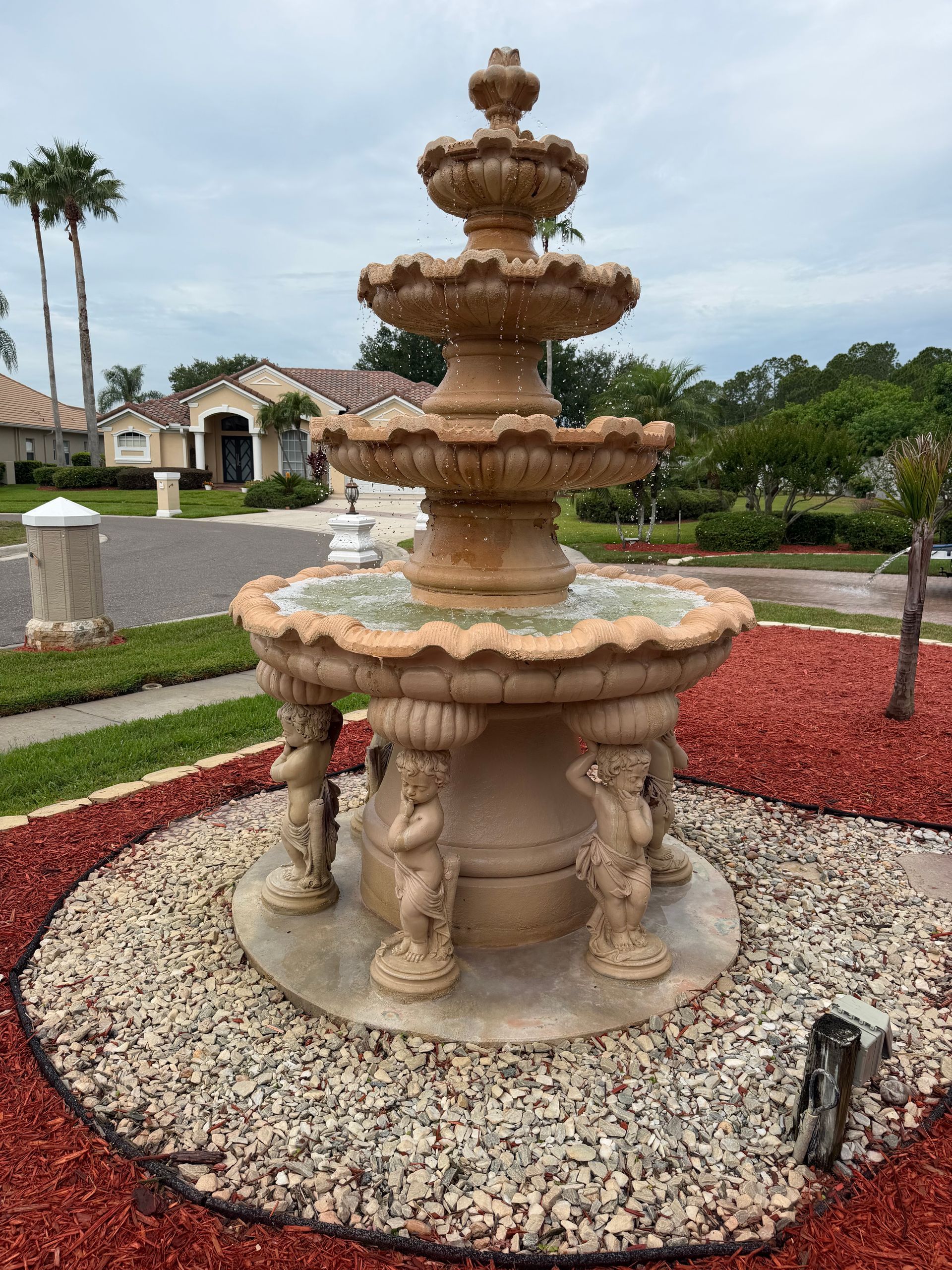
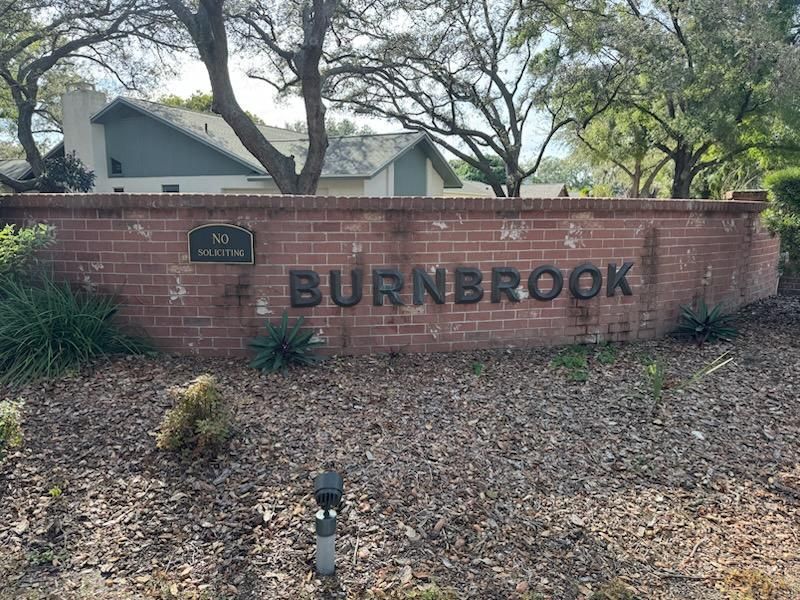
- The entry monument and signage. Irrigation hits it daily, it sits in full sun, and the raised lettering collects a dark film in every groove. It is also the single highest-visibility square footage in the entire association.
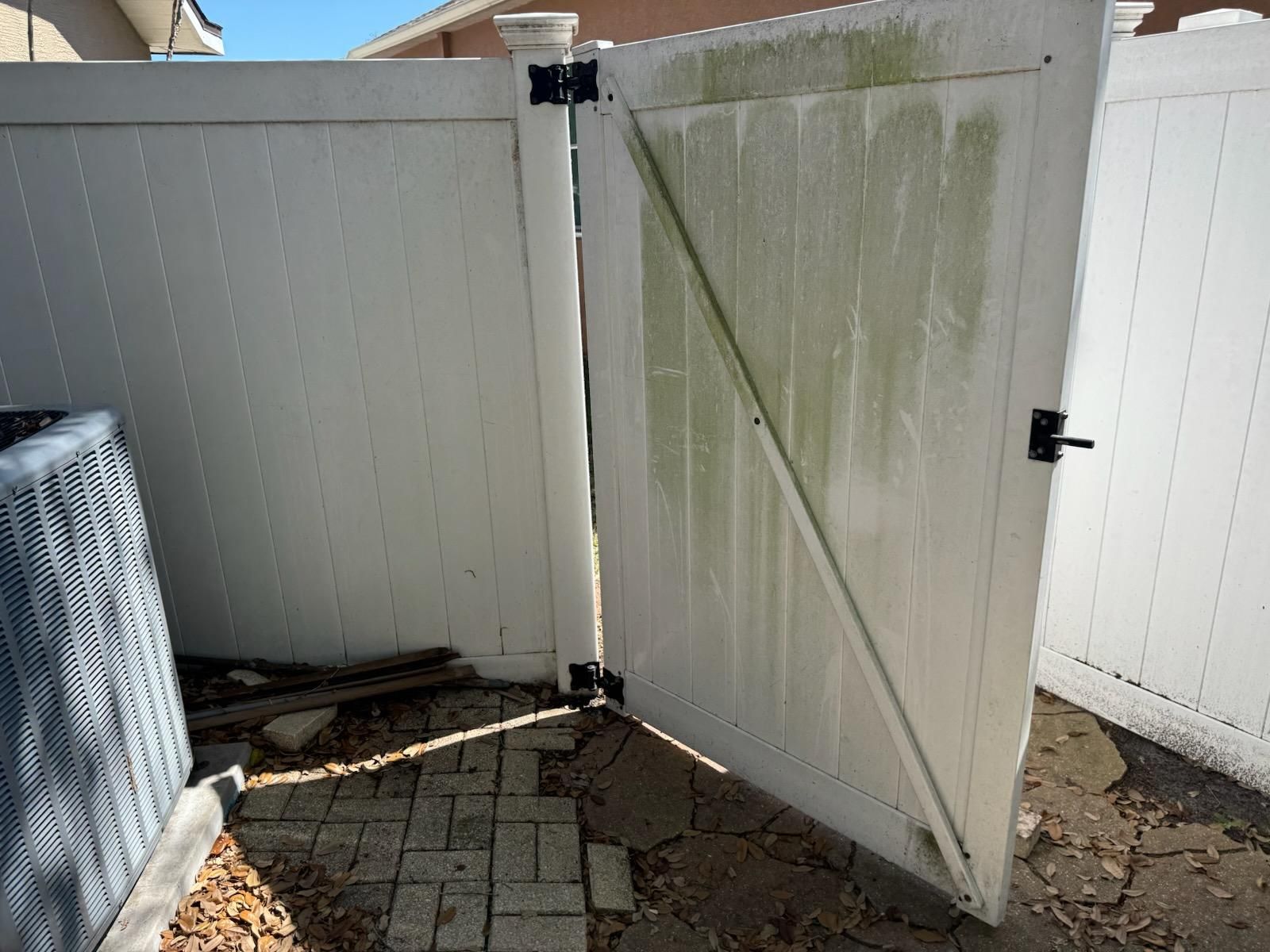
- Perimeter walls and fencing along the main road. Road film, exhaust, and algae on the shaded side. Usually a quarter mile of it.
- The mail kiosk. Every owner stands in front of it several times a week. Nobody ever looks up at the ceiling, which is where the mildew is.
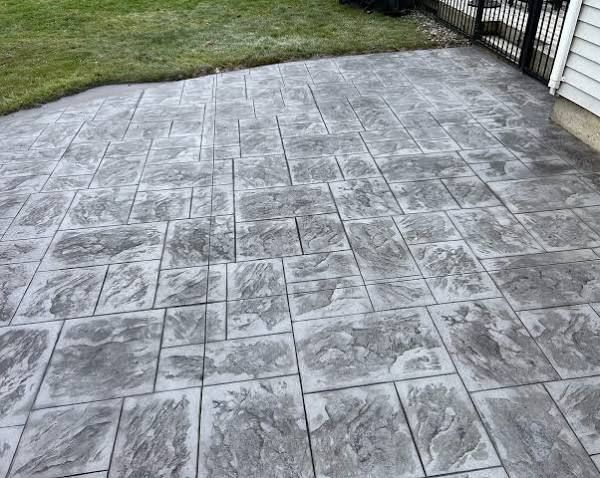
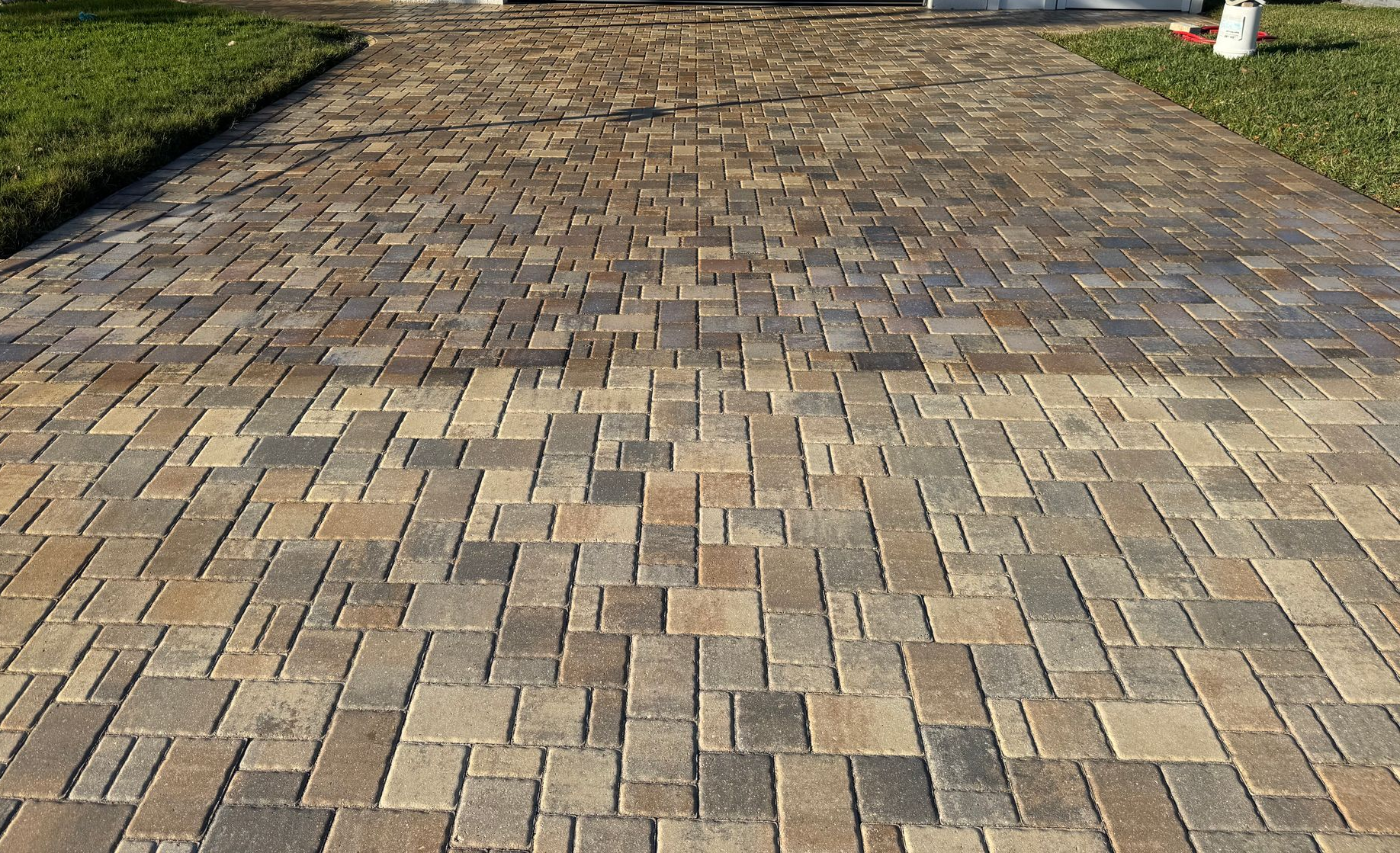
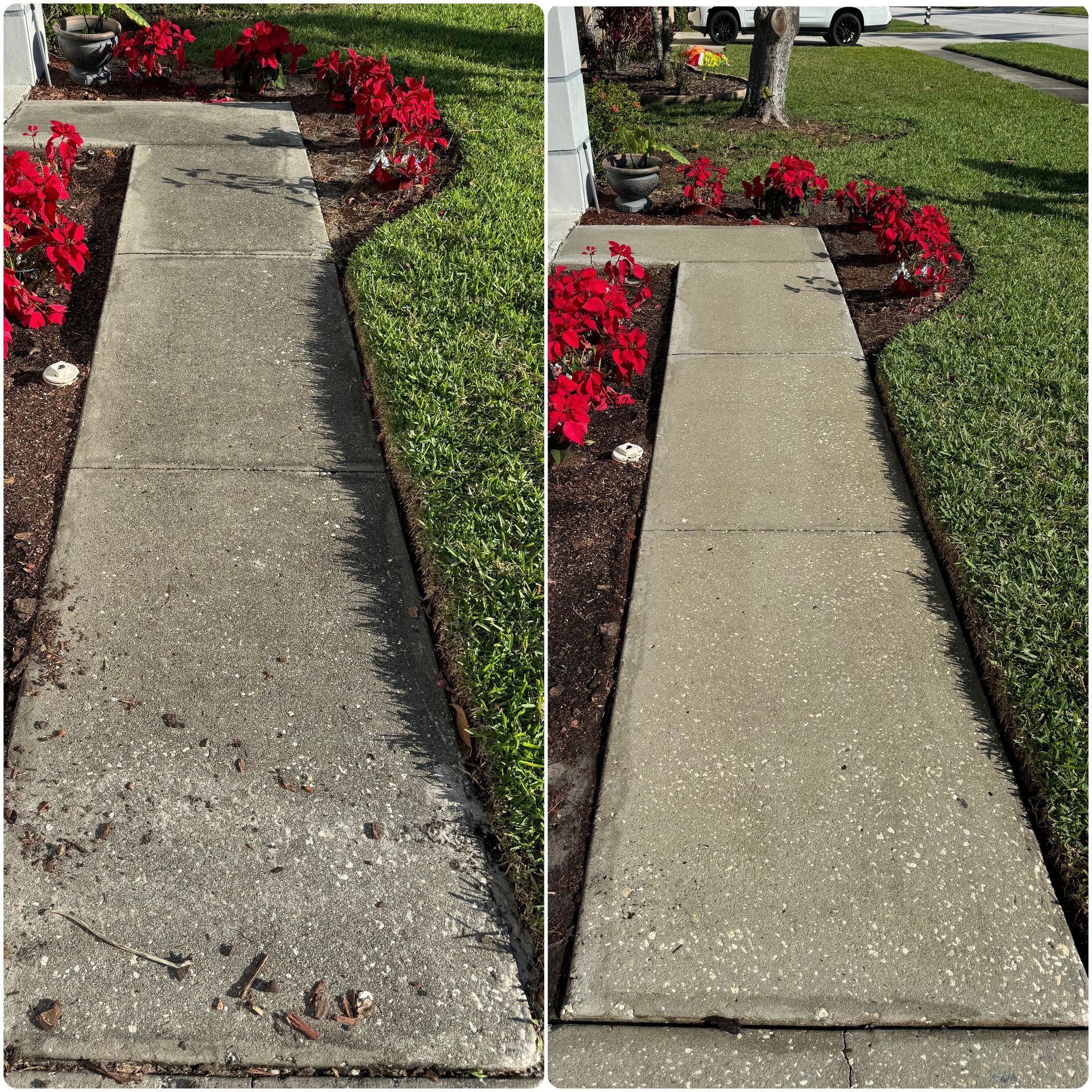
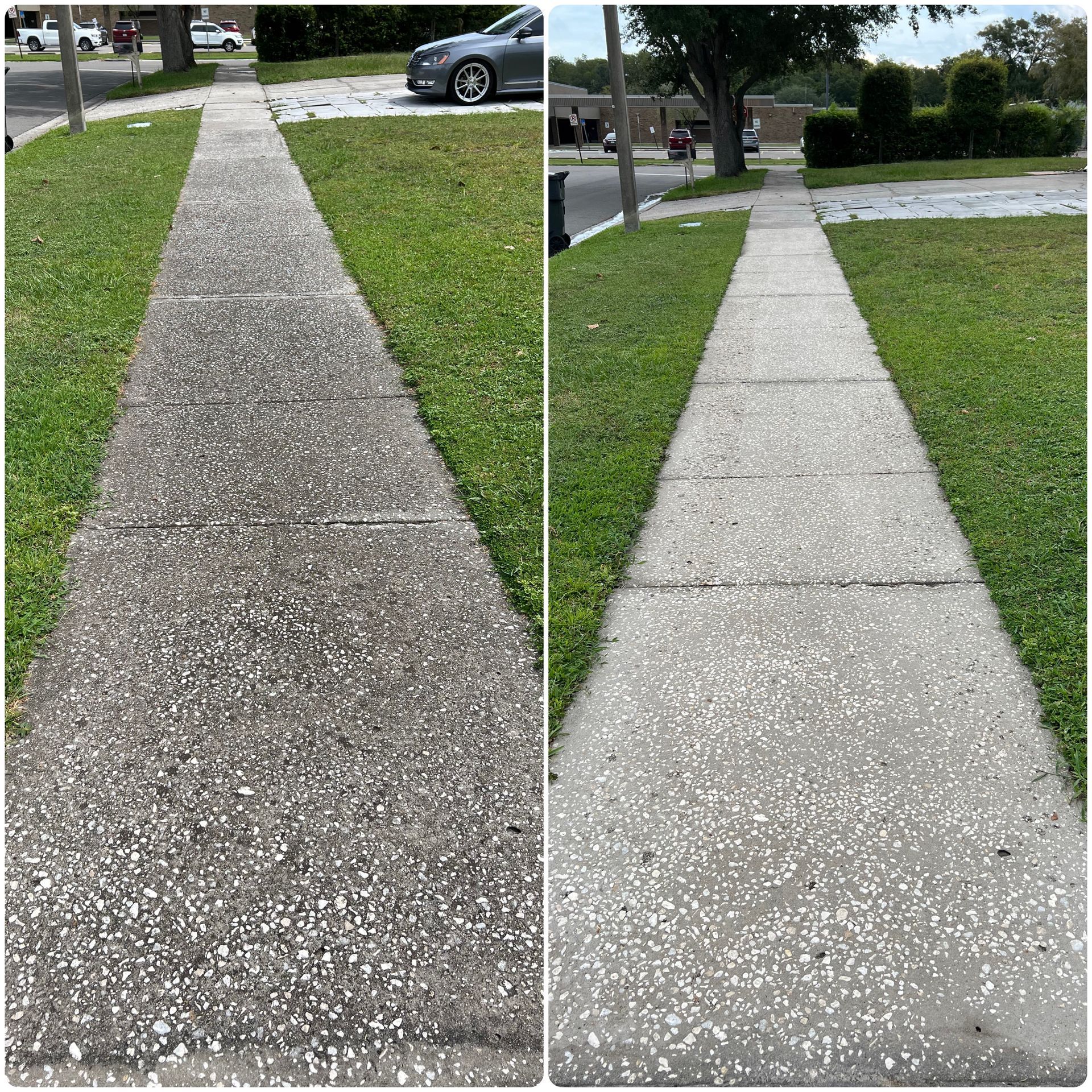
- Sidewalks and curb returns. Not the long runs — the intersections and the sections under oak canopy, which go black and slick.
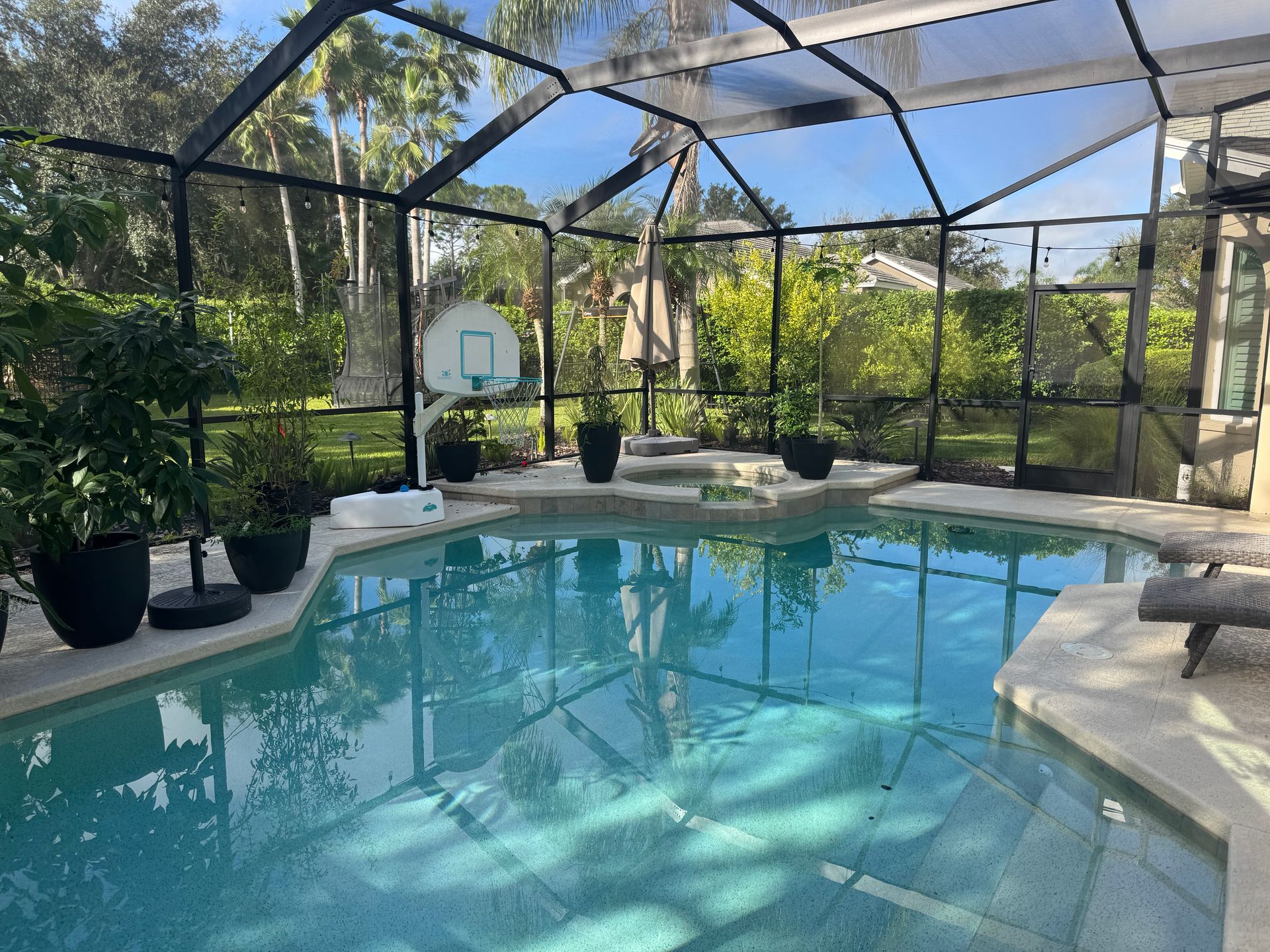
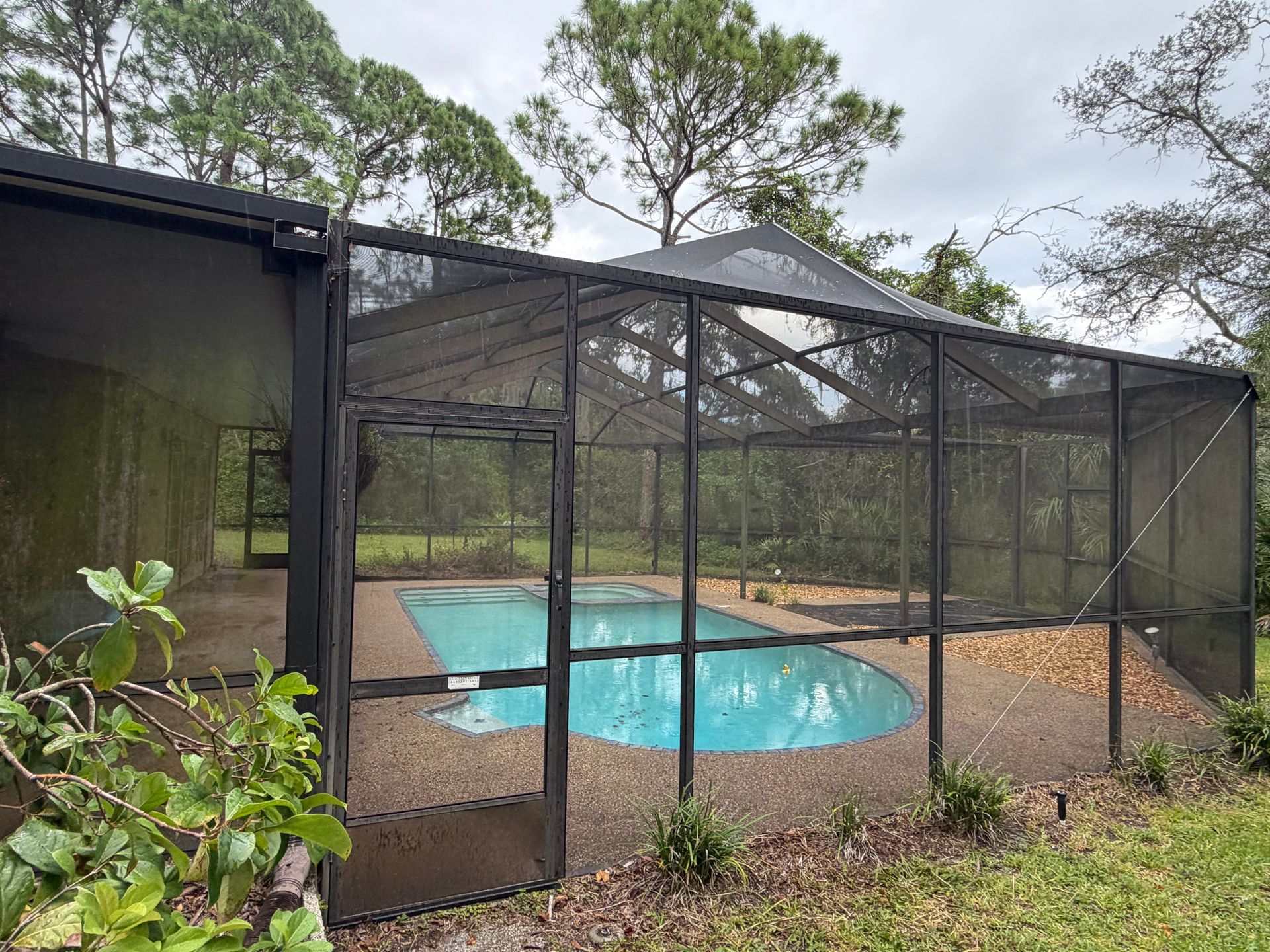
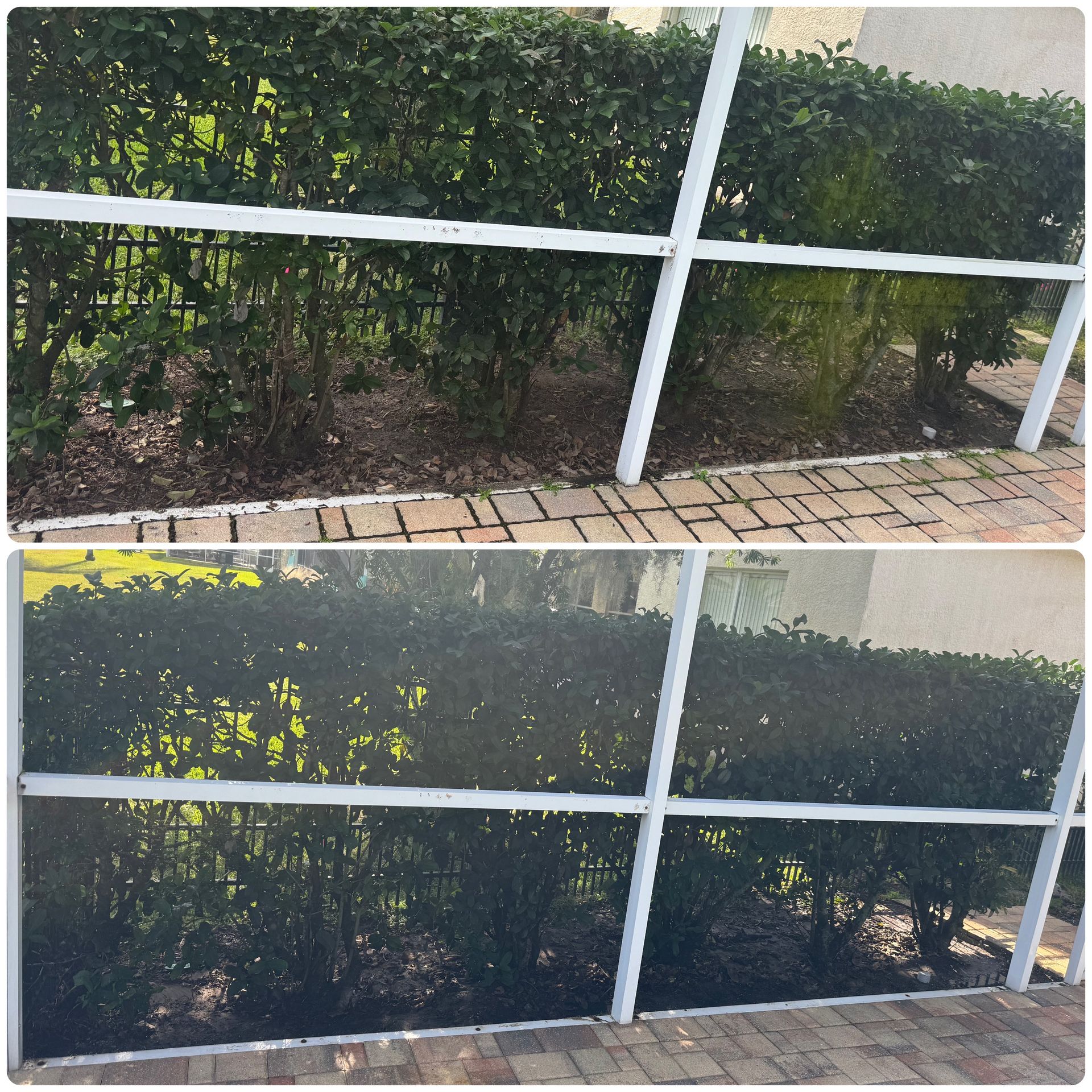
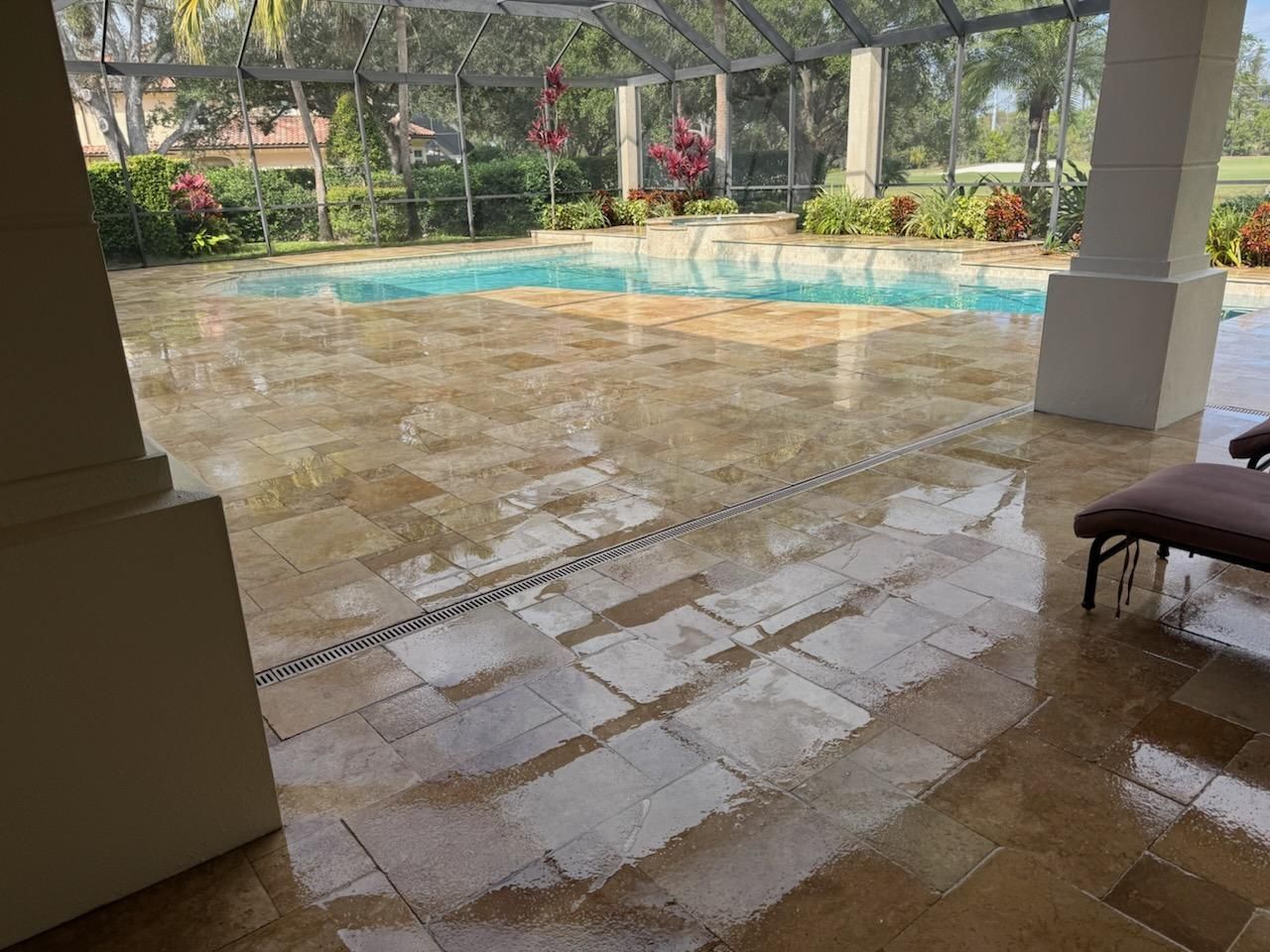
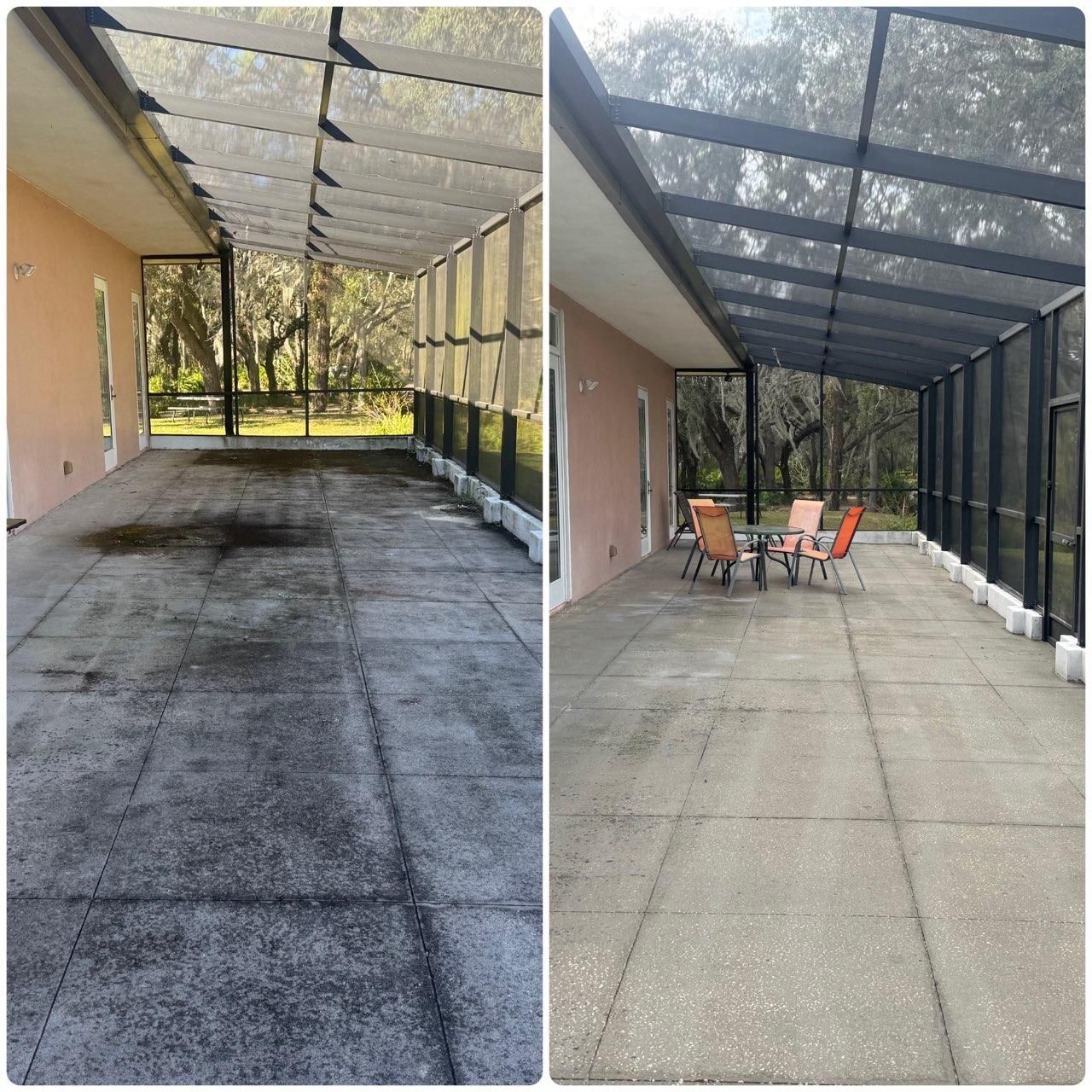
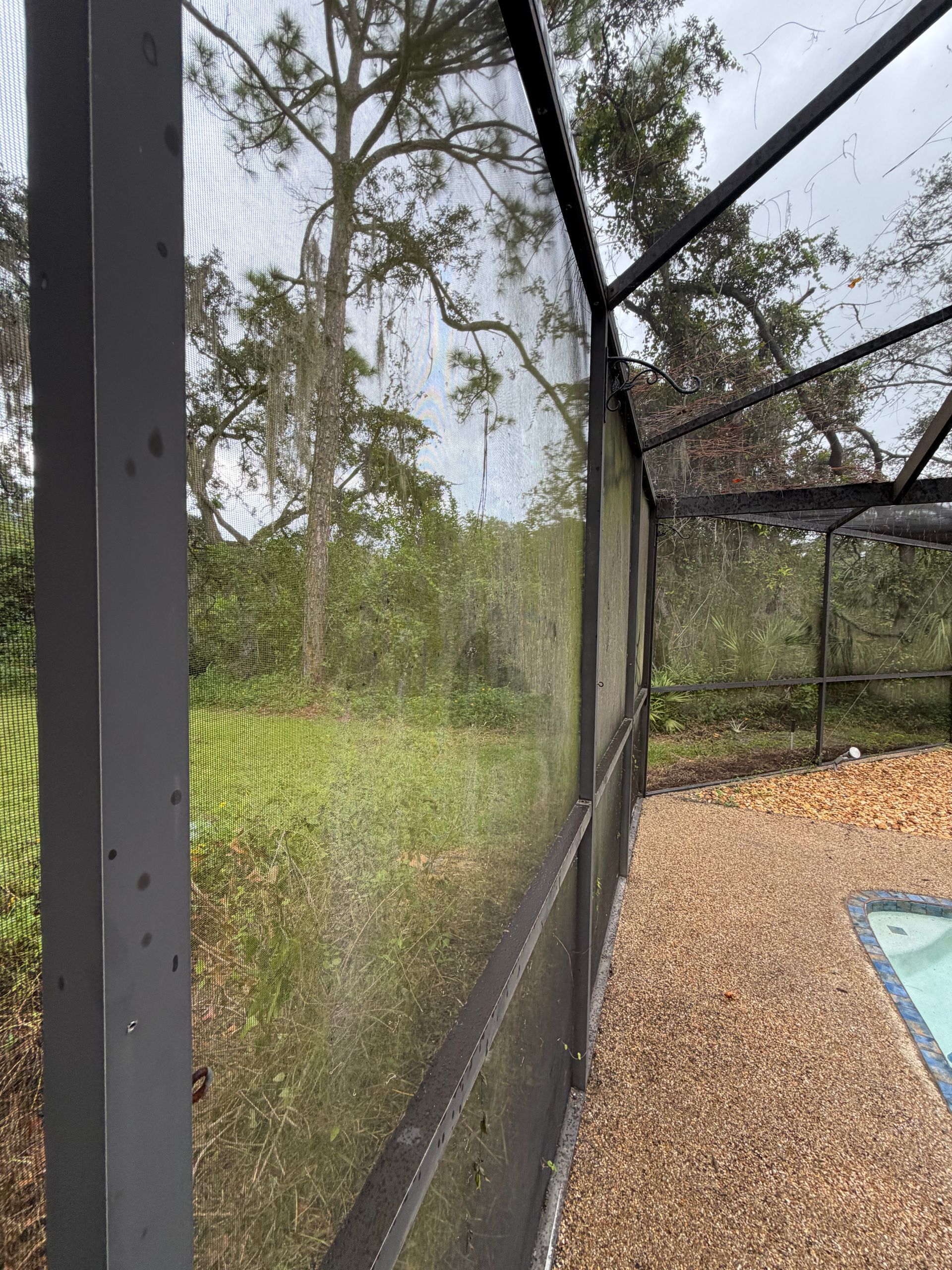
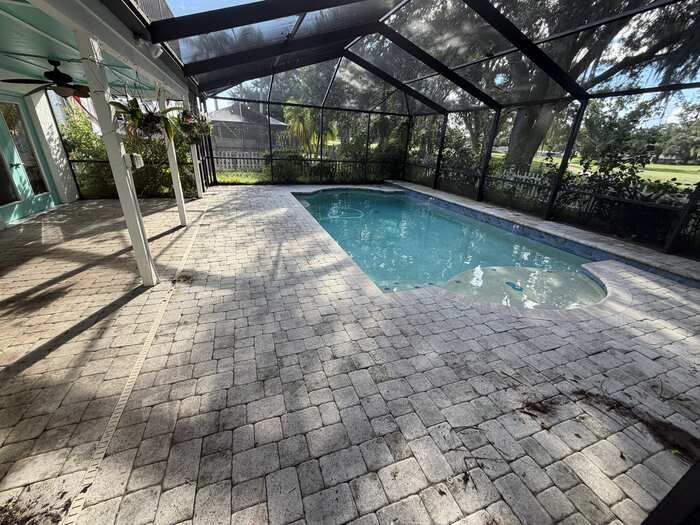
- Pool deck and cage. On the maintenance schedule usually, though the cage screens and the aluminum frame rarely are.
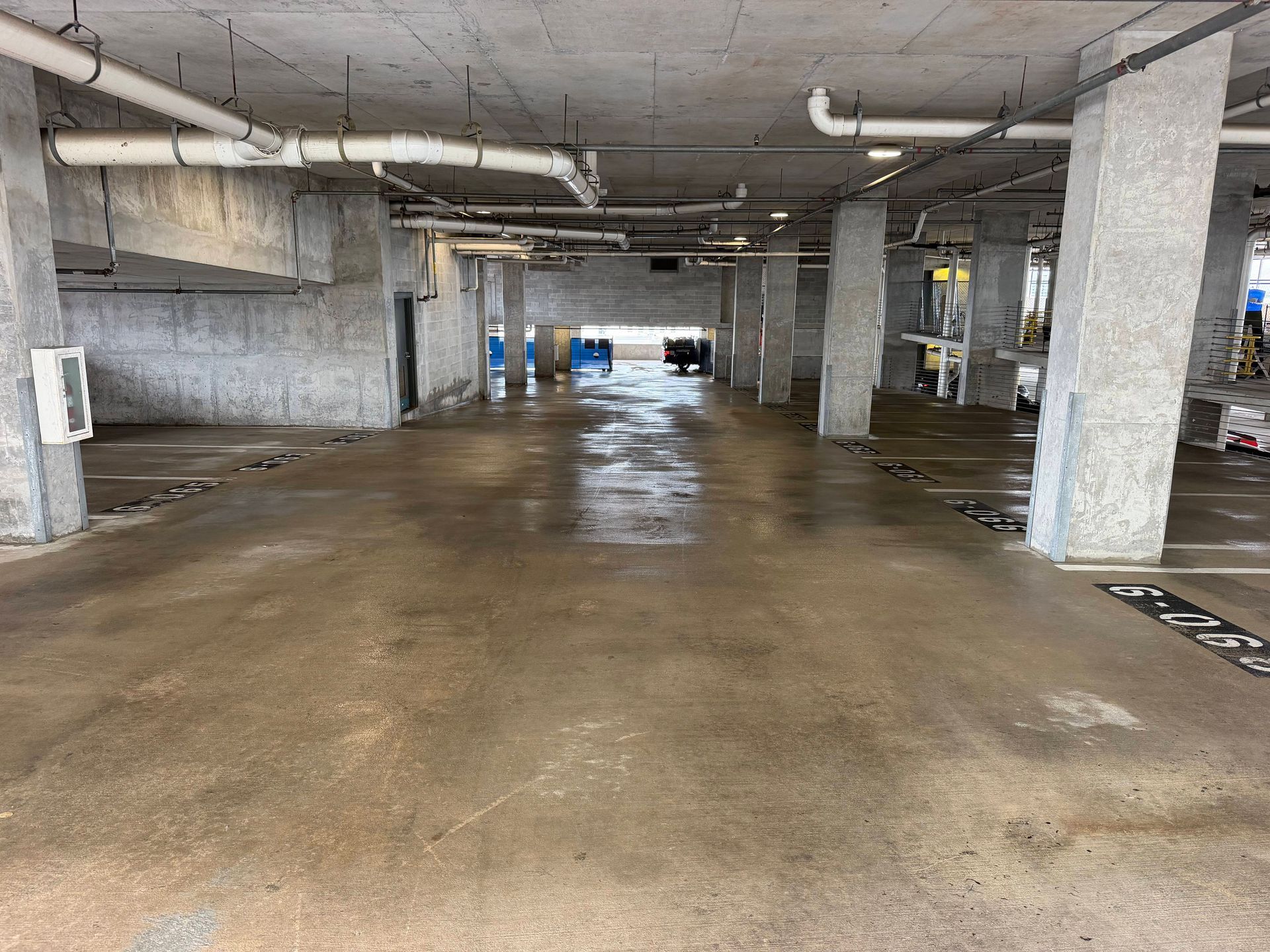
- Dumpster enclosures and the pads around them. The one place a resident complaint will come from in writing.
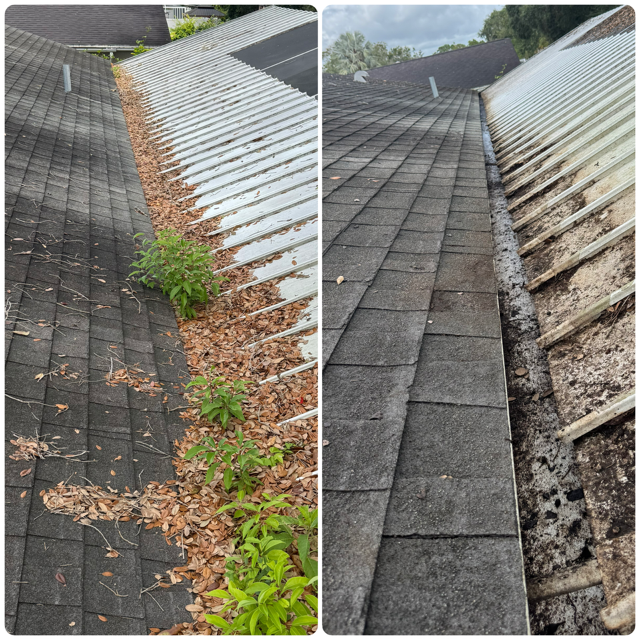
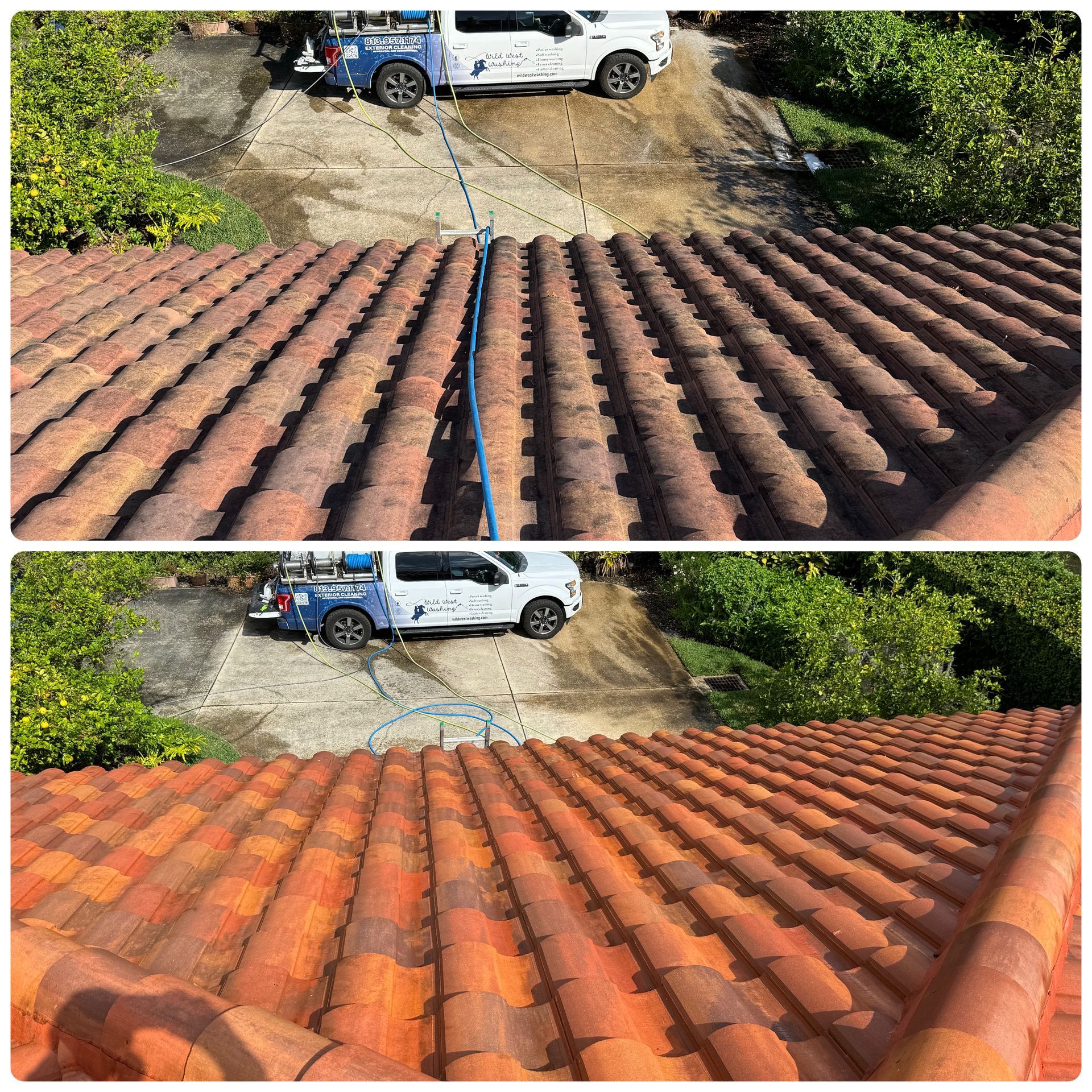
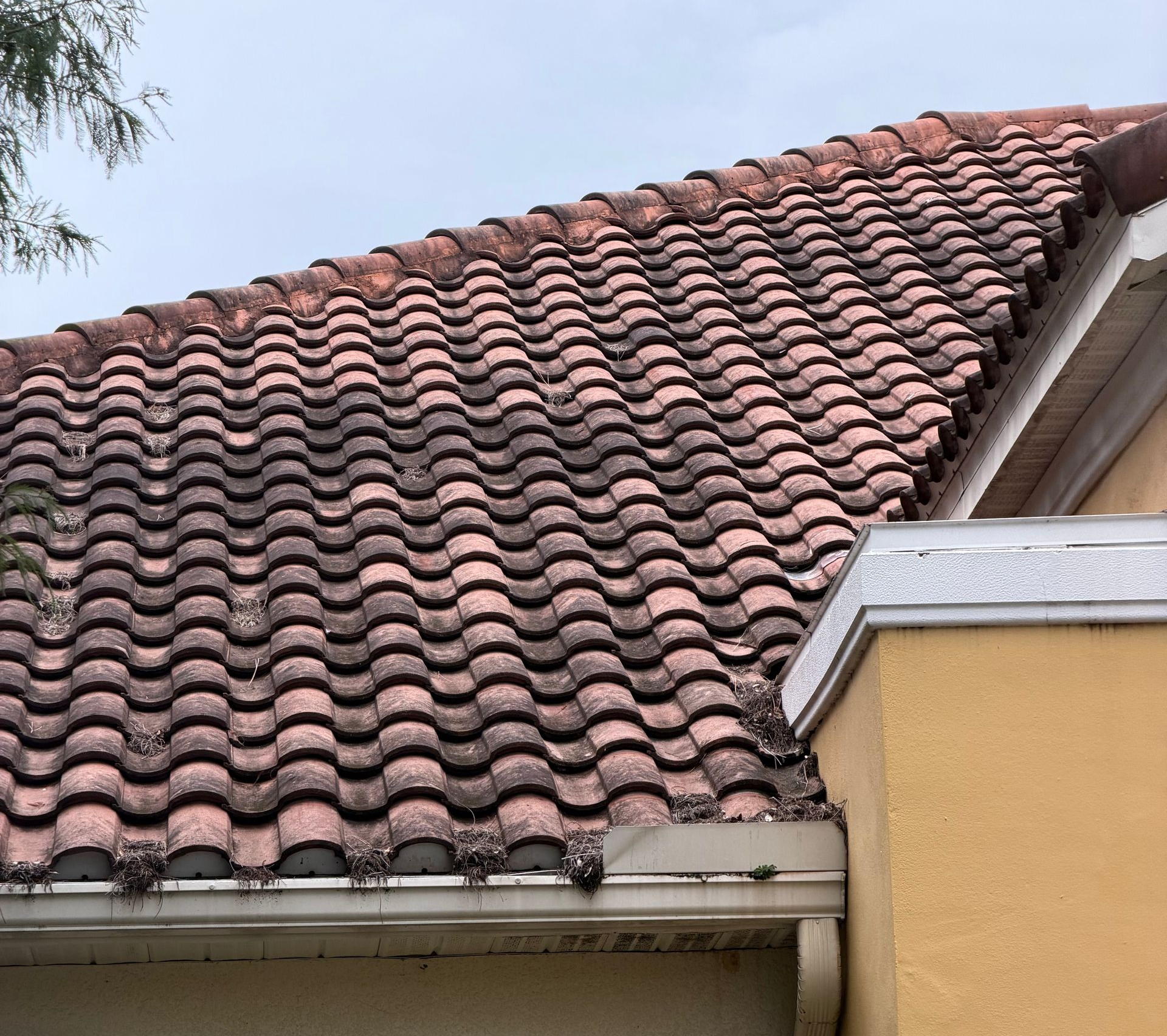
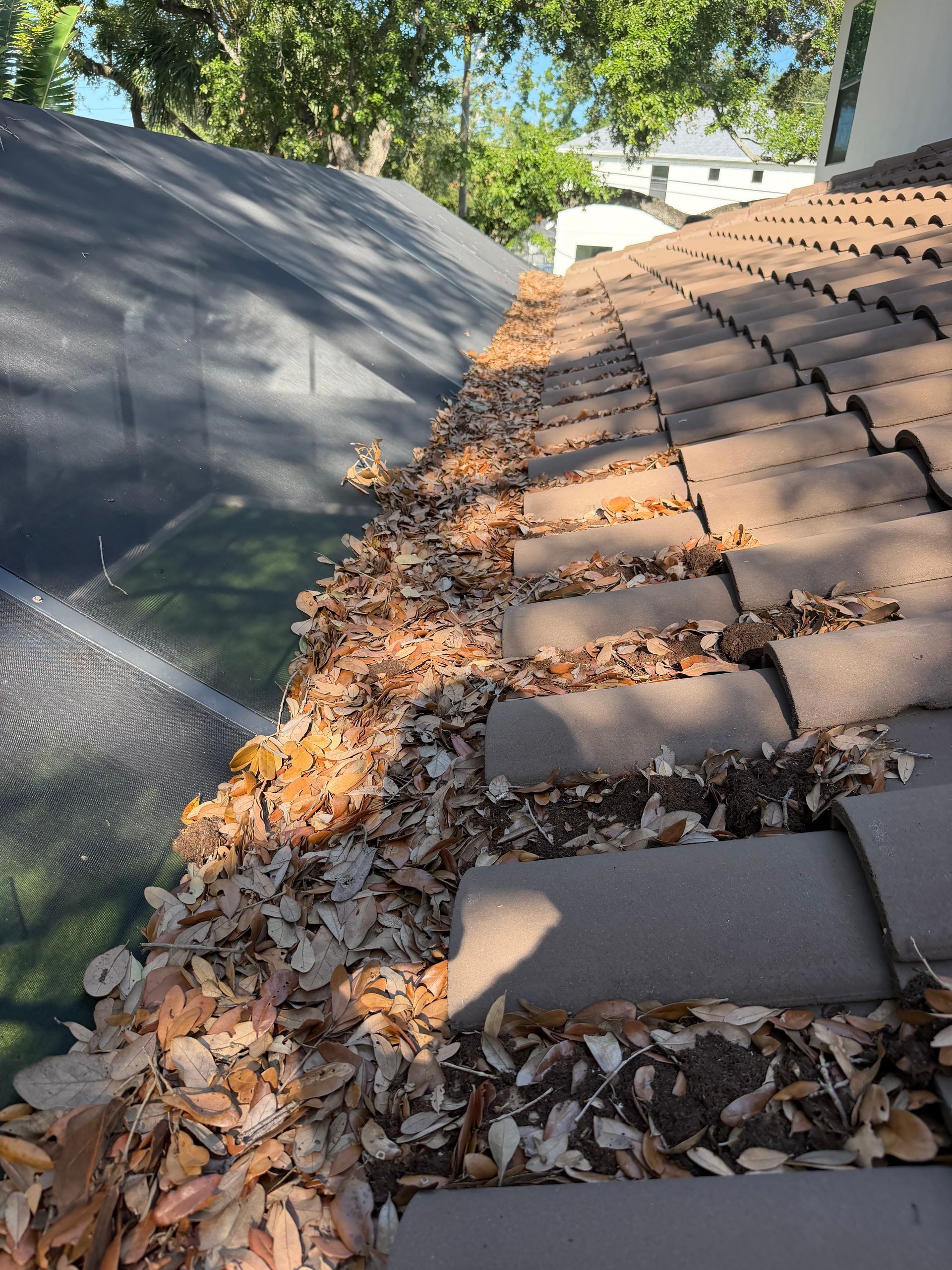
- Clubhouse roof and gutters. Gets painted long before it gets washed, which is backwards.
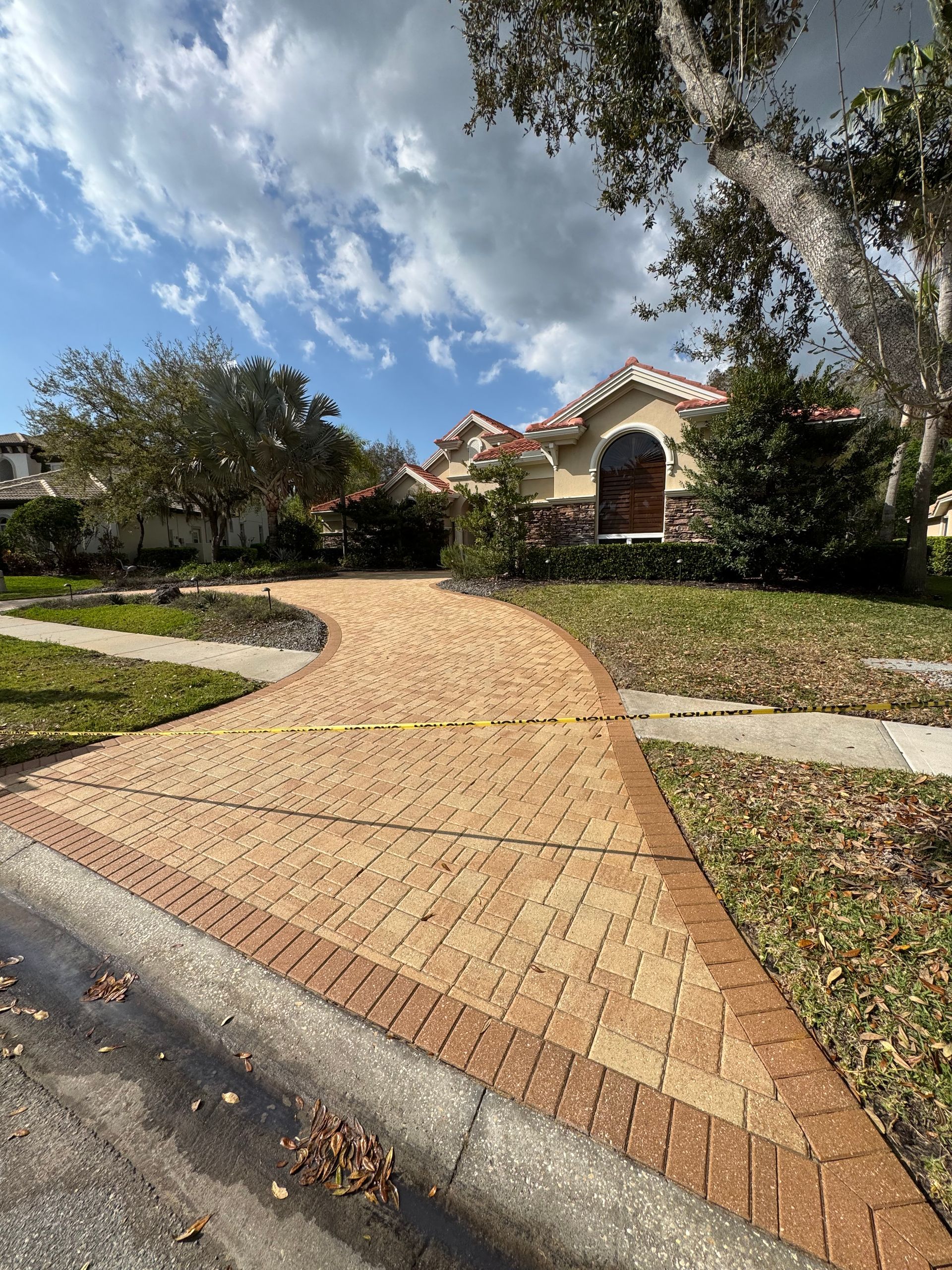
[PHOTO: before/after of a community entry monument with the raised lettering cleaned out — Ballantrae]
How often should HOA common areas be cleaned in Florida?
Annually for the full package, and it should land in the same budget cycle every year rather than being treated as a special assessment every third year. Our humidity gives algae ten active months. A community that washes annually spends less per visit than one that waits three years, because a three-year biofilm requires longer dwell times, more product, and in some cases a second pass.
Two exceptions worth knowing:
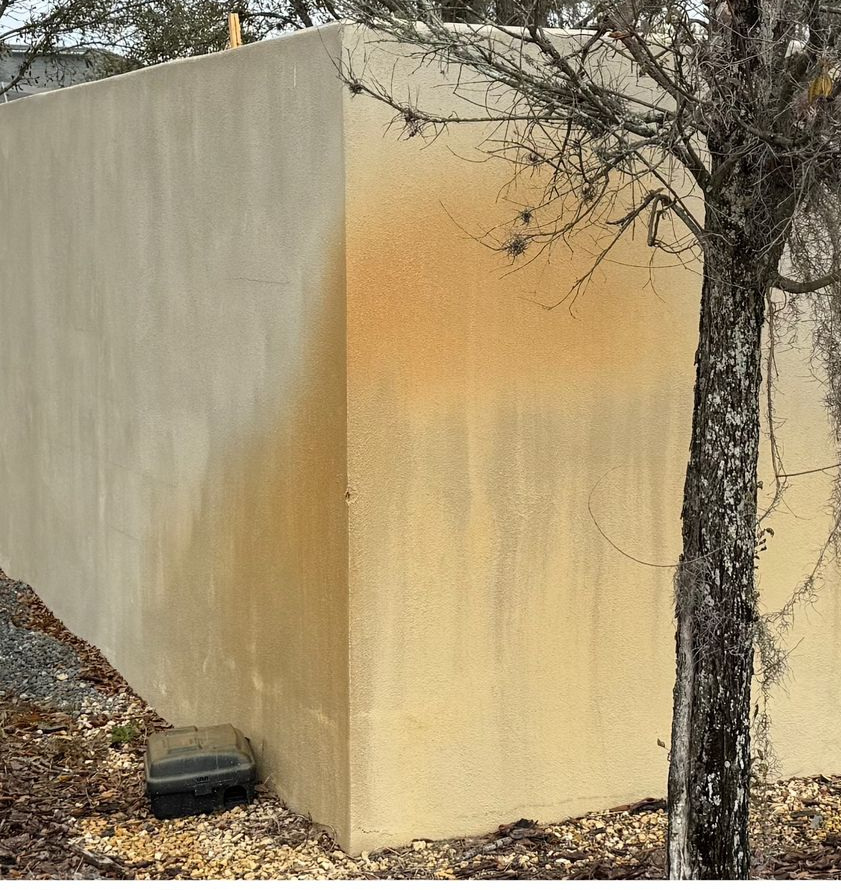
- Entry monuments and high-visibility signage are worth twice a year in communities with well-water irrigation, because of iron staining.
- Pool decks should be on a six-month cycle wherever they sit under trees, both for appearance and because a slick deck is a liability conversation.
What a board should put in the scope
Vague scopes are how associations end up comparing three bids that are quoting three different jobs. A usable specification names:
- Every structure and surface, by location, with approximate square footage.
- The method per surface — soft wash for stucco, painted surfaces and roofs; surface cleaner for flatwork; hand detail for signage and railings.
- Water source and metering. Whether the contractor pulls from a community spigot and whether that usage is reimbursed.
- Water containment on any degreasing work, particularly dumpster pads.
- Insurance certificates naming the association and the management company.
- Resident notice requirements — how many days, and who sends it.
- Photo documentation of each area before and after.
That last one is not bureaucracy. It is what a board member shows at the next meeting when someone says it doesn't look like anything was done.
The part boards actually find hard
Scheduling around residents. A community wash means hoses across sidewalks, a pressure machine running at seven in the morning, and wet surfaces in the amenity area for a few hours. Done badly it generates more email than the dirt did.
What works: notice a week out and again the day before, amenity areas cleaned on weekday mornings rather than weekends, the pool deck done in sections so the pool never closes for a full day, and a crew that moves equipment out of the way instead of leaving it staged overnight. None of that is complicated — it just has to be somebody's job, and on our commercial work it is.
[PHOTO: crew soft washing a long perimeter wall along a community boulevard — Long Lake Ranch]
Where we work
We handle association and property-management exterior maintenance across Hillsborough, Pasco and Pinellas. A good deal of it is in the gated and master-planned communities north and west of town — Ballantrae among them, along with Long Lake Ranch, Stonebriar and the Cheval area, where amenity packages are large enough that the common-area line item is real money and worth doing right.
The scope of what we take on is laid out on our commercial services page, and the flatwork specifics — sidewalks, pads, curb returns and amenity concrete — are covered under commercial concrete cleaning.
Bring us to a board meeting
We will walk the community, build a line-item scope your board can vote on, and quote it in a format that compares cleanly against anything else you receive. If you are mid-budget-season, we can give you a number you can plan around for next year.
Call 813-957-1174 for a free walkthrough and quote. We are a veteran-owned company based right here in Tampa, and we have sat through enough board meetings to know that a clear scope saves everyone an hour.